Nigerian Beef Stew isn’t just a meal; it’s a vibrant culinary experience. This hearty, flavorful dish is a cornerstone of West African cuisine, famous for its deep red hue and the perfect balance of savory beef and spicy aromatics. Every bite takes you on a journey through the rich history and culture of Nigeria, making it a favorite for family gatherings and special occasions alike.
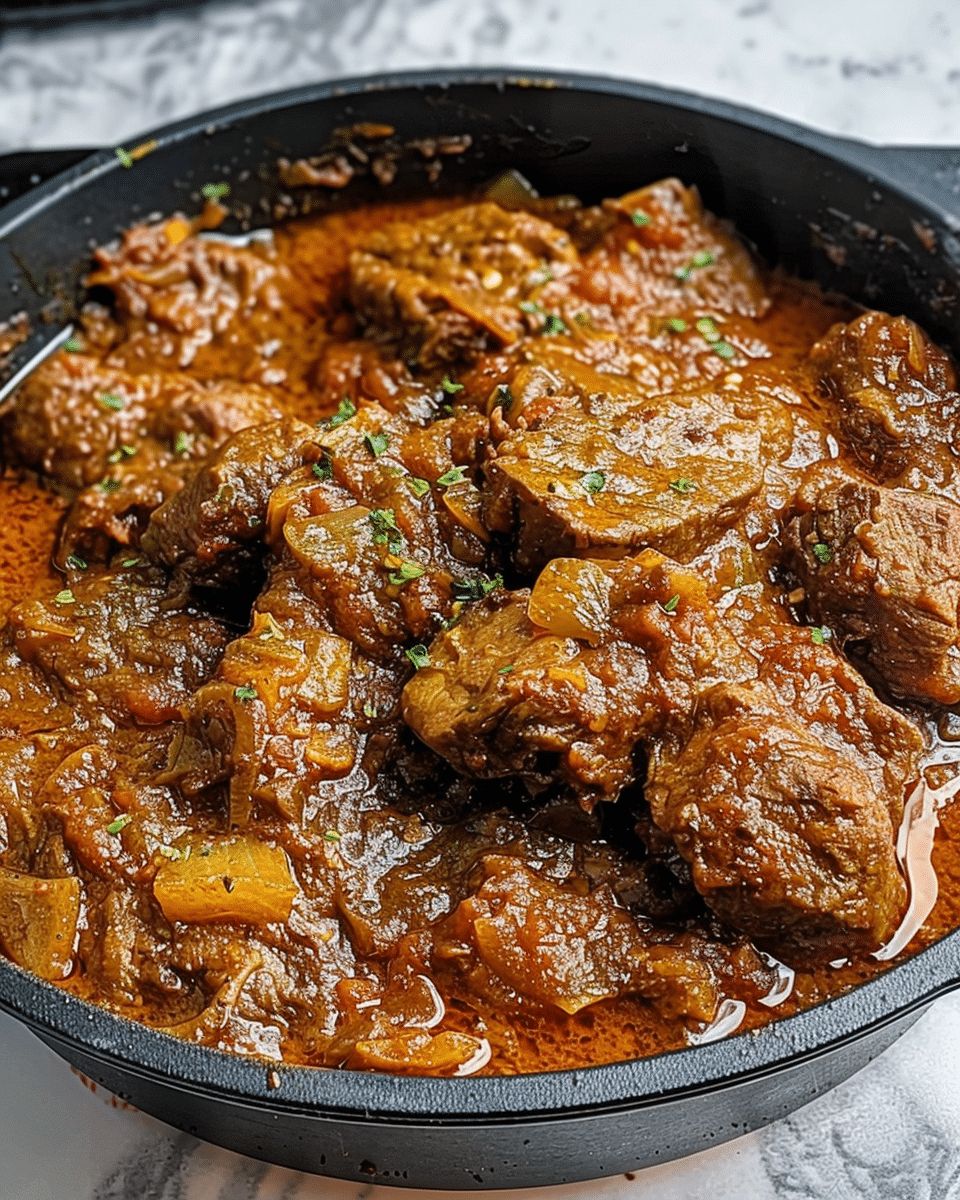
If you’ve never experienced the magic of an authentic Nigerian “red stew,” you are in for a treat. This recipe combines tender cubes of beef with a robust blend of plum tomatoes, bell peppers, and scotch bonnets to create a sauce that is as versatile as it is delicious. Whether you’re a seasoned chef or a kitchen novice, our guide will help you master the traditional techniques needed to prepare this iconic dish like a pro.
Quick Answer: Nigerian Beef Stew is a traditional tomato and pepper-based dish made with tenderized beef, sautéed onions, and a aromatic blend of curry and thyme. Known for its vibrant red color and spicy kick, it is most commonly served alongside Jollof rice, pounded yam, or fried plantains.
Understanding the Essence of Authentic Nigerian Beef Stew
To understand Nigerian Beef Stew, one must understand that it is more than just a sauce; it is the culinary heartbeat of West Africa. Known locally as “Obe Ata” (though this term can vary by region and specific ingredient mix), this stew is a masterclass in flavor extraction. Unlike Western stews that rely on flour thickeners or cream, Nigerian stew achieves its iconic consistency through the reduction of fresh, blended vegetables and the careful frying of the base in high-quality oils.
This dish is remarkably versatile. It is the gold standard for Sunday afternoon family lunches, the centerpiece of wedding banquets, and a comforting staple for late-night dinners. The beauty of this recipe lies in its balance—the sweetness of the plum tomatoes, the savory depth of tenderized beef, and the unmistakable, lingering heat of habanero peppers. It is designed to be paired with neutral sides like white rice or boiled yams, allowing the bold, aromatic sauce to take center stage.
Essential Ingredients for Your Shopping List
The quality of your Nigerian Beef Stew is directly proportional to the freshness of your produce. While you can find many of these items at a standard grocery store, visiting a local African market can help you find the exact varieties of peppers and spices that offer the most authentic experience.
| Category | Ingredient | Purpose/Function |
|---|---|---|
| Protein | 1 lb Beef (Chuck or Stewing Beef) | Provides a rich, savory protein base. |
| The “Base” | 3 Plum Tomatoes & 1 Red Bell Pepper | Creates the vibrant red color and natural sweetness. |
| Aromatics | 1 Large Onion | Half for blending, half for frying to create depth. |
| Heat | 1 Habanero (Scotch Bonnet) | Delivers the signature West African spice profile. |
| Flavor Enhancers | Bouillon Powder, Thyme, Curry | The “holy trinity” of Nigerian stew seasonings. |
A Closer Look at the Key Components
- The Beef: Look for cuts with a bit of connective tissue. When boiled, these tissues break down, making the meat melt-in-your-mouth tender.
- The Peppers: Red bell peppers (known as “Tatashe” in Nigeria) are essential for the red color. Habaneros (known as “Atarodo”) provide the heat. Adjust the count based on your spice tolerance.
- The Oil: While olive oil is used in this version for health benefits, many traditional recipes use vegetable oil or even palm oil for a different flavor profile.
How to Boil the Beef for Maximum Flavor
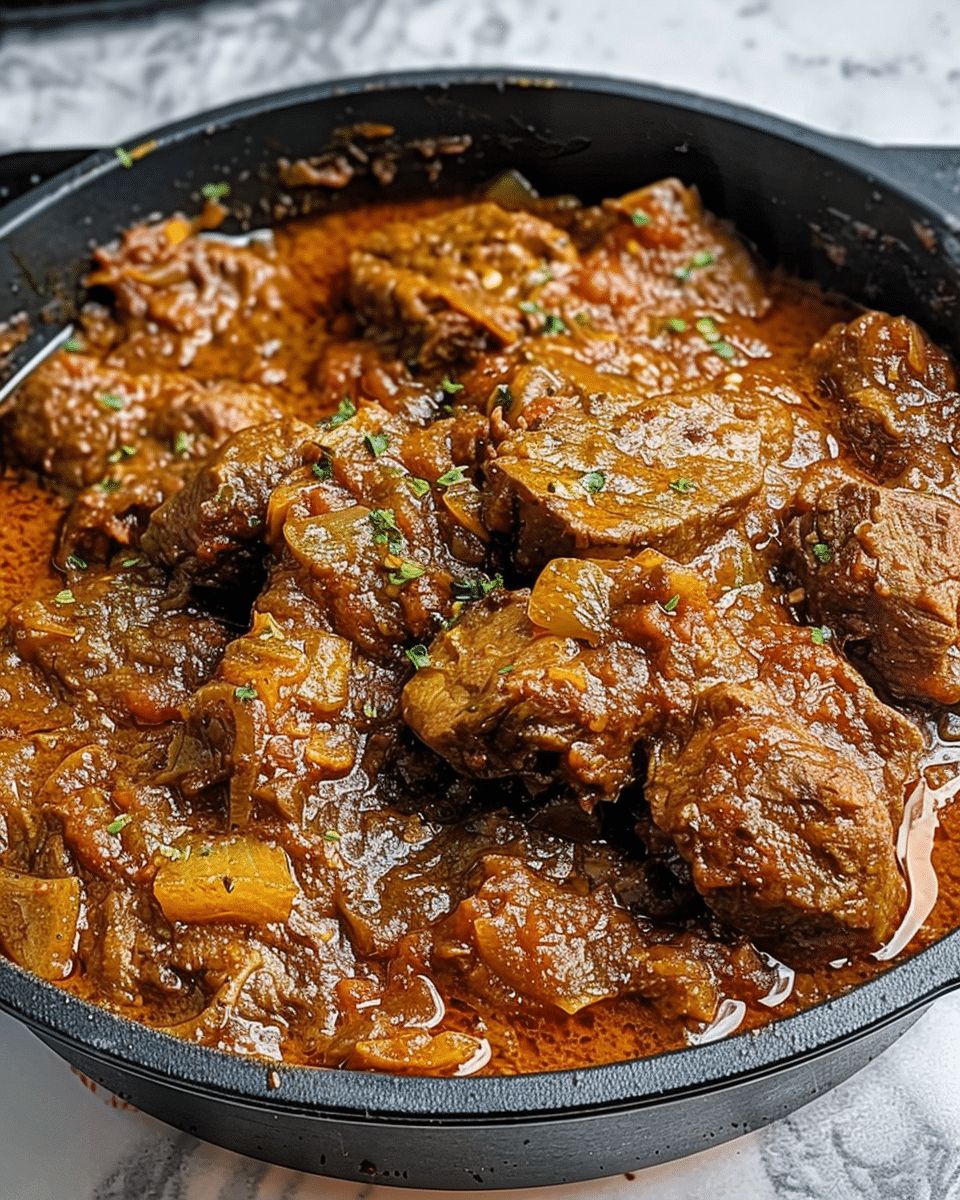
The secret to a great stew is not just the sauce, but the meat itself. If the beef is bland, the stew will feel incomplete. In Nigerian cooking, we rarely use plain water; we “steam-boil” the meat with seasonings so that the flavor is driven deep into the fibers of the protein.
- Clean and Prep: Begin by washing your beef cubes. This is a common practice in African kitchens to ensure the meat is free of any bone shards or debris.
- Seasoning the Pot: Place the beef in a heavy-bottomed pot. Do not add all the water yet. Add the salt, black pepper, and perhaps a few slices of onion. Let the meat release its own juices over low heat for 5 minutes.
- The Simmer: Once the meat has released its natural flavors, add 1.5 cups of water. Cover the pot and simmer for 20-25 minutes. You want the meat to be cooked through but not falling apart, as it will continue to cook in the stew later.
Pro Tip: Never throw away the water used to boil the beef! This is your “liquid gold”—the beef stock that will later thin your stew and add immense savory depth.
Step-by-Step: Crafting the Perfect Stew Base
Now that your protein is ready, it is time to build the tomato-pepper base. This is the most critical part of the process. If not cooked correctly, the stew can have a “raw” or acidic tomato taste. We want to achieve a rich, fried consistency.
Step 1: The Master Blend
In a high-powered blender, combine the plum tomatoes, the red bell pepper (seeded if you prefer less heat), the habanero, and half of your onion. Blend until the mixture is completely smooth. If you are making a large batch, you may need to do this in stages.
Step 2: Frying the Aromatics
Heat your olive oil in a large pan or Dutch oven. Add the remaining half of the onion, finely chopped. Sauté these until they are translucent and just beginning to brown around the edges. This step infuses the oil with a sweet, toasted onion flavor that serves as the foundation for the entire dish.
Step 3: Reducing the Pepper Mix
Pour the blended mixture into the hot oil. Be careful, as it may splash! Stir in your black pepper. Now, let this mixture boil on medium heat for about 5 to 10 minutes. You are looking for the water content to evaporate, leaving behind a thick, concentrated paste.
Integrating the Beef and Layering Spices
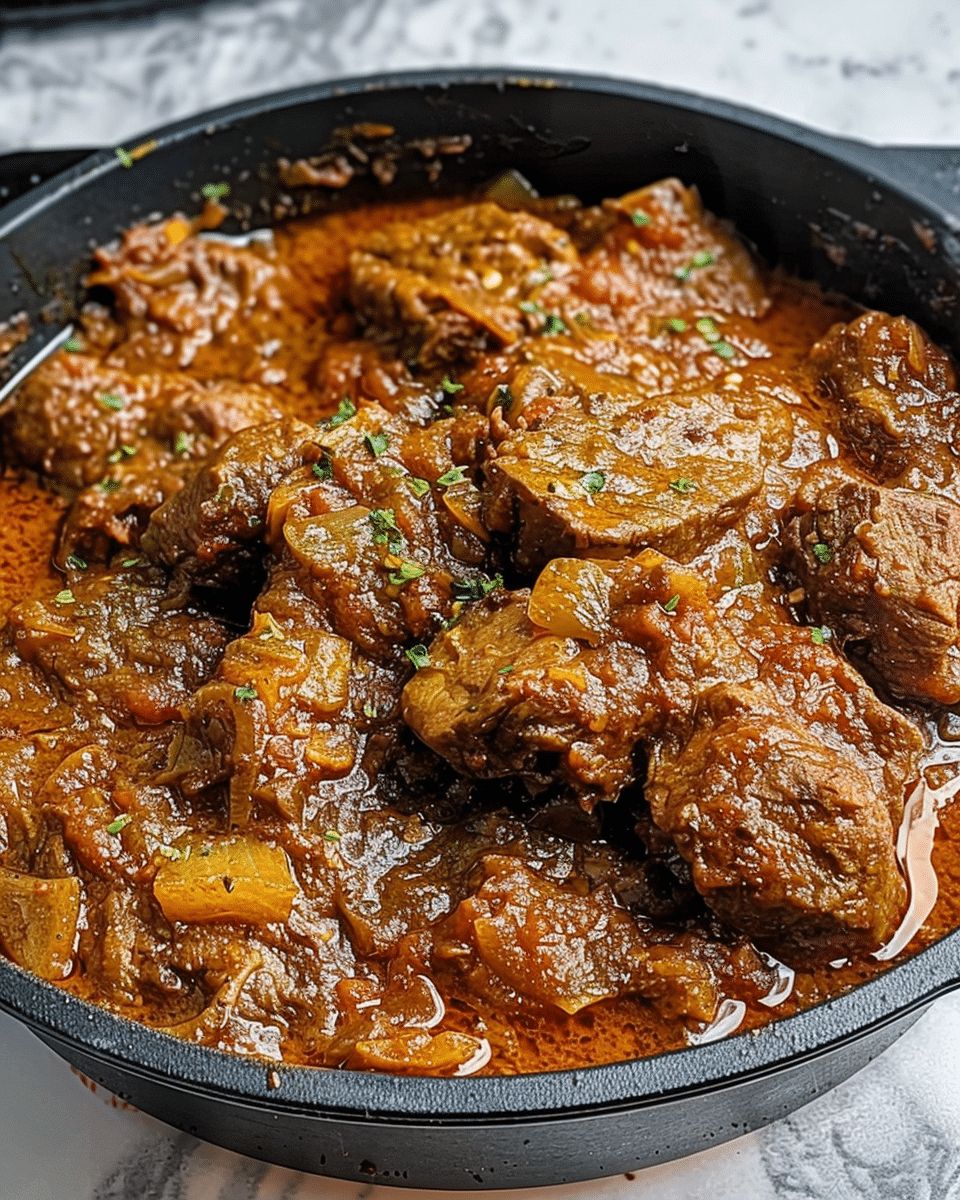
Once your base has reduced and the oil begins to separate slightly from the tomato mix, it is time to marry the flavors. This is where the dish transforms from a simple sauce into a World-Class Nigerian Stew.
- Add the Protein: Introduce the boiled beef cubes and half a cup of that reserved beef stock. The stock acts as a bridge, carrying the flavor of the meat into the vegetable base.
- Consistency Check: If the stew looks more like a paste than a sauce, add a splash more stock. It should be thick enough to coat a spoon but fluid enough to pour over rice.
- The Final Seasoning: Add the thyme, curry powder, and bouillon powder. These spices should be added toward the end to keep their flavors bright and potent.
Chef’s Insight: Always taste for salt after adding the bouillon. Bouillon is naturally salty, and you don’t want to ruin a perfect pot of stew by over-salting at the finish line.
Serving Suggestions: What to Pair with Your Stew
Because Nigerian Beef Stew is so robust, it pairs best with starch-based sides that can soak up the delicious oils and juices. Here are the most popular ways to enjoy your creation:
| Side Dish | Experience | Best For |
|---|---|---|
| White Rice | Clean and simple; allows the stew to shine. | Weeknight Dinners |
| Jollof Rice | Double the flavor; a legendary party combo. | Celebrations |
| Pounded Yam | Hearty and traditional; great for “swallowing.” | Authentic Experience |
| Fried Plantains | Sweet and caramelized contrast to the spicy stew. | Side Garnish |
Frequently Asked Questions (FAQs)
How can I make the stew less oily?
Traditional Nigerian stews use a fair amount of oil to preserve the sauce and fry the tomatoes. However, if you prefer a leaner version, you can skim the excess oil off the top with a spoon once the stew has finished cooking and cooled slightly. Alternatively, use a non-stick pot to reduce the amount of oil needed for sautéing.
Can I use different proteins?
Yes! This “red stew” base is universal. You can easily substitute the beef for hard chicken, goat meat, or fried fish. If using fish, add it at the very end of the simmering process to prevent it from breaking apart in the sauce.
How long does this stew stay fresh?
Nigerian Beef Stew actually tastes better the next day as the spices have more time to meld. It stays fresh in the refrigerator for up to 4 days. It also freezes exceptionally well; simply store it in an airtight container for up to 3 months. To reheat, add a tablespoon of water and warm it on the stovetop over low heat.
Conclusion: Your Journey into Nigerian Flavors
Mastering Nigerian Beef Stew is a gateway to exploring the vast and delicious world of West African cuisine. It is a dish that rewards patience and honors fresh ingredients. By following these steps—boiling your meat with care, reducing your pepper base, and balancing your spices—you have created a meal that is nutritious, comforting, and culturally rich.
Whether you are serving this to guests or enjoying a quiet bowl on a Sunday evening, the warmth and spice of this stew are sure to leave a lasting impression. Happy cooking!
You May Also Like
If you enjoyed this recipe, explore more flavorful dishes: Authentic Jollof Rice, Sweet Fried Plantains, Traditional African Stews, and Savory Beef Recipes.
Learn more about the cultural significance of these flavors: Nigerian Cuisine on Wikipedia
Frequently Asked Questions
Why is my Nigerian Beef Stew bitter?
Bitterness often occurs if the tomatoes or peppers aren’t cooked down enough. To fix this, ensure you fry the blended mixture until the water evaporates and the oil begins to separate. Adding a pinch of sugar or more sautéed onions can also help balance the acidity.
Can I make this recipe in a Slow Cooker?
Yes! To adapt this for a slow cooker, boil the beef as instructed first, then add the sautéed onion and blended vegetable mix into the crockpot. Cook on low for 6-8 hours. For best results, fry the tomato base in a pan for 5 minutes before adding it to the slow cooker to ensure a rich flavor.
What is the best way to achieve the bright red color?
The secret to the vibrant red color is using a high ratio of red bell peppers (Tatashe) and ensuring you use ripe plum tomatoes. Avoid adding too much water during the blending process, as a concentrated paste yields the most stunning visual results.
Final Thoughts
Mastering Nigerian Beef Stew is a rewarding experience that brings a piece of West African heritage right into your kitchen. It is a versatile, nutrient-dense meal that provides a perfect balance of protein and spice. Once you have the base technique down, you can easily customize the heat levels and proteins to suit your personal palate.
Gather your family, serve up a generous portion over a bed of fluffy rice, and enjoy the deep, comforting flavors of this classic dish. Don’t forget to bookmark this guide for your next Sunday dinner or special celebration!