

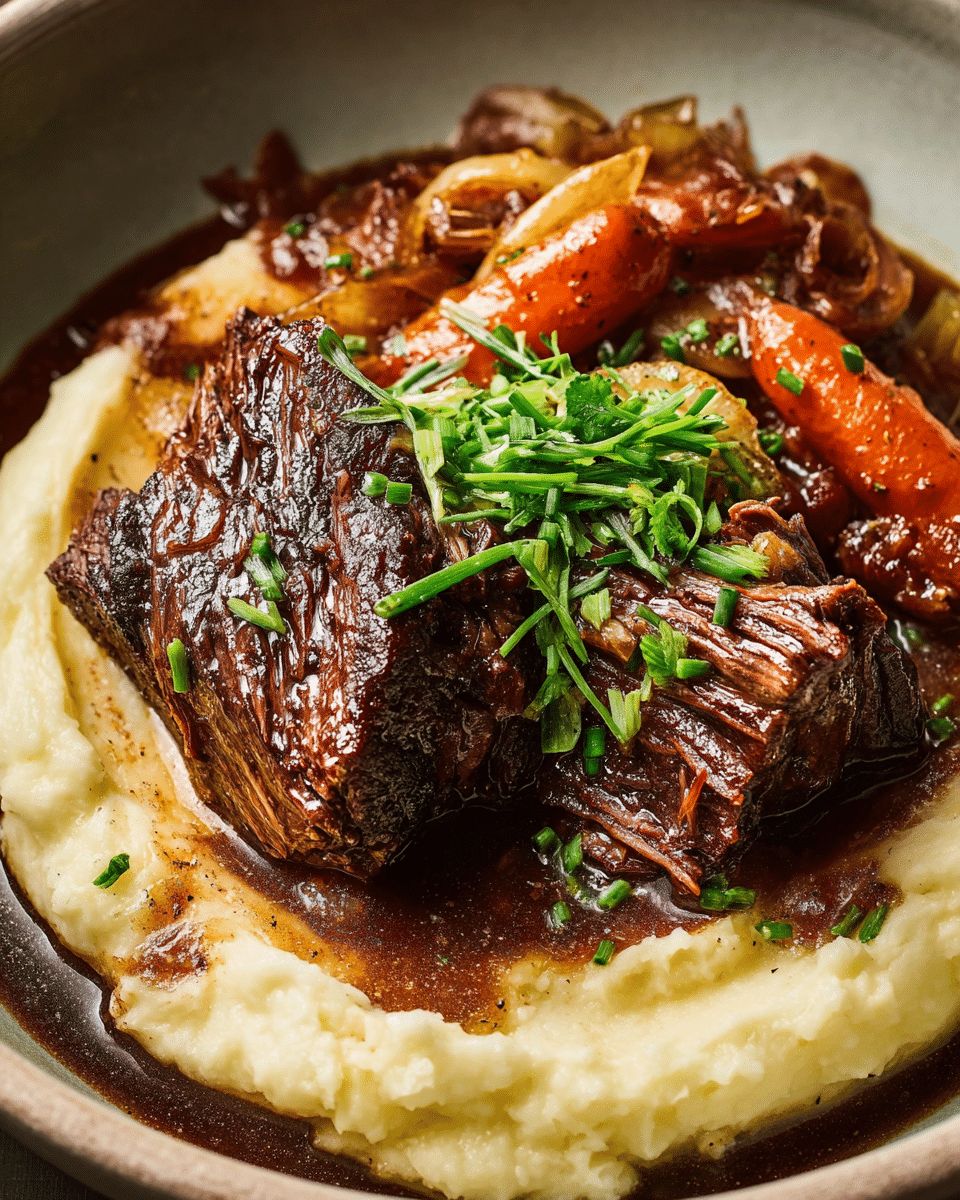
When the air turns crisp and the days grow shorter, there’s nothing quite like the aroma of slow-cooked beef wafting through the house. Oven-Braised Beef Chuck with Leeks, Carrots & Herb Jus is one of those timeless, soul-warming meals that transforms a humble cut of meat into a deeply flavorful centerpiece. With aromatic vegetables, fresh herbs, and a velvety sauce born from hours in the oven, this dish captures everything we crave in cold-weather cooking.
This recipe is all about patience and reward. It begins with a proper sear to lock in juices, followed by a slow braise in a savory broth that melds beefy richness with the soft sweetness of leeks and carrots. The result is melt-in-your-mouth meat and a fragrant pan jus you’ll want to drizzle over everything in sight. Whether you are hosting a Sunday family dinner or looking for the ultimate meal-prep protein, this one-pot wonder delivers high-end restaurant quality from your own kitchen.
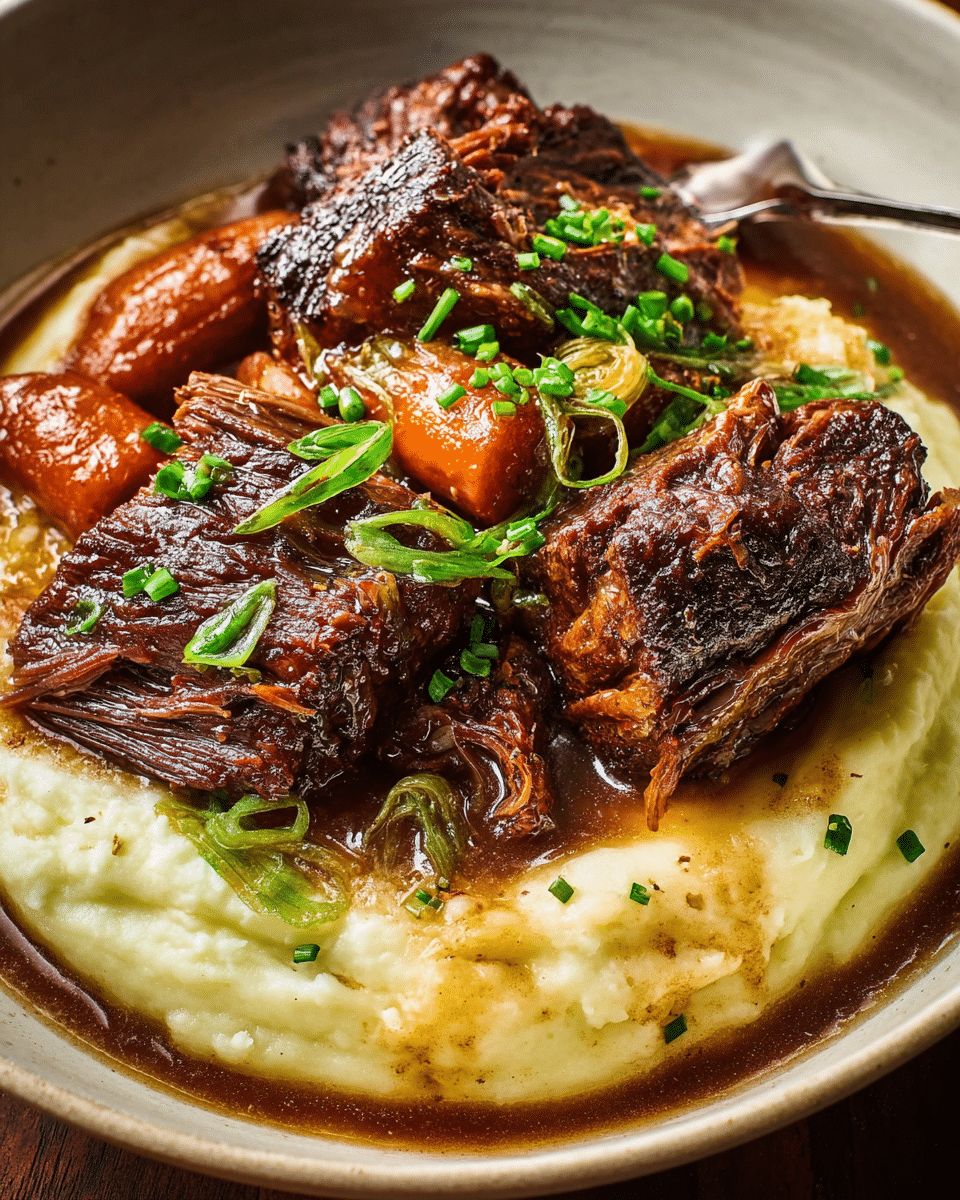
Quick Answer: Oven-braising beef chuck at a steady 350°F for approximately 3 hours allows the connective tissues to break down, resulting in fork-tender meat. Combining it with leeks, carrots, and fresh thyme creates a sophisticated herb jus that elevates the humble roast into a gourmet experience.
Essential Ingredients for the Ultimate Beef Braise
The beauty of a slow braise lies in the transformation of simple, raw ingredients into a cohesive, complex masterpiece. To achieve the depth of flavor required for a world-class Oven-Braised Beef Chuck, each component must be selected with care. The synergy between the marbled beef and the aromatic sweetness of the leeks creates a flavor profile that is both rustic and refined.
The Hero: Beef Chuck Roast
For this technique, the cut of meat is non-negotiable. Beef chuck, sourced from the shoulder, contains the perfect ratio of lean muscle to connective tissue (collagen). As it braises, that collagen melts into gelatin, providing the “melt-in-your-mouth” texture and a natural silkiness to the herb jus.
The Aromatics and Braising Base
- 3 lbs Beef Chuck Roast: Cut into large 3-inch chunks to ensure they don’t disintegrate during the long cook.
- Leeks (2 medium): Use only the white and light green parts. They offer a more delicate, buttery onion flavor than standard bulbs.
- Carrots (2 medium): Cut into large chunks to maintain texture after three hours of heat.
- Yellow Onion & Garlic: The foundational base for savory depth.
- Tomato Paste (1.5 tbsp): Provides umami and a deep mahogany color to the sauce.
- Fresh Herbs: 3 sprigs of thyme and 1 bay leaf are essential for that signature “herb jus” aroma.
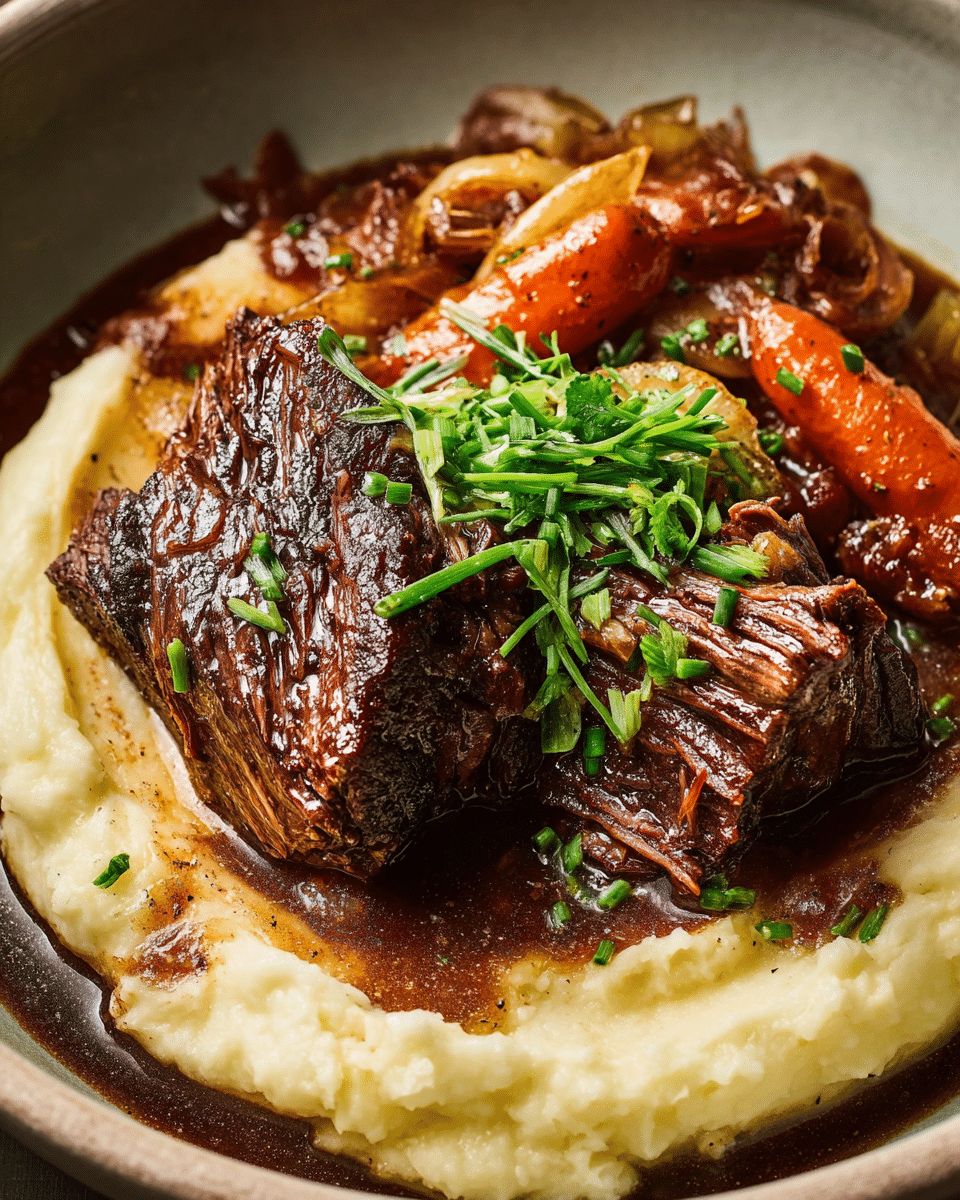
Liquids and Ratios
| Ingredient | Quantity | Purpose |
|---|---|---|
| Beef Broth | 1 1/2 Cups | Primary savory liquid base |
| Water | 3/4 Cup | Balances salt levels during reduction |
| Neutral Oil | 3 tbsp | High-heat searing for the Maillard reaction |
Step-by-Step Technique for Perfection
Success in braising is a matter of process, not just ingredients. Following these steps ensures that your beef is deeply caramelized on the outside and buttery soft on the inside. Skipping the sear or rushing the deglazing process will result in a flat, one-dimensional dish.
1. The Critical Sear
Preheat your oven to 350°F. Before the beef ever touches the pot, you must pat it completely dry with paper towels. Moisture is the enemy of browning; if the meat is wet, it will steam rather than sear. Season aggressively with salt and freshly ground black pepper. In a heavy-duty Dutch oven, sear the pieces in batches. You are looking for a dark, crusty exterior—this is where the “jus” gets its color and soul.
2. Building the Flavor Foundation
Remove the beef and reduce the heat. Add your onions and leeks. The leeks will act like a sponge, soaking up the rendered beef fat. Once softened, add the garlic and carrots. The most important sub-step here is frying the tomato paste. Push the vegetables aside and let the paste hit the hot metal for 90 seconds until it turns a shade darker. This removes the raw metallic taste and unlocks a hidden sweetness.
3. Deglazing and the Slow Braise
Pour in your beef broth and water. Use a wooden spoon to scrape every single brown bit (the fond) off the bottom of the pot. Return the beef and its juices to the pot, nestle in your thyme and bay leaf, and cover tightly. The liquid should cover about 50% to 60% of the meat.
4. The Two-Stage Cooking Process
- Covered Phase (2 hours 15 mins): This traps moisture and gently breaks down the tough fibers of the chuck.
- Uncovered Phase (30–40 mins): This allows the liquid to reduce and concentrate into a “jus,” while the tops of the beef pieces get a final roasted finish.
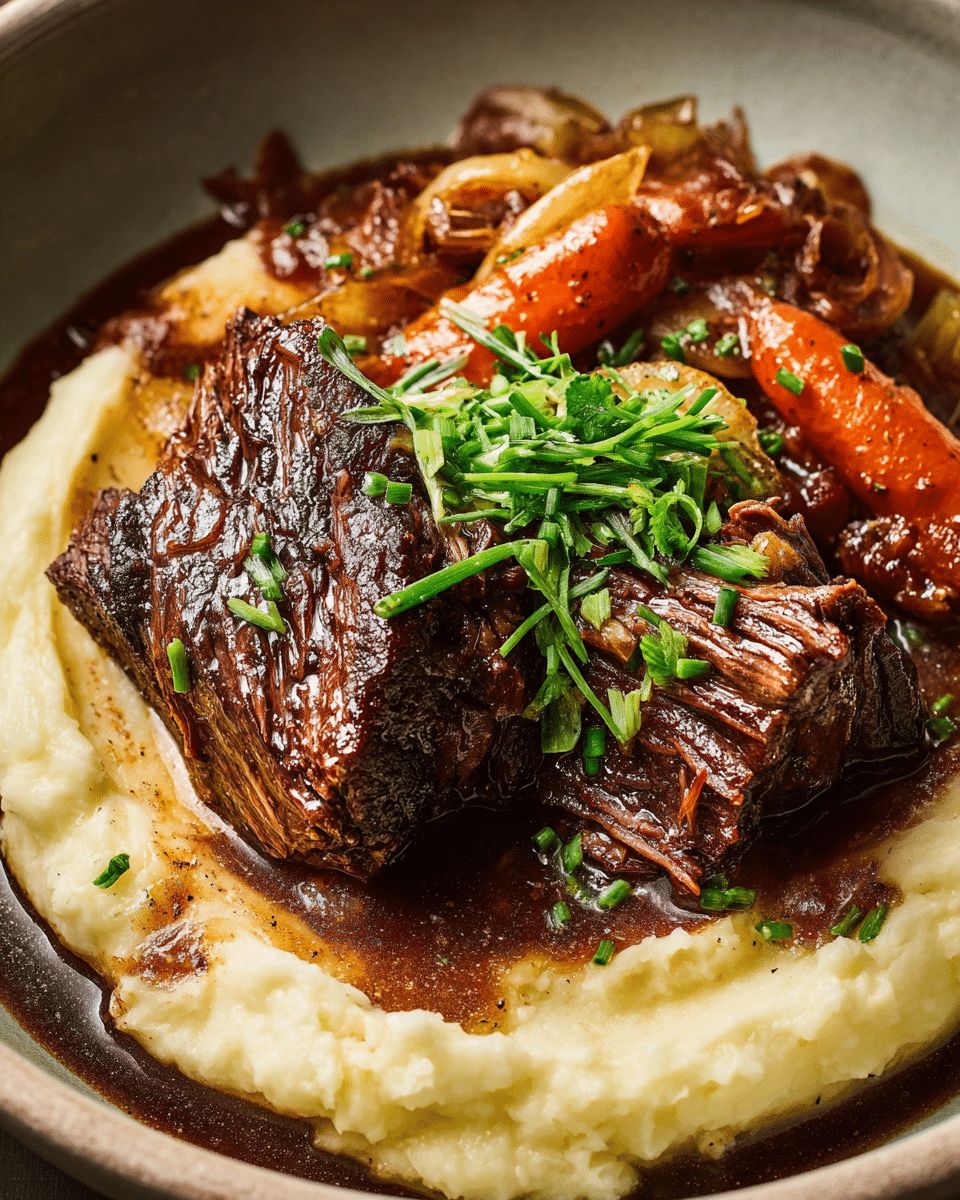
Pro Tips for Content Stylists and Home Chefs
Achieving “World-Class” status requires attention to the fine details that separate a good meal from an unforgettable experience. Use these insights to troubleshoot or elevate the dish.
Pro Tip: Always let the meat rest in its liquid for at least 30 minutes after taking it out of the oven. This allows the muscle fibers to reabsorb the juices, ensuring the beef doesn’t turn “stringy” or dry when served.
Storage and Make-Ahead Benefits
Braising is one of the rare cooking methods where the food actually tastes better the next day. As the dish cools, the flavors of the thyme, leeks, and beef continue to fuse. If you make this 24 hours in advance, you can easily skim the solidified fat off the top, resulting in an even cleaner, more elegant herb jus.
- Reheating: Always reheat gently on the stovetop over low heat. Avoid the microwave, which can toughen the gelatinous fats.
- Freezing: This dish freezes beautifully for up to 3 months. Ensure the meat is completely submerged in the liquid to prevent freezer burn.
Serving Suggestions: Making it a Meal
While the beef is the star, the supporting players on the plate define the final experience. You need a vehicle to catch that incredible herb-infused jus.
The Perfect Pairings
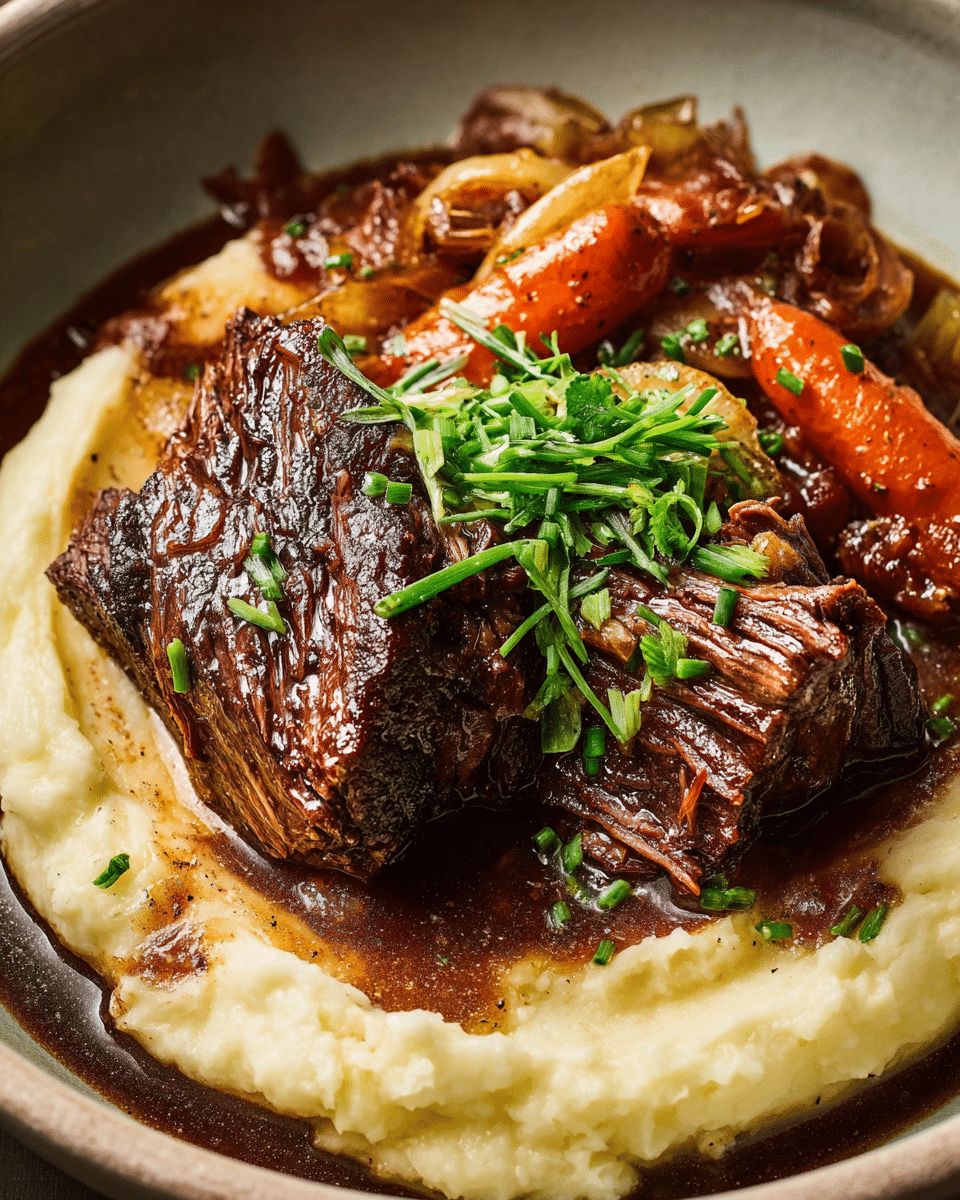
Creamy Mashed Potatoes: The gold standard. For an expert twist, fold in finely chopped chives and a touch of horseradish to cut through the richness of the beef. The contrast between the velvety potatoes and the savory jus is a culinary classic.
Vegetable Accompaniments
Since the carrots and leeks are already in the pot, you only need something bright to balance the plate. A simple salad of bitter greens (like arugula or frisee) with a sharp lemon vinaigrette provides the necessary acid to cleanse the palate between bites of rich, fatty beef.
Nutritional Overview and Comparison
Understanding the profile of your meal helps in planning a balanced menu. While beef chuck is a richer cut, the inclusion of high-fiber leeks and carrots adds significant micronutrients.
| Nutrient | Per Serving (Approx.) | Benefit |
|---|---|---|
| Protein | 35g | Muscle repair and satiety |
| Vitamin A | 110% DV | From the braised carrots; eye health |
| Iron | 25% DV | Essential for energy and blood health |
| Collagen/Gelatin | High | Promotes joint and gut health |
Alternative Ingredient Swaps
If you cannot find leeks, shallots are the best substitute to maintain the delicate sweetness. For a more “stew-like” consistency, you can toss the beef in a light coating of flour before searing, though this will result in a thicker gravy rather than a clean, translucent herb jus.
You May Also Like
If you enjoyed this slow-cooked masterpiece, explore more of our seasonal favorites: Slow Roast Techniques, Hearty Beef Dinners, Winter Comfort Foods, and One-Pot Feasts.
To learn more about the science of the Maillard reaction and slow-cooking methods, check out the guide on Braising at Wikipedia.
Frequently Asked Questions
What is the best temperature for braising beef chuck in the oven?
The ideal temperature is between 325°F and 350°F. This moderate heat ensures the liquid remains at a gentle simmer, which is essential for breaking down the tough connective tissues in the beef without drying out the meat fibers.
Can I make this dish ahead of time?
Absolutely. In fact, many chefs prefer to make braised dishes one day in advance. Allowing the beef to sit in the herb jus overnight in the refrigerator helps the flavors to fully penetrate the meat and makes it easier to remove excess fat from the surface before reheating.
What if I don’t have a Dutch oven?
While a heavy-duty Dutch oven is preferred for its heat retention, you can use any deep, oven-safe pot or even a heavy roasting pan. If using a roasting pan, ensure it is tightly sealed with a double layer of aluminum foil to prevent the braising liquid from evaporating too quickly.
Final Thoughts
Mastering the Oven-Braised Beef Chuck with Leeks, Carrots & Herb Jus is a rewarding journey that proves how time and technique can transform simple ingredients into a world-class meal. It is a dish that fills your home with an irresistible aroma and offers a level of comfort that only slow-cooking can provide. Whether it is a quiet Sunday evening or a festive gathering, this recipe is a reliable cornerstone for any home cook’s repertoire.
As you serve this tender beef over a bed of creamy mash, remember that the “secret” ingredient is always patience. By allowing the meat to rest and the jus to concentrate, you ensure every bite is a perfect balance of savory richness and herbal elegance. We look forward to seeing how this classic becomes a staple in your kitchen!
