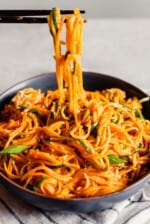
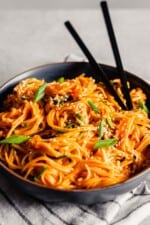
Get ready for a flavor explosion with these incredible Gochujang Noodles! This recipe delivers a perfectly balanced spicy and insanely savory experience that’s utterly addictive. From the moment you take your first bite, you’ll find it hard to stop. Whether enjoyed on its own or as a versatile base for your favorite protein, it’s an ideal choice for a quick and satisfying weeknight meal. Each forkful of these creamy gochujang noodles promises a buttery, silky-smooth texture that will have you craving more.
The secret to that luscious texture lies in using rice noodles. Their inherent starchiness creates a rich, clingy sauce, while their stickiness ensures every strand is coated in flavor. If your pantry is stocked with Italian pasta, feel free to substitute with spaghetti, angel hair, or linguine to create delicious gochujang buttered noodles.
Remarkably, this 20-minute recipe achieves its bold Korean flavor with just a few pantry staples. Gochujang, hoisin, fresh lime, garlic, and toasted sesame oil come together to do all the heavy lifting, creating a truly memorable dish.
For an optional but delightful twist, I love incorporating both zucchini noodles and rice noodles. Not only does this sneak in some extra vegetables, but the zucchini adds a wonderful crisp-tender crunch that beautifully complements the chewy rice noodles. It’s a perfect textural combo!

Reader Review
“I love this recipe so much. I’ve made it weekly since I discovered it. I usually put black beans in for added protein.”
– Ayesha
This recipe article was originally published in November of 2019, it has since been updated with helpful tips, ingredient notes and step-by-step images.
Table of contents
- How To Make Easy Gochujang Noodles
- Test Kitchen Tips
- Serving Ideas
- Storage and Reheating
- More Ways to Use Gochujang
Ingredients for Your Gochujang Noodles

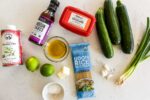
Below are a handful of notes that will help ensure this dish is a complete success. The full recipe, with precise ingredient amounts, can be found in the recipe card below.
- Zucchini: My preferred way to add a delightful crisp-tender texture is by using spiralized zucchini (zucchini noodles) alongside the rice noodles.
- Rice noodles: You have flexibility here! Any type of rice noodle works beautifully – pad thai, stir-fry, vermicelli, or straight cut. You’ll need 8 ounces, but if you opt to skip the zucchini, increase to 16 ounces of rice noodles.
- Gochujang: This essential Korean chili paste is a vibrant red, thick, and sticky fermented condiment, offering a unique sweet, spicy, and savory profile. Think of it like a sticky, spicy tomato paste in texture. You can typically find it in the Asian section of your grocery store in short, rectangular containers (often red). Alternatively, gochujang is readily available on Amazon.
- Hoisin sauce: Also known as peking sauce, this rich Chinese condiment provides a fantastic salty and sweet depth of flavor. Look for it next to the gochujang in the Asian aisle.
- Lime juice: The juice from one fresh lime is crucial for brightening and balancing the savory, spicy notes of the dish. If lime isn’t available, rice vinegar makes a good substitute.
- Olive oil: Use a mild olive oil for this recipe, as you’ll also be layering in the distinct flavors of toasted sesame oil and butter.
- Garlic: Fresh is always best! You’ll need 1 teaspoon of finely minced fresh garlic.
- Cornstarch: A small amount of cornstarch is vital for creating that perfectly thick and smooth sauce.
- Toasted sesame oil: Just a couple of teaspoons of this intensely flavorful oil dramatically enhances the overall taste of your noodles.
- Butter: Two tablespoons of butter are key to achieving truly luscious, silky gochujang buttered noodles.
- Scallions and sesame seeds: These are optional garnishes, but highly recommended! Sliced scallions add a fresh bite, and toasted sesame seeds provide an extra layer of nutty flavor.
How To Make Easy Gochujang Noodles

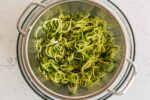
- Begin by spiralizing your zucchini (I highly recommend this favorite spiralizer!). Toss the zucchini strands with salt and let them drain in a strainer set over a bowl while you prepare the remaining ingredients.
Tip: To prevent a tangled mess, cut any excessively long zucchini noodles into shorter, more manageable strands.

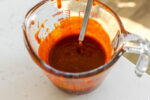
- Next, prepare your flavorful gochujang sauce by whisking together the gochujang, hoisin, fresh lime juice, olive oil, and minced garlic in a bowl.

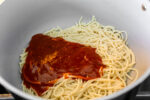
- Cook the rice noodles according to the package instructions until al dente. Drain them thoroughly and return them to the pot over medium heat. Pour the prepared gochujang sauce over the noodles and cook for about 2 minutes, tossing to coat evenly.

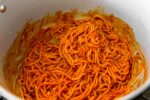
Tip: Cooking the pasta and sauce together over medium heat for just a minute or two is all you need to mellow the raw bite of fresh garlic and meld the flavors.

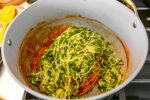
- Firmly squeeze the drained zucchini noodles to release any excess water (you’ll be surprised how much comes out!). Reserve this zucchini water for later. Add the squeezed zucchini noodles to the pot with the rice noodles and sauce, gently tossing until everything is well combined and coated.
- In a small bowl, whisk together some of the reserved zucchini water and the cornstarch to create a smooth slurry. This is a crucial step for achieving a thick, smooth sauce. Add the cornstarch slurry to the pot of noodles and cook for another minute or so, stirring constantly, until the sauce thickens to your desired consistency.
- Remove the pot from the heat. Stir in the pats of butter and a drizzle of toasted sesame oil until the butter has melted and the noodles are glossy and rich.

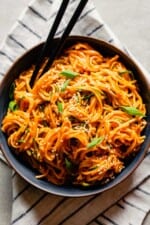
Test Kitchen Tips for Perfect Noodles
- For this gochujang noodle recipe, I typically use a mix of zucchini and rice noodles, but you can certainly use one or the other. If you prefer all rice noodles, aim for 14–16 ounces. If you choose to use all zucchini noodles, you’ll need 6–8 medium zucchini.
- Toasted sesame oil is distinct from regular sesame oil. For that deep, nutty flavor, be sure to seek out toasted sesame oil at your grocery store.
- If you’re following a gluten-free diet, always check the labels of both gochujang and hoisin sauce. While some brands are gluten-free, others are not.
Serving Ideas to Elevate Your Meal
Honestly, these noodles are so good, I often find myself eating them straight out of the pot with a fork! But when I’m feeling a bit more refined, I love to top each serving of these creamy gochujang noodles with a protein.
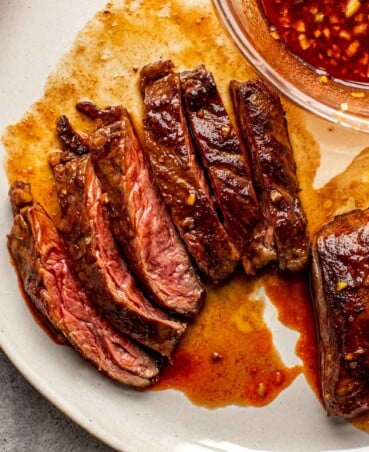
Crispy tofu strips or shredded tofu are fantastic options for a satisfying meatless meal. Pan-seared chicken breast is another personal favorite, and these noodles also make an excellent side dish for grilled meats, especially thinly sliced skirt steak.

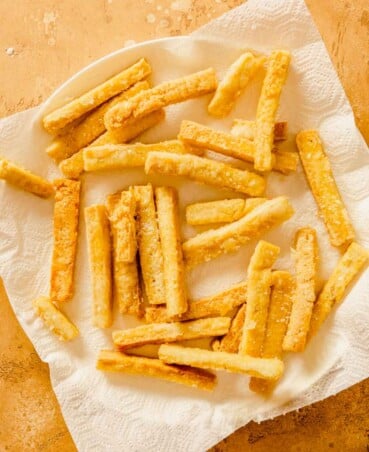
Tofu & Tempeh
How to Make Crispy Tofu

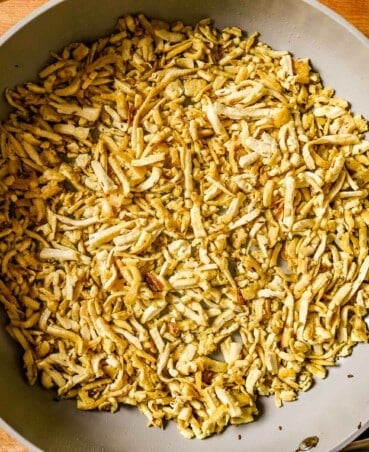
Tofu & Tempeh
Shredded Tofu

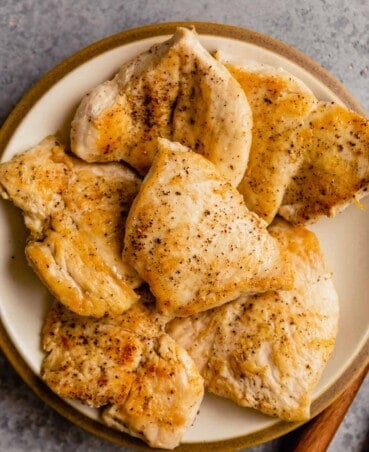
30-Minute Meal
Juicy Pan Seared Chicken Breast Recipe

Beef
Beef Skirt Steak Recipe

Storage and Reheating Tips
Store any leftover gochujang noodles in an airtight container in the refrigerator for up to four days. When reheating, gently warm them in the microwave on partial power until they are heated through and saucy again. You might need to add a splash of water to help loosen them up if they seem a bit stiff.
For longer storage, these noodles can be frozen for up to two months.
More Creative Ways to Use Gochujang
Gochujang is an incredibly versatile ingredient that I use in a wide variety of recipes. It’s the star of one of my favorite weeknight dinners, Sheetpan Korean Meatballs. Its sticky, slightly sweet quality also makes it perfect for glazes, like in this savory Korean Beef Stew with glazed short ribs.
You can also whip up a super quick and easy gochujang aioli by mixing it into mayo – it’s fantastic for all kinds of sandwiches, especially leftover meatloaf! And for a truly unexpected treat, try upgrading your homemade caramel corn with a hint of gochujang for a sweet and spicy kick!
Saucy Gochujang Noodles (Easy Korean Noodles)
Description
Video
Save This Recipe!
Ingredients
Instructions
-
Toss 3 spiralized zucchinis with 1 teaspoon salt in a strainer set over a bowl; let sit 15 minutes.
-
Meanwhile, whisk together ¼ cup gochujang, 3 tablespoons hoisin, 3 tablespoons lime juice, 3 tablespoons oil, and 1 teaspoon minced garlic.
-
Cook 8 ounces rice noodles according to package directions; drain and transfer back to pot over medium heat. Pour gochujang sauce over noodles and cook 2 minutes.
-
Squeeze zucchini noodles over a bowl to release excess liquid (when you think you’re done, squeeze a bit more), reserve liquid then transfer zucchini noodles to pot with rice noodles and sauce and gently toss to combine.
-
Whisk together ½ cup reserved zucchini water and 1 tablespoon cornstarch; pour into pan with noodles and cook until thickened and silky; about 1 minute. Off heat, stir in 2 tablespoons butter and 1 tablespoon toasted sesame oil.
-
Top with scallions and sesame seeds and serve immediately.
Equipment
Notes
Toasted sesame oil is not the same as regular sesame oil. Be sure to seek out toasted sesame oil at the store.
*Gochujang: if you’re gluten-free be sure to check the labels of gochujang. Some products are gluten-free, while others are not. Same goes with hoisin.
Storage: store leftovers in an airtight container in the refrigerator for up to 4 days.
Nutrition

Pin This Recipe
Love this recipe and want to save it? Pin this recipe!