Nothing quite compares to the comforting sensation of a hot, homemade bowl of soup. Whether you’re looking to nourish your body with a nutritious meal or simply crave the warmth of something wholesome and filling, chicken and vegetable soup hits all the right notes. It’s the perfect blend of lean protein, fresh vegetables, and savory broth, all in one bowl, ready to lift your spirits and satisfy your hunger.
If you’ve ever felt the urge to make a hearty, nutritious soup but weren’t sure where to start, this recipe will guide you step-by-step through the process of crafting a flavorful, homemade masterpiece. This dish not only provides the comfort you crave on chilly days but also delivers a healthy dose of vitamins, fiber, and protein. Plus, it’s incredibly versatile, allowing you to tailor every spoonful to your personal taste.
In this guide, we’ll break down how to create a delicious soup from scratch, explore the incredible health benefits of these fresh ingredients, and provide expert tips for customization. Let’s dive into the kitchen and learn how to create the ultimate comforting dish that you and your loved ones will enjoy time and time again.
Quick Answer: Chicken and vegetable soup is a nutrient-dense comfort meal made by sautéing aromatic vegetables like carrots, celery, and fennel, then simmering them with shredded chicken in a savory broth. It is a highly customizable, one-pot meal that provides a perfect balance of lean protein and essential vitamins.
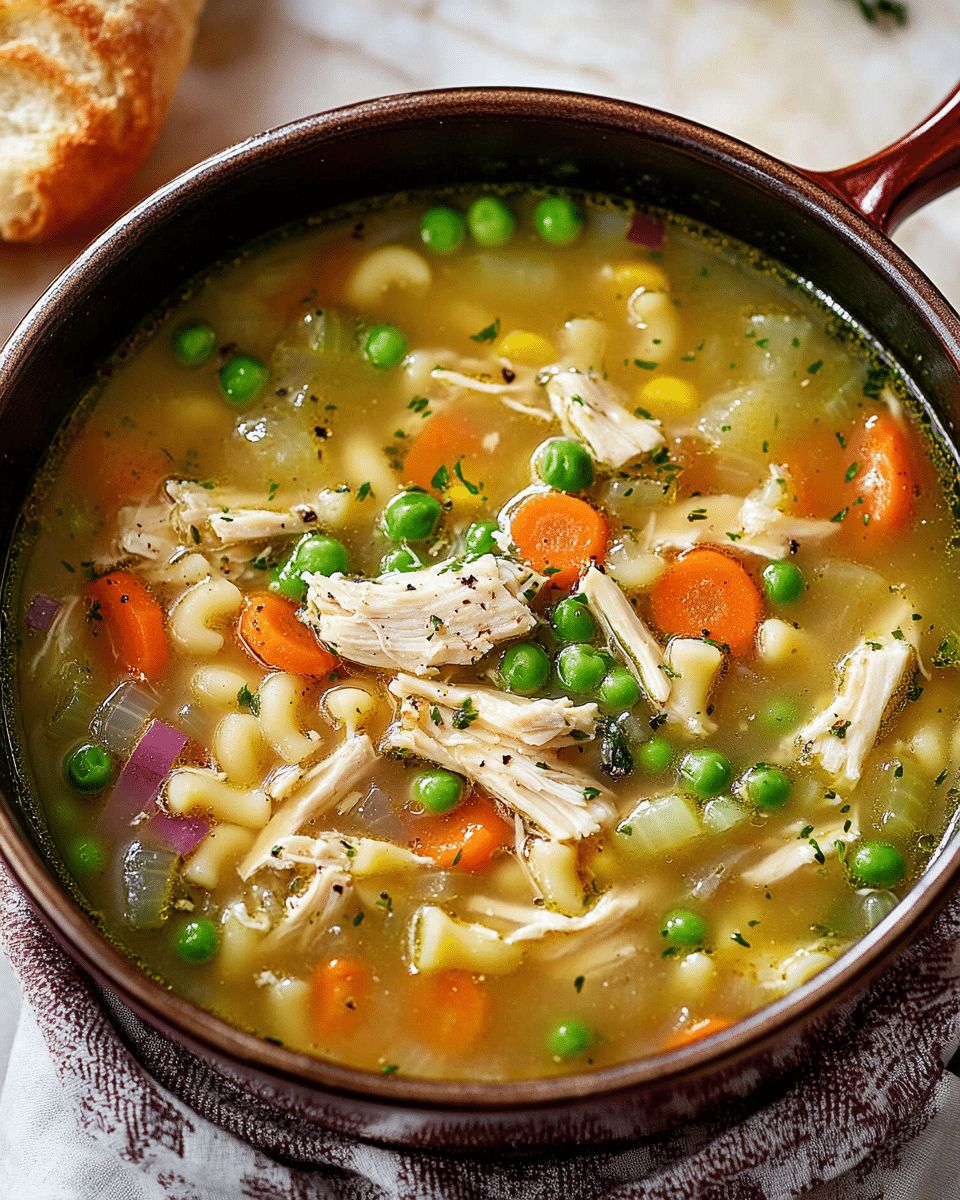
Why Chicken and Vegetable Soup Is the Perfect Comfort Food
There’s something deeply therapeutic about a bowl of soup. The act of spooning up hot liquid, full of layers of flavor and packed with healthy ingredients, is almost like being wrapped in a warm blanket. Beyond its delicious taste, this soup provides numerous health benefits while offering the unmistakable soothing quality of homemade food.
Health Benefits of Nutrient-Dense Soup
Chicken and vegetable soup is loaded with essential nutrients that your body needs to thrive. Chicken provides a lean source of protein, which helps with muscle repair, immune function, and overall energy levels. It’s also rich in B vitamins, which support metabolism and brain health.
The vegetables in the soup—such as carrots, celery, fennel, and peas—add vital fiber, antioxidants, and vitamins. These ingredients work together to promote digestive health, strengthen your immune system, and even improve skin health. Whether you’re recovering from a cold or simply maintaining a balanced diet, this soup is a powerhouse of wellness.
The Emotional Power of a Warm Bowl
There’s a strong emotional connection we have to certain foods, especially those tied to family traditions. Chicken soup has long been seen as a symbol of care. If you’ve ever had someone prepare a hot bowl for you when you were feeling down, you know the power this meal holds. It’s not just food; it’s a way to nourish your soul.
Essential Ingredients for Your Chicken and Vegetable Soup
To create a soup that is truly world-class, you must start with fresh, high-quality ingredients. This recipe balances the savory depth of shredded chicken with a vibrant array of aromatics and garden-fresh vegetables. Below is the master list of everything you will need to prepare this ultimate comfort meal.
| Ingredient Type | Item Name | Quantity/Details |
|---|---|---|
| Healthy Fat | Olive oil | 1 tablespoon |
| Aromatics | Celery ribs | 3 ribs, diced |
| Aromatics | Small red onion | 1 (approx. 4 ounces), diced |
| Aromatics | Fennel bulb | 1 (approx. 6 ounces), trimmed and diced |
| Root Veggies | Carrots | 3 large, sliced into half-moons |
| Flavor Boost | Garlic cloves | 6 cloves, minced |
| Protein | Shredded chicken | 4 cups, pre-cooked |
| Liquid Base | Chicken broth | 6 cups, low sodium |
| Grains | Dry elbow pasta | 6 ounces |
| Finishing Veg | Frozen peas | 1 cup |
| Acidity | Lemon juice | From 1 fresh lemon |
Why Quality Ingredients Matter
Using low-sodium chicken broth allows you to control the seasoning precisely, which is critical when you want to highlight the natural sweetness of the carrots and fennel. Additionally, using fresh minced garlic rather than the jarred variety ensures a sharp, aromatic bite that elevates the entire flavor profile of the broth.
Step-by-Step Cooking Guide: Mastering the Process
Cooking is as much about technique as it is about ingredients. By following these structured steps, you ensure that each vegetable is perfectly tender and that the chicken remains juicy throughout the process.
Step 1: Sautéing the Aromatic Base
The foundation of any great soup is the “sofrito” or aromatic base. Heat the olive oil over medium heat in a heavy-bottomed pot. Adding the celery, red onion, fennel, and carrots early allows their natural sugars to caramelize slightly. Seasoning with 1 to 2 teaspoons of kosher salt and black pepper at this stage draws out moisture and concentrates the flavors.
Step 2: Building the Flavorful Broth
Once the vegetables are soft (about 10 minutes), add the garlic for just one minute. Then, stir in the 4 cups of shredded chicken. When you pour in the broth, use a wooden spoon to scrape the bottom of the pot. This technique, known as deglazing, incorporates the browned bits (fond) into the soup for a deeper, more complex taste.

Step 3: The Simmering Secret
Bring the pot to a boil, then immediately reduce the heat. Simmering uncovered for 30 minutes is the “magic window” where the fibrous vegetables fully soften and the chicken absorbs the aromatic liquid. This is the best time to do a “taste test” and adjust your salt levels.
Step 4: Preparing the Perfect Pasta
To prevent the pasta from becoming mushy or soaking up all your delicious broth, cook it in a separate pot of salted water. Boil the elbow pasta for about 6 minutes (al dente). Draining it and adding it at the very end ensures it keeps its texture and the soup remains clear rather than starchy.
Step 5: The Final Touches and Service
The last five minutes are for the “bright” ingredients. Stir in the frozen peas and fresh lemon juice. The acidity of the lemon acts as a flavor enhancer, cutting through the richness of the chicken broth and making the vegetable flavors pop. Serve immediately in warm bowls.
Customizing Your Soup: Variations and Swaps
One of the reasons this recipe is a staple for many home cooks is its incredible flexibility. You can easily adapt the ingredient list based on what is in your pantry or the current season.
Recommended Vegetable Substitutions
Don’t feel restricted by the standard list. Aim for a total of 5 cups of mixed vegetables using these popular alternatives:
- Bell Peppers: Excellent for adding sweetness and vibrant red or yellow colors.
- Leafy Greens: Stir in a handful of fresh spinach or kale during the final 2 minutes of simmering.
- Summer Squash: Diced zucchini or yellow squash adds a mild, buttery texture.
- Sweet Potatoes: Perfect for a heartier, autumn-style version of this soup.
Protein and Grains Alternatives
If you don’t have chicken or elbow pasta on hand, try these variations to keep the meal exciting:
- Rotisserie Chicken: The ultimate time-saver; just shred and drop into the pot.
- Turkey: An excellent way to use up holiday leftovers.
- Rice or Quinoa: Swap the pasta for cooked grains to make a gluten-free version of this comfort classic.
- Alternative Pasta: Fusilli, farfalle, or ditalini work beautifully in this base.
Expert Pro-Tips for World-Class Soup
Pro-Tip: Never over-salt at the beginning. As the soup simmers and water evaporates, the saltiness will concentrate. Always do your final seasoning adjustment after the 30-minute simmer.
Storage and Meal Prep Advice
This soup is a dream for meal preppers. In fact, many people find it tastes better the next day as the ingredients continue to marinate in the broth. Follow these storage guidelines for the best results:
- Refrigeration: Store in an airtight container for up to 3 days.
- Freezing: This soup freezes perfectly for up to 3 months. Note: If you plan on freezing the soup, consider freezing it without the pasta and adding fresh pasta when you reheat it to avoid a mushy texture.
- Reheating: Gently heat on the stovetop over medium-low heat to avoid overcooking the vegetables.
Seasonal Adjustments for Year-Round Enjoyment
Tailor your soup to the calendar to get the most out of your local produce:
- Spring: Add fresh asparagus spears and leeks instead of onions.
- Summer: Focus on fresh tomatoes and green beans for a lighter, “garden” feel.
- Winter: Lean into root vegetables like parsnips and turnips for a thicker, more insulating meal.
By mastering this Chicken and Vegetable Soup, you are gaining a versatile tool for your culinary repertoire. It is more than just a recipe; it is a foundation for health, comfort, and creative expression in the kitchen.
You May Also Like
Explore more healthy recipes and comfort food guides: healthy soup recipes, chicken breast dinner ideas, easy one pot meals, and vegetable prep tips.
For more information on the nutritional profile of common ingredients, visit the USDA FoodData Central.
Frequently Asked Questions
Can I make this soup in a slow cooker or Crock-Pot?
Yes, you can easily adapt this for a slow cooker. Add all ingredients except for the pasta, peas, and lemon juice. Cook on low for 6-8 hours or high for 3-4 hours. Stir in the cooked pasta, frozen peas, and lemon juice just before serving to maintain the best texture.
How can I make this soup gluten-free?
To make a gluten-free version of this chicken and vegetable soup, simply swap the elbow pasta for a certified gluten-free pasta alternative, or replace the noodles entirely with white rice, brown rice, or diced potatoes. Ensure your chicken broth is also labeled gluten-free.
What is the best way to shred chicken for soup?
The easiest way to shred chicken is to use two forks to pull the meat apart while it is still warm. Alternatively, if you are using a stand mixer, you can place the warm cooked chicken in the bowl with the paddle attachment on low speed for about 30 seconds for perfectly shredded chicken every time.
Final Thoughts
Mastering a classic chicken and vegetable soup is a milestone for any home cook. It is a reliable, nutrient-dense recipe that provides genuine comfort during the colder months or whenever you need a wholesome boost. By focusing on fresh aromatics and the bright finish of lemon juice, you elevate a simple pantry staple into a world-class meal.
We hope this guide inspires you to get into the kitchen and start simmering. Remember, the best soups are those tailored to your own family’s preferences, so don’t be afraid to experiment with different seasonal vegetables and herbs. Enjoy the warmth and satisfaction in every single bite!