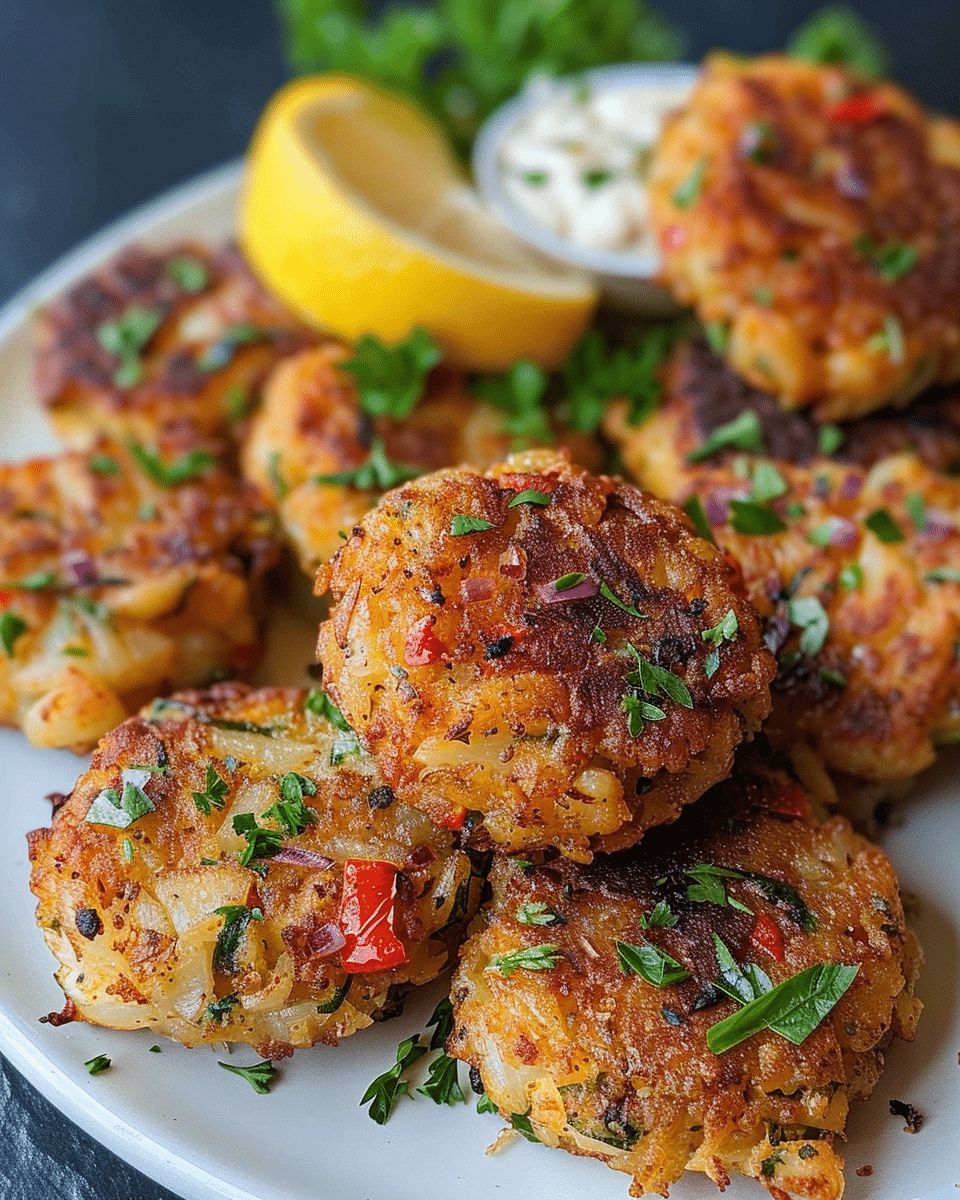
There is something undeniably luxurious about a perfectly prepared crab cake. Imagine a crispy, golden-brown crust that gives way to a tender, savory interior packed with sweet, succulent lump crab meat. Whether you are aiming to recreate the magic of coastal dining at home or looking for a show-stopping appetizer for your next dinner party, mastering the classic crab cake is a culinary rite of passage.
While many seafood dishes can feel intimidating, this Classic Crab Cakes recipe is designed for both simplicity and flavor. By balancing high-quality seafood with the right binders and a punch of Old Bay seasoning, you can achieve restaurant-quality results in your own kitchen. In this guide, we will walk you through the essential steps, from sautéing fresh aromatics to whisking up a zesty Lemon Aioli Dip that cuts through the richness of the crab perfectly.
Quick Answer: To make the best classic crab cakes, use fresh lump crab meat and minimal fillers. Sauté diced bell peppers and onions for depth, bind the mixture with egg and panko breadcrumbs, and chill the patties for at least 30 minutes before frying to ensure they hold their shape and achieve a perfect golden crunch.
Essential Ingredients for the Perfect Classic Crab Cake
Creating a restaurant-quality crab cake at home starts with the quality of your components. Because crab is a delicate protein, every other ingredient in this recipe is designed to enhance—not mask—the natural sweetness of the seafood. Using a combination of savory aromatics, traditional seasonings, and the right textural binders ensures a result that is both light and satisfying.
The Star Component: Lump Crab Meat
For the best results, always opt for fresh lump crab meat. Lump crab consists of large pieces of meat from the body of the crab. While “Colossal” or “Jumbo” lump is the highest grade, standard lump provides a fantastic balance of flavor and affordability. Avoid “claw meat” for this specific recipe, as it has a much stronger, darker flavor that can overwhelm the delicate balance we are aiming for. Most importantly, never use imitation crab (surimi), as the texture and flavor will not hold up to frying.
Complete Ingredients List
Below is the detailed breakdown of everything you will need to prepare 15 classic crab cakes and the accompanying Lemon Aioli Dip.
| Category | Ingredient | Amount |
|---|---|---|
| Seafood | Lump Crab Meat | 1 lb |
| Aromatics | Red Bell Pepper (finely diced) | 1/2 cup |
| Aromatics | Medium Onion (finely diced) | 1 unit |
| Binders | Large Eggs | 2 units |
| Binders | Panko Breadcrumbs | 1/2 cup |
| Binders | Mayonnaise | 3 Tbsp |
| Seasoning | Old Bay or Cajun Seasoning | 1 tsp |
| Seasoning | Worcestershire Sauce | 1 tsp |
| Seasoning | Garlic Salt & Black Pepper | 1/2 tsp each |
| Frying | Olive Oil & Unsalted Butter | As needed |
Step-by-Step Preparation Guide
The secret to a crab cake that doesn’t fall apart in the pan lies in the technique. Following these steps in order will ensure that your aromatics are properly cooked and your binders have time to set, resulting in a cohesive patty with a shatteringly crisp exterior.
1. Sautéing the Aromatics
Raw peppers and onions contain a lot of moisture which can make your crab cakes soggy. By sautéing them first, you intensify their flavor and remove excess water. Heat 1 tablespoon of olive oil over medium heat and cook the diced peppers and onions for about 5 minutes until soft. Critical Tip: Allow these to cool completely before adding them to the crab mixture to prevent the eggs from curdling.
2. Preparing the Flavor Base
In a large bowl, whisk together the eggs, mayonnaise, Worcestershire sauce, Old Bay, garlic salt, and black pepper. This creates a “custard” that will coat every piece of crab meat. Using mayonnaise as a binder is a classic Maryland technique that keeps the interior incredibly moist even after frying.
3. Incorporating the Crab and Breadcrumbs
This is the most delicate step. Gently fold in the lump crab meat, the cooled vegetables, the panko breadcrumbs, and fresh parsley. Use a spatula and a “folding” motion rather than stirring vigorously. You want to keep those large lumps of crab intact so that diners can actually see and taste the seafood.
Pro Tip: If the mixture feels too wet to form into a ball, add an extra tablespoon of panko. However, remember that the mixture will firm up significantly during the chilling process.
4. The Chilling Phase
Do not skip this step! Refrigerate the mixture for at least 30 minutes. This allows the panko breadcrumbs to hydrate and the binders to firm up. A chilled mixture is much easier to shape into uniform patties and is less likely to break apart when flipped in the skillet.
Cooking and Serving for Professional Results
Frying crab cakes requires a balance of fat and heat. A combination of olive oil and butter is ideal; the oil provides a high smoke point, while the butter adds that unmistakable rich, nutty flavor and aids in browning.
Mastering the Golden Crust
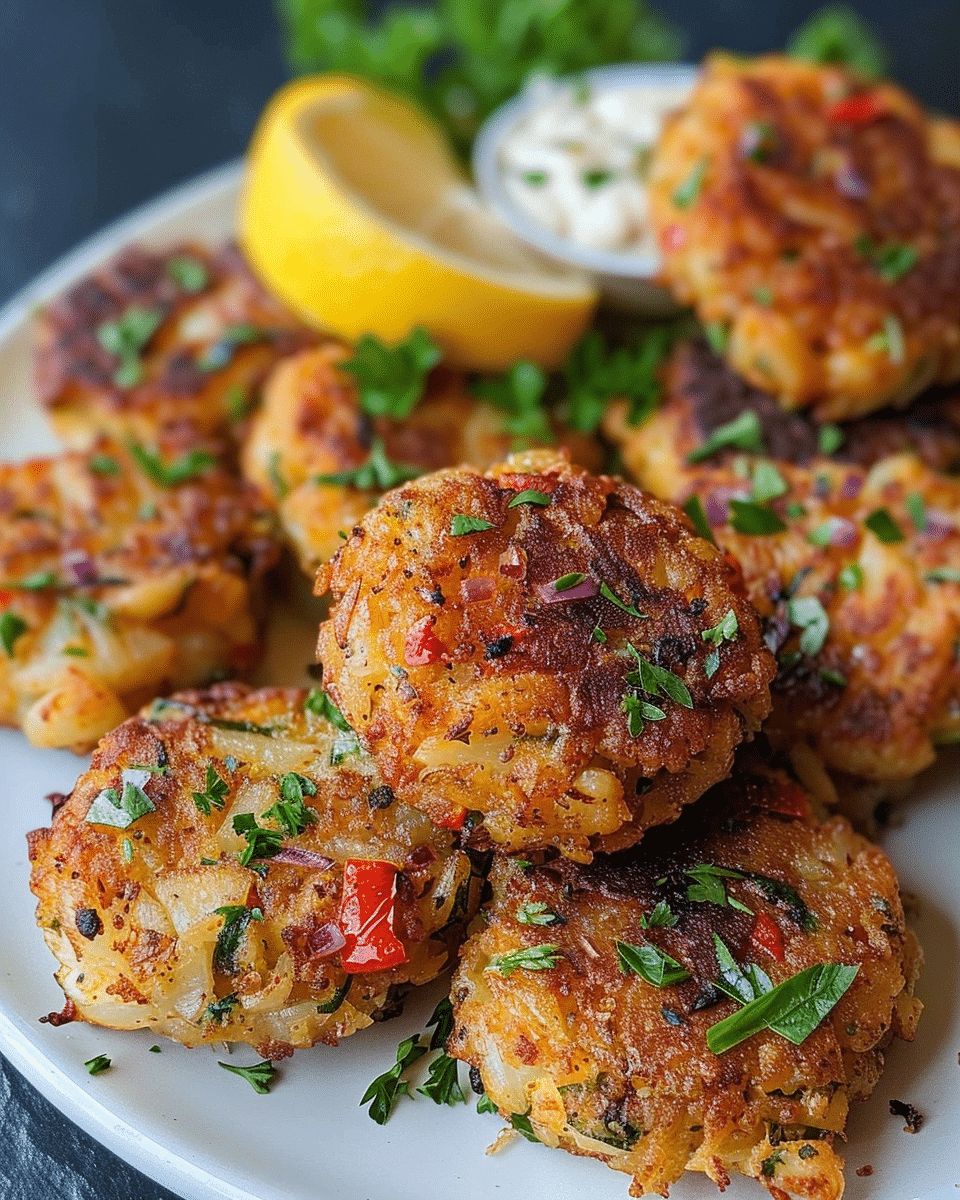
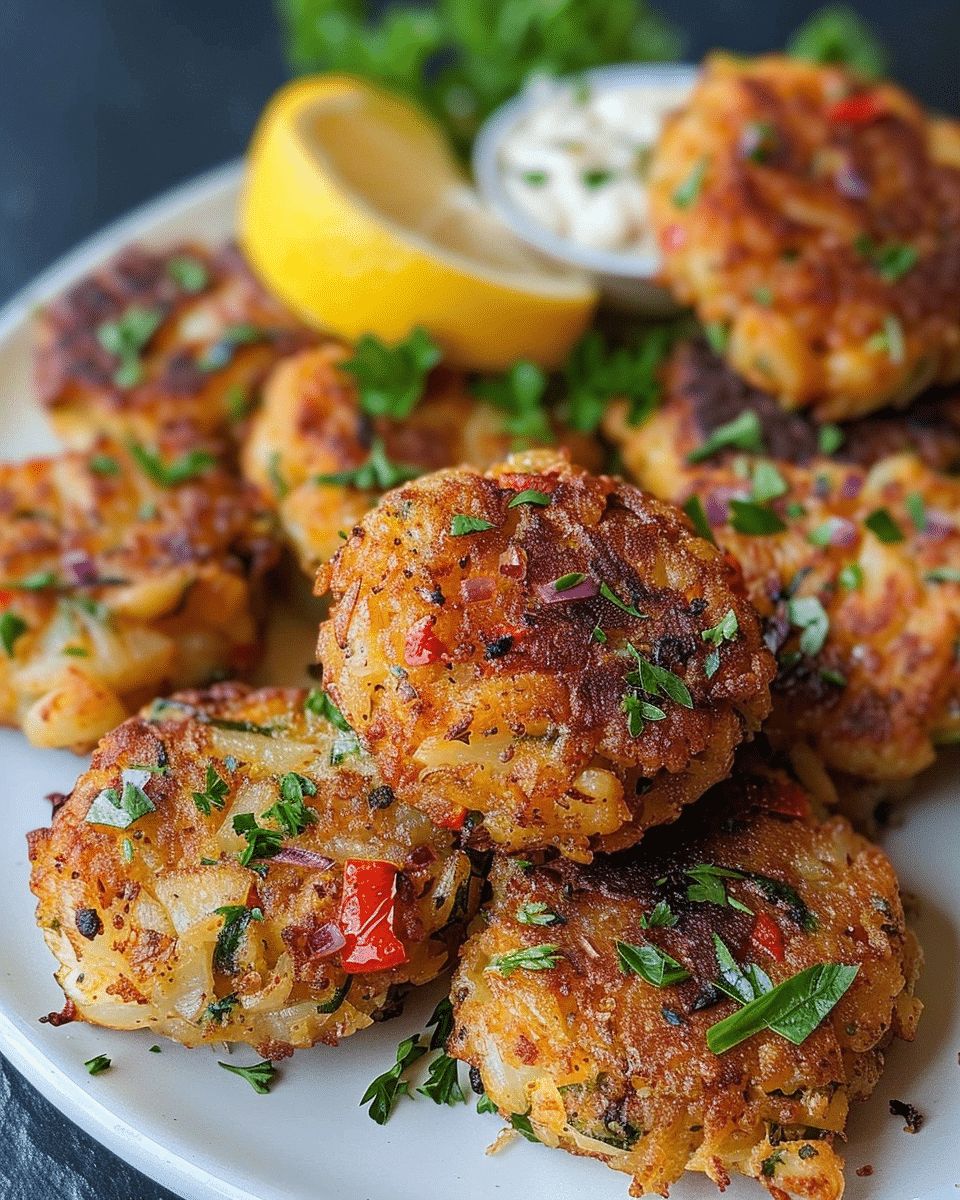
Form the chilled mixture into 15 small patties. Heat the oil and butter in a large skillet over medium heat. Fry the cakes in batches to avoid crowding the pan, which would lower the temperature and lead to greasy results. Cook for 4 to 5 minutes per side until they reach a deep golden brown. If they are browning too quickly, lower the heat slightly.
Zesty Lemon Aioli Dip
While the crab cakes are frying, prepare the dipping sauce. This aioli is the perfect acidic counterpoint to the rich, fried seafood. Simply combine the following:
- 1/2 cup Mayonnaise
- 1 tsp Lemon Zest
- 2 Tbsp Fresh Lemon Juice
- 1 Clove Garlic (pressed or finely minced)
Perfect Pairings for a Complete Meal
While crab cakes are often served as an appetizer, they make a fantastic main course when paired with the right sides. Consider these options for a well-rounded seafood dinner:
- Light Greens: An arugula salad with a lemon-tarragon vinaigrette.
- Classic Crunch: A vinegar-based coleslaw to provide a crisp texture.
- Roasted Sides: Charred asparagus or garlic-butter roasted fingerling potatoes.
- Starch: A side of wild rice pilaf or even a toasted brioche bun to turn these into gourmet sliders.
Advanced Tips and Troubleshooting
Even for experienced cooks, seafood can be temperamental. Here is how to handle common issues and elevate your dish to the next level.
How to Prevent Falling Apart
If your crab cakes are crumbling, it is usually due to one of three things: not enough binder, not enough chilling time, or flipping too early. Ensure you let the first side develop a solid crust before attempting to flip. Once the proteins in the egg have set and the panko has browned, the cake will be much more structural.
Storage and Reheating Instructions
| Method | Duration | Instructions |
|---|---|---|
| Refrigeration | 2 Days | Store in an airtight container with parchment paper between layers. |
| Freezing | 3 Months | Flash freeze on a tray before transferring to a vacuum-sealed bag. |
| Reheating | N/A | Use a 350°F oven or a skillet. Avoid the microwave to maintain crispness. |
By following these professional guidelines, you will produce crab cakes that are consistently delicious, visually stunning, and full of authentic seafood flavor. Whether it’s a weeknight treat or a holiday celebration, these Classic Crab Cakes are guaranteed to be the star of the table.
You May Also Like
Explore more delicious ideas and techniques: seafood dinner recipes, easy party appetizers, homemade dipping sauces, and 30-minute meals.
For more information on the different varieties of edible crab and their culinary uses, visit: Wikipedia – Crab as Food
Frequently Asked Questions
Can I make these crab cakes ahead of time?
Yes, you can prepare the crab mixture and form the patties up to 24 hours in advance. Keep them covered in the refrigerator until you are ready to fry. This actually helps the flavors meld and ensures the cakes stay together during the cooking process.
What is the best way to reheat leftover crab cakes?
To maintain that signature crispy texture, reheat leftovers in a skillet over medium heat with a tiny bit of butter or in an air fryer at 350°F for 3-5 minutes. Avoid using the microwave, as it will make the breadcrumbs soggy and can give the crab a rubbery texture.
What can I use instead of Old Bay seasoning?
If you don’t have Old Bay on hand, you can use Cajun seasoning for a spicier kick. Alternatively, a blend of celery salt, paprika, black pepper, and a pinch of cayenne pepper can serve as a suitable DIY substitute to achieve that classic coastal flavor profile.
Final Thoughts
Mastering the Classic Crab Cake is all about respecting the main ingredient. By using high-quality lump crab meat, minimal fillers, and allowing the mixture time to chill, you can bring the sophisticated flavors of a high-end seafood restaurant right into your home kitchen. Whether you serve them as elegant appetizers or the centerpiece of a summer dinner, they are always a crowd-pleaser.
Don’t forget that the Lemon Aioli Dip is just as important as the cakes themselves—the bright acidity is what truly makes the sweet crab flavor sing. Gather your ingredients, follow these steps, and enjoy a meal that is as rewarding to make as it is to eat. Happy cooking!