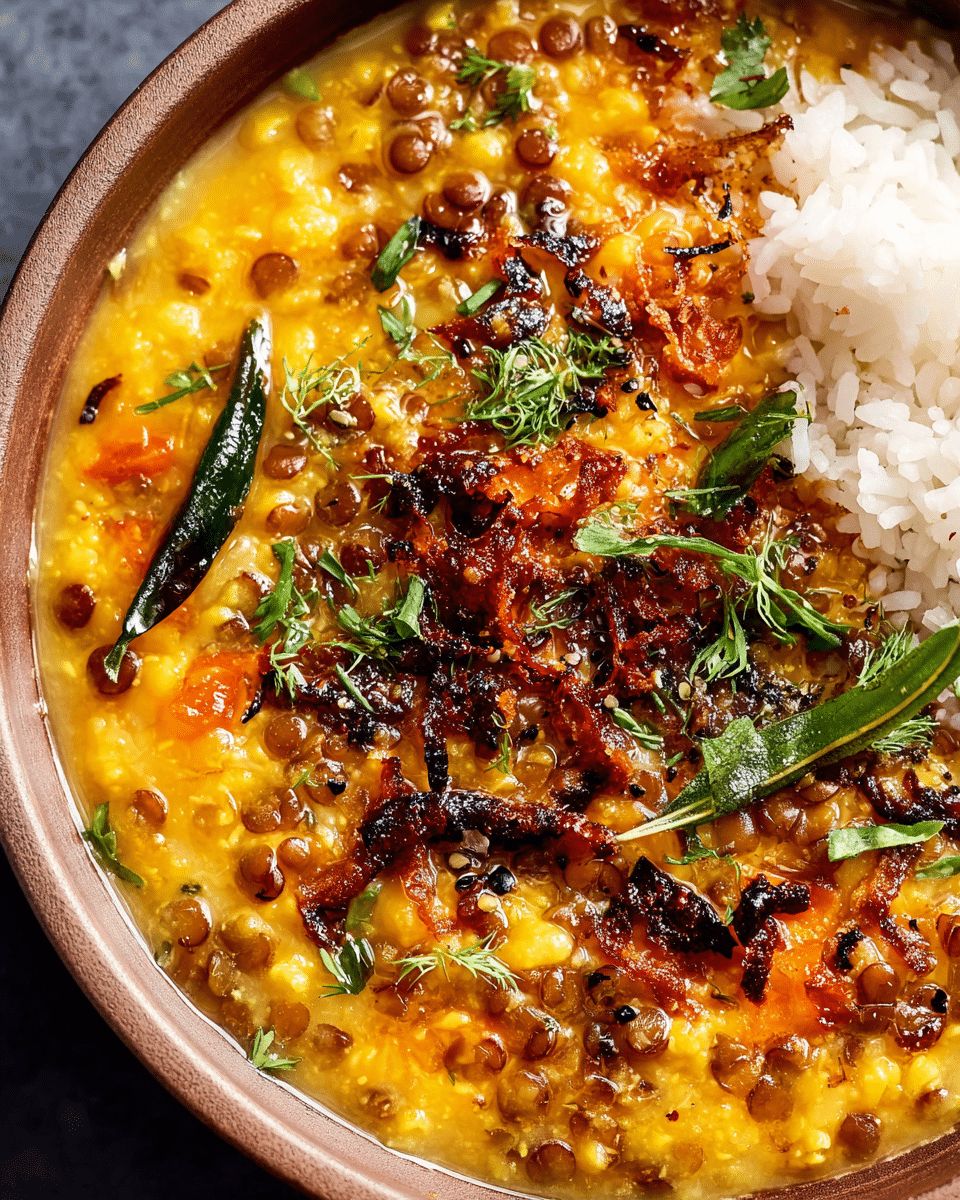
There’s something deeply satisfying about a bowl of warm, home-cooked dal. The aroma of spices wafting through your kitchen, the comforting texture of perfectly cooked lentils, and the subtle heat that warms you from within—it’s a meal that connects you to tradition, nourishment, and simple joy. You might think making restaurant-quality dal at home is complicated, but with the right method and attention to tempering, you can transform humble lentils into a dish that’s both comforting and flavorful.
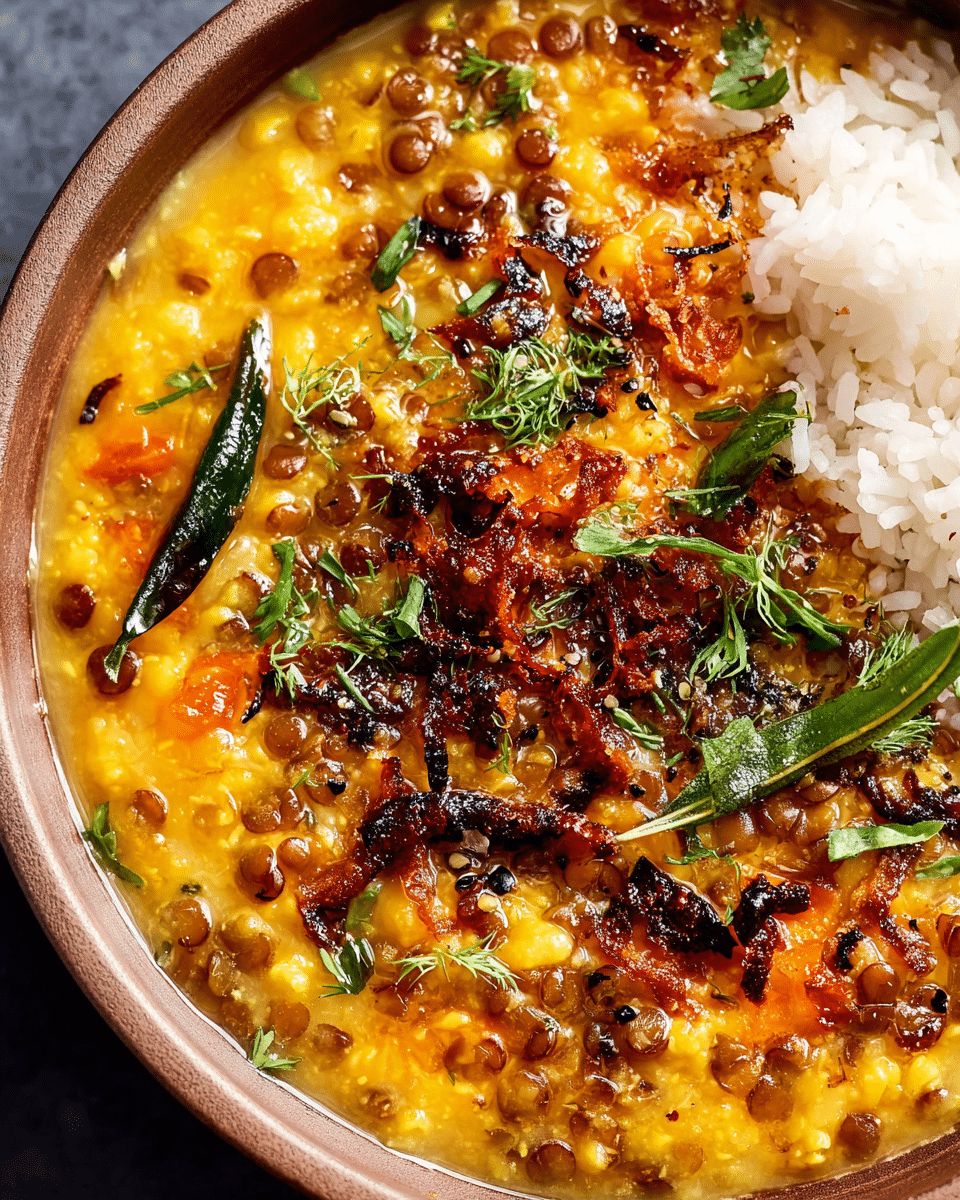
In this guide, you’ll learn how to cook lentils perfectly, master the art of tempering spices, and create a dal that’s bursting with aroma and flavor. By combining red lentils (masoor dal) with yellow lentils (moong dal), we achieve a texture that is simultaneously creamy and hearty. This Comforting Two-Lentil Dal with Aromatic Tempering will quickly become your go-to for cozy evenings, weeknight dinners, or anytime you need a nourishing pick-me-up.
Quick Answer: This Two-Lentil Dal uses a blend of Masoor and Moong dal for a perfect creamy-yet-hearty texture. The secret to its deep flavor lies in a “double tempering” technique—infusing hot oil with freshly crushed cumin and black pepper both during and after the cooking process to maximize aroma and depth.
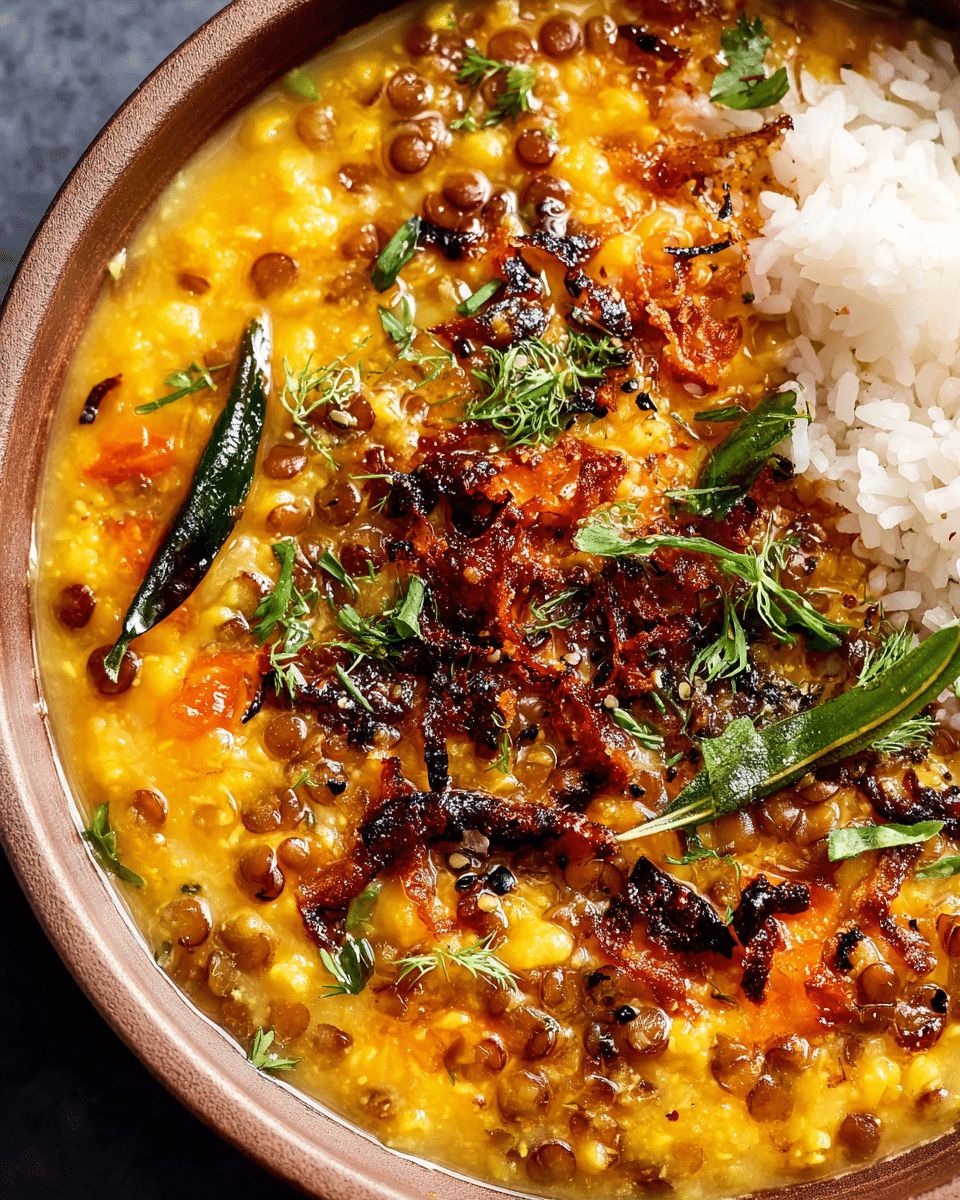
The Secret Behind the Perfect Comforting Two-Lentil Dal
There is a reason why dal is considered the ultimate comfort food in millions of households. It is humble, inexpensive, and yet profoundly nourishing. What sets this specific recipe apart is the strategic combination of two distinct pulses. By blending red lentils (masoor dal) and yellow lentils (moong dal), we achieve a culinary synergy where one lentil provides structural heartiness while the other melts into a velvety, creamy base.
In the world of professional cooking, this dish relies on the technique of tempering—known as tadka or chhonk. This process involves blooming spices in hot fat to unlock their fat-soluble essential oils, creating a multi-dimensional flavor profile that simple boiling cannot achieve. Whether you are a seasoned home cook or a beginner, mastering this recipe will elevate your plant-based cooking repertoire.
Key Benefits of This Recipe
- Protein Powerhouse: Provides a significant amount of plant-based protein per serving.
- Digestive Friendly: Red and yellow lentils are the easiest pulses to digest compared to heavier beans.
- Time-Efficient: These specific lentils do not require hours of soaking and cook quickly.
- Pantry Staples: Uses ingredients that most home cooks already have in their kitchen.
Essential Ingredients for Your Dal
To create a truly world-class dal, the quality and preparation of your ingredients matter. Below is a detailed breakdown of what you will need to gather before you start the cooking process.
The Lentil Base
| Ingredient | Quantity | Pro Tip |
|---|---|---|
| Red Lentils (Masoor Dal) | ½ Cup | Rinse until the water runs clear to prevent cloudiness. |
| Yellow Lentils (Moong Dal) | ½ Cup | Adds a buttery sweetness and smooth texture. |
| Fresh Tomato | 1 Large (Chopped) | Provides acidity to balance the earthy lentils. |
| Dried Fenugreek (Kasuri Methi) | ½ tsp | Optional, but adds a signature “restaurant” aroma. |
| Water | 3 Cups | Adjust based on your desired thickness. |
Aromatic Tempering Components
The tempering is divided into two stages to ensure that the flavors are both cooked into the dal and sit fresh on top of the dish as a final aromatic note.
- Whole Spices: Cumin seeds and black peppercorns, coarsely crushed.
- Aromatics: Finely chopped onion, minced garlic cloves, and fresh ginger.
- Heat: Half a hot green chili (serrano or bird’s eye) and Garam Masala.
- Herbs: Fresh curry leaves and cilantro for garnishing.
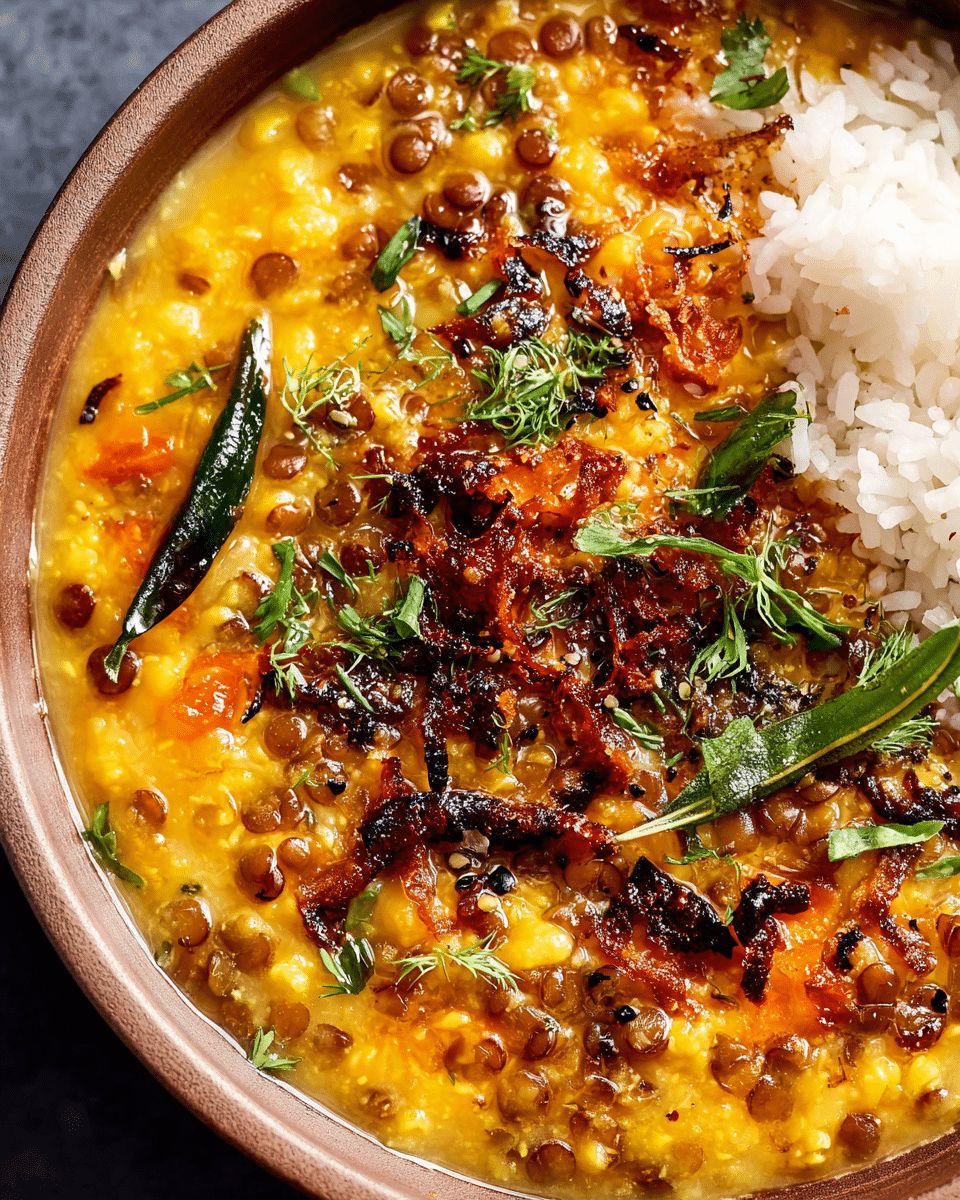
Step-by-Step Cooking Guide
Follow these precise steps to ensure your lentils are cooked to the perfect consistency—soft enough to be creamy, but with enough texture to remain satisfying.
Step 1: Preparing the Lentil Foundation
You have two main options for cooking your lentils, depending on the equipment available in your kitchen. Both methods result in a delicious base.
- Instant Pot Method: This is the fastest way. Add the rinsed lentils, chopped tomato, salt, fenugreek, and water. Seal the lid and pressure cook on High for 7 minutes. Allow a natural pressure release (NPR) for 10 minutes. This ensures the lentils finish cooking in the residual steam without becoming watery.
- Stovetop Method: In a heavy-bottomed saucepan, combine the same ingredients. Bring to a boil, then reduce to a simmer. Cook partially covered for about 20-25 minutes. Skim off any foam that rises to the top during the initial boil for a cleaner flavor.
Expert Tip: If your lentils look too thick after cooking, whisk them slightly with a fork to break them down further, then add a splash of hot water to reach your preferred consistency.
Step 2: Mastering the First Tempering
This stage builds the “body” of the flavor. By caramelizing the onions and blooming the garlic, you create a savory base that integrates deeply with the lentils.
- Heat 2 teaspoons of oil (or ghee for a richer taste) in a skillet over medium heat.
- Add half of your crushed cumin and pepper. When they sizzle, add the onions.
- Cook the onions for 5–7 minutes. The goal is a light golden brown—this adds a natural sweetness.
- Stir in the ginger, garlic, and chili. Cook for another 3 minutes until the raw smell of garlic disappears.
- Add the Garam Masala and curry leaves last, stirring for only 30 seconds to avoid burning the delicate spices.
Step 3: The Finishing Touch (Second Tempering)
The second tempering is a “flash” infusion. It provides the immediate aroma that hits your senses the moment the dish is placed on the table.
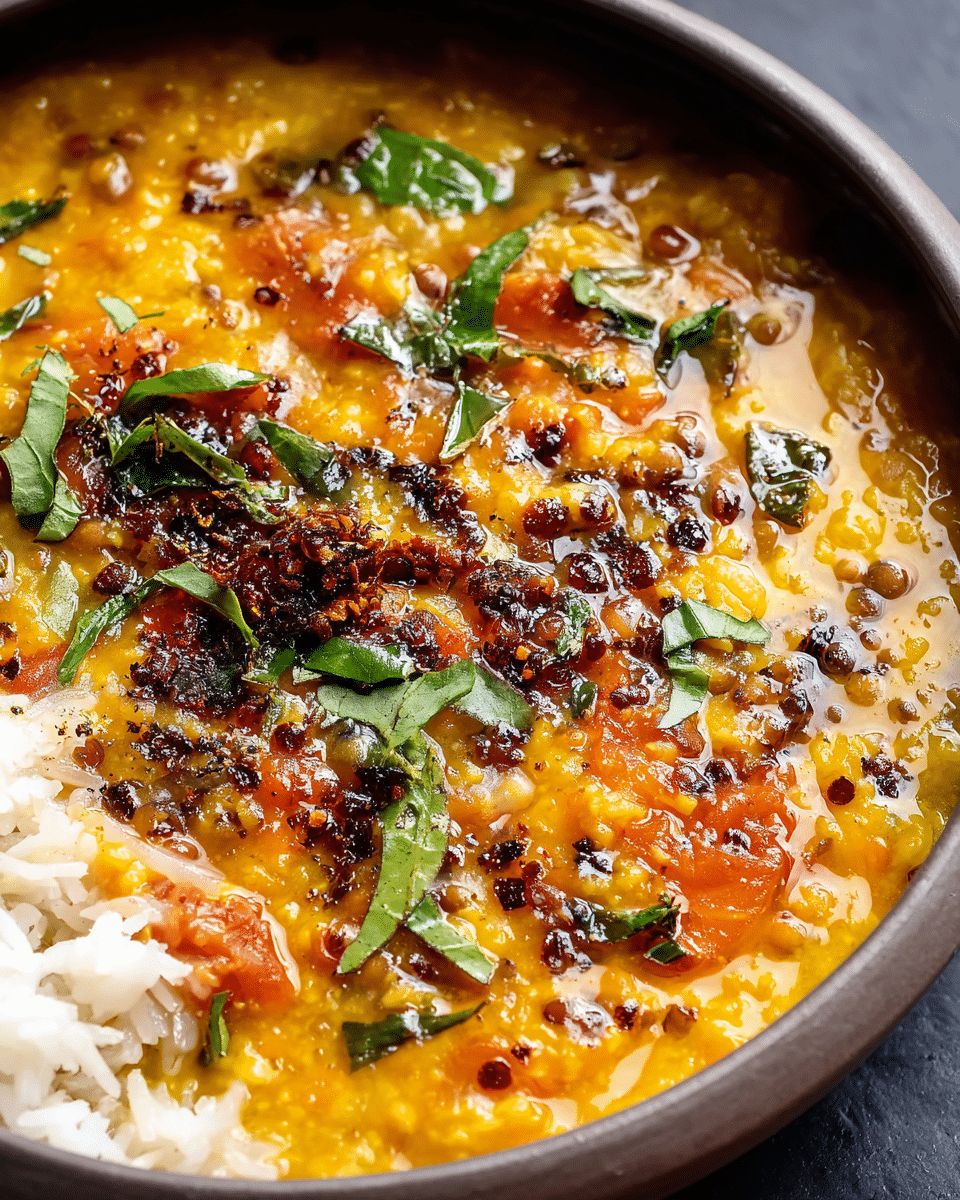
In a very small pan (or a large spoon), heat 1 teaspoon of oil. Add the remaining half of the crushed cumin and peppercorns. Once they become fragrant and start to dance in the oil, pour the entire mixture—oil and all—directly over the dal. Do not stir it in completely; let it sit on the surface for a beautiful presentation.
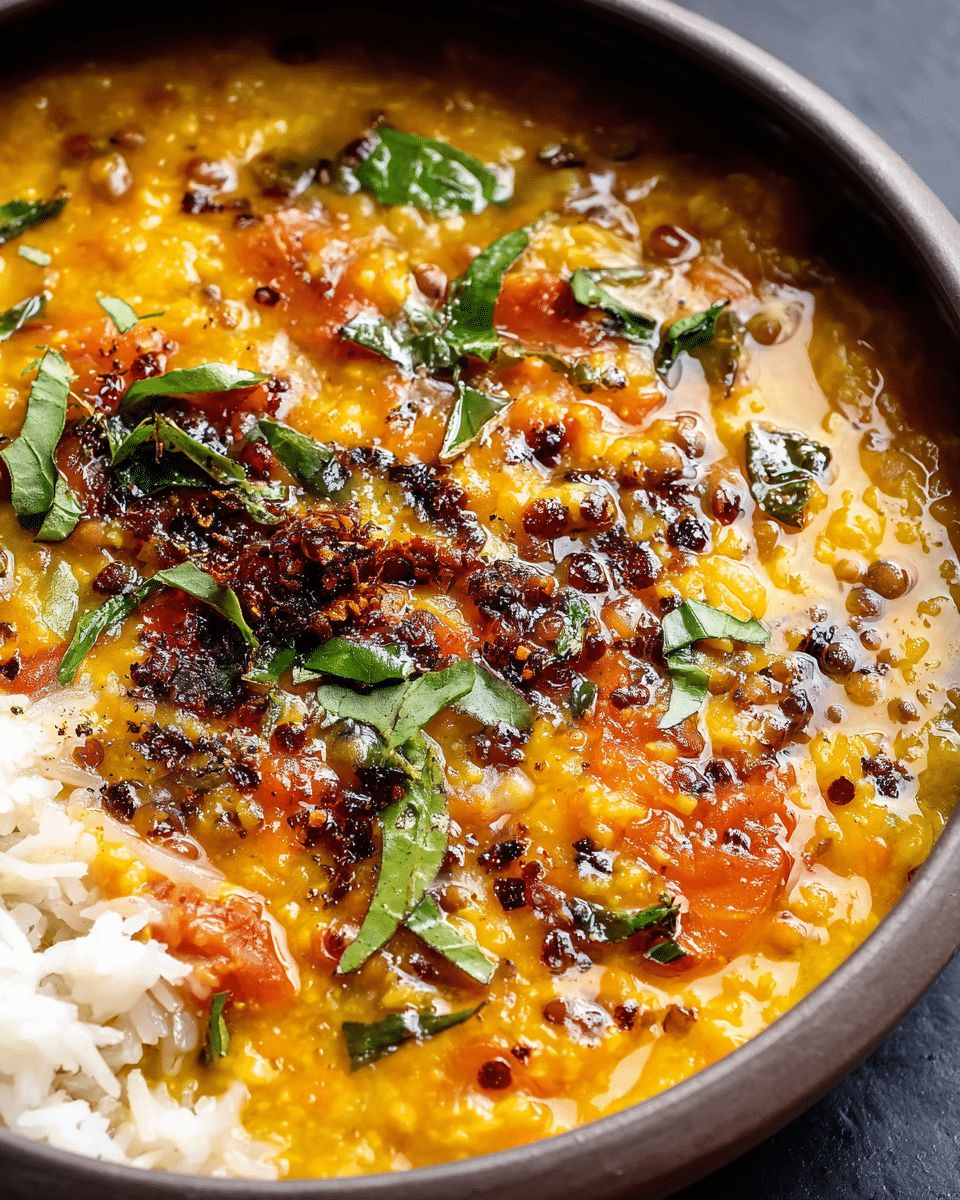
Optimizing Your Dal: Pro Tips and Variations
As a world-class content stylist, I recommend customizing your dal to fit your specific dietary needs or flavor preferences. Use the following guide to tweak the recipe.
Serving and Styling Suggestions
- The Perfect Garnish: Always use fresh cilantro and a generous squeeze of lemon juice. The acid in the lemon “wakes up” the earthy flavors of the lentils.
- Creamy Variation: For a vegan “Dal Bukhara” style, stir in 2 tablespoons of coconut milk at the very end.
- Vegetable Boost: Stir in a handful of fresh baby spinach during the last 2 minutes of cooking. The residual heat will wilt the spinach perfectly without overcooking it.
Nutritional Comparison: Lentils vs. Other Proteins
| Protein Source (100g) | Protein Content | Fiber Content | Fat Content |
|---|---|---|---|
| Two-Lentil Dal Mix | 9g – 14g | 8g – 12g | 0.5g – 5g (with oil) |
| Chicken Breast | 31g | 0g | 3.6g |
| Tofu (Firm) | 8g | 0.3g | 4.8g |
Frequently Asked Questions
Why are my lentils still crunchy?
Lentils may stay crunchy if they are old or if you added an acidic ingredient (like lemon juice or too many tomatoes) too early in the boiling process. Acid can toughen the skin of the pulse. Always ensure your lentils are fresh and add citrus only at the end.
Can I freeze this dal?
Yes! Dal freezes exceptionally well. Store it in an airtight container for up to 3 months. When reheating, you may need to add a little water as lentils continue to absorb liquid even after they are cooked.
Key Insight: For the best flavor, let the dal sit for 10-15 minutes after the final tempering before serving. This allows the spices to fully penetrate the heart of the lentils.
You May Also Like
Explore more healthy recipes and kitchen techniques: vegan dinner ideas, guide to indian spices, healthy lentil recipes, and vegetarian meal prep tips.
For more information on the nutritional profile and history of these legumes, visit: Wikipedia: Dal
Frequently Asked Questions
Can I substitute the moong dal with another variety?
Yes. If you cannot find petite yellow lentils (moong dal), you can use 100% red lentils (masoor dal). The flavor will remain similar, though the texture will be slightly more uniform and less “buttery” than the two-lentil blend.
Is this recipe suitable for a gluten-free diet?
Absolutely! This Two-Lentil Dal is naturally gluten-free and vegan. Just ensure that your spices, particularly Garam Masala, are certified gluten-free as some store-bought blends may contain anti-caking agents derived from wheat.
Why is the “tempering” step done twice?
The first tempering cooks the aromatics (onions, garlic, ginger) into the base to create depth. The second tempering, added just before serving, uses high heat to bloom the spices, ensuring the aromatic oils are fresh and potent when the dish hits the table.
Final Thoughts
Mastering the Comforting Two-Lentil Dal with Aromatic Tempering is a gateway to understanding the balance of texture and spice in plant-based cooking. By utilizing the double-tempering technique and the synergy of masoor and moong dals, you transform basic pantry staples into a world-class meal that is as nutritious as it is delicious.
Whether you are looking for a quick weeknight dinner or a soothing meal to share with loved ones, this dal provides the perfect blend of warmth and wellness. We encourage you to experiment with additional garnishes like fresh chilies or a swirl of coconut cream to make this recipe truly your own.