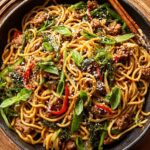
Ever find yourself staring at your takeout menu again, knowing you’re just a few clicks away from that crispy, savory chicken chow mein you love? But your wallet disagrees, or maybe you’re trying to make healthier choices. Here’s the truth: you don’t need to depend on a restaurant to enjoy those bold, delicious flavors. You can whip up a fresh, flavorful, and comforting chicken chow mein right in your own kitchen—in under 30 minutes.
This recipe is for you if you’re craving that savory stir-fried noodle dish without the added grease, cost, or waiting time. It’s a one-pan wonder that delivers big flavor, crisp-tender veggies, and juicy slices of marinated chicken—all tossed in a sweet-savory sauce that sticks just right to your noodles.
Quick Answer: Chicken Chow Mein is a traditional Cantonese stir-fried noodle dish. By using fresh ingredients like cabbage, carrots, and bean sprouts combined with a simple cornstarch-based umami sauce, you can create a restaurant-quality meal at home that is faster, cheaper, and healthier than delivery.
What Is Chicken Chow Mein?
A Classic Chinese-American Comfort Dish
You might’ve ordered chow mein a hundred times, but what exactly is it? Chow mein literally translates to “stir-fried noodles” in Cantonese. It’s a dish where noodles are the undisputed star, tossed together with meat, vegetables, and a glossy, umami-rich sauce.
While it’s popular all over the world, especially in Chinese-American takeout joints, chow mein has its roots in Cantonese cuisine. Depending on where you are, it can come with crispy noodles or soft ones. In this version, you’re going for that irresistible tender chew—not too soft, and definitely not too crunchy.
You’re also getting a versatile base that welcomes whatever veggies or protein you have in your fridge. Today, you’re keeping it classic with chicken, cabbage, carrots, and bean sprouts for that authentic texture and flavor profile.

Essential Ingredients for Your Homemade Chicken Chow Mein
The secret to a World-Class Chicken Chow Mein lies in the balance between fresh produce and a pantry-stable sauce. While takeout versions often rely on heavy oils and MSG for flavor, this homemade version uses high-quality aromatics and a specific combination of umami-rich liquids to achieve a superior result. To master this dish, you must first understand the role each ingredient plays in the wok.
The Main Components
Each ingredient in this list serves a texture-driven purpose. The chicken provides lean protein, the cabbage adds bulk and a subtle sweetness when seared, and the bean sprouts offer that iconic “snap” that distinguishes a fresh stir-fry from a mediocre one.
| Ingredient | Measurement | Pro-Tip for Success |
|---|---|---|
| Chicken breast/thigh | 6 oz | Slice against the grain for maximum tenderness. |
| Green cabbage | 4 cups | Shred finely to ensure it wilts quickly without becoming mushy. |
| Chow mein noodles | 6 oz | Look for “precooked” or “steamed” egg noodles in the refrigerated section. |
| Carrot | 1 medium | Julienne into matchsticks so they cook at the same rate as the cabbage. |
| Bean sprouts | 1.5 cups | Always add these last to preserve their structural integrity. |
| Green onions | 3 stalks | Separate the whites (for sautéing) from the greens (for garnish). |
| Garlic cloves | 2 cloves | Mince fresh; pre-peeled garlic lacks the essential oils needed for high heat. |
| Peanut oil | 1.5 tbsp | High smoke point is critical; avoid extra virgin olive oil for this recipe. |

Crafting the Signature Chow Mein Sauce
The sauce is the soul of the dish. It shouldn’t be a soup; rather, it should act as a glossy glaze that clings to every strand of noodle. We use cornstarch as a thickening agent to ensure that when the sauce hits the hot wok, it transforms instantly into a savory coating.
| Sauce Ingredient | Amount | Flavor Profile |
|---|---|---|
| Cornstarch | 2 tsp | Thickening agent and texture builder. |
| Soy sauce | 1.5 tbsp | Provides the primary salt and deep “umami” base. |
| Oyster sauce | 1.5 tbsp | Adds a rich, savory-sweet complexity (use Hoisin for vegetarian). |
| Sugar | 2 tsp | Balances the saltiness of the soy and oyster sauces. |
| Sesame oil | 0.5 tsp | Adds a toasted, nutty aroma to the finished dish. |
| White pepper | Pinch | Traditional Chinese heat; sharper and more floral than black pepper. |
Pro Insight: If you want to take your chicken to the next level, use a technique called “velveting.” Adding a tiny bit of cornstarch and oil to the chicken while it marinates creates a protective barrier that keeps the meat incredibly juicy even under intense stir-fry heat.
Step-by-Step Instructions: Mastering the Wok
Stir-frying is a fast-paced culinary art. Once the heat is on, you won’t have time to chop or measure. This is why Mise en Place—having everything in its place—is non-negotiable for a successful Chicken Chow Mein.
- Whisk the Glaze: In a small bowl, combine your cornstarch and soy sauce first. Stir until no lumps remain. Add the oyster sauce, sugar, sesame oil, and white pepper. Set this aside near your stove.
- The Flavor Infusion (Marination): Take one tablespoon of your prepared sauce and toss it with your sliced chicken. Let it rest for 10 minutes. This ensures the flavor penetrates the meat rather than just sitting on the surface.
- Prepare the Noodle Base: If using dried noodles, boil them until they are just al dente. They will continue cooking in the wok, so err on the side of firm. Drain them thoroughly—excess water is the enemy of a good stir-fry.
- The Sizzle Factor: Place your wok or heavy skillet over the highest heat setting your stove allows. Add the peanut oil and swirl to coat. Toss in the minced garlic. You only need 10 seconds here; as soon as the aroma hits your nose, move to the next step.
- Sear the Protein: Add the chicken in a single layer. Let it sit for 30 seconds to develop a golden-brown crust before stirring. Cook for about 60 seconds total until the exterior is no longer pink.
- The Veggie Flash-Fry: Toss in the shredded cabbage, julienned carrots, and the white parts of the green onions. The high heat will blister the vegetables, softening them slightly while maintaining a crisp center.
- The Integration: Slide your noodles into the wok. Pour the remaining sauce and the 1/4 cup of water over the top. The water creates steam, which helps loosen the noodles and distribute the sauce evenly. Toss vigorously using tongs or a spatula.
- The Final Flourish: Add the bean sprouts and green onion tops. Stir for exactly 30 seconds. The sprouts should just begin to wilt but stay crunchy.

The Science of “Wok Hei”: Tips for Success
You may wonder why restaurant chow mein tastes “smoky.” This is called Wok Hei (the breath of the wok). While difficult to fully replicate on a home stove, you can get close by following these expert tips:
- Don’t Overcrowd the Pan: If you double this recipe, cook it in two batches. If there is too much food in the pan, the temperature drops, and the ingredients will boil in their own juices instead of searing.
- Dry Your Vegetables: Ensure your cabbage and sprouts are bone-dry after washing. Water creates steam, which leads to soggy noodles.
- The Importance of High Heat: Your pan should be wispy-smoky before the oil goes in. This high-intensity heat is what caramelizes the sugars in the sauce.
- Noodle Selection Matters: While spaghetti can work in a pinch, true chow mein noodles have an alkaline component that gives them a distinct yellowish hue and a springy, “bouncy” texture that stands up to stir-frying.
Customizing Your Stir Fry
One of the best things about making Easy Chicken Chow Mein at home is the ability to adapt it to your preferences or what’s currently in your crisper drawer.
- Protein Swaps: Replace the chicken with thinly sliced flank steak, shrimp, or firm tofu cubes.
- Veggie Variations: Add snap peas, sliced bok choy, or red bell peppers for extra color and nutrition.
- Spice Level: If you enjoy a kick, stir in a teaspoon of Sambal Oelek or red chili flakes during the garlic stage.
Nutritional Information per Serving
Understanding what goes into your body is just as important as the taste. Here is a breakdown of what you can expect from a single serving of this homemade favorite.
| Nutrient | Amount Per Serving | % Daily Value* |
|---|---|---|
| Calories | 420 kcal | 21% |
| Total Fat | 18g | 23% |
| Saturated Fat | 3g | 15% |
| Protein | 28g | 56% |
| Total Carbohydrates | 35g | 13% |
| Dietary Fiber | 4g | 14% |
| Sodium | 890mg | 39% |
*Percent Daily Values are based on a 2,000 calorie diet.

Frequently Asked Questions
Can I make this recipe gluten-free?
Absolutely. To make this 100% gluten-free, substitute the soy sauce with Tamari or liquid aminos. Ensure your oyster sauce is a certified gluten-free brand, and use rice noodles or gluten-free spaghetti in place of traditional wheat-based chow mein noodles.
How do I store and reheat leftovers?
Store leftovers in an airtight container in the refrigerator for up to 3 days. To reheat, avoid the microwave if possible, as it can make the noodles rubbery. Instead, toss the leftovers back into a hot skillet with a teaspoon of water to refresh the sauce and texture.
What is the difference between Chow Mein and Lo Mein?
The primary difference is the cooking method. Chow Mein translates to “fried noodles,” where the noodles are cooked and then fried to achieve a bit of texture. Lo Mein means “tossed noodles,” where the noodles are fully cooked and simply tossed with the sauce and ingredients at the end, resulting in a much softer, saucier dish.
You May Also Like
If you enjoyed this Easy Chicken Chow Mein, you may want to explore more of our favorite comfort food recipes and kitchen guides: Quick Dinner Ideas, Easy Chicken Recipes, Healthy Stir Fry Options, and One-Pan Meals.
Source: Wikipedia: Chow Mein History and Variations
Frequently Asked Questions
Can I use frozen vegetables for this stir fry?
Yes, you can use frozen vegetable mixes if fresh ones aren’t available. However, be sure to thaw and pat them dry thoroughly before adding them to the wok. Excess moisture from frozen vegetables can lead to steaming rather than searing, which might result in soggy noodles.
What if I don’t have a wok?
While a wok is ideal for distributing high heat, you can absolutely master this dish using a large, heavy-bottomed skillet or a cast-iron pan. The most important factor is ensuring the pan is hot enough before you begin adding your ingredients to achieve that signature restaurant-style sear.
How can I make the noodles crispier?
If you prefer the “Hong Kong style” crispy chow mein, you should pan-fry the cooked noodles in a bit of oil separately until they form a golden-brown cake. Once the noodles are crispy on both sides, remove them and set them on the plate, then pour your stir-fried chicken and vegetables directly over the top.

Final Thoughts
Mastering homemade Chicken Chow Mein is a culinary milestone that proves you don’t need to rely on delivery for high-quality, flavorful meals. By focusing on fresh ingredients, high heat, and a well-balanced sauce, you can create a dish that is not only faster than the local takeout but also tailored specifically to your nutritional needs and taste preferences.
The beauty of this recipe lies in its versatility and simplicity. Once you have the basic technique down, the possibilities are endless. Whether you’re preparing a quick weeknight dinner for the family or meal-prepping for the week ahead, this stir-fry is a reliable classic that never fails to satisfy a comfort food craving.