The Heart of Italian Comfort: Mastering the Eggplant Parmesan Bake
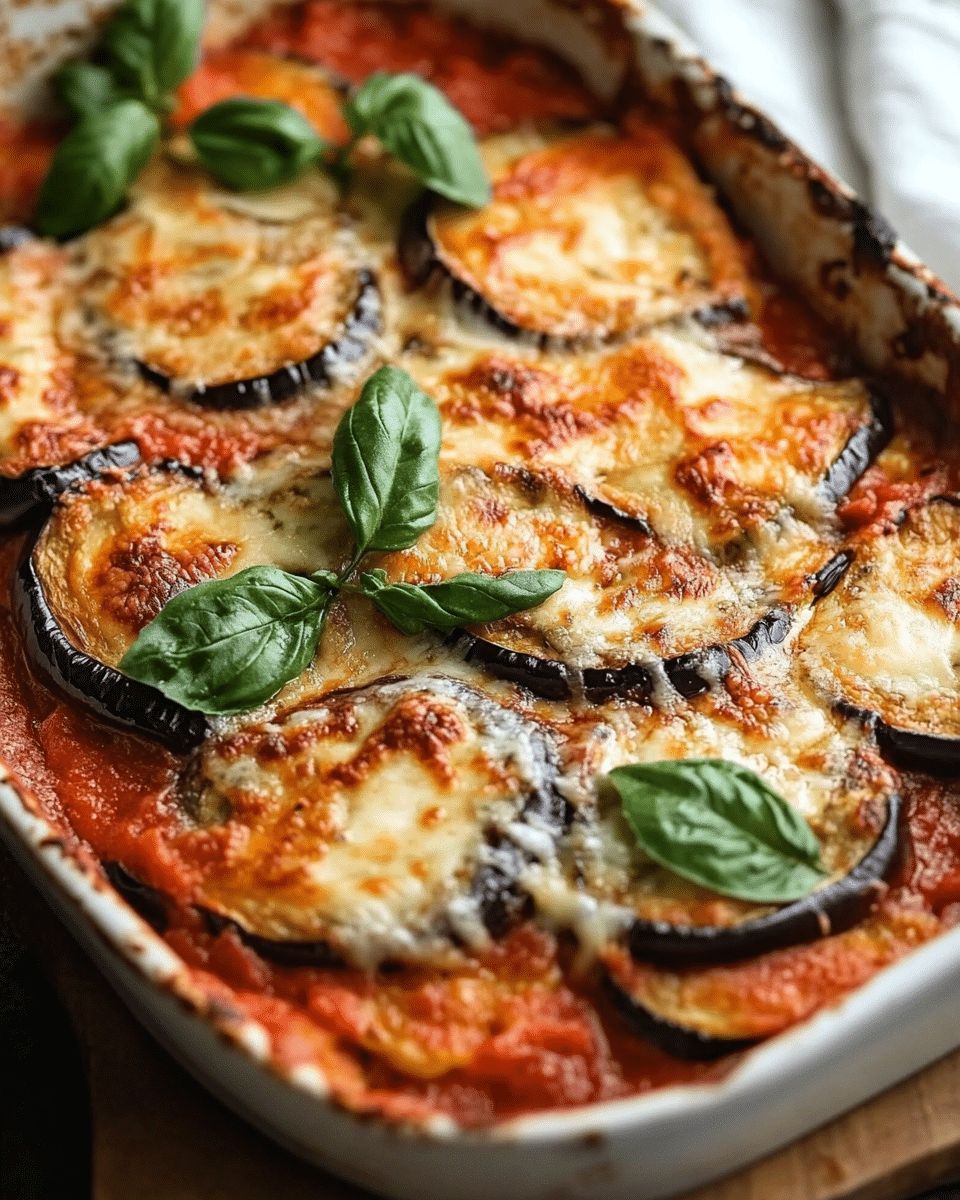
There is something undeniably soulful about a dish that takes humble vegetables and transforms them into a decadent masterpiece. The Eggplant Parmesan Bake is the crown jewel of Italian comfort food, striking that perfect balance between a satisfyingly crispy texture and melt-in-your-mouth cheesy goodness. Whether you are a lifelong vegetarian or a die-hard carnivore, this dish has a magnetic way of making everyone at the table reach for seconds (and maybe thirds).
Forget the soggy, bland versions you might have encountered at lackluster buffets. We are talking about thin, golden-brown slices of eggplant, a zesty tomato sauce that has been simmered to aromatic perfection, and layers of fresh mozzarella and nutty parmesan that pull the whole experience together. It is a labor of love that pays off in every savory, herb-scented bite. Ready to turn your kitchen into a Roman trattoria? Let’s dive into what makes this bake a timeless favorite.
Quick Answer: The secret to a world-class Eggplant Parmesan Bake lies in salting the eggplant slices to remove bitterness and frying them until golden before layering. Assemble the dish with a rich basil-infused tomato sauce and plenty of mozzarella, then bake at 350°F (180°C) for about 40 minutes until the cheese is bubbling and golden-brown.
The Essential Ingredients for Success
To create a truly authentic Eggplant Parmesan Bake, every component must be chosen with care. This dish relies on the harmony of fresh produce and high-quality dairy. While it is a simple rustic meal in its origins, using the right balance of fats, acids, and salts will elevate it from a standard weekday dinner to a gourmet Italian experience.
The Produce and Pantry Staples
The following ingredients are the building blocks of your bake. Ensure your eggplants are firm to the touch and heavy for their size, as this indicates freshness and a lower seed count, which translates to less bitterness.
- 2 large eggplants: Ideally Globe or Italian varieties, which have the perfect meat-to-skin ratio.
- 1.5 lbs (700g) chunky-style pureed tomatoes: Look for San Marzano tomatoes if possible for their natural sweetness.
- 1 medium white onion: Provides a subtle savory base without overpowering the basil.
- A small bunch of fresh basil: Never use dried; the aromatic oils in fresh basil are essential for the sauce.
- 8.8 oz (250g) mozzarella cheese: Low-moisture mozzarella works best for a bubbly top, while fresh mozzarella adds a creamy interior.
- ¾ cup (70g) freshly grated parmesan cheese: Provides the “nutty” saltiness that defines the dish.
- Olive oil and Sunflower oil: Use olive oil for the sauce and sunflower (or vegetable) oil for the high-heat frying.
- All-purpose flour: Used to create a light protective barrier during frying.
Mastering the Preparation: Why Salting Matters
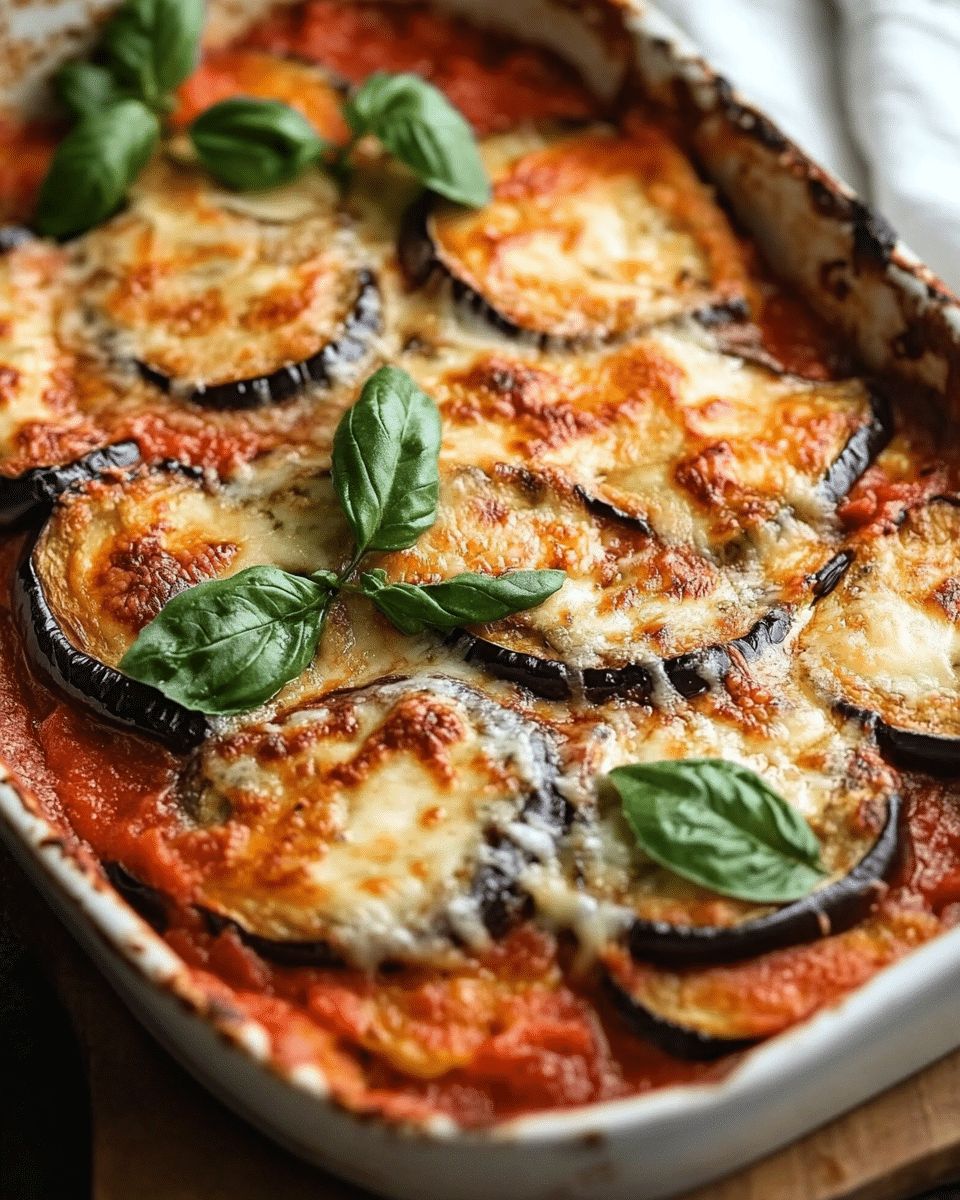
One of the most common mistakes when making Eggplant Parmesan is skipping the “sweating” process. Eggplants are like sponges; they are full of water and air pockets. If you fry them immediately, they will absorb an excessive amount of oil, resulting in a greasy, heavy dish. Furthermore, older eggplants can carry a slight bitterness that ruins the delicate flavor of the cheese.
The “Sweating” Technique
- Precision Slicing: Slice your eggplants into rounds about ¼ inch thick. If they are too thick, they won’t cook through; too thin, and they will disappear into the sauce.
- The Salt Barrier: Lay the slices in a colander and sprinkle generously with sea salt. The salt draws out the moisture through osmosis.
- The Wait: Let them sit for at least 45 to 60 minutes. You will see beads of “amber” liquid forming on the surface.
- The Cleanse: Rinse the slices under cold water to remove the excess salt and pat them bone-dry with a clean kitchen towel or paper towels.
Pro Tip: Achieving a dry surface after rinsing is the secret to getting a crispy golden crust. If the eggplant is damp, the flour will turn into a paste rather than a light coating.
Crafting the Soul of the Dish: The Homemade Tomato Sauce
A mediocre sauce leads to a mediocre bake. For this recipe, we aren’t just looking for a red liquid; we want a rich, concentrated pomodoro that can stand up to the frying and the bold flavors of the parmesan. By sautéing the onions until they are translucent and slightly caramelized, you build a foundation of sweetness that balances the acidity of the tomatoes.
Sauce Preparation Steps
- Sauté: Heat the olive oil over medium heat. Add the finely chopped onion and cook until soft. Do not let them brown too much, as burnt onion adds a bitter note.
- Simmer: Pour in the pureed tomatoes. Tear the basil by hand rather than chopping it with a knife to prevent the leaves from bruising and turning black.
- Balance: Season with salt and pepper. If your tomatoes are particularly acidic, a teaspoon of sugar can work wonders to round out the flavor profile.
- Reduce: Let the sauce simmer for 15 minutes. It should be thick enough to coat the back of a spoon.
The Frying Technique: Golden, Not Greasy
While some modern recipes suggest baking the eggplant slices to save calories, the traditional Italian method demands frying. This process creates a structural integrity in the eggplant, allowing it to hold up between layers of sauce without turning into mush. The light dusting of flour acts as a shield, preventing the oil from penetrating too deeply into the flesh.
Frying vs. Baking Comparison
| Feature | Frying (Traditional) | Baking (Light Version) |
|---|---|---|
| Texture | Crispy exterior, creamy interior | Tender and soft throughout |
| Flavor Profile | Rich, savory, and decadent | Natural, mild eggplant flavor |
| Preparation Time | Approx. 15-20 minutes | Approx. 30 minutes |
| Oil Absorption | Moderate (with flour barrier) | Minimal |
When frying, ensure the oil is hot enough. If the oil is too cool, the eggplant will soak it up like a sponge. You can test the temperature by dropping a small pinch of flour into the pan; if it sizzles immediately, you are ready to go. Fry in small batches to avoid crowding the pan, which drops the temperature of the oil.
Assembling Your Masterpiece: The Layering Guide
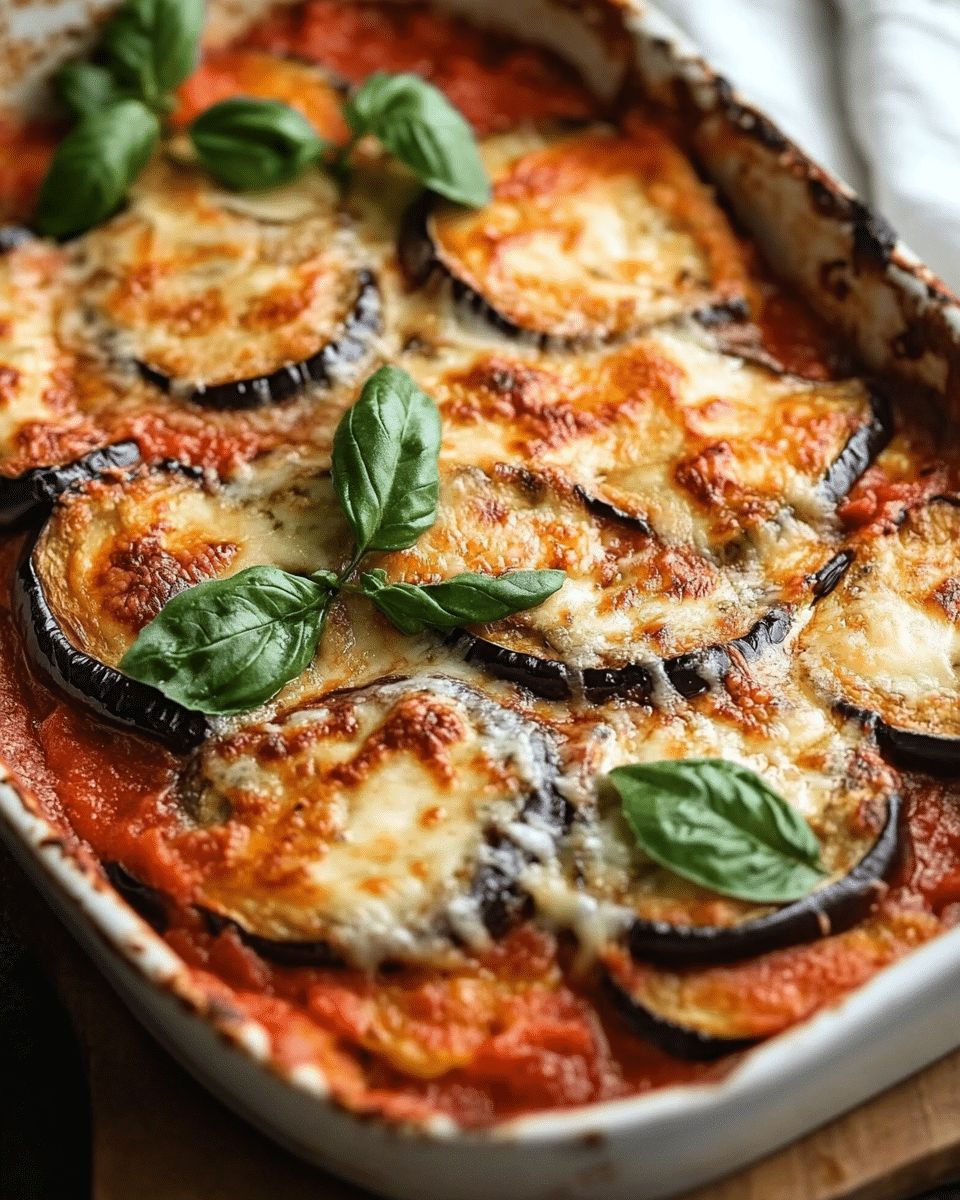
The assembly of an Eggplant Parmesan Bake is very similar to a lasagna. The goal is to create distinct layers that meld together during the baking process. Proper layering ensures that every bite contains the perfect ratio of eggplant, sauce, and cheese.
The Perfect Assembly Sequence
- The Foundation: Start with a very thin layer of sauce at the bottom of your baking dish. This prevents the bottom layer of eggplant from sticking and burning.
- The Eggplant Base: Lay your fried slices slightly overlapping. This creates a solid “floor” for the cheese.
- The Cheese Duo: Scatter your mozzarella cubes and a generous dusting of parmesan. The mozzarella provides the “pull,” while the parmesan provides the “punch.”
- The Sauce Blanket: Spoon over more tomato sauce, spreading it evenly to cover the cheese.
- Repeat: Continue this process until you have used all your ingredients. Usually, this results in 3 to 4 layers.
- The Finale: End with a layer of sauce topped with the remaining mozzarella and a heavy layer of parmesan to create a crusty, golden top.
Baking and Serving Recommendations
The final bake is where the magic happens. By covering the dish with foil for the first 20 minutes, you trap the steam, which helps the mozzarella melt into the crevices of the eggplant. Removing the foil for the final 20 minutes allows the moisture to evaporate and the top to brown into a cheesy, caramelized crust.
Nutritional Information (Per Serving)
Understanding the caloric density of your meal helps in planning your daily intake. Here is a breakdown of what you can expect from a standard serving of our Eggplant Parmesan Bake.
| Nutrient | Amount Per Serving |
|---|---|
| Calories | 380 kcal |
| Protein | 18g |
| Total Fat | 24g |
| Carbohydrates | 22g |
| Fiber | 9g |
Before serving, it is imperative to let the dish rest for at least 5 to 10 minutes. This allows the layers to “set.” If you cut into it immediately after taking it out of the oven, the sauce and cheese will run, and your beautiful layers will collapse. Pair this dish with a crisp mixed green salad to cut through the richness, or some warm garlic bread to soak up the remaining tomato sauce on your plate.
You May Also Like
Explore more delicious recipes and kitchen guides: comfort food classics, Cajun-inspired dishes, satisfying vegetarian dinners, and easy pasta recipes.
Authority Source: Learn more about the history of Parmigiana on Wikipedia
Frequently Asked Questions
Can I prepare Eggplant Parmesan Bake in advance?
Yes, this is an excellent make-ahead meal! You can assemble the entire dish, cover it tightly with plastic wrap or foil, and keep it in the refrigerator for up to 24 hours. When you are ready to eat, simply remove the plastic and bake according to the instructions, though you may need to add 5-10 minutes to the baking time if it is going into the oven cold.
Can this dish be frozen for later?
Absolutely. You can freeze the Eggplant Parmesan Bake either before or after baking. If freezing before, ensure the eggplant is fully cooled after frying. If freezing leftovers, let the dish cool completely and store in an airtight container for up to 3 months. Thaw in the refrigerator overnight before reheating.
How do I reheat leftovers without them getting soggy?
To maintain the best texture, avoid the microwave if possible. Reheat leftover portions in the oven at 350°F (180°C) for about 15-20 minutes. This helps the cheese become bubbly again and keeps the eggplant from becoming too mushy. If you are in a rush, a toaster oven also works beautifully for single servings.
Final Thoughts
The Eggplant Parmesan Bake is a testament to how simple, wholesome ingredients can come together to create a meal that feels truly indulgent. By taking the extra time to properly salt and fry the eggplant, you ensure a texture that is substantial and satisfying, making it a perfect centerpiece for your next family gathering or a cozy Sunday night dinner.
At its heart, this dish is about bold flavors and comforting textures. Whether you follow the traditional Italian method or add your own twist with extra herbs or different cheeses, the results are always rewarding. Serve it warm, share it with loved ones, and enjoy the rich, savory magic of a perfectly executed vegetable bake.