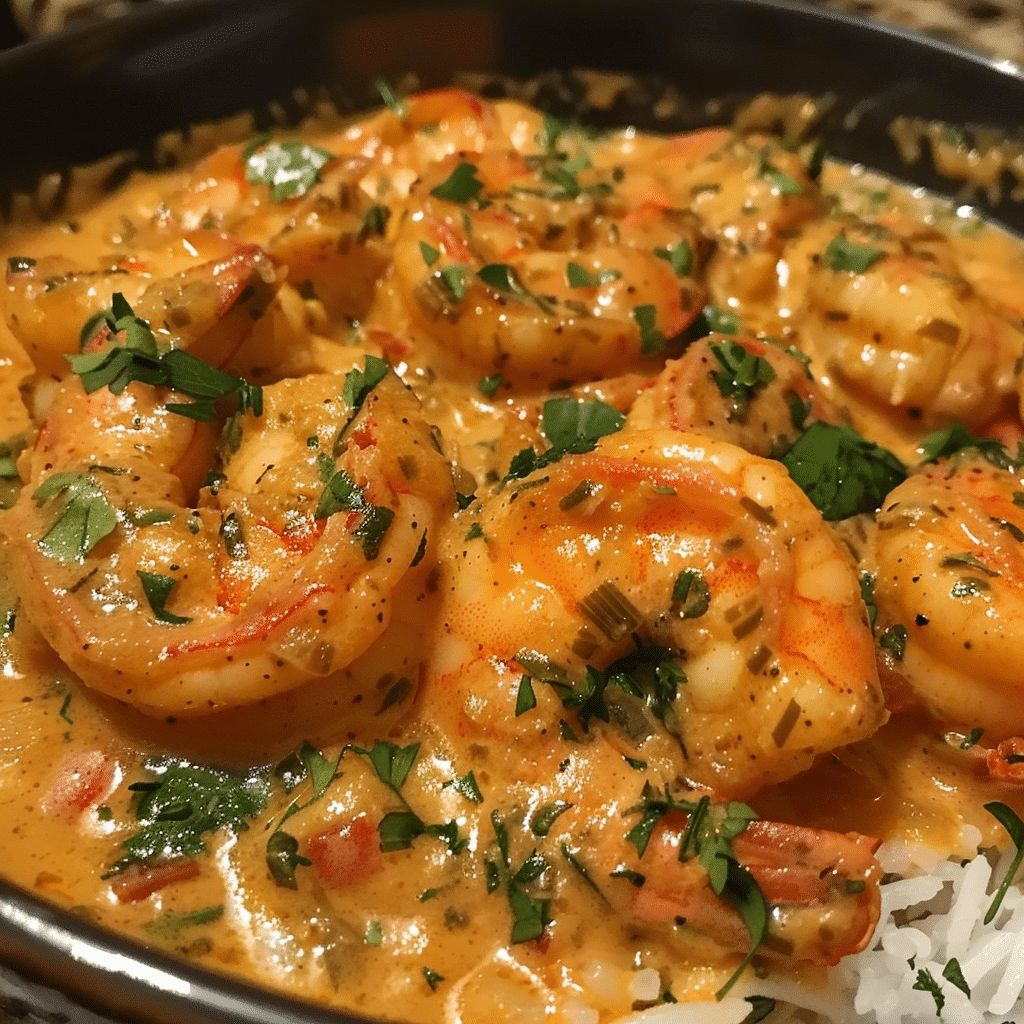
Imagine sitting down to a meal that instantly transports you to a sun-drenched tropical paradise—where the air is thick with the scent of fragrant spices and the warmth of coconut milk caresses your palate. This is not just any dinner; this is Exotic Coconut Curry Shrimp. It is a dish that invites you to experience the magic of vibrant colors, bold tastes, and comforting textures all in one skillet, making it the ultimate solution for those seeking a “mini-vacation” on a plate.
Whether you’re a busy home cook craving a quick weeknight dinner or someone eager to impress guests with an exotic flair, this recipe offers a deliciously simple way to bring global flavors right to your kitchen. By combining succulent, tender shrimp with the spicy warmth of ginger and curry powder, you create a gourmet experience that is as nourishing as it is delicious—all in about 25 minutes.
Quick Answer: This Exotic Coconut Curry Shrimp is a fast, one-pan meal that balances creamy coconut milk with aromatic spices and lean protein. It is perfect for healthy eating, providing essential nutrients like Vitamin B12 and Omega-3s while delivering a restaurant-quality flavor profile in under half an hour.
Why You’ll Love This Exotic Coconut Curry Shrimp Recipe
When you want something special yet manageable, this recipe is your go-to. You’ll appreciate how it balances ease with sophistication, combining wholesome ingredients and bold spices that awaken your senses without demanding hours of prep. Here is why this recipe deserves a permanent spot in your meal rotation:
- Speed and Simplicity: In about 25 minutes, you can transform raw shrimp and fresh vegetables into a sumptuous curry.
- Nutrient-Rich: Shrimp is an excellent source of lean protein, providing selenium and essential fatty acids.
- Balanced Flavors: The richness of coconut milk pairs perfectly with savory soy sauce and a hint of honey.
- Versatile: It fits perfectly over white rice, jasmine rice, or even cauliflower rice for a low-carb twist.
You don’t have to be a culinary expert to pull this off. With just a few pantry staples and fresh produce, you can delight yourself and your loved ones with a meal that feels like a professional chef prepared it in your own home.
Essential Ingredients for Gourmet Coconut Curry Shrimp
The secret to a world-class Exotic Coconut Curry Shrimp lies in the harmony of its ingredients. Each component is selected to balance the four pillars of flavor: sweet, salty, sour, and spicy. By using high-quality, fresh produce, you elevate a simple weeknight meal into a restaurant-quality experience.
| Ingredient Category | Primary Items | Pro-Tip for Selection |
|---|---|---|
| Protein | 1 lb Large Shrimp (Peeled & Deveined) | Look for “wild-caught” for the best texture and mineral flavor. |
| Healthy Fats | 1 tbsp Coconut Oil | Extra virgin coconut oil adds a deeper tropical aroma. |
| Aromatics | Onion, Garlic, Ground Ginger | Freshly minced garlic and ginger provide more “zing” than jarred versions. |
| Spices | 1 tbsp Curry Powder | Choose a high-quality Madras curry for a traditional flavor. |
| Liquid Base | 14 oz Can Coconut Milk | Use full-fat coconut milk for a luxurious, velvety sauce. |
| Flavor Balancers | Soy Sauce, Honey, Salt | Honey cuts through the spice, while soy sauce provides umami depth. |
Choosing the Right Shrimp
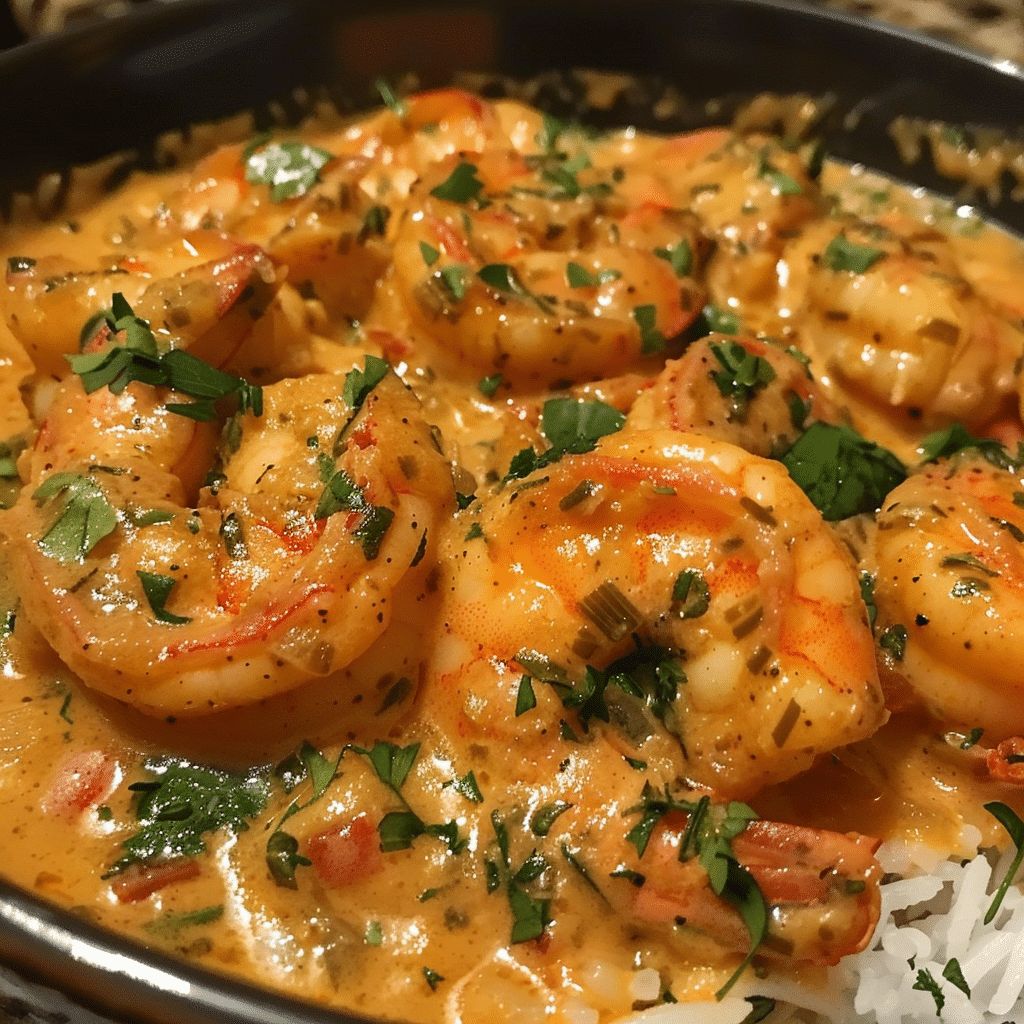
When shopping at cookwithfeast.com for your ingredients, prioritize size. “Large” or “Jumbo” shrimp (usually 16–20 or 21–25 count per pound) are ideal because they stay juicy even after being sautéed. If using frozen shrimp, ensure they are completely thawed and patted dry with a paper towel before they hit the pan. Excess moisture will steam the shrimp rather than searing them, which can affect the final texture.
The Magic of Full-Fat Coconut Milk
While light coconut milk is an option for those watching calories, full-fat coconut milk contains the natural fats necessary to carry the fat-soluble compounds in curry powder. This results in a much more flavorful and rich sauce. If you find the sauce too thick, you can always thin it with a tablespoon of broth or water later.
Step-by-Step Culinary Guide: Mastering the Skillet
Cooking this dish is a fast-paced process. Once the shrimp hit the pan, everything moves quickly, so having your “mise en place” (everything in its place) is crucial. Follow these detailed steps to ensure a perfect result every time.
Step 1: The Sauté Foundation
Heat your coconut oil over medium heat in a wide skillet or wok. The wide surface area allows for better evaporation, which helps thicken the sauce naturally. Add your chopped onions and red bell peppers. Sauté for about 5 minutes until the onions are translucent and the peppers have softened slightly. Add the minced garlic during the last minute of this step to prevent it from burning.
Pro Tip: If the garlic starts to brown too quickly, add a teaspoon of water or coconut milk immediately to lower the pan temperature and stop the cooking process.
Step 2: Blooming the Spices
This is the most critical stage for flavor development. Sprinkle the ground ginger and curry powder directly over the sautéed vegetables. Stir constantly for 60 seconds. This process, known as “blooming,” wakes up the essential oils in the spices, making the final curry significantly more aromatic.
Step 3: Simmering the Tropical Sauce
Pour in the full can of coconut milk, followed by the soy sauce and honey. Use a wooden spoon to scrape the bottom of the pan to release any browned bits of onion or spice (this is called deglazing and adds massive flavor). Bring the liquid to a gentle simmer. Do not let it reach a rolling boil, as high heat can cause coconut milk to separate or “break.”
Step 4: Precision Shrimp Cooking
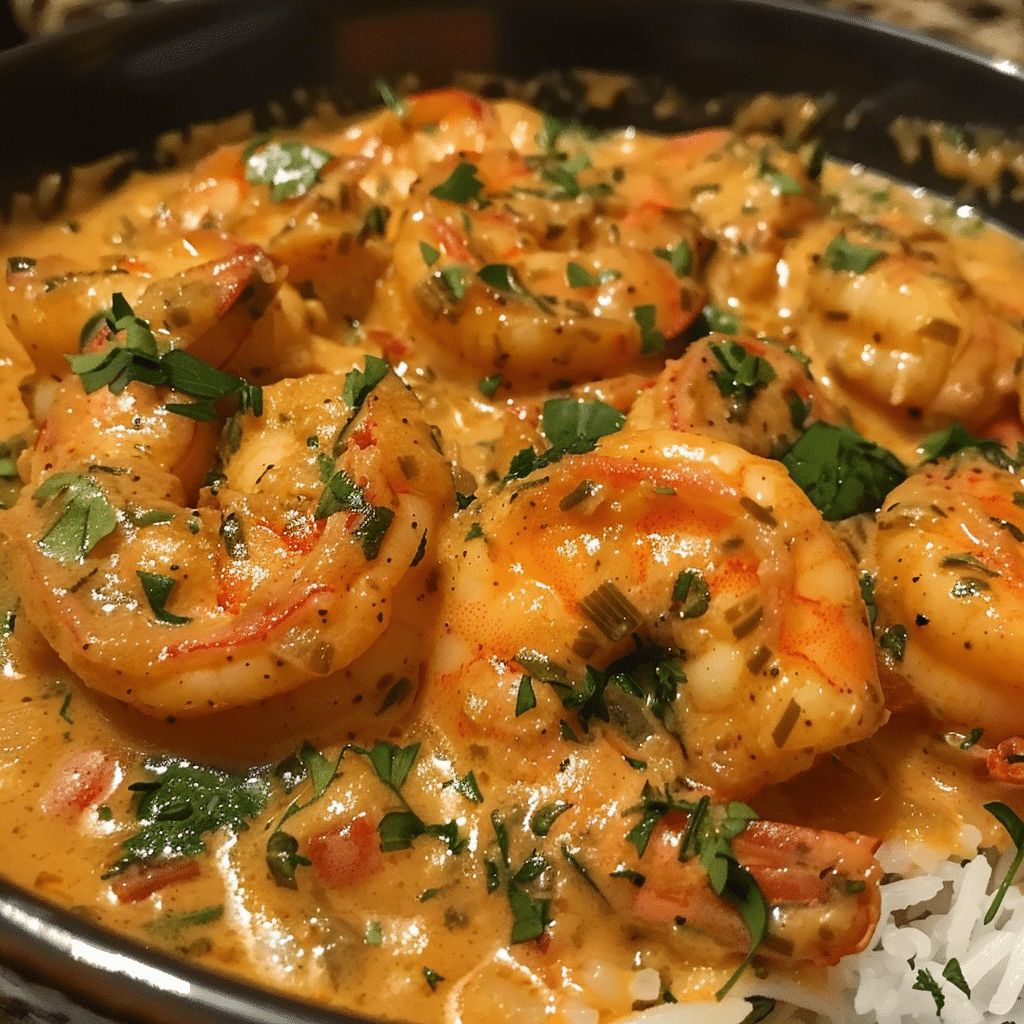
Gently add the shrimp into the simmering sauce. Ensure they are submerged or at least touching the bottom of the pan. Cook for 2–3 minutes per side. You are looking for the shrimp to turn from translucent gray to an opaque, vibrant pink. As soon as they curl into a “C” shape, they are perfectly cooked. If they curl into a tight “O,” they are likely overdone.
Secrets to Perfection: Tips from the Kitchen
Even a simple recipe can be improved with a few expert techniques. Here are the top tips to ensure your Exotic Coconut Curry Shrimp is a success every time you make it:
- Control the Heat: If you prefer a spicier kick, add half a teaspoon of cayenne pepper or red chili flakes when you add the curry powder.
- The Acid Factor: A squeeze of fresh lime juice just before serving acts as a “brightness” booster. The acid cuts through the richness of the coconut milk and makes the spices pop.
- Avoid Rubbery Shrimp: Always remove the skillet from the heat source a few seconds before you think the shrimp are done. The residual heat in the sauce will finish the cooking process without toughening the protein.
- Consistency Check: If your sauce is too thin, simmer it for an extra 3–4 minutes before adding the shrimp. If it’s too thick, add a splash of vegetable or chicken broth.
Nutritional Breakdown and Wellness Benefits
This dish isn’t just a treat for your palate; it’s a powerhouse of nutrition. By focusing on lean protein and anti-inflammatory spices, you are supporting your body’s health with every bite.
| Nutrient | Value per Serving | Health Benefit |
|---|---|---|
| Calories | 380 kcal | Energy-dense yet balanced for weight management. |
| Protein | 32g | High-quality lean protein for muscle repair. |
| Total Fat | 22g | Contains MCTs from coconut milk to boost metabolism. |
| Vitamin B12 | 80% DV | Essential for nerve function and energy production. |
| Selenium | 65% DV | A powerful antioxidant that supports thyroid health. |
Anti-Inflammatory Properties
The combination of ginger and turmeric (the primary ingredient in most curry powders) provides potent anti-inflammatory benefits. These ingredients help reduce oxidative stress in the body and aid in digestion, making this a great meal for post-workout recovery or a soothing dinner after a long day.
Creative Variations and Substitutions
One of the best things about this recipe is its versatility. You can easily adapt it to suit different dietary needs or to use up whatever is in your refrigerator.
Vegetarian and Vegan Swaps
If you want to make this a plant-based feast, replace the shrimp with 1-inch cubes of extra-firm tofu or a can of drained chickpeas. Instead of honey, use maple syrup or agave nectar. The sauce is so flavorful that it works beautifully with almost any protein.
Adding More Vegetables
To increase the fiber content of this meal, consider adding these vegetables during the sauté step:
- Snap Peas: Add during the last 3 minutes for a satisfying crunch.
- Baby Spinach: Fold in at the very end until just wilted.
- Carrots: Matchstick-cut carrots add sweetness and a boost of Vitamin A.
- Broccoli: Small florets soak up the curry sauce like tiny sponges.
Grain Pairings
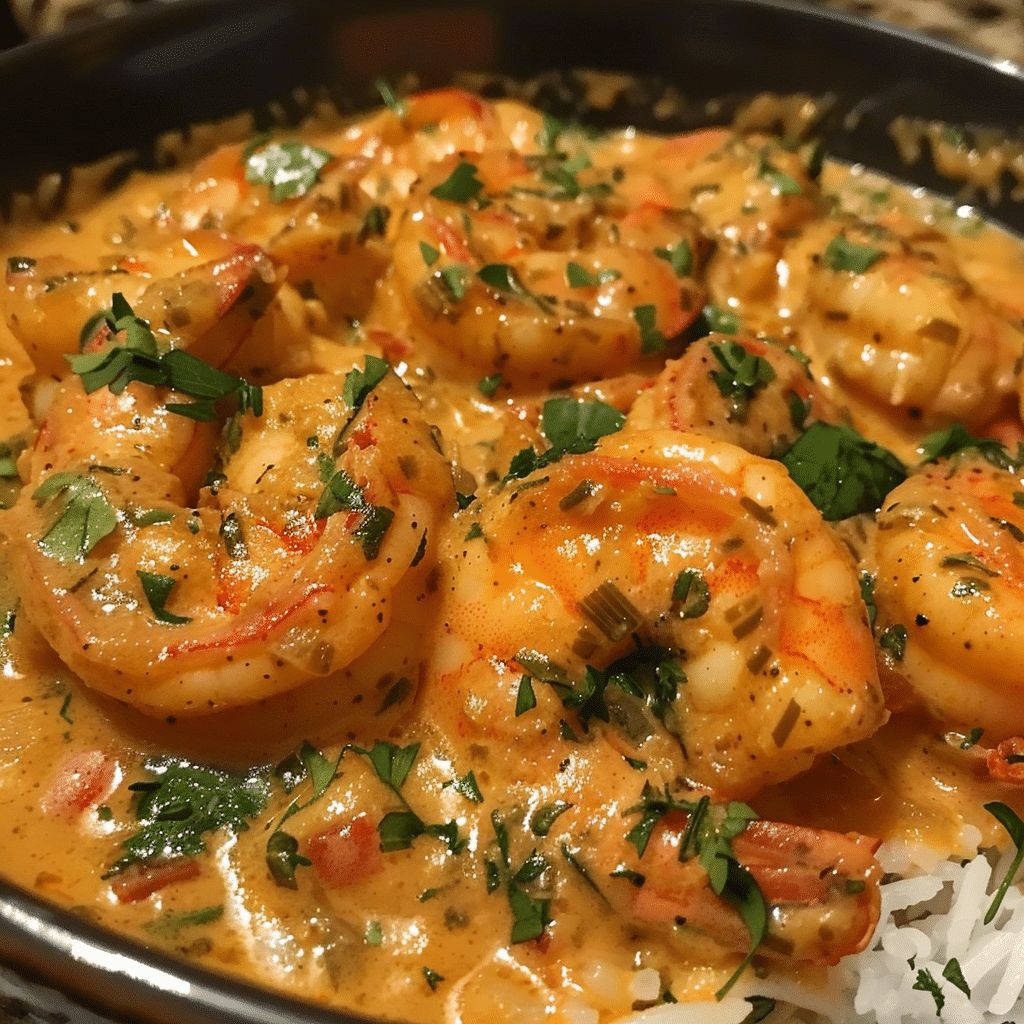
While jasmine rice is the classic choice for its floral aroma, you can also serve this over basmati rice, quinoa, or even rice noodles. For those on a keto or low-carb diet, cauliflower rice is an excellent substitute that absorbs the coconut sauce beautifully without the heavy carb load.
Frequently Asked Questions
Can I use frozen shrimp?
Yes, absolutely. Frozen shrimp are often frozen at sea, meaning they can actually be “fresher” than the ones at the seafood counter. Just ensure they are fully thawed in the refrigerator overnight or under cold running water before cooking.
How long does this keep in the fridge?
You can store leftovers in an airtight container for up to 2 days. However, be careful when reheating—shrimp can become rubbery if microwaved for too long. It is best to reheat gently on the stovetop over low heat.
Is this recipe gluten-free?
The core ingredients are naturally gluten-free. However, always check the label of your soy sauce. Most traditional soy sauces contain wheat. To keep this 100% gluten-free, substitute soy sauce with Tamari or Coconut Aminos.
You May Also Like
If you enjoyed this tropical escape, explore more flavorful recipes on our blog: Cajun Shrimp Pasta, American Comfort Food Classics, Cheesy Chicken Casseroles, and Quick Dinner Recipes.
Source: Wikipedia: Coconut Milk
Frequently Asked Questions
Can I use frozen shrimp for this recipe?
Yes, frozen shrimp works perfectly for this dish. In many cases, shrimp are frozen immediately after being caught, preserving their freshness. Just ensure they are fully thawed and patted dry before cooking to prevent excess moisture from thinning your creamy coconut sauce.
Is this coconut curry shrimp spicy?
As written, this recipe is mild and family-friendly. The curry powder and ginger provide a warm, aromatic depth rather than intense heat. If you prefer a spicy kick, you can easily add crushed red pepper flakes or a diced jalapeño during the sautéing process.
How do I prevent the shrimp from becoming rubbery?
Shrimp cooks very quickly, usually in about 5 minutes. The key is to watch for them to turn opaque and curl into a “C” shape. As soon as they reach this stage, remove the skillet from the heat. The residual heat in the coconut milk will finish the cooking without overdoing the protein.
Final Thoughts
Bringing the vibrant, bold flavors of the tropics into your kitchen has never been easier. This Exotic Coconut Curry Shrimp recipe is a testament to how simple, wholesome ingredients can create a sophisticated, restaurant-quality meal in under 30 minutes. Whether you are looking for a healthy weeknight dinner or a way to impress guests with global flair, this dish is a reliable and delicious choice.
We invite you to make this recipe your own by adding your favorite seasonal vegetables or adjusting the spices to your preferred heat level. Don’t forget to share your culinary creations with us! Savor the journey to tropical bliss and enjoy every bite of your home-cooked feast.