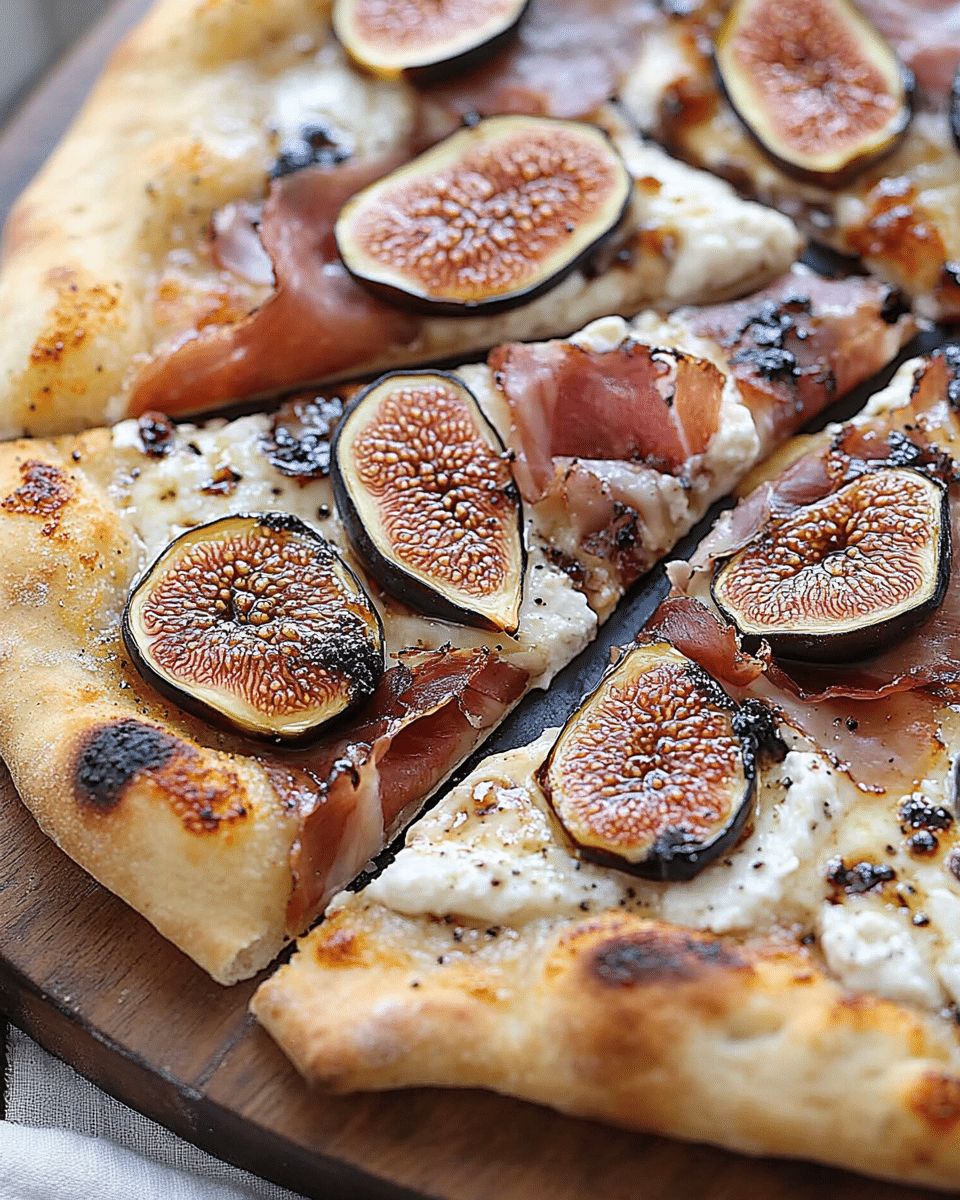
Have you ever taken a bite of pizza and felt an explosion of flavors dance across your taste buds? That’s exactly what happens with Fig & Prosciutto Pizza with Balsamic Glaze. This isn’t your everyday delivery order—it’s a gourmet creation that masterfully blends the natural sweetness of ripe figs, the delicate saltiness of prosciutto, the creaminess of fresh mozzarella, and the tangy richness of a balsamic reduction. Whether you’re hosting an elegant dinner for friends or simply craving something extraordinary for a cozy night in, this pizza delivers a truly memorable culinary experience.
There’s something magical about making pizza from scratch. The process itself is therapeutic: kneading the dough, stretching it by hand until it’s perfectly thin, and layering premium toppings exactly the way you want. When you pull that golden, bubbling masterpiece out of the oven, the satisfaction is unmatched. This guide will walk you step-by-step through crafting the ultimate balance of flavors, ensuring your crust is crispy and your toppings are vibrant.
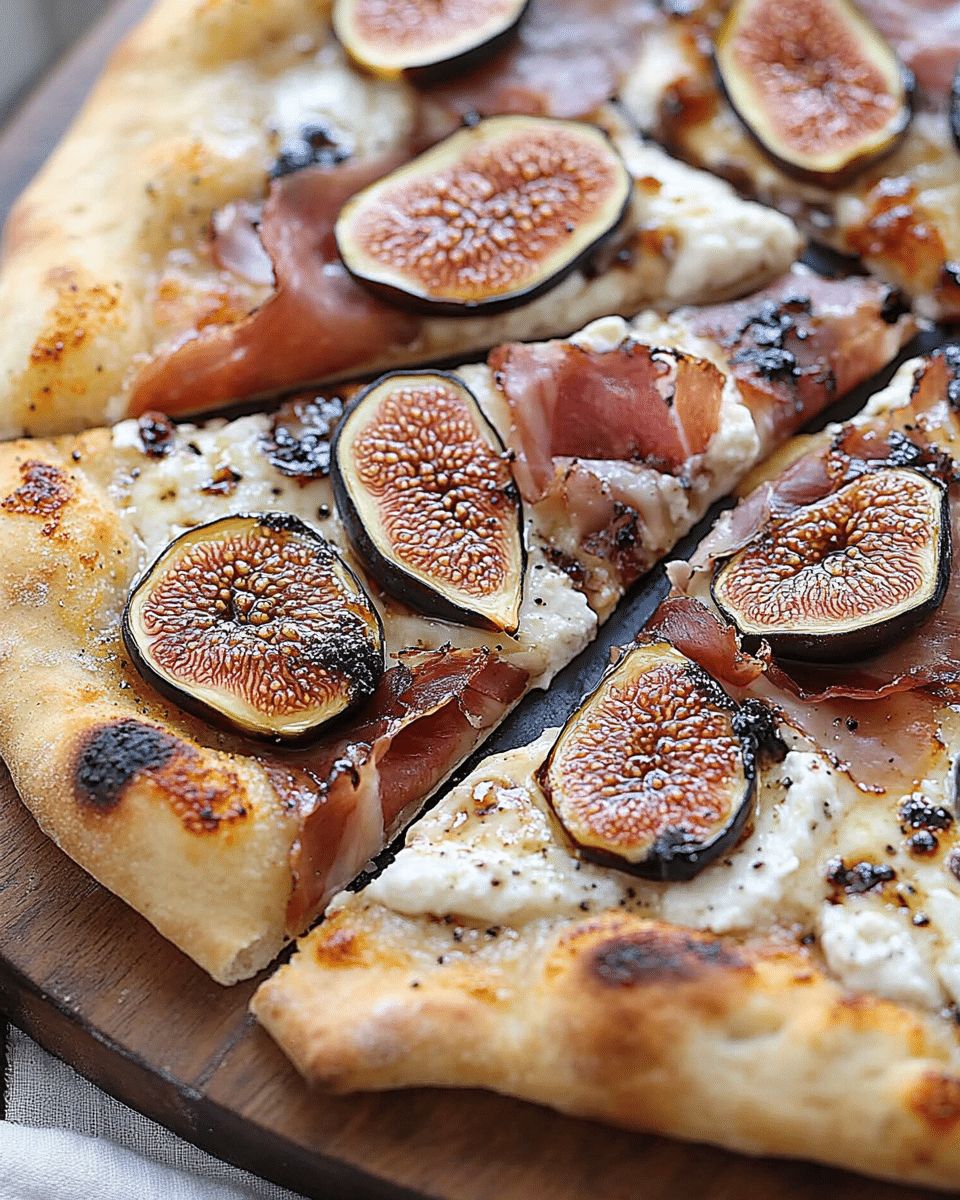
Quick Answer: This Fig and Prosciutto Pizza is a gourmet dish featuring a homemade bread flour crust topped with fresh mozzarella and sliced figs. After baking at 500°F until golden, it is finished with thin ribbons of salty prosciutto and a drizzle of syrupy balsamic glaze for the ultimate sweet and savory balance.
Essential Ingredients for Your Gourmet Fig and Prosciutto Pizza
Creating a world-class pizza starts with the quality of your raw materials. While the combination of fruit and cured meat might seem simple, the magic lies in the contrast of textures and temperatures. For the best results at cookwithfeast.com, we recommend sourcing the freshest seasonal figs and authentic Prosciutto di San Daniele.
The Pizza Dough Components
A great pizza is only as good as its foundation. We use bread flour specifically for its higher protein content, which creates the gluten structure necessary for that signature “chew.” Olive oil adds a subtle richness and helps the crust brown beautifully in a domestic oven.
| Ingredient | Quantity | Purpose |
|---|---|---|
| Warm Water | 1 1/2 cups | Activates yeast (approx. 105°F) |
| Active Dry Yeast | 2 1/2 tsp | Leavening agent for airy crust |
| Granulated Sugar | 1 tsp | Feeds the yeast and aids browning |
| Kosher Salt | 2 tsp | Enhances flavor and controls yeast |
| Olive Oil | 2 tbsp | Adds elasticity and flavor |
| Bread Flour | 4 cups | Provides structure and chewiness |
Premium Toppings and Finishing Touches
The toppings are where the “sweet and savory” profile comes to life. Unlike a standard pepperoni pizza, these ingredients are layered with precision. We recommend slicing the mozzarella and figs to a uniform thickness to ensure even melting and caramelization during the high-heat bake.
- Olive Oil: Used as a base sauce to keep the dough moist without making it soggy.
- Fresh Mozzarella: Sliced into 1/4″ rounds for creamy, melty pockets.
- Fresh Figs: Sliced into rounds to release their natural sugars under the broiler.
- Prosciutto di San Daniele: Ultra-thin slices added after baking to preserve the silky texture.
- Balsamic Glaze: A high-quality, syrupy reduction that provides the essential acid hit.
The Science of the Perfect Pizza Dough
Making dough from scratch is a rewarding process that involves biological fermentation. By following these steps, you ensure that the yeast has the optimal environment to create the carbon dioxide bubbles that result in a light, airy crumb.
Step 1: Proper Yeast Activation
Temperature is the most critical factor in this stage. If the water is too cold, the yeast remains dormant; if it is too hot (above 120°F), the yeast will die. Your water should feel like a warm bath. Stir the sugar and yeast into the water and wait for the “bloom”—a thick layer of foam on the surface indicating the yeast is healthy.
Step 2: Mixing and the 10-Minute Knead
Kneading is the process of developing gluten. As you work the dough with a stand mixer or by hand, the proteins in the bread flour align to form a stretchy web. You will know the dough is ready when it passes the “windowpane test”—you should be able to stretch a small piece of dough thin enough to see light through it without it tearing.
Pro Insight: If your dough feels too sticky, add flour one tablespoon at a time. However, be careful not to over-flour, as a “wetter” dough often results in a better rise and a crispier crust.
Step 3: The Proofing Process
Place your dough in a lightly oiled bowl. This prevents a “skin” from forming on the surface, which would inhibit the rise. Cover it with plastic wrap and place it in a draft-free, warm spot. During this hour, the dough should double in volume. This is when the flavor truly develops.
Assembling the Masterpiece
Once your dough has proofed, the assembly must be quick. High-heat baking requires the oven and the stone to be saturated with heat. This mimics the environment of a professional wood-fired oven.
Preparing the Oven Environment
Most home ovens struggle to reach the temperatures found in pizzerias. To compensate, we use a pizza stone. By preheating the stone at 500°F for 30 minutes after the oven reaches temperature, you create a thermal mass that will immediately sear the bottom of the dough, giving you that elusive “oven spring.”
Stretching and Shaping the Crust
Never use a rolling pin for artisan pizza! Rolling pins pop the air bubbles you worked so hard to create. Instead, use your knuckles to gently stretch the dough from the center outward. If the dough “snaps back,” let it rest for 5 minutes to allow the gluten to relax before trying again.
- Start with an 8-inch round on a floured surface.
- Gently pull the edges until you reach a 14-inch diameter.
- Ensure the center is thin but the edges (the cornicione) remain slightly thicker.
Layering for Flavor Balance
Brush the surface with olive oil. This acts as a barrier, preventing the moisture from the mozzarella and figs from soaking into the crust. Arrange the mozzarella and figs in a single layer. Seasoning with black pepper at this stage allows the spice to bloom in the heat of the oven.
The Final Flourish: Post-Bake Topping
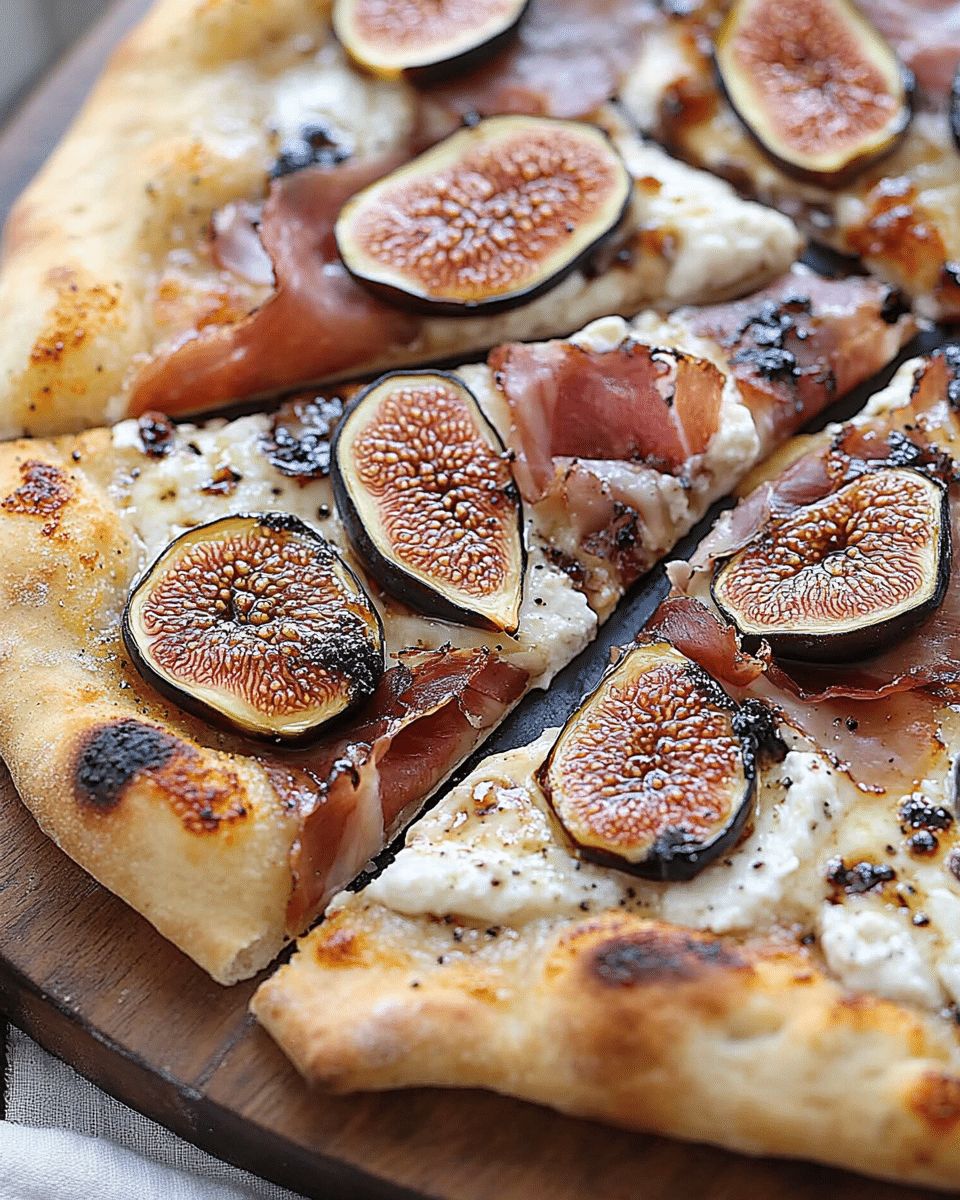
One of the biggest mistakes home cooks make is baking the prosciutto. High heat turns the delicate, fatty ham into something salty and tough, similar to overcooked bacon. To maintain the “World-Class” standard, we apply the cold toppings to the hot pizza.
Adding Prosciutto and Glaze
As soon as the pizza leaves the oven, drape the prosciutto over the bubbling cheese. The residual heat will soften the fat in the ham just enough to release its aroma without changing its texture. Finally, drizzle the balsamic glaze in a zigzag pattern across the entire surface.
| Topping | When to Add | Reasoning |
|---|---|---|
| Mozzarella & Figs | Before Bake | Melting and caramelization |
| Prosciutto | After Bake | Preserves delicate texture and healthy fats |
| Balsamic Glaze | Just Before Serving | Provides a fresh acidic contrast |
| Fresh Arugula (Optional) | Just Before Serving | Adds a peppery, fresh crunch |
Mastering the Balsamic Reduction
If you cannot find a pre-made glaze, you can make one by simmering 1/2 cup of balsamic vinegar with a teaspoon of honey in a small saucepan until it reduces by half. It should be thick enough to coat the back of a spoon. This “liquid gold” is the secret ingredient that bridges the gap between the savory ham and the sweet fruit.
SEO Tip: When sharing your creation on social media, tag #CookWithFeast and mention “Artisan Fig Pizza” to help other food enthusiasts find this gourmet guide!
You May Also Like
Explore more delicious recipes and gourmet techniques: homemade pizza dough, Cajun flavors, American comfort food, and easy dinner ideas.
Learn more about the history and varieties of this world-famous dish: Wikipedia – Pizza
Frequently Asked Questions
Can I use dried figs instead of fresh ones?
While fresh figs provide the best texture and juicy sweetness, you can use dried figs in a pinch. If using dried, rehydrate them in warm water for about 10 minutes and slice them thinly to ensure they don’t become too chewy during the baking process.
What is the best substitute for Prosciutto di San Daniele?
If you cannot find San Daniele, Prosciutto di Parma is an excellent alternative. For a different flavor profile altogether, you could use very thin slices of bresaola or even a salty serrano ham to maintain that essential savory contrast.
How do I prevent the pizza dough from sticking to the surface?
The secret is using a generous amount of all-purpose flour or cornmeal on your pizza peel or work surface. Cornmeal is particularly effective as it acts like tiny ball bearings, allowing the dough to slide easily onto the preheated pizza stone.
Final Thoughts
Mastering the Fig and Prosciutto Pizza with Balsamic Glaze is about more than just following a recipe; it is about understanding the harmony between high-quality ingredients and proper technique. By taking the time to knead your own dough and sourcing ripe, seasonal fruit, you transform a simple meal into a restaurant-quality experience right in your own kitchen.
We hope this guide inspires you to experiment with new flavor combinations on your next pizza night. Don’t forget to visit cookwithfeast.com for more tips on elevating your home cooking and creating memorable meals for your friends and family. Happy baking!