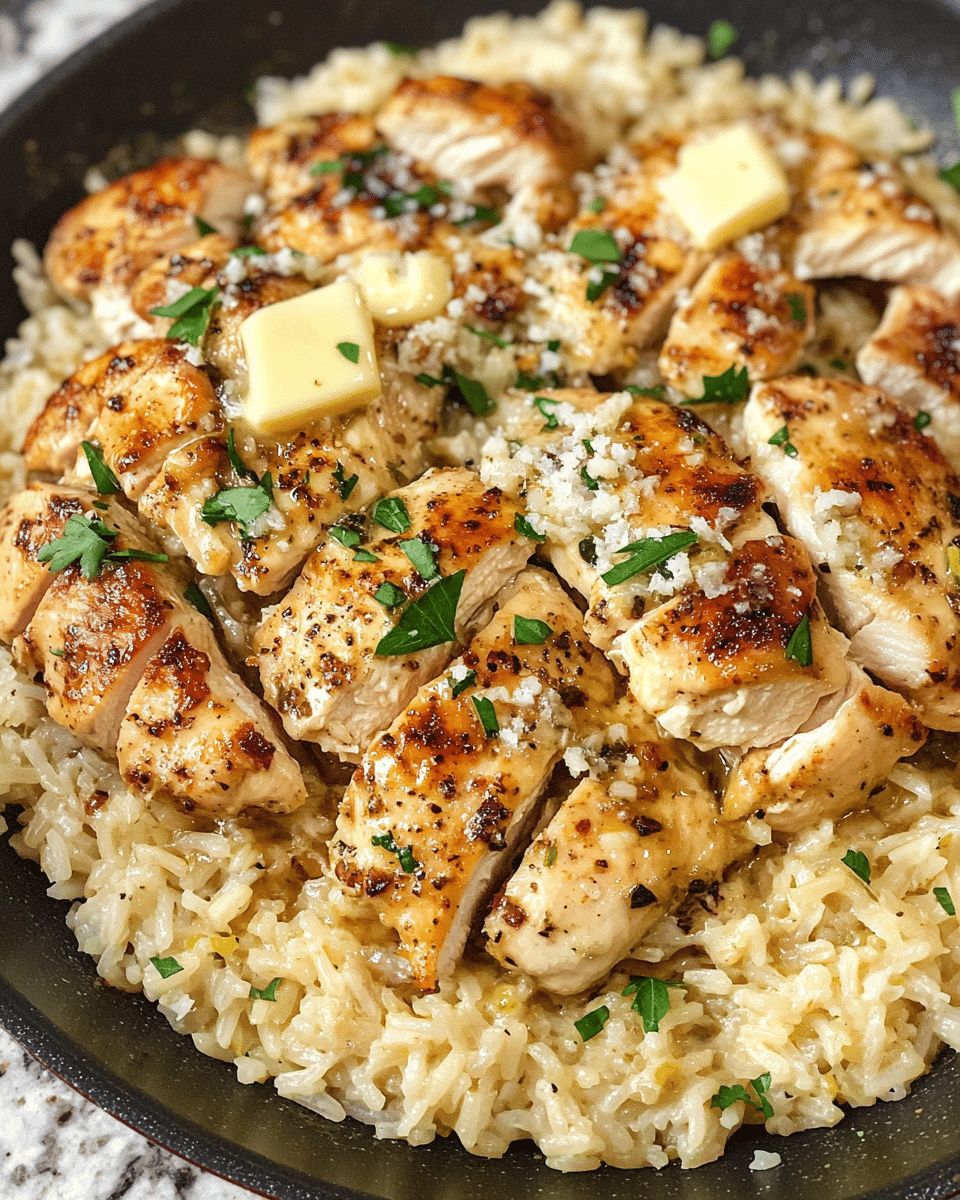
There is something undeniably soul-warming about the combination of sizzling aromatics and creamy grains. This Garlic Butter Chicken with Parmesan Rice is the personification of comfort food, blending tender, golden-seared chicken with a rich, cheesy rice base that absorbs every drop of savory flavor. It’s a dish that feels like high-end bistro fare but comes together with the simplicity of a home-cooked favorite.
Whether you are trying to win over picky eaters or looking for a reliable “wow” dish for guests, this recipe hits all the right notes. Between the deglazed wine reduction and the final drizzle of parsley-flecked garlic butter, every layer is designed to maximize depth without keeping you in the kitchen all night. Get ready to elevate your weeknight rotation with a meal that is as indulgent as it is straightforward.
Quick Answer: This dish features pan-seared chicken tenders served over creamy Parmesan-infused rice. The secret to its rich flavor is a two-step garlic butter sauce and deglazing the pan with dry white wine to capture every bit of savory goodness.
The Essential Ingredients for Success
To achieve that signature restaurant-quality finish, starting with the right components is key. This recipe relies on pantry staples like olive oil and butter, but the magic happens when they meet fresh minced garlic and a splash of Pinot Grigio.
| Ingredients | Quantity |
|---|---|
| Chicken tenders | 1 lb |
| Minced garlic (divided) | 3 tbsp (about 10 cloves) |
| Olive oil | 2 tbsp |
| Butter (divided) | 1 stick (1/2 cup) |
| Red pepper flakes | 1/2 tsp |
| Dry white wine (Pinot Grigio) | 3/4 cup |
| Uncooked white rice | 1 1/2 cups |
| Low-sodium chicken stock | 2 3/4 cups |
| Parmesan cheese (grated) | 1/2 cup |
| Fresh parsley (minced) | 1 tbsp |
Step-by-Step Culinary Guide: Mastering Garlic Butter Chicken
Creating a restaurant-quality meal at home requires more than just following a list; it is about understanding the technique behind each layer of flavor. This Garlic Butter Chicken with Parmesan Rice relies on the principle of building a “fond”—those delicious browned bits at the bottom of your skillet—and then reincorporating them into the sauce and rice. This ensures that no flavor is wasted and every bite is infused with savory depth.
1. Preparing and Searing the Chicken
The foundation of this dish is perfectly seared chicken. Using chicken tenders ensures a quick cook time and a high surface-to-meat ratio, allowing for more seasoning and browning.
- Seasoning: Don’t be shy with your spices. While the recipe suggests a Cajun blend, you can also use a mix of smoked paprika, onion powder, and dried oregano for a more herbaceous profile.
- The Sear: Heat your olive oil until it shimmers before adding the chicken. Sear for 3 minutes per side. Avoid moving the chicken around; let it sit to develop a golden-brown crust.
- Internal Temp: Use a meat thermometer to ensure an internal temperature of 165°F (75°C). Once cooked, set aside and tent with foil to prevent the juices from escaping.
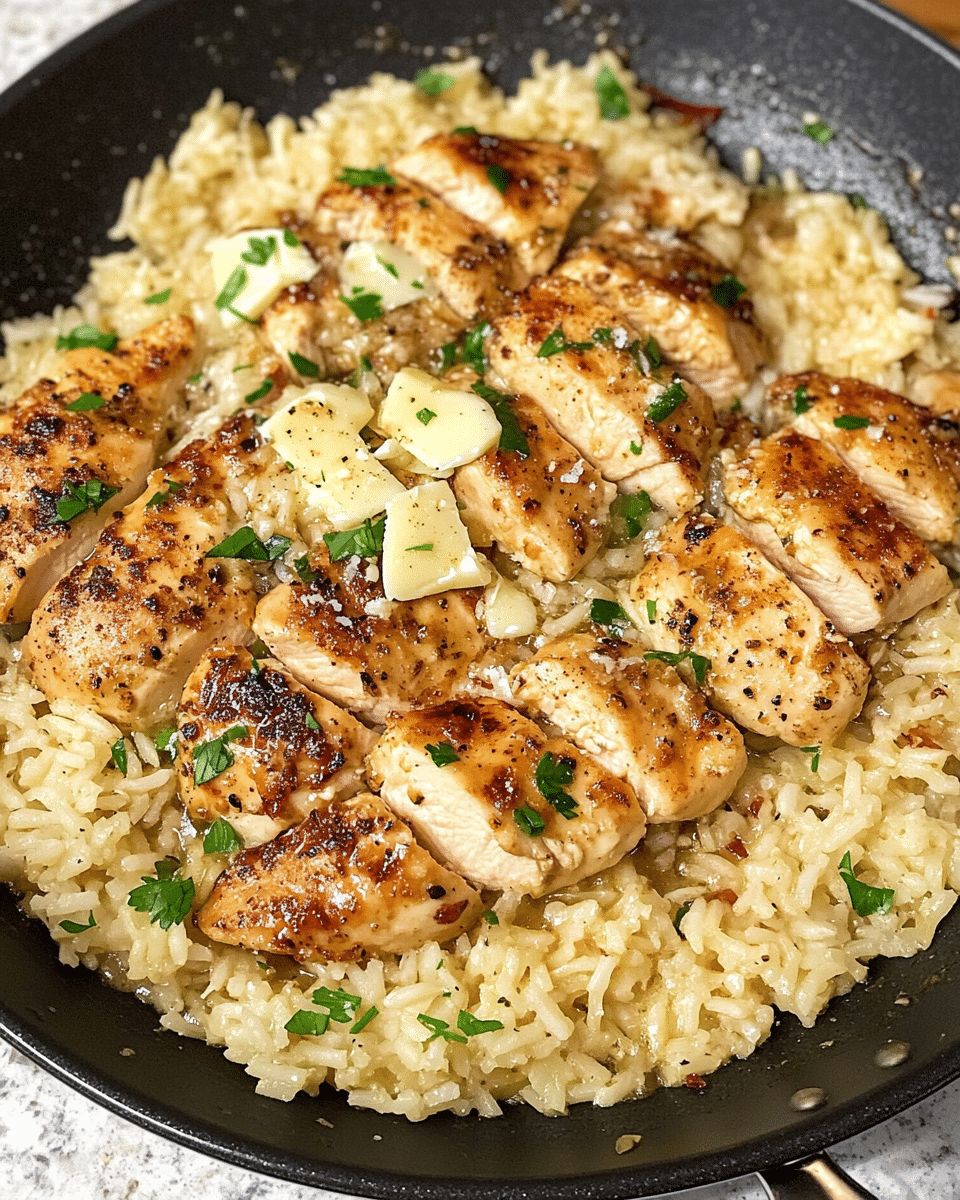
2. The Art of the Garlic Butter Infusion
Garlic is a delicate ingredient. Adding it at the right moment prevents it from burning and becoming bitter. In this stage, we are creating a concentrated flavor base that coats the meat.
- Add 2 tablespoons of butter to the hot skillet. As it melts, add 1 tablespoon of minced garlic.
- Deglazing the Fond: Use your wooden spoon to scrape the bottom of the pan as the garlic softens. This incorporates the chicken drippings back into the butter.
- Toss the chicken back in briefly to glaze it, then remove it once more to make way for the rice.
Crafting the Perfect Creamy Parmesan Rice
The rice in this recipe isn’t just a side dish; it’s a flavor sponge. By toasting the grains before simmering, we add a nutty complexity and ensure the rice maintains its structure even when smothered in cheese and sauce.
The Secret of the Wine Reduction
Before the rice goes in, we use a dry white wine (like Pinot Grigio) to deglaze the pan. This adds a necessary acidity that cuts through the richness of the butter and cheese. If you are avoiding alcohol, a mix of chicken broth and a splash of lemon juice works as a fantastic substitute.
| Flavor Element | Primary Function | Best Ingredients |
|---|---|---|
| Acidity | Cuts through fat and brightens flavors | Pinot Grigio, Lemon, or Vinegar |
| Fat | Carries flavor and provides “mouthfeel” | Unsalted Butter, Olive Oil |
| Umami | Provides deep, savory satisfaction | Parmesan Cheese, Chicken Stock |
Toasting and Simmering for Texture
Toasting the uncooked rice for 5 minutes is a non-negotiable step for the best results. It creates a barrier on the outside of the grain that prevents the rice from becoming “mushy.”
- Toast: Add the rice to the buttery wine reduction. Stir constantly until the edges of the rice look translucent.
- Liquids: Pour in your low-sodium chicken stock. Using low-sodium allows you to control the saltiness later.
- The Simmer: Once boiling, drop the heat to the lowest setting. A tight-fitting lid is crucial to trap steam and cook the grains evenly.
Expert Tip: After the 20-minute simmer, let the rice sit covered and off the heat for 5 minutes before stirring in the Parmesan. This “carry-over” steam finishes the cooking process perfectly.
Customizing Your Feast: Variations and Pro Tips
One of the reasons this dish is a staple at cookwithfeast.com is its versatility. You can easily adapt the proteins or the grains based on what you have in your pantry.
Dietary Adjustments and Swaps
If you want to vary the nutritional profile or flavor profile, consider these tried-and-tested alternatives:
- Vegetable Boost: Stir in a handful of baby spinach or frozen peas right when the rice finishes cooking. The residual heat will wilt the spinach perfectly.
- Grain Alternatives: While white rice is traditional, Orzo pasta works beautifully with these exact same measurements. If using brown rice, remember to increase liquid to 3 cups and simmer for 40–45 minutes.
- Protein Power: Swap chicken tenders for jumbo shrimp. Shrimp only needs about 2 minutes of searing per side.
Storage and Reheating Advice
This meal makes for incredible leftovers, as the flavors continue to meld in the refrigerator. However, rice can dry out when cold.
| Storage Method | Max Duration | Best Reheating Tip |
|---|---|---|
| Refrigerator | 3–4 Days | Add a splash of water/broth before microwaving |
| Freezer | 2 Months | Thaw overnight in the fridge for best texture |
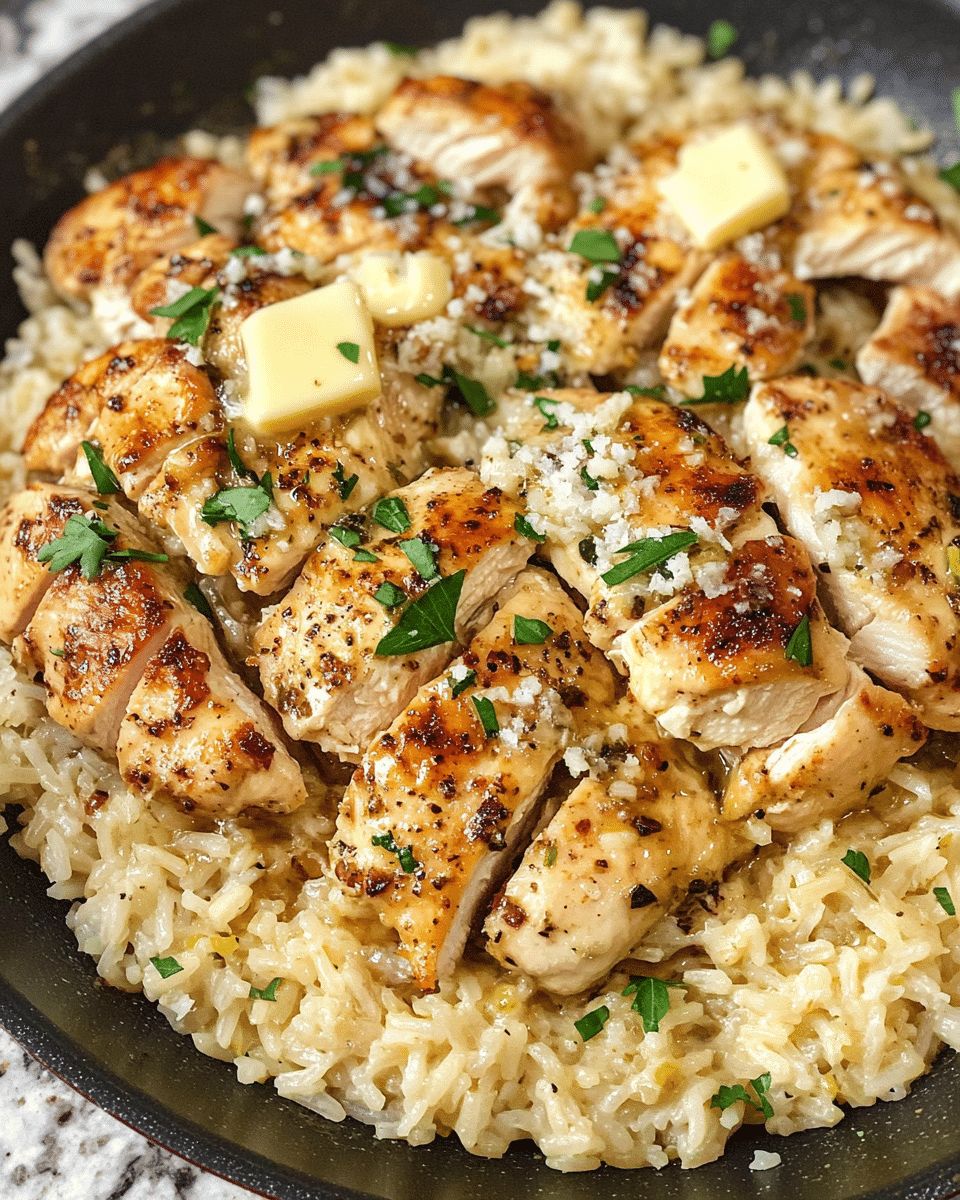
The Final Touch: Parsley-Garlic Drizzle
The crowning glory of this meal is the final Garlic Butter Drizzle. By mixing softened butter with the reserved pan juices and fresh parsley, you create a finishing sauce that ties the chicken and rice together into one cohesive experience.
Why Fresh Herbs Matter
While dried parsley is convenient, fresh flat-leaf parsley provides a vibrant color and a peppery freshness that dried herbs simply cannot match. It acts as a visual and flavorful garnish that signals the dish is fresh and homemade.
- Prep: Mince the parsley as finely as possible so it distributes evenly in the butter.
- Assembly: Slice your chicken tenders against the grain. This makes them easier to eat and allows the garlic butter sauce to seep into the meat.
- Garnish: Finish with a final dusting of freshly grated Parmesan and a crack of black pepper.
Insights for the Home Chef: This recipe is designed for a 12-inch heavy-bottomed skillet (like cast iron or stainless steel). These materials hold heat better, which is essential for that perfect golden sear on your chicken.
With its combination of rich fats, savory aromatics, and comforting carbohydrates, this Garlic Butter Chicken with Parmesan Rice is more than a recipe—it’s a technique for better weeknight cooking. It balances the ease of a one-pan meal with the refined flavors of a gourmet kitchen.
You May Also Like
If you enjoyed this comforting meal, explore more of our favorites: Cajun Shrimp Pasta, Cheesy Chicken Casseroles, Classic Meatloaf, and Mixed Grill Platters.
Learn more about the history and culinary uses of the key ingredient: Garlic on Wikipedia.
Frequently Asked Questions
Can I make this recipe without using wine?
Yes, absolutely! While the wine adds a lovely acidity and depth, you can easily substitute it with an equal amount of chicken broth or stock. If you still want that slight tang, add a teaspoon of lemon juice to the broth before deglazing the pan.
What is the best type of rice to use for this dish?
For the best results, use long-grain varieties like Basmati or Jasmine. These types of rice stay fluffy and separate well after being toasted. If you prefer a stickier, creamier texture similar to risotto, you could use Arborio rice, though you may need to add slightly more liquid.
How do I prevent the garlic from burning?
Garlic cooks very quickly and can turn bitter if burnt. Always add your minced garlic once the butter is melted and keep it moving in the pan. Sauté for only about 60 seconds—just until it becomes fragrant and golden—before adding your liquids or returning the chicken to the skillet.
Final Thoughts
This Garlic Butter Chicken with Parmesan Rice is the quintessential weeknight dinner that doesn’t compromise on flavor. By using simple techniques like toasting the rice and deglazing the pan, you transform basic pantry staples into a gourmet-style feast. It is a reliable, one-pan wonder that brings warmth and satisfaction to any dining table.
We hope this recipe becomes a staple in your home. Whether you’re cooking for a quiet night in or serving a crowd, the combination of savory garlic butter and cheesy, tender rice is guaranteed to be a hit. Don’t forget to garnish with extra parsley and Parmesan for that final touch of elegance!