This Best Greek Salad Dressing brings bold Mediterranean flavors to your table in just 5 minutes. It’s bright, tangy, and perfectly balanced with extra-virgin olive oil, fresh lemon, and aromatic herbs. This homemade Greek vinaigrette is not just ideal for classic Greek salads—it’s also a versatile marinade for chicken, shrimp, or roasted vegetables.
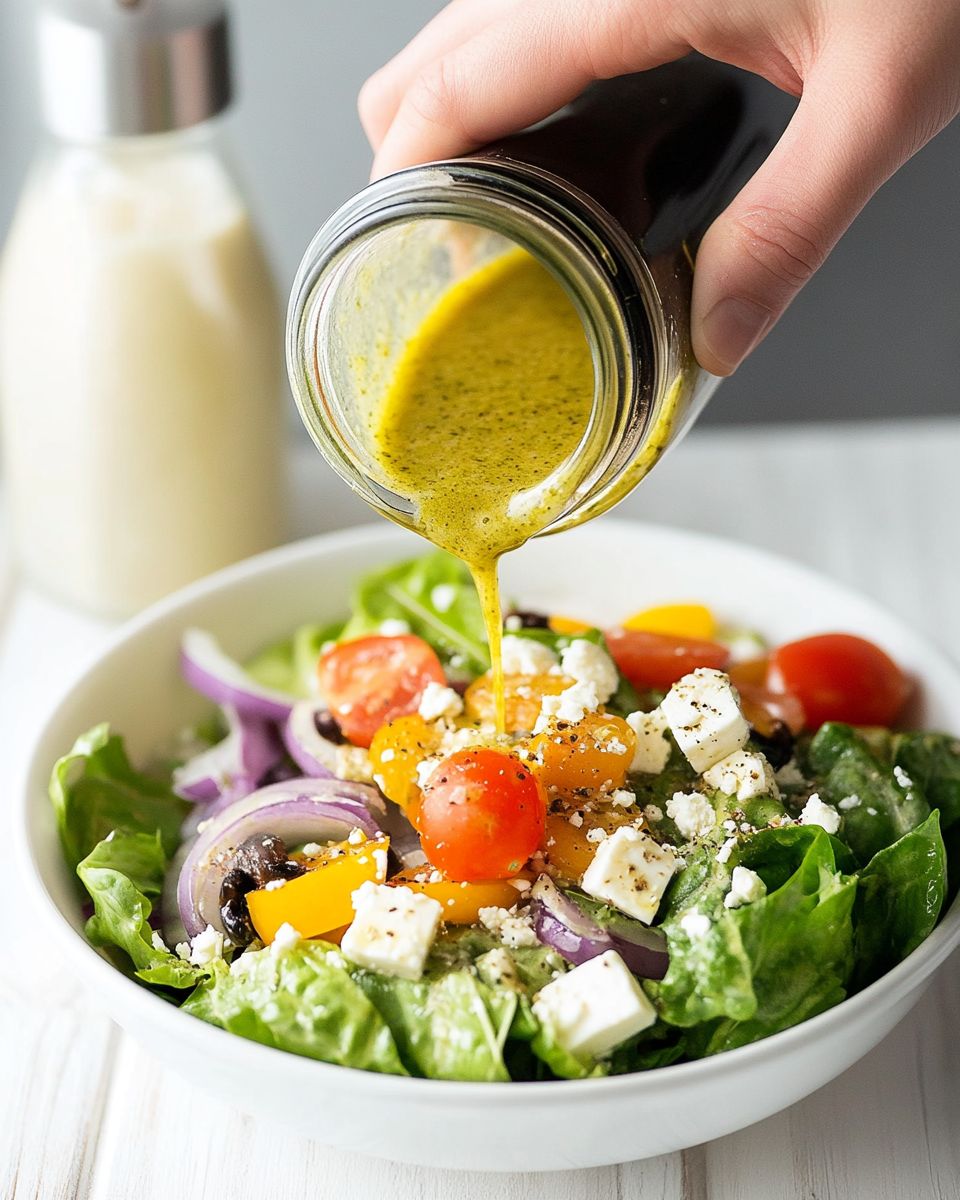
Unlike store-bought options, this dressing is made with fresh, simple ingredients. You control the flavor, texture, and salt content. With a clean, natural ingredient list, it’s a healthier and tastier alternative to bottled versions.
Quick Answer: This authentic Greek Salad Dressing comes together in under 5 minutes using pantry staples like extra-virgin olive oil, fresh lemon juice, dried oregano, and red wine vinegar. It serves as a dual-purpose condiment: a zesty topping for fresh greens and a tenderizing marinade for proteins.
There is a reason this dressing has become a staple in kitchens around the world. Beyond its vibrant taste, it offers a level of control and health benefits that store-bought bottles simply cannot match. When you make your own vinaigrette, you eliminate preservatives, excessive sodium, and low-quality oils, replacing them with heart-healthy fats and fresh antioxidants.
Why You’ll Love This Recipe
If you have been relying on supermarket dressings, making the switch to homemade will be a revelation. This Best Greek Salad Dressing recipe is designed for real life—it is fast, forgiving, and incredibly flavorful. Here is why it deserves a permanent spot in your refrigerator:
- Quick to make: It is ready in just 5 minutes, requiring no cooking or complex equipment.
- Multi-use functionality: It works double-duty as a zesty dressing for greens and a tenderizing marinade for proteins like chicken and lamb.
- Fully Customizable: You can easily adjust the acidity, salt, or creaminess (by adding feta) to suit your specific palate.
- Authentic taste: It captures the essence of the Mediterranean diet with classic ingredients like lemon, olive oil, and oregano.
- Clean Ingredients: No stabilizers, gums, or artificial flavors—just pure, whole foods.
Tools You’ll Need
To make this recipe quick and effortless, having the right tools on hand is helpful. While you don’t need fancy gadgets, a few kitchen staples will ensure the best texture and flavor extraction.
Essential Equipment List
- Mason jar (with lid): This is the secret weapon for vinaigrettes. It allows you to shake the ingredients vigorously to create a creamy emulsion without needing a whisk or bowl.
- Citrus juicer: To get the most juice out of your lemons without the seeds, a simple hand press or reamer is ideal.
- Microplane or zester: The zest contains the essential oils of the lemon. A microplane grates this outer layer finely, preventing the bitter white pith from getting into your dressing.
- Garlic press or sharp knife: Mincing garlic very finely is crucial so that it blends seamlessly into the liquid rather than leaving large, spicy chunks.
- Measuring cups and spoons: Baking requires precision, and while salad dressing is more forgiving, keeping the ratio of oil to acid correct is key for balance.
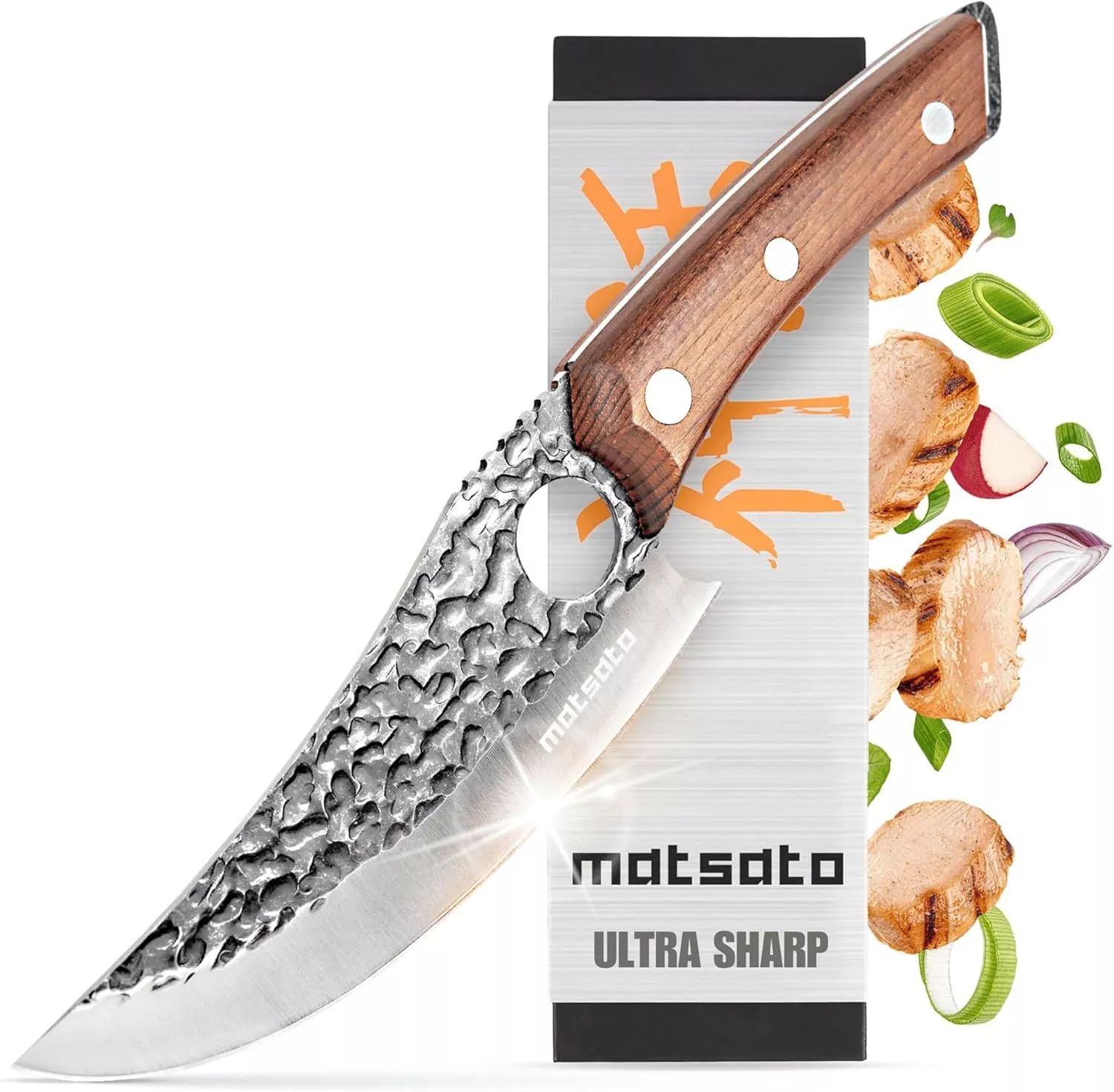
Using a sharp knife is particularly important for prepping the aromatics. A clean cut on the garlic and fresh herbs ensures they release their natural oils into the dressing rather than getting bruised.
Detailed Ingredient Breakdown
The quality of your ingredients directly impacts the final taste of this Greek Salad Dressing. Since this is a raw preparation, there is no heat to mask inferior flavors. Here is what you need to know about selecting the best components.
The Holy Trinity: Oil, Acid, and Aromatics
Extra-Virgin Olive Oil (EVOO): This is the foundation. Look for a high-quality cold-pressed oil with a flavor profile you enjoy—whether that is peppery, grassy, or fruity. Do not substitute with vegetable or canola oil; the richness of the olive oil is essential for the authentic mouthfeel.
Fresh Lemon Juice & Zest: Always choose fresh lemons over bottled juice. Bottled juice often contains preservatives that give it a flat, metallic taste. The fresh zest adds a floral, aromatic high note that juice alone cannot provide.
Red Wine Vinegar: This provides a sharp, tangy kick that cuts through the richness of the oil. It is the traditional vinegar for Greek cuisine, offering a robust flavor profile that pairs perfectly with oregano.
Flavor Enhancers
Dried Oregano: While fresh herbs are great, dried oregano is actually preferred here. It has a more concentrated, earthy flavor that stands up well to the vinegar and oil. Plus, it hydrates in the dressing, releasing its flavor over time.
Dijon Mustard: This is not just for flavor; it is a chemical necessity. Mustard acts as an emulsifier, helping the oil and vinegar bind together so the dressing stays creamy longer rather than separating immediately.
Garlic: Fresh garlic adds a spicy, savory punch. If you find raw garlic too intense, let the minced garlic sit in the lemon juice and vinegar for 5 minutes before adding the oil; the acid will “cook” the garlic slightly, mellowing its bite.
Ingredient Substitution Guide
Missing an ingredient? Use this table to find the best alternatives without compromising the integrity of the dressing.
| Original Ingredient | Best Substitute | Flavor Impact |
|---|---|---|
| Red Wine Vinegar | Apple Cider Vinegar or White Wine Vinegar | Slightly fruitier or milder, but still acidic and tangy. |
| Dijon Mustard | Honey Mustard or Mustard Powder | Honey mustard adds sweetness; powder emulsifies less effectively. |
| Dried Oregano | Dried Thyme or Italian Seasoning | Changes the herbal profile but remains Mediterranean. |
| Fresh Garlic | Garlic Powder (1/4 tsp) | Milder and less spicy, but convenient. |
| Lemon Juice | Lime Juice (in a pinch) | Changes the flavor profile significantly but provides necessary acid. |
Step-by-Step Instructions
Making this dressing is incredibly straightforward, but following the correct order of operations ensures the best emulsion and flavor distribution.
1. Prepare the Aromatics
Start by zesting your lemon before you cut it. Use a microplane to remove just the yellow outer layer. Then, juice the lemon, removing any seeds. Peel and mince your garlic clove as finely as possible, or use a garlic press.
2. The Jar Method (Recommended)
Place the mason jar on the counter. Add the olive oil, lemon juice, lemon zest, red wine vinegar, Dijon mustard, dried oregano, and minced garlic. Do not add the salt and pepper yet if you plan to add feta, as the cheese is naturally salty.
3. Shake to Emulsify
Secure the lid tightly. Shake the jar vigorously for 15–30 seconds. You want to see the color change from separated oil and vinegar to a creamy, opaque, pale yellow liquid. This indicates a stable emulsion.
4. Incorporate the Feta
If you are using crumbled feta, open the jar and add it now. Close the lid and give it a gentle shake—just enough to distribute the cheese without breaking it down into a paste. The feta adds a delicious texture and savory saltiness.
5. Taste and Season
Dip a lettuce leaf or your finger into the dressing to taste it. Now add your salt and freshly cracked black pepper. Shake one last time to combine. This “taste-as-you-go” method ensures you don’t over-salt the dressing.
Serving Suggestions Beyond Salad
While this is the Best Greek Salad Dressing, its utility extends far beyond a bowl of greens. Its robust acidity and herbal notes make it a kitchen workhorse.
As a Marinade
The combination of acid (lemon/vinegar) and oil makes this a perfect tenderizer. Use it to marinate chicken breasts, lamb chops, or pork tenderloin.
Tip: For chicken, marinate for at least 30 minutes but no longer than 4 hours to prevent the texture from becoming mealy.
Roasted Vegetable Booster
Toss hardy vegetables like potatoes, cauliflower, peppers, and zucchini in the dressing before roasting. The oil helps them brown, while the sugars in the lemon juice caramelize for a delicious glaze.
Pasta and Grain Salads
Stir the dressing into warm orzo, quinoa, or couscous. Adding the dressing while the grains are warm allows them to absorb the liquid, infusing flavor deep into the dish rather than just coating the outside.
Pro Tip for Cold Pasta Salad: Pasta tends to soak up dressing as it sits in the fridge. If making a pasta salad ahead of time, reserve about 1/3 of the dressing to toss in right before serving to keep it moist and zesty.
Common Mistakes to Avoid
Even with simple recipes, small errors can lead to lackluster results. Watch out for these common pitfalls.
- Using “Light” Olive Oil: Light olive oil is treated with heat and chemicals to remove flavor. You want the robust, fruity taste of Extra Virgin Olive Oil here.
- Skipping the Mustard: If you omit the Dijon, the oil and vinegar will separate almost instantly. If you dislike the taste of mustard, don’t worry—in this quantity, you won’t taste it, but you need it for texture.
- Over-salting before Feta: Feta cheese is brined and very salty. Always add the cheese first, then taste, then salt.
- Refrigerating Immediately: Olive oil solidifies in the fridge. If you make it ahead, remember you will need to bring it to room temperature before serving.
You May Also Like
If you enjoyed this fresh and tangy vinaigrette, check out these other delicious options from our kitchen to elevate your weekly meal prep:
Explore more: Mediterranean recipes, homemade salad dressings, and easy chicken marinade ideas.
For more background on the origins of the traditional Horiatiki salad and its cultural significance, you can read more on Wikipedia.
Frequently Asked Questions
How long does this dressing last in the refrigerator?
Since this recipe uses fresh lemon juice and raw garlic, it is best consumed within 2 to 3 weeks. Keep it stored in an airtight mason jar in the fridge to maintain freshness. Always check for any off smells before using, especially if it has been sitting for a while.
Why did the olive oil turn solid in the fridge?
Do not worry—this is actually a sign of quality! High-quality extra-virgin olive oil contains natural waxes and fats that solidify at cooler temperatures. Simply let the jar sit on the counter for 10–15 minutes or run the outside of the jar under warm water for 30 seconds, then shake vigorously to liquefy it again.
Is this Greek dressing Keto and Vegan friendly?
Yes, naturally! This dressing is low-carb and sugar-free, making it perfect for Keto and low-glycemic diets. To make it strictly Vegan or dairy-free, simply omit the crumbled feta cheese. The flavor profile will still be fantastic thanks to the robust herbs and zesty lemon.
Final Thoughts
Mastering this Greek Salad Dressing is a small culinary win that pays off in big flavor. By ditching the bottled stuff, you are not only saving money but also treating your body to wholesome, preservative-free ingredients. Whether you drizzle it over crisp cucumbers, marinate a Sunday roast chicken, or simply dip some crusty bread into it, the fresh taste of the Mediterranean is now just a shake away.
Don’t forget to keep a jar of this “liquid gold” in your fridge—it is the secret weapon that turns even the simplest weekday lunch into a gourmet experience. Once you taste the difference that fresh lemon zest and quality olive oil make, you will never go back to the store-bought aisle again.