
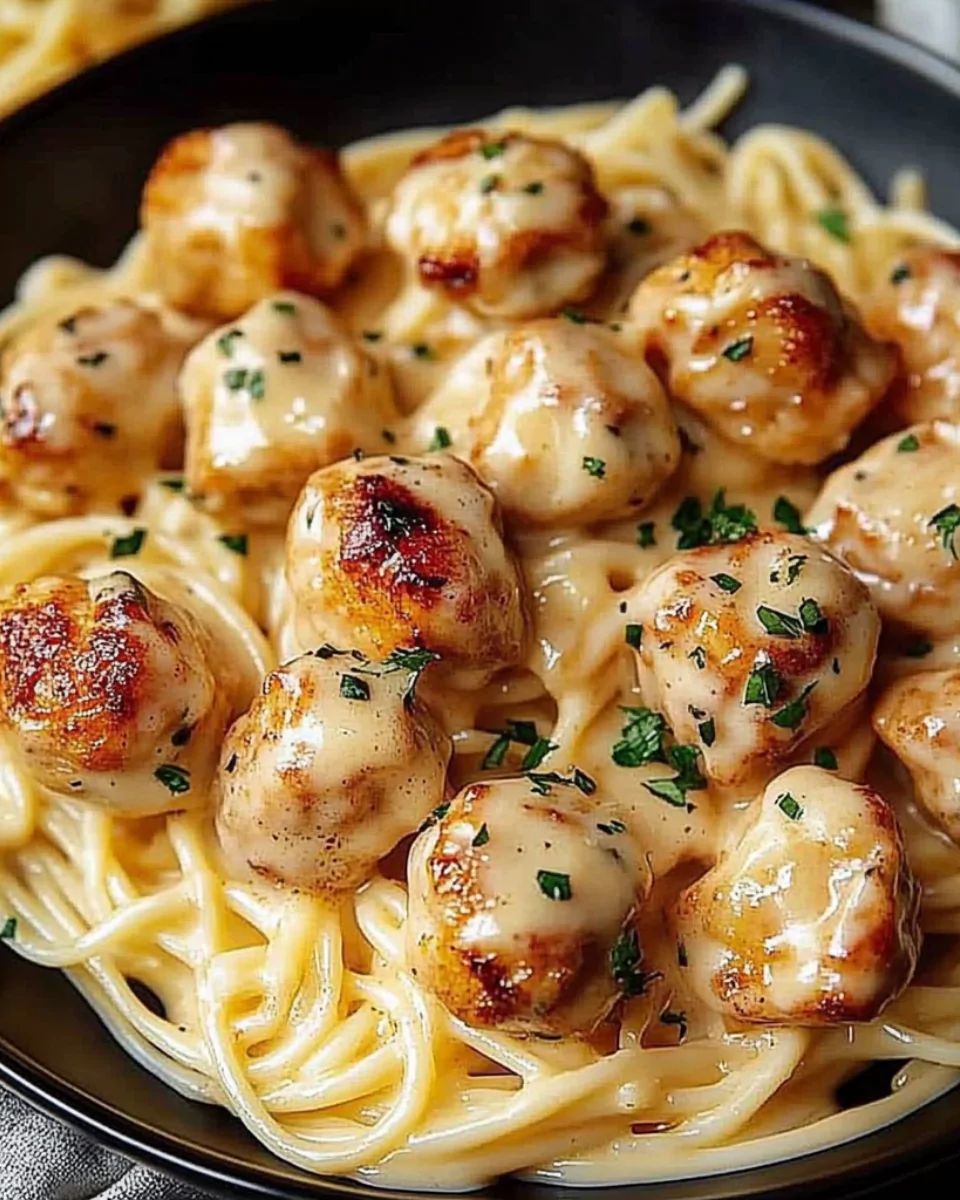
This recipe is a delightful combination of tender garlic butter chicken bites and luscious creamy Parmesan pasta. It is quick to make, bursting with flavor, and perfect for cozy dinners or entertaining guests. Whether you are craving comfort food or something elegant, this dish delivers the best of both worlds.
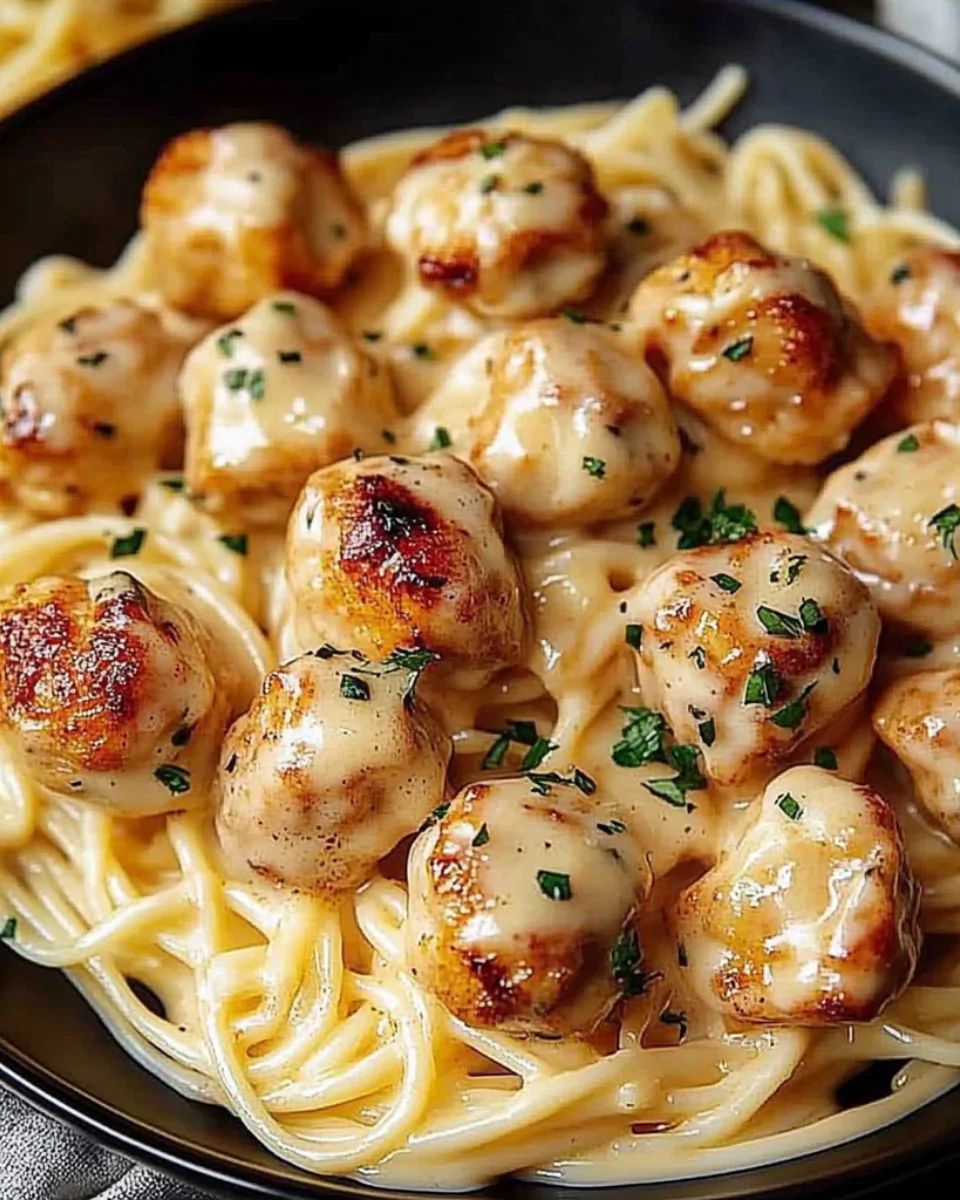
The magic of this dish lies in its simplicity. By searing the chicken in garlic butter, you lock in savory juices that later meld beautifully with the rich heavy cream and nutty Parmesan cheese. It is a restaurant-quality meal that comes together in under half an hour, making it a go-to solution for busy evenings when you need a satisfying, homemade meal without the hassle.
Quick Answer: This Garlic Butter Chicken Bites with Creamy Parmesan Pasta is a fast, 30-minute meal featuring golden, pan-seared chicken tossed in a rich homemade sauce made from heavy cream, butter, garlic, and fresh Parmesan cheese. It is the perfect balance of ease and indulgence for a weeknight dinner.
Why You Will Love This Garlic Butter Chicken Recipe
There are countless pasta dishes out there, but few strike the perfect balance between ease of preparation and gourmet flavor like this Garlic Butter Chicken Bites with Creamy Parmesan Pasta. It is designed for the modern home cook who refuses to compromise on taste despite a busy schedule. Here is why this recipe deserves a permanent spot in your weekly rotation:
- Texture Contrast: The golden, pan-seared exterior of the chicken bites provides a satisfying chew that contrasts beautifully with the soft, al dente pasta and velvety sauce.
- One-Pan Magic: While the pasta boils in a pot, the entire sauce and chicken assembly happens in a single skillet, minimizing cleanup and maximizing flavor integration.
- Crowd-Pleasing Flavors: The combination of garlic, butter, and Parmesan is a “holy trinity” of comfort food that appeals to picky eaters and foodies alike.
- High Versatility: This base recipe is a blank canvas. Whether you want to add spinach for nutrition, red pepper flakes for heat, or swap the protein, the sauce supports it all.
Essential Tools for Success
To achieve a restaurant-quality result, having the right equipment is just as important as the ingredients. You do not need a professional kitchen, but a few key tools will make the process smoother and the results more consistent.
Recommended Equipment List
- Large Skillet (12-inch): A wide surface area is crucial for searing the chicken without steaming it. Stainless steel or cast iron is preferred for developing a deep golden crust (Maillard reaction), though a high-quality non-stick pan works for easier cleanup.
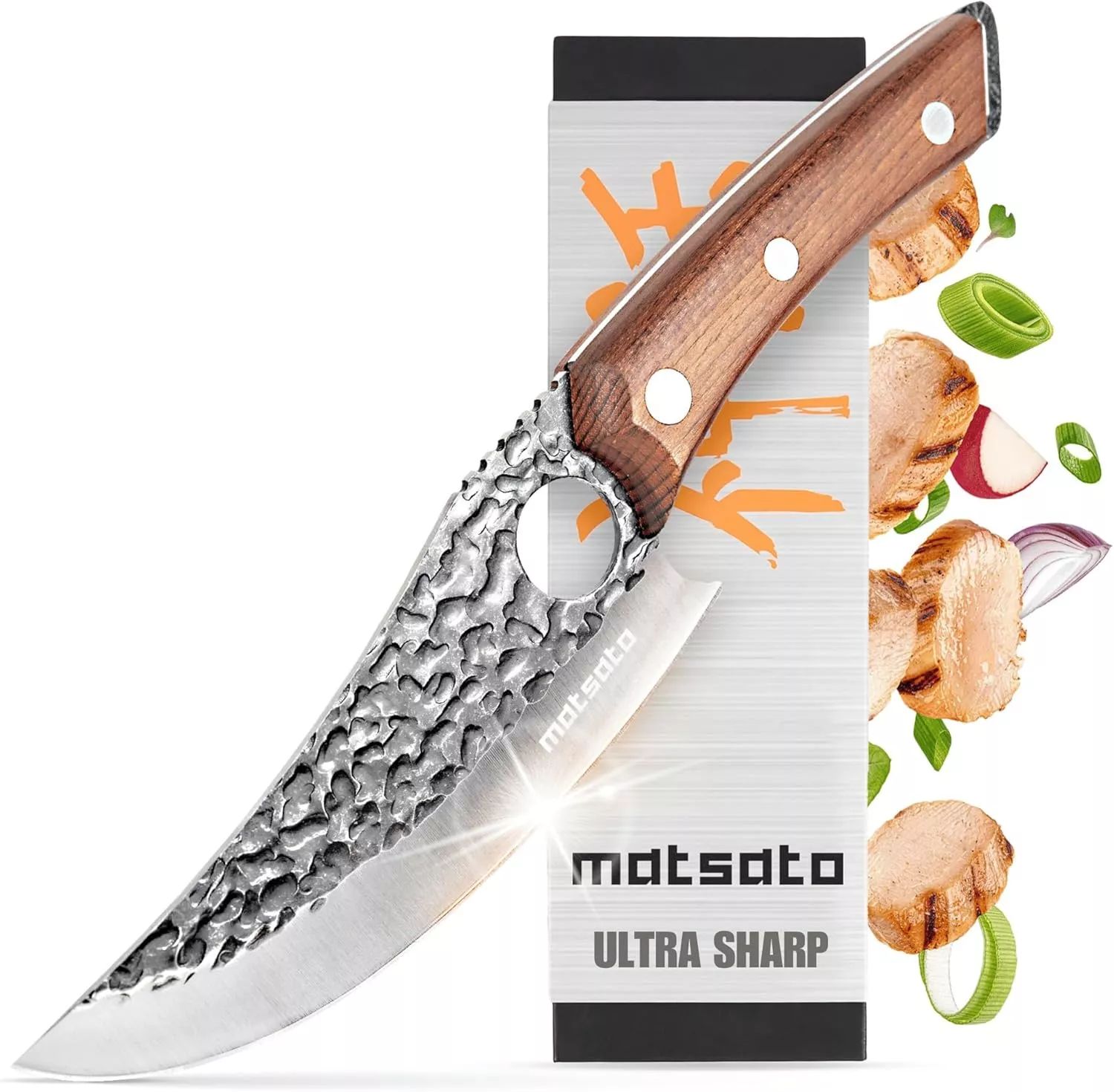
- Chef’s Knife: Essential for cubing the chicken into uniform 1-inch pieces to ensure they cook evenly.
- Microplane or Box Grater: Using freshly grated Parmesan is non-negotiable for a smooth sauce. Pre-grated cheese often contains anti-caking agents that cause grainy sauces.
- Large Stockpot: For boiling the pasta with ample water to prevent sticking.
Ingredients Breakdown and Substitutions
Understanding your ingredients is the secret to mastering this dish. Each component plays a specific functional role in creating the final flavor profile and texture.
The Protein: Chicken
We recommend using boneless, skinless chicken breasts for this recipe because they are lean and cook quickly. However, they are prone to drying out if overcooked. To ensure juicy bites, cut them into uniform sizes and avoid overcrowding the pan.
Substitution Tip: Boneless, skinless chicken thighs are a fantastic alternative. They have a higher fat content, making them more forgiving and flavorful, though they may require an extra minute or two of cooking time.
The Pasta
Short pasta shapes are ideal here because their nooks and crannies hold the thick, creamy sauce effectively. Penne, Rotini, or Fusilli are top choices. Long noodles like Fettuccine can work, but the bite-sized nature of short pasta matches the chicken pieces better for a balanced forkful.
The Creamy Sauce Components
The sauce relies on a high fat content to remain stable when heated. Heavy cream (or double cream) is the gold standard here. It reduces into a thick, luxurious consistency without curdling.
| Ingredient | Primary Function | Best Substitute |
|---|---|---|
| Heavy Cream | Provides richness and stability to the sauce. | Half-and-half (simmer gently to avoid splitting) or coconut milk for dairy-free. |
| Parmesan Cheese | Adds salty, nutty umami flavor and thickens sauce. | Pecorino Romano (saltier) or Asiago (nuttier). |
| Butter | Base for sautéing and flavor carrier for garlic. | Olive oil or ghee (higher smoke point). |
| Fresh Garlic | The primary aromatic flavor punch. | Garlic powder (use 1/2 tsp per clove) in a pinch, though fresh is superior. |
Step-by-Step Cooking Instructions
Follow this detailed guide to ensure your chicken is juicy and your sauce is perfectly emulsified.
1. Perfecting the Pasta
Begin by bringing a large pot of water to a rolling boil. Season the water generously with salt—it should taste like the ocean. This is your only chance to flavor the pasta itself. Cook the pasta to al dente (usually 1-2 minutes less than the package instructions) because it will continue to cook slightly when tossed in the hot sauce later. Reserve about ½ cup of starchy pasta water before draining.
2. Searing the Chicken
While the pasta cooks, melt the butter in your large skillet over medium-high heat. Add the chicken cubes in a single layer. If your pan is small, cook in batches. The goal is to sear the meat, not steam it. Let the chicken sit undisturbed for 2-3 minutes to develop a golden crust before flipping. Once cooked through (internal temp of 165°F), remove the chicken and set aside. This prevents it from becoming rubbery while you build the sauce.
3. Building the Emulsion
Reduce the heat to medium. In the same pan (do not wipe out the brown bits—that is pure flavor!), add the minced garlic. Sauté for just 30-60 seconds until fragrant. Be careful not to burn it, or the sauce will taste bitter.
Pour in the heavy cream while scraping the bottom of the pan with a wooden spoon to deglaze those tasty browned bits (fond). Bring the cream to a gentle simmer. Do not let it boil vigorously, as high heat can cause dairy to separate.
4. The Meltdown
Gradually whisks in the freshly grated Parmesan cheese. Adding it slowly helps it melt evenly into the cream, creating a smooth, velvety texture. Continue to simmer for 3-5 minutes until the sauce coats the back of a spoon. Season with black pepper and salt—taste as you go, since Parmesan is naturally salty.
5. The Final Toss
Return the cooked pasta and the chicken (along with any resting juices) to the skillet. Toss everything together gently until every component is coated in the glossy sauce. If the sauce is too thick, add a splash of the reserved pasta water to loosen it up. Garnish immediately with fresh basil or parsley to cut through the richness.
Expert Tips for a Flawless Dish
Chef’s Secret: If your sauce breaks (looks oily or separated), take the pan off the heat and whisk in a tablespoon of cold water or heavy cream vigorously. This helps re-emulsify the fats and solids for a smooth finish.
- Room Temperature Ingredients: Take your heavy cream and butter out of the fridge 15 minutes before cooking. Cold dairy hitting a hot pan is more likely to curdle.
- Garlic Timing: Never add garlic at the very beginning with the high-heat sear of the chicken. Garlic burns quickly and will ruin the base of your sauce. Add it just before the cream.
- The “Al Dente” Rule: Since you will be tossing the pasta in hot sauce, undercooking it slightly in the boiling water ensures it has the perfect bite when served, rather than becoming mushy.
Creative Variations
Once you master the base recipe, try these twists to keep dinner exciting:
- Cajun Twist: Season the chicken with Cajun spices and add sliced bell peppers for a Southern-inspired kick.
- Florentine Style: Stir in 2 cups of fresh baby spinach and some sun-dried tomatoes right before adding the pasta for a burst of color and nutrition.
- Lemon Zest: Grate the zest of half a lemon into the finished sauce to add brightness and acidity, cutting through the heavy cream.
You May Also Like
If you enjoyed this comforting meal, be sure to explore more delicious options on our site: Easy Chicken Recipes, Creamy Pasta Dishes, and Quick 30-Minute Meals.
Source: Wikipedia – Parmigiano Reggiano
Frequently Asked Questions
Can I substitute milk for the heavy cream?
Yes, but with a caveat. Heavy cream provides the stability needed to prevent curdling when heated with salt and cheese. If you choose to use whole milk or half-and-half, keep the heat very low and consider whisking in a teaspoon of flour or cornstarch to help thicken the sauce without it splitting.
How do I store and reheat leftovers?
Store leftovers in an airtight container in the refrigerator for up to 3 days. When reheating, the sauce may thicken significantly. We recommend reheating gently on the stove with a splash of water or extra cream to loosen the sauce back to its original silky consistency.
Can I make this recipe gluten-free?
Absolutely. Since the sauce relies on reduction and cheese for thickness rather than a flour roux, it is naturally gluten-friendly. Simply swap the standard wheat pasta for your favorite gluten-free pasta brand (chickpea or brown rice pasta works well) and ensure your spices are certified gluten-free.
Final Thoughts
This Garlic Butter Chicken Bites with Creamy Parmesan Pasta is more than just a quick dinner; it is a reliable way to bring restaurant-quality comfort food into your kitchen with minimal effort. The combination of savory garlic butter and rich Parmesan sauce creates a flavor profile that feels sophisticated yet accessible for any home cook.
We hope this dish becomes a new favorite in your household rotation. Whether you are cooking for a busy weeknight or a special occasion, this recipe delivers satisfaction in every bite. Happy cooking!


