
I didn’t grow up eating traditional Irish stew—my mom’s version of “stew night” usually meant cracking open a can. However, when I discovered you could craft a hearty, stick-to-your-ribs stew using ground beef instead of expensive stew meat, it completely revolutionized my dinner rotation.
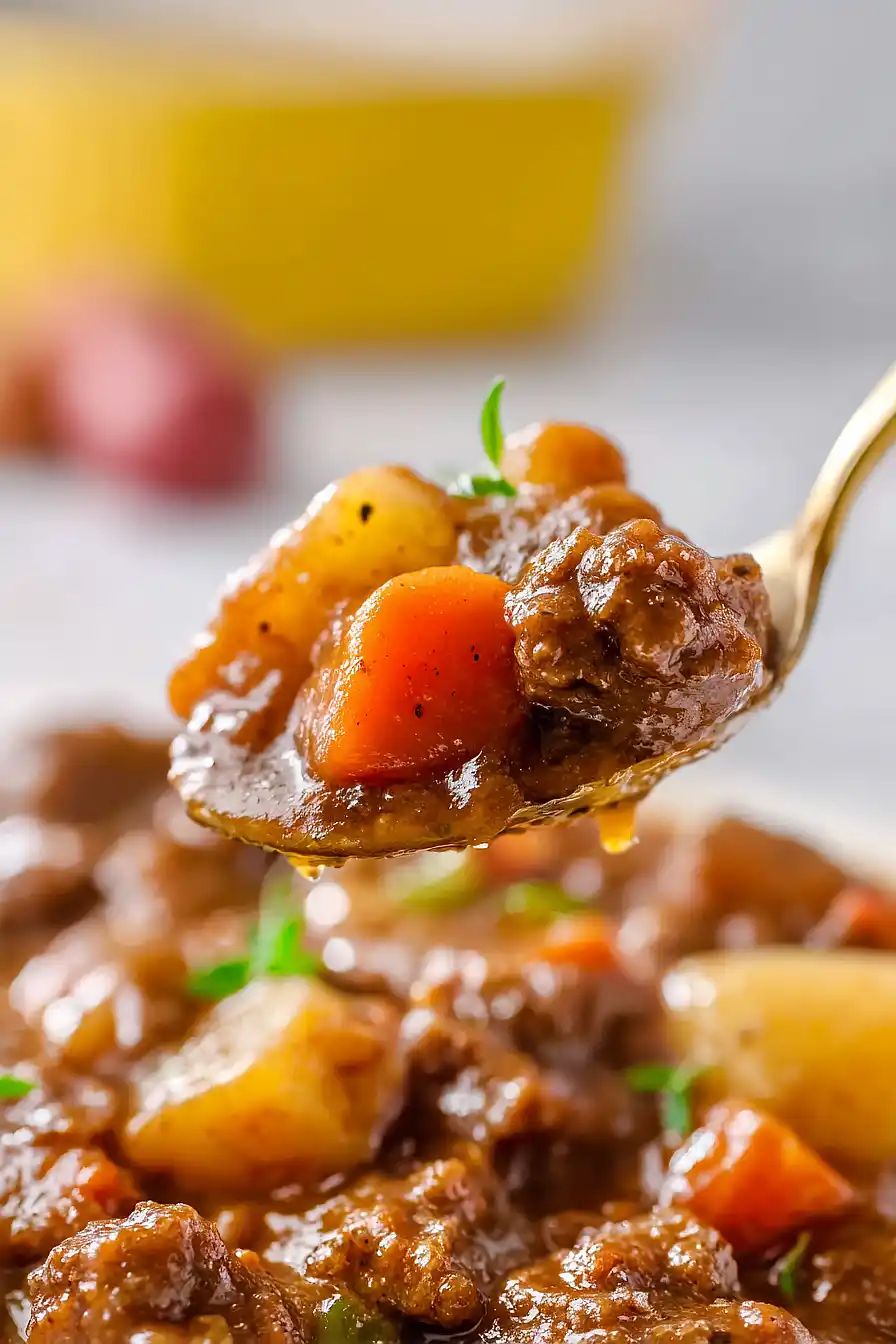
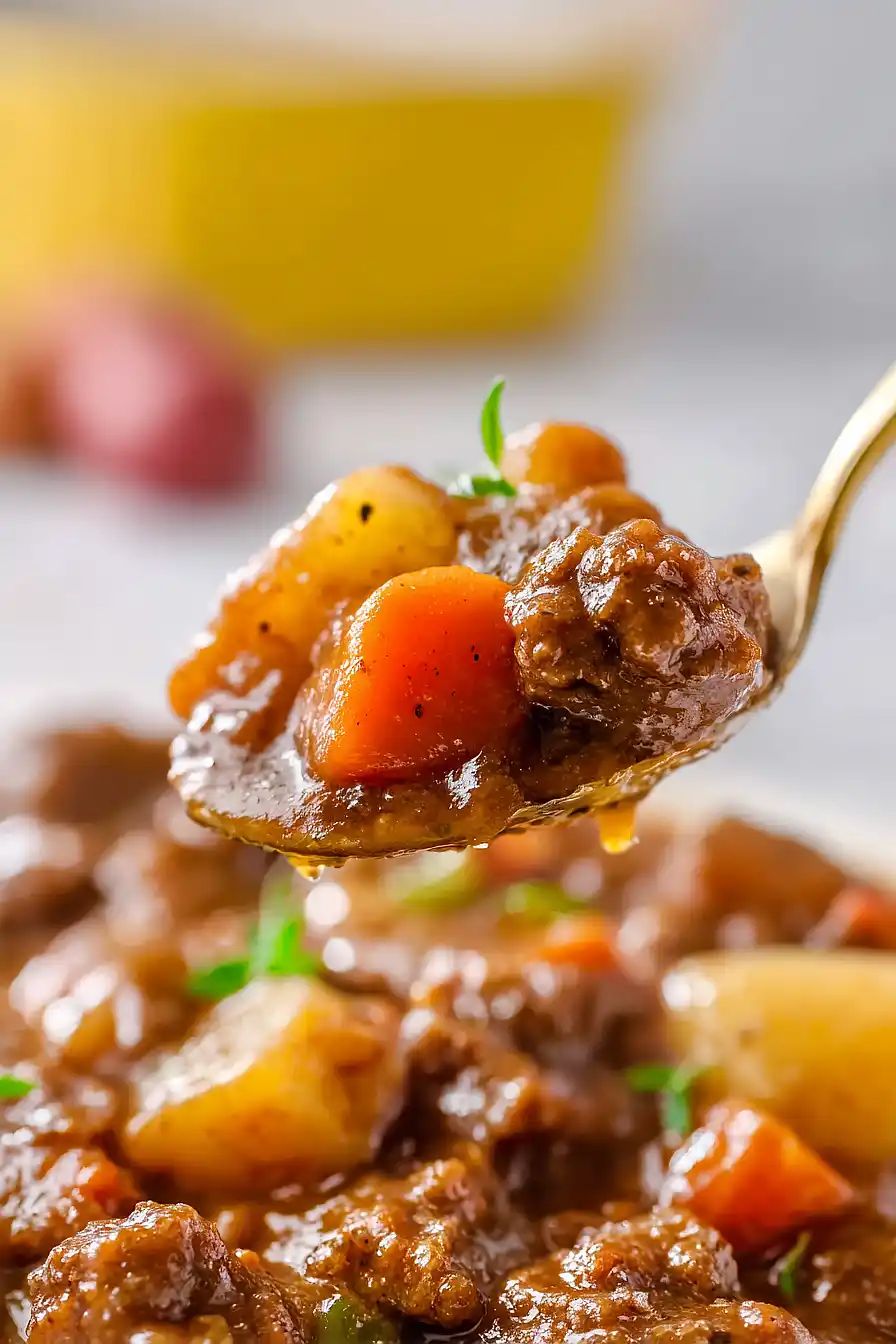
This Irish ground beef stew captures all the comforting essence of the classic dish without the long cooking times or the risk of tough meat. Because ground beef breaks down quickly and absorbs those rich, savory flavors, this becomes a weeknight-friendly meal that tastes like it has been simmering all day. It is forgiving, fast, and incredibly satisfying.
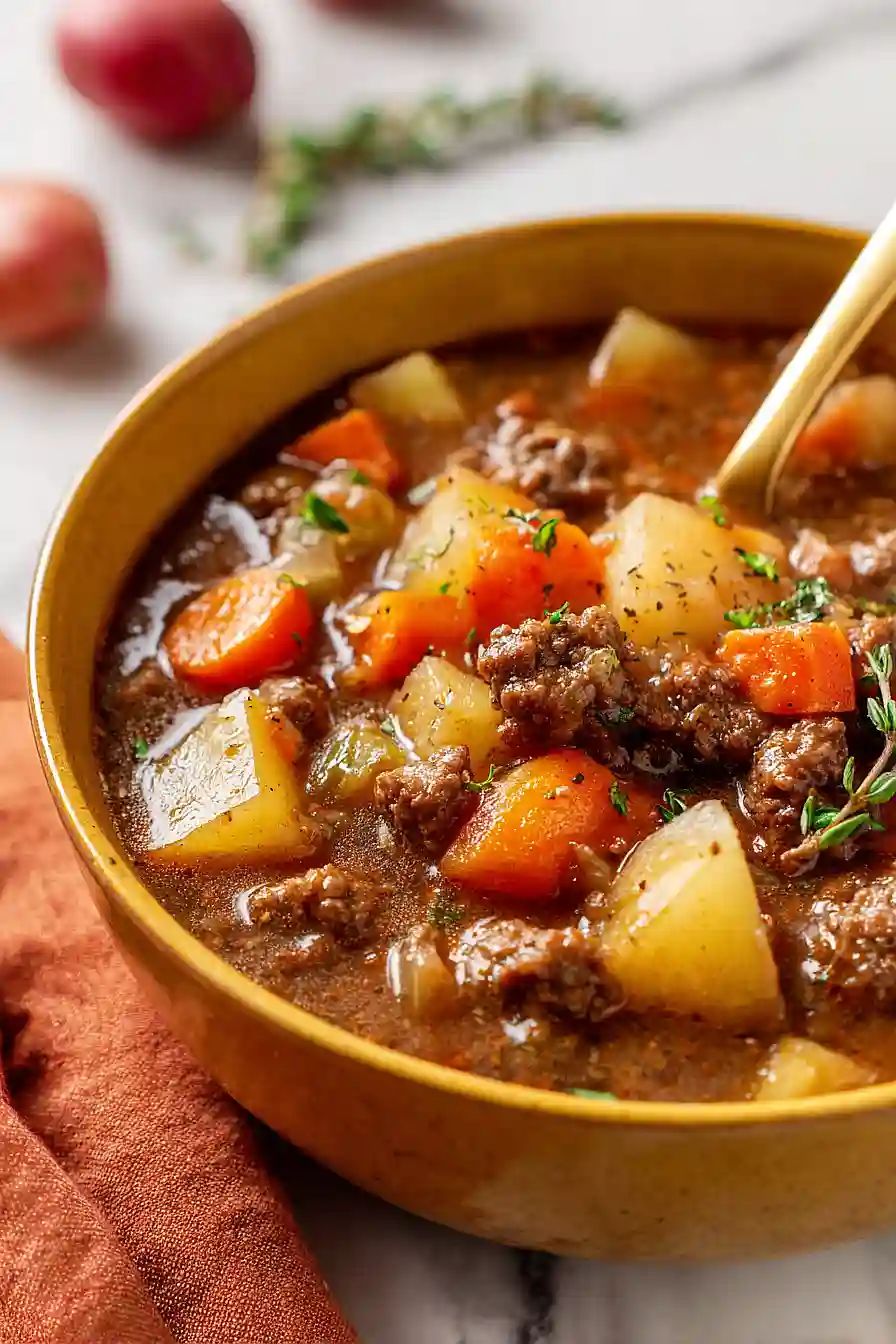
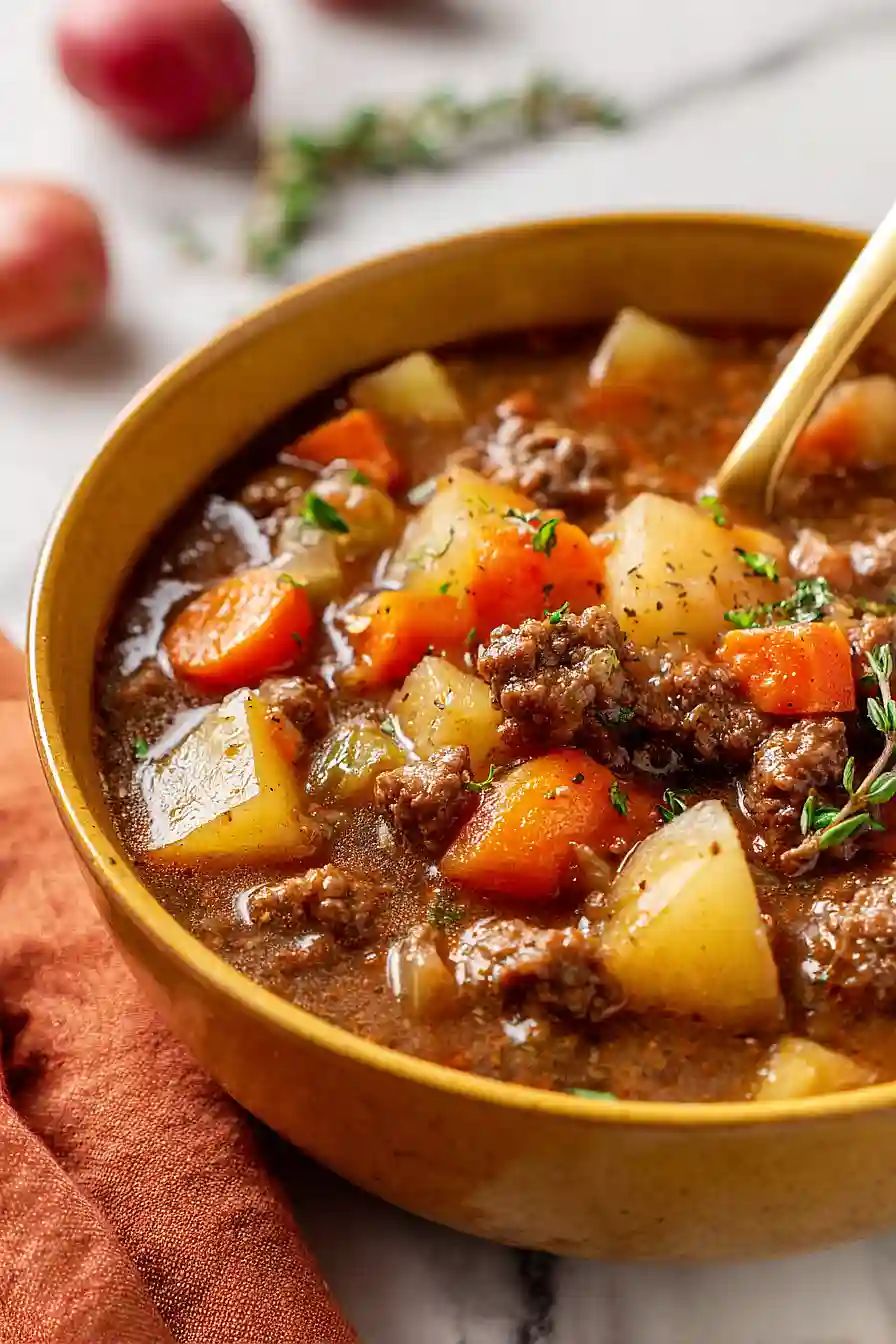
Quick Answer: This Irish Ground Beef Stew is the ultimate budget-friendly hack for classic comfort food. By swapping traditional cuts for ground beef (80/20 recommended), you create a rich, savory one-pot meal that is ready in under 60 minutes. It pairs perfectly with crusty bread and improves in flavor the next day!
Why You’ll Love This Irish Ground Beef Stew
There are countless reasons this stew deserves a permanent spot in your weekly meal rotation. It bridges the gap between culinary convenience and deep, soulful comfort food. Here is why this recipe stands out from the crowd:
- Budget-Friendly Twist: Traditional stews often call for chuck roast or lamb shoulder, which can get expensive. Using ground beef significantly cuts costs while still delivering that rich, meaty flavor profile you crave.
- Time-Saving Magic: A classic beef stew requires 2-3 hours of simmering to break down connective tissue. Ground beef is tender from the start, meaning you can have a full-bodied stew on the table in under an hour.
- Textural Contrast: Unlike many stews where vegetables can turn to mush, this recipe utilizes a roasting technique for the potatoes, ensuring they maintain a delightful bite and golden exterior.
- Pantry Staple Hero: You likely have 90% of these ingredients in your kitchen right now. It is the ultimate “clean out the fridge” meal that tastes gourmet.
The Secret Technique: Roasting vs. Boiling
Most stew recipes instruct you to boil the potatoes directly in the broth. While this is traditional, it often leads to starchy, disintegrating potatoes that muddy the flavor of the soup. This recipe employs a game-changing technique: pre-roasting the potatoes.
Why Roasting Makes a Difference
By roasting the Yukon Gold cubes at high heat (450°F) while the stew simmers, you achieve two things:
- Flavor Development: Roasting caramelizes the natural sugars in the potato, adding a nutty, complex flavor that boiling simply cannot replicate.
- Structural Integrity: The high heat creates a “skin” or crust on the potato cubes. When you add them to the stew at the very end, they stay firm and distinct rather than dissolving into the sauce.
Chef’s Tip: Don’t skip the step of tossing the potatoes in oil and salt before roasting. This seasoning layer ensures the potatoes are delicious on their own, not just as a vessel for the gravy.
What Kind of Ground Beef Should I Use?
The choice of meat is the foundation of your stew’s flavor profile. Because ground beef cooks so differently than whole cuts, selecting the right fat ratio is critical for maintaining moisture and flavor.
For this Irish stew, I highly recommend using ground beef with a fat content between 80/20 (chuck) and 85/15. Here is why fat matters:
- Flavor Transport: Fat carries flavor. An 80/20 blend renders enough fat to sauté your aromatics (onions, carrots, celery) without needing excessive extra oil.
- Moisture Retention: Leaner blends, like 90/10 or 93/7, tend to dry out quickly when simmered. If you must use lean beef, be prepared to add a splash more olive oil or butter to the broth to compensate for the lost richness.
If you find the stew too greasy after browning an 80/20 blend, simply tilt the pot and spoon off a tablespoon or two of the rendered fat before adding your vegetables. It is always better to start with flavor and remove fat later than to start with dry meat.
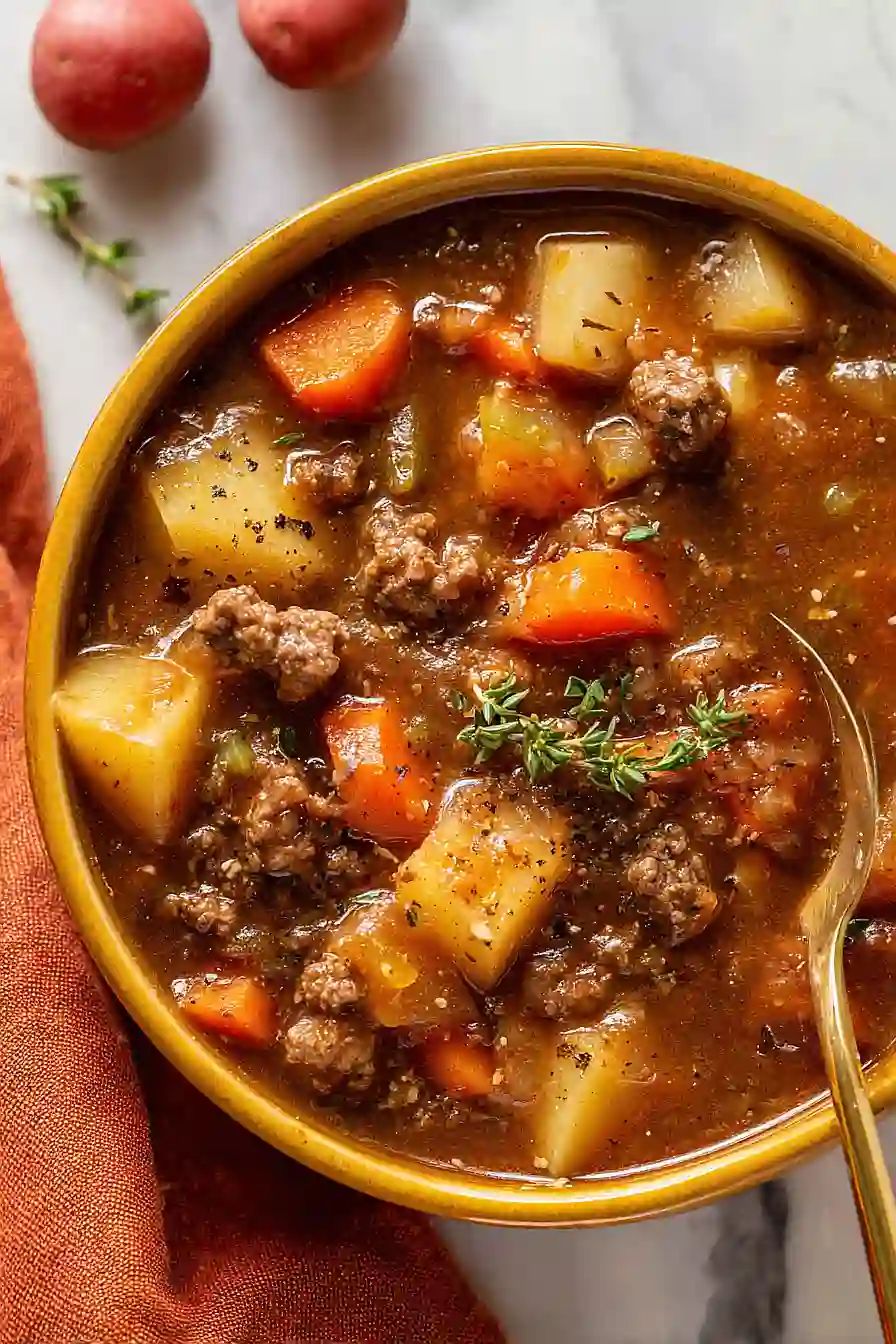
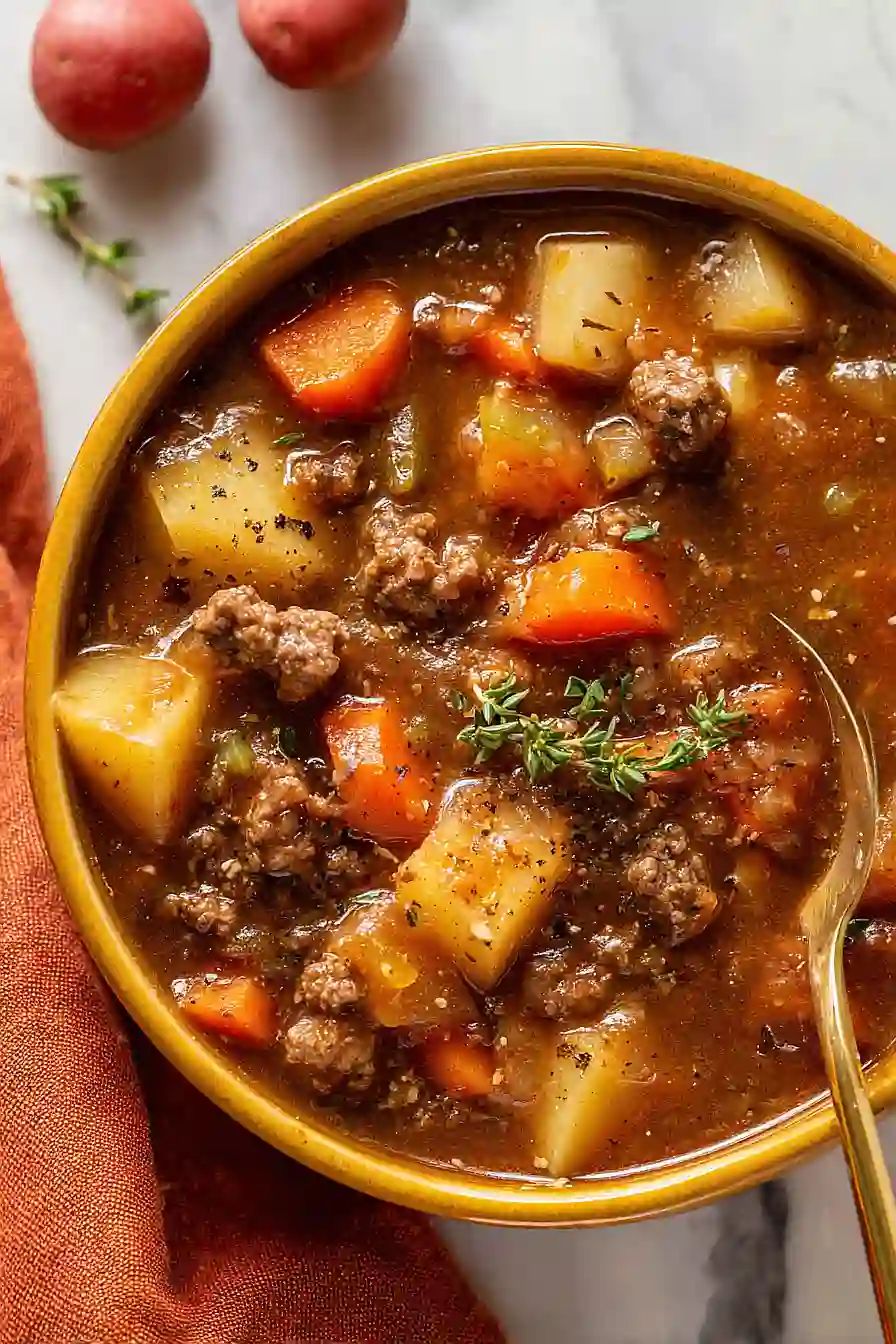
Ingredient Deep Dive & Substitution Guide
This stew is incredibly forgiving. While the classic recipe aims for traditional Irish flavors, your kitchen reality might require some improvisation. Below is a guide to swapping ingredients without sacrificing the soul of the dish.
The “Holy Trinity” of Vegetables
The base of this stew relies on the classic mirepoix combo: onions, carrots, and celery. However, you can easily bulk this up. Parsnips are a fantastic, sweet addition that mimics the texture of carrots. Turnips or rutabaga add a slightly bitter, earthy note that pairs beautifully with beef.
Substitution Table
| Original Ingredient | Best Substitute | Notes on Flavor/Texture Change |
|---|---|---|
| Beef Broth | Vegetable Broth + Soy Sauce | The soy sauce adds the necessary “umami” depth that vegetable broth lacks. |
| Fresh Thyme | Dried Thyme or Rosemary | Use 1/3 the amount if using dried herbs (they are more potent). Rosemary adds a piney scent. |
| Yukon Gold Potatoes | Russet or Red Potatoes | Russets are starchier and may fall apart faster; Red potatoes hold shape well but are waxier. |
| Worcestershire Sauce | Steak Sauce or Balsamic Vinegar | Balsamic adds acidity; Steak sauce adds similar spice notes. |
| Ground Beef | Ground Lamb or Turkey | Lamb makes it a true “Shepherd’s Pie” flavor profile; Turkey requires more seasoning. |
Watch Out for These Mistakes While Cooking
Even with a recipe this simple, a few common pitfalls can prevent your stew from reaching “restaurant quality” status. Pay attention to these technical details to ensure a velvety, rich result.
1. The “Grey Meat” Problem
The biggest mistake is not browning the meat properly. If you overcrowd the pot or stir too constantly, the beef will steam in its own juices rather than sear. You want that Maillard reaction—the browning of proteins—to occur. Let the beef sit for a minute before breaking it up.
2. The Lumpy Gravy
This recipe uses a “roux” method where flour is dusted over the sautéed vegetables and meat.
Crucial Step: You must stir the flour into the fat and vegetables for at least 2 full minutes before adding broth. This cooks out the raw flour taste. If you add flour directly to the boiling liquid later, you will end up with unappetizing gummy lumps.
3. Rushing the Simmer
Although this is a “quick” stew, those 10 minutes of simmering are non-negotiable. This time allows the flour to fully hydrate and thicken the broth, and it lets the thyme infuse the liquid. If you rush it, the broth will be thin and watery.
What to Serve With Irish Ground Beef Stew?
Because this stew is a “one-pot wonder” containing protein, starch (potatoes), and veggies, it is technically a complete meal. However, the right sides can elevate the dining experience.
- Crusty Bread: A baguette, sourdough, or traditional Irish Soda Bread is essential for “mopping up” the rich gravy at the bottom of the bowl.
- Acidic Contrast: The stew is very rich and savory. Serve a bright, acidic side salad with a lemon vinaigrette or apple cider vinegar dressing to cut through the heaviness.
- Pickled Vegetables: A side of pickled beets or red cabbage is a very traditional Irish accompaniment that adds a sharp, refreshing crunch.
- Beverage Pairing: A pint of Guinness or a robust stout beer complements the deep beef flavors perfectly. For wine drinkers, a Cabernet Sauvignon or heavy Merlot holds up well against the savory broth.
Storage and Freezing Instructions
One of the best secrets of stews and curries is that they often taste better the next day. As the dish sits, the flavors continue to meld and deepen.
Refrigeration
Store the stew in an airtight container in the refrigerator for up to 4 days. Note that the stew will thicken significantly as it cools because of the potatoes and flour. When reheating, you may need to add a splash of water or broth to loosen it up to your desired consistency.
Freezing Guide
This stew freezes surprisingly well, despite the potatoes (roasting them helps them survive the freeze better!).
- Cool Completely: Never put hot stew in the freezer; it raises the freezer temperature and creates ice crystals.
- Portioning: Freeze in individual portions using freezer-safe bags or silicone cubes. This makes lunch prep effortless.
- Duration: Use within 3 months for best quality.
- Thawing: Thaw overnight in the fridge. Reheat gently on the stovetop rather than high heat in the microwave to prevent the potatoes from becoming grainy.
You May Also Like
If this hearty stew has warmed your soul, you will love exploring these other comforting favorites from our kitchen. Whether you are looking for more budget-friendly beef options or another cozy winter warmer, we have you covered:
- Easy Ground Beef Recipes – Discover versatile ways to turn a simple package of mince into a gourmet meal.
- Hearty Winter Soups – Browse our collection of soups that are perfect for chilly evenings.
- One Pot Meals – Minimize cleanup with these delicious all-in-one dinner solutions.
- Traditional Irish Recipes – Explore more rustic and authentic flavors from the Emerald Isle.
For those interested in the culinary history behind this dish, you can read more about the origins and evolution of Traditional Irish Stew on Wikipedia.
Frequently Asked Questions
Can I make this stew in a slow cooker or Crockpot?
Absolutely. To adapt this for a slow cooker, brown the ground beef and onions in a skillet first (this is crucial for flavor). Transfer the meat mixture and all other ingredients (except the roasted potatoes) into the slow cooker. Cook on Low for 6-8 hours or High for 3-4 hours. I still recommend roasting the potatoes separately and adding them in the last 30 minutes to maintain that perfect texture, otherwise, they may become too soft.
How can I thicken the stew if it seems too watery?
If your stew isn’t as thick as you’d like after simmering, you can easily fix it with a cornstarch slurry. Mix 1 tablespoon of cornstarch with 1 tablespoon of cold water until smooth, then stir it into the bubbling stew. Let it cook for another 2-3 minutes, and it will thicken right up. Alternatively, you can mash a few of the potato cubes against the side of the pot to release their natural starch.
Is this recipe gluten-free?
As written, this recipe contains flour in the roux and potentially gluten in the Worcestershire sauce. To make it 100% gluten-free, swap the all-purpose flour for a 1:1 gluten-free flour blend or use cornstarch (added as a slurry at the end) for thickening. Also, ensure you are using a certified gluten-free brand of beef broth and Worcestershire sauce.
Final Thoughts
This Comforting Irish Ground Beef Stew is proof that you don’t need expensive cuts of meat or hours of preparation to create a meal that feels special. By utilizing humble ingredients like ground beef and root vegetables, and elevating them with a simple roasting technique, you can put a dinner on the table that tastes like it has been simmering in a country cottage all day. It is the perfect antidote to a busy weeknight or a cold, rainy evening.
We hope this recipe becomes a staple in your home just as it has in ours. Remember, the best meals are the ones that bring people together, and nothing draws a crowd quite like the smell of savory beef and thyme wafting from the kitchen. Enjoy every spoonful!

