
There is something inherently nostalgic about the scent of butter and sugar caramelizing in a warm oven. Traditional shortbread has always been a beloved staple for its simplistic, melt-in-your-mouth elegance. However, when you introduce the vibrant colors and sophisticated textures of tart cranberries, earthy pistachios, and decadent white chocolate, you transform a classic biscuit into a world-class confection.
These Cranberry Pistachio Shortbread Cookies are a masterclass in flavor balance. The richness of the high-fat butter serves as the perfect canvas for the salty crunch of roasted pistachios and the chewy, acidic pop of dried cranberries. Whether you are looking for the star of your holiday cookie swap or a gourmet accompaniment to your afternoon tea, this recipe delivers a professional-grade result with accessible techniques.
Quick Answer: Cranberry Pistachio Shortbread Cookies are a premium holiday treat made by folding dried fruit, toasted nuts, and white chocolate into a classic buttery dough. The key to their signature texture is using room-temperature butter and chilling the dough for at least two hours before slicing to ensure a crisp, clean bake.
Why You Will Love This Gourmet Shortbread
Before diving into the mixing bowl, it is important to understand what makes this specific combination so successful. Unlike standard sugar cookies, shortbread relies on a high fat-to-flour ratio, which creates that iconic crumbly texture. The addition of white chocolate doesn’t just add sweetness; it provides a creamy mouthfeel that bridges the gap between the crunchy nuts and the tart fruit.
The Perfect Flavor Profile
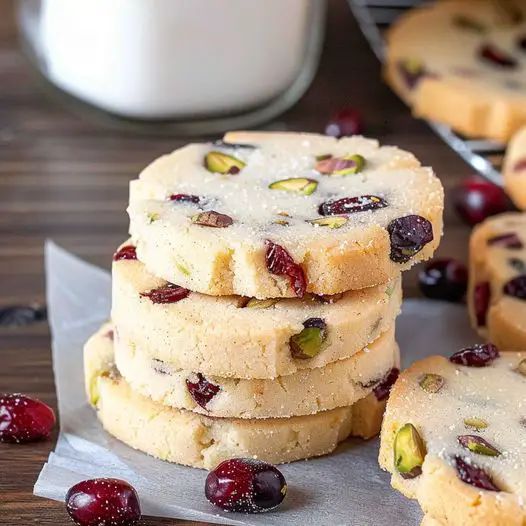
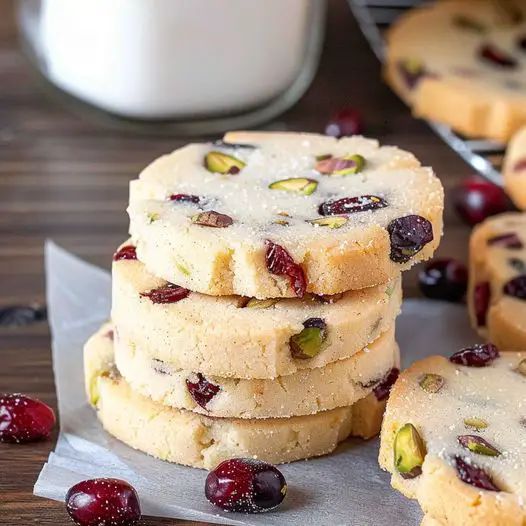
- Visual Appeal: The festive red and green flecks make these naturally beautiful for gifting.
- Texture Contrast: You get the snap of the shortbread, the chew of the cranberry, and the crunch of the pistachio in every bite.
- Make-Ahead Friendly: The dough logs can be prepared days in advance and sliced right before guests arrive.
Essential Ingredients for Gourmet Shortbread
The beauty of a Cranberry Pistachio Shortbread Cookie lies in its simplicity. Because shortbread has no leavening agents like baking powder or soda, the integrity of each ingredient is paramount. To achieve that professional “snap” and buttery finish, you must select high-quality components.
The Fat: Why Butter is King
Butter is the most critical ingredient in this recipe. It provides the flavor, the texture, and the structure. For the best results, use unsalted European-style butter, which typically has a higher butterfat content and lower moisture level than standard grocery store brands. This leads to a richer flavor and a more tender crumb.
- Temperature Matters: Your butter should be at a “cool” room temperature (about 65°F or 18°C). If it is too oily, the cookies will spread; if it is too cold, it won’t cream properly with the sugar.
- Unsalted vs. Salted: Always use unsalted butter so you can precisely control the salt levels in your dough.
The Dry Components: Flour and Sugar
All-purpose flour provides the necessary structure. In shortbread, we want to minimize gluten development to keep the cookie tender rather than chewy. Granulated sugar is preferred over powdered sugar here to provide a slight crispness to the edges.
| Ingredient | Role in Recipe | Pro Tip |
|---|---|---|
| All-Purpose Flour | Structure and Base | Spoon and level your measuring cup to avoid using too much flour. |
| Granulated Sugar | Sweetness and Texture | Cream thoroughly with butter to create micro-air pockets. |
| Sea Salt | Flavor Enhancer | A fine sea salt distributes more evenly than coarse kosher salt. |
Selecting Your Mix-ins: Cranberries, Pistachios, and Chocolate
The “trinity” of flavor in this cookie—red cranberries, green pistachios, and white chocolate—is what makes it a visual and culinary masterpiece. However, not all mix-ins are created equal. To ensure your cookies don’t become soggy or overly salty, follow these selection guidelines.
The Pistachios: Roasting for Maximum Flavor
Always start with unsalted, shelled pistachios. Raw pistachios can sometimes be a bit soft; for the best “crunch,” lightly toast them in a dry pan over medium heat for 3-5 minutes until they become fragrant. This releases the natural oils and intensifies the nutty aroma that defines these cookies.
The Cranberries: Balancing Tartness
Use sweetened dried cranberries (Craisins). If your cranberries feel particularly hard or “leathery,” you can soak them in hot water for 5 minutes, then thoroughly pat them dry before adding them to the dough. This ensures they remain chewy rather than tooth-shattering after baking.
White Chocolate: Choosing Quality
Since white chocolate is primarily cocoa butter and sugar, cheap versions often contain hydrogenated oils that leave a waxy film on the palate. Look for a brand where “cocoa butter” is listed as the primary fat source. Chopping a bar of chocolate into irregular chunks is often superior to using chips, as the smaller shards melt into the dough while larger pieces provide a decadent bite.
Expert Insight: For an extra layer of sophistication, add the zest of one medium orange to the dough. The citrus oils brighten the heavy butter and pair perfectly with both the cranberries and the white chocolate.
Step-by-Step Execution: Mastering the Technique
Making shortbread is a process of temperature control. Follow these steps to ensure your cookies look as good as they taste.
1. The Creaming Process
Begin by beating your room-temperature butter and sugar. Unlike a cake where you want significant aeration, for shortbread, you only need to cream them until the mixture is pale and smooth (about 2-3 minutes). Over-creaming can introduce too much air, causing the cookies to puff and then collapse in the oven.
2. Incorporating the Dry Ingredients
Turn your mixer to the lowest setting. Add the flour and salt in two batches. Stop the mixer when you still see a few streaks of flour remaining. This prevents the overworking of gluten, which is the “secret” to a melt-in-your-mouth texture.
3. Folding in the Jewels
Using a sturdy spatula, fold in the chopped pistachios, cranberries, and white chocolate by hand. This ensures the mix-ins are evenly distributed without breaking the delicate structure of the dough.
- Check Consistency: If the dough is too crumbly to hold its shape when squeezed, add 1 teaspoon of cold water.
- Divide: Split the dough into two equal portions for easier handling.
- Log Rolling: Use parchment paper to help roll the dough into tight, 2-inch cylinders.
The Science of Chilling and Slicing
You might be tempted to skip the chilling phase, but it is the difference between a professional cookie and a “sad spread.” Chilling serves two purposes: it solidifies the butter so the cookies hold their height, and it allows the flour to fully hydrate, resulting in a more uniform flavor.
Chilling Guidelines
| Timeframe | Result |
|---|---|
| 30 Minutes | Too soft; cookies will likely spread and lose their circular shape. |
| 2 Hours (Minimum) | Ideal; the butter is firm enough for clean, sharp slices. |
| 24-48 Hours | Best Flavor; the ingredients have fully melded. Perfect for prep-ahead baking. |
Achieving the Perfect Slice
When you are ready to bake, use a very sharp, thin-bladed knife (a serrated knife can sometimes tear the fruit/nuts). If the dough is too hard and starts to crack when you slice it, let it sit on the counter for 10 minutes to soften slightly. Aim for a thickness of 1/2 inch. Thinner cookies will be crisp, while thicker ones will remain slightly soft in the center.
Baking to Perfection
Shortbread is baked at a lower temperature than most cookies (325°F / 165°C). This slow bake allows the moisture to evaporate without browning the butter too quickly, preserving the “blonde” look of traditional shortbread.
Signs of Doneness
- The Edges: They should be just barely turning a light golden brown.
- The Center: It should look set and matte, not shiny or wet.
- The Bottom: If you gently lift one with a spatula, the bottom should be a uniform pale gold.
Pro Tip: Allow the cookies to cool completely on the baking sheet. Shortbread is very fragile when hot; it needs those few minutes to “firm up” as the butter re-solidifies before being moved to a wire rack.
Troubleshooting Common Shortbread Issues
Even the best bakers encounter issues. Use this quick guide to fix your next batch.
The Cookies Spread Too Much
This usually happens if the butter was too soft or if the dough wasn’t chilled long enough. Another culprit is “over-creaming” the butter and sugar, which incorporates too much air. Ensure your oven is fully preheated before the cookies go in.
The Dough is Too Crumbly to Roll
Shortbread is naturally a “short” dough (high fat, low moisture). If it won’t form a log, you may have used too much flour. Add a teaspoon of room-temperature water or even a teaspoon of softened butter to help it bind. Work the dough with the warmth of your hands for a minute to help the fats coalesce.
The White Chocolate Burnt
White chocolate has a very low scorched point. If your chocolate chunks are on the outside of the cookie, they may brown. This is normal, but to prevent a burnt taste, ensure you aren’t baking at a temperature higher than 325°F.
You May Also Like
If you enjoyed these festive treats, you may also like our other seasonal favorites: Holiday Cookie Collections, White Chocolate Desserts, Gourmet Pistachio Recipes, and Classic Shortbread Variations.
Learn more about the history of this classic bake: History of Shortbread – Wikipedia
Frequently Asked Questions
Can I freeze the cookie dough for later use?
Yes, this dough is excellent for meal-prep. You can wrap the shaped logs tightly in plastic wrap and a layer of aluminum foil, then freeze them for up to 3 months. When you are ready to bake, let the log thaw in the refrigerator for about an hour before slicing and baking as directed.
Why did my shortbread cookies turn out tough instead of crumbly?
The most common cause of tough shortbread is overworking the dough. Once you add the flour, mix only until the ingredients are just combined. Over-mixing develops gluten, which creates a bread-like chew rather than the delicate, sandy texture characteristic of high-quality shortbread.
Can I substitute dried cranberries with fresh ones?
It is not recommended to use fresh cranberries in this specific shortbread recipe. Fresh berries release a significant amount of moisture during the baking process, which will ruin the buttery consistency of the dough and prevent the cookies from crisping properly. Stick to dried fruit for the best results.
Final Thoughts
Mastering the Cranberry Pistachio Shortbread Cookie is a rewarding experience for any home baker. By focusing on the quality of your butter and allowing the dough sufficient time to chill, you create a dessert that rivals any high-end boutique bakery. The combination of the tart fruit, salted nuts, and creamy white chocolate ensures that every bite is a complex interplay of flavors.
Whether you are preparing these for a holiday gift box or simply to enjoy with your morning coffee, these cookies represent the pinnacle of simple, elegant baking. We hope this guide helps you create a new family tradition. Happy baking!


