
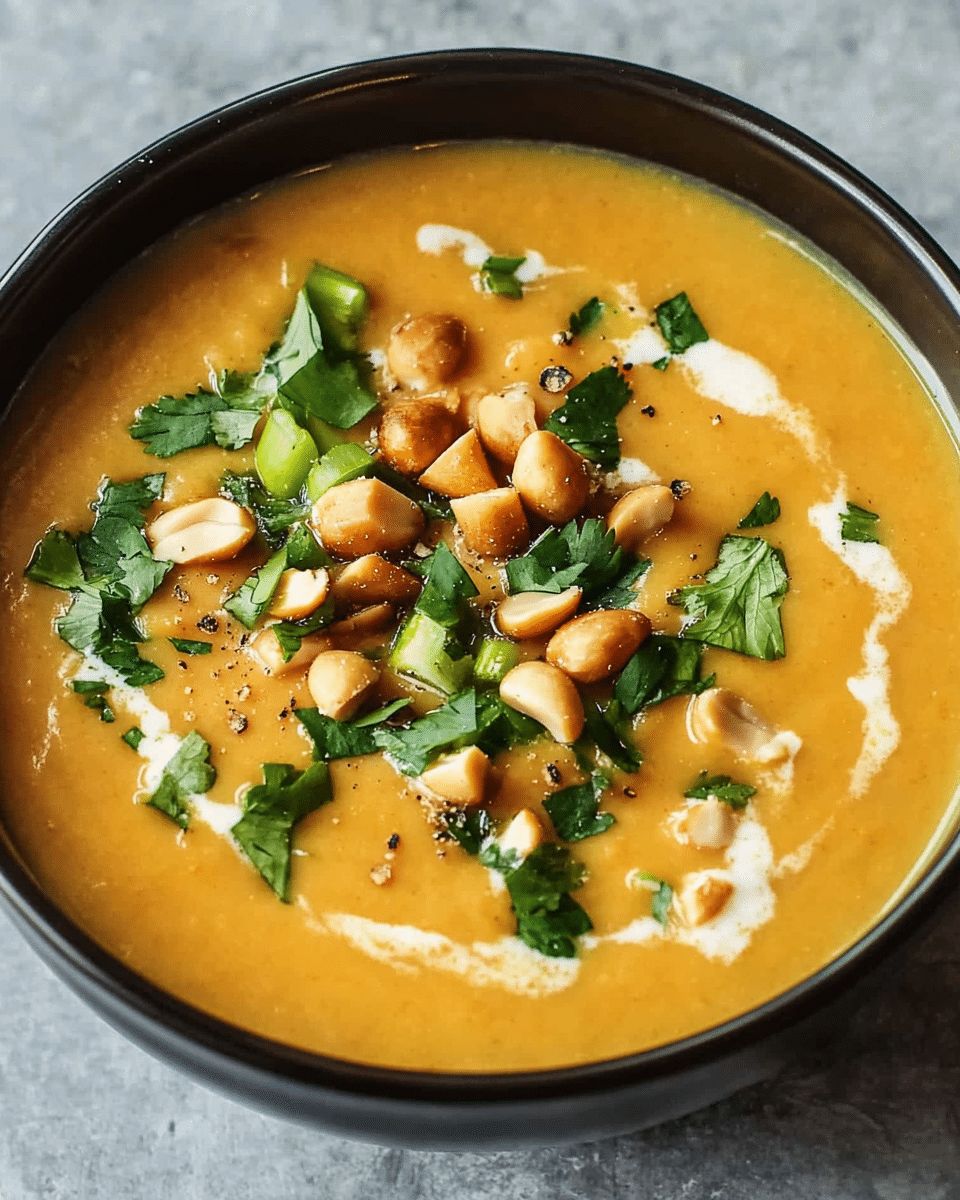
As the air turns crisp and the evenings grow shorter, there is nothing quite as restorative as a warm bowl of soup. This Creamy Butternut Squash Soup isn’t just a meal; it’s a sensory experience. By combining the natural, earthy sweetness of roasted squash with the velvety richness of coconut milk and a hint of Thai-inspired spice, we’ve created a dish that redefined comfort food for the modern kitchen.
What sets this recipe apart is the dynamic play of textures. While the soup base is silky smooth, the addition of roasted peanuts, fresh coriander, and a bright squeeze of lime juice adds a layer of crunch and zest that keeps every spoonful exciting. Whether you are looking for a nourishing weekday lunch or an elegant starter for your next dinner party, this versatile, nutrient-packed soup is guaranteed to become a seasonal favorite.
Quick Answer: This Creamy Butternut Squash Soup is a healthy, vegan-friendly dish featuring a smooth base of butternut squash, coconut milk, and Thai red curry. It is topped with roasted peanuts and fresh herbs for a perfect balance of sweet, spicy, and crunchy textures.
Why You’ll Love This Roasted Squash Recipe
Beyond its incredible flavor, this recipe is a nutritional powerhouse. Butternut squash is loaded with Vitamins A and C, which are essential for immune support during the colder months. Because it uses coconut milk and vegetable broth, it is naturally dairy-free, vegan, and gluten-free, making it an inclusive choice for any table without sacrificing a bit of indulgence.
Essential Ingredients for Your Butternut Squash Masterpiece
Creating a restaurant-quality soup at home begins with selecting the right ingredients. For this Creamy Butternut Squash Soup, we focus on balancing the natural sweetness of root vegetables with the aromatic depth of Southeast Asian spices. Below is the comprehensive list of what you will need to get started.
The Soup Base Ingredients
- 1 tablespoon vegetable oil: A neutral oil is best for sautéing without masking the vegetable flavors.
- 1 medium onion, chopped: Provides the foundational sweetness and savory depth.
- 2.5 lb butternut squash: The star of the show. Ensure it is peeled and chopped into uniform cubes for even cooking.
- 0.25 lb baby potatoes: A secret weapon for texture. These add body and extra silkiness once blended.
- 2 garlic cloves, crushed: Adds a subtle, aromatic punch.
- 1/4 cup Thai red curry paste: This provides the “warmth.” If you prefer less heat, you can substitute this with a high-quality curry powder.
- 2.5 cups broth: Use chicken broth for depth or vegetable broth to keep the dish strictly vegan-friendly.
- 1 can (400 ml) coconut milk: This is what gives the soup its signature velvet finish and tropical undertone.
The Flavor-Boosting Toppings
Never skip the toppings! They provide the necessary contrast to the creamy base. Prepare these while your soup simmers:
- 2 tablespoons unsalted roasted peanuts: Finely chopped to provide a smoky, earthy crunch.
- 2 tablespoons fresh coriander (cilantro): Adds a bright, herbal note.
- 1 tablespoon chives or green onion: For a mild, fresh bite.
- 2 teaspoons lime juice: Essential for cutting through the richness of the coconut milk.
Step-by-Step Instructions: Mastering the Blend
Following a specific order of operations ensures that each layer of flavor is properly developed. Here is how to bring this bowl of comfort to life.
Phase 1: Sautéing and Aromatics
Start by heating your oil in a large saucepan or Dutch oven over medium-high heat. Add your chopped onions and cook for approximately 5 minutes. You are looking for a soft, translucent appearance—avoid browning them, as burnt onions can turn the soup bitter.
Once the onions are ready, stir in the butternut squash and baby potatoes. Let them cook for another 5 minutes, stirring occasionally. This “sweating” process helps the vegetables release their natural sugars before the liquid is added.
Phase 2: Spices and Simmering
Add the crushed garlic and cook for just 60 seconds until fragrant. Immediately follow with the Thai red curry paste. Stir vigorously to ensure the paste coats every piece of vegetable. Toasting the curry paste for 2 minutes in the pan awakens the dried chilies and spices within the mix.
Pour in your broth and bring the mixture to a rolling boil. Once it reaches a boil, reduce the heat to low, cover the pot, and simmer for 15 minutes. After the initial 15 minutes, remove the lid and continue to simmer for an additional 20–25 minutes. You’ll know it’s ready when a fork easily slides through the largest piece of squash.

Phase 3: Blending and Finishing
Remove the pot from the heat and let it sit for about 5 minutes. This prevents the “steam explosion” that can happen in blenders. Use an immersion blender directly in the pot for the easiest cleanup. If using a standard blender, work in small batches and hold the lid down with a kitchen towel.
Once smooth, return the soup to medium heat. Stir in 1 cup of the coconut milk (reserving the rest for drizzling). Season generously with salt and pepper. Let it cook for another 5–6 minutes to ensure the flavors are fully integrated and the soup is piping hot.
A Deep Dive into Nutritional Benefits
One of the reasons this soup is a “World-Class” recipe is its nutritional density. It is rare to find a meal that feels this indulgent while being so beneficial for your health. Below is a comparison of the key nutritional components found in our main ingredients.
| Ingredient | Primary Nutrient | Health Benefit |
|---|---|---|
| Butternut Squash | Vitamin A (Beta-carotene) | Supports vision and immune function. |
| Coconut Milk | Medium-Chain Triglycerides | Provides a quick source of energy and healthy fats. |
| Roasted Peanuts | Protein & Vitamin E | Supports muscle repair and skin health. |
| Thai Curry Paste | Capsaicin & Gingerol | Anti-inflammatory and metabolism-boosting. |
Pro Tip: To lower the calorie count even further without losing flavor, you can use “Light” coconut milk, though the texture will be slightly less thick.
Key Tips for Recipe Success
Even the simplest recipes benefit from a few expert “hacks.” If you want to elevate this dish from a standard weekday meal to a dinner-party showstopper, consider the following:
1. Achieve the Perfect Consistency
If your soup feels too thick after blending, don’t worry. You can easily thin it out by adding an extra 1/4 cup of broth or warm water until you reach your desired silkiness. If it’s too thin, simmer it uncovered for an extra 10 minutes to allow some moisture to evaporate.
2. Controlling the Spice Level
Thai red curry paste varies significantly in heat by brand. If you are sensitive to spice, start with 1 tablespoon and taste the broth after it has simmered for a few minutes. You can always add more paste later, but you can’t take it out!
3. Make it Ahead of Time
This is one of those magical dishes that actually tastes better the next day. As the soup sits in the refrigerator, the spices from the curry paste meld with the sweetness of the squash, creating a more complex flavor profile. It will stay fresh in an airtight container for up to 3 days.

4. Proper Storage and Freezing
- Refrigeration: Store in glass containers to prevent staining from the turmeric/curry.
- Freezing: This soup is freezer-friendly! However, the coconut milk can sometimes separate upon thawing. To fix this, simply give the reheated soup a quick whiz with your blender to re-emulsify the fats.
- Reheating: Always reheat on the stovetop over low heat rather than the microwave to maintain the creamy texture.
Creative Variations to Try
Once you have mastered the base recipe, don’t be afraid to experiment! Here are three ways to put a different spin on this classic:
- The Smoky Version: Add a teaspoon of smoked paprika and swap the curry paste for roasted red peppers.
- The Extra Indulgent Version: Stir in 2 tablespoons of peanut butter directly into the soup base before blending for a “Satay” style flavor.
- The Protein Powerhouse: Add a can of drained chickpeas before simmering to increase the fiber and protein content significantly.
You May Also Like
If you enjoyed this comforting recipe, explore more flavorful ideas on our blog: Healthy Soup Recipes, Vegan Dinner Inspiration, Thai-Inspired Dishes, and Winter Comfort Food.
Learn more about the nutritional profile of this vibrant vegetable: Butternut Squash on Wikipedia.
Frequently Asked Questions
Can I make this soup in a slow cooker or Instant Pot?
Yes! For a slow cooker, combine all base ingredients (except coconut milk) and cook on low for 6-8 hours, then blend and stir in the milk. For an Instant Pot, sauté the onions and spices, add the squash, potatoes, and broth, then pressure cook for 10 minutes before blending.
What is the best substitute for peanuts if I have an allergy?
If you need to avoid peanuts, roasted pumpkin seeds (pepitas) or toasted sunflower seeds offer a fantastic crunch. For a nut-free alternative that maintains the earthy flavor, try toasted sesame seeds or even crispy fried shallots.
How long does this soup stay fresh in the fridge?
This Creamy Butternut Squash Soup stays fresh and delicious for up to 4 days when stored in an airtight container in the refrigerator. In fact, many find that the flavors of the Thai curry and garlic deepen and improve after a day of resting.

Final Thoughts
Finding a recipe that balances indulgent creaminess with nutritional density can be a challenge, but this Butternut Squash Soup hits every mark. The combination of velvety coconut milk, warming curry spices, and the satisfying crunch of roasted peanuts creates a restaurant-quality experience right in your own kitchen.
Whether you are serving this as a starter for a holiday gathering or enjoying a quiet bowl by the fire, it is a dish designed to nourish both the body and the soul. Don’t forget to garnish generously with fresh herbs and lime—it’s those final touches that truly make the flavors sing. Happy cooking!


