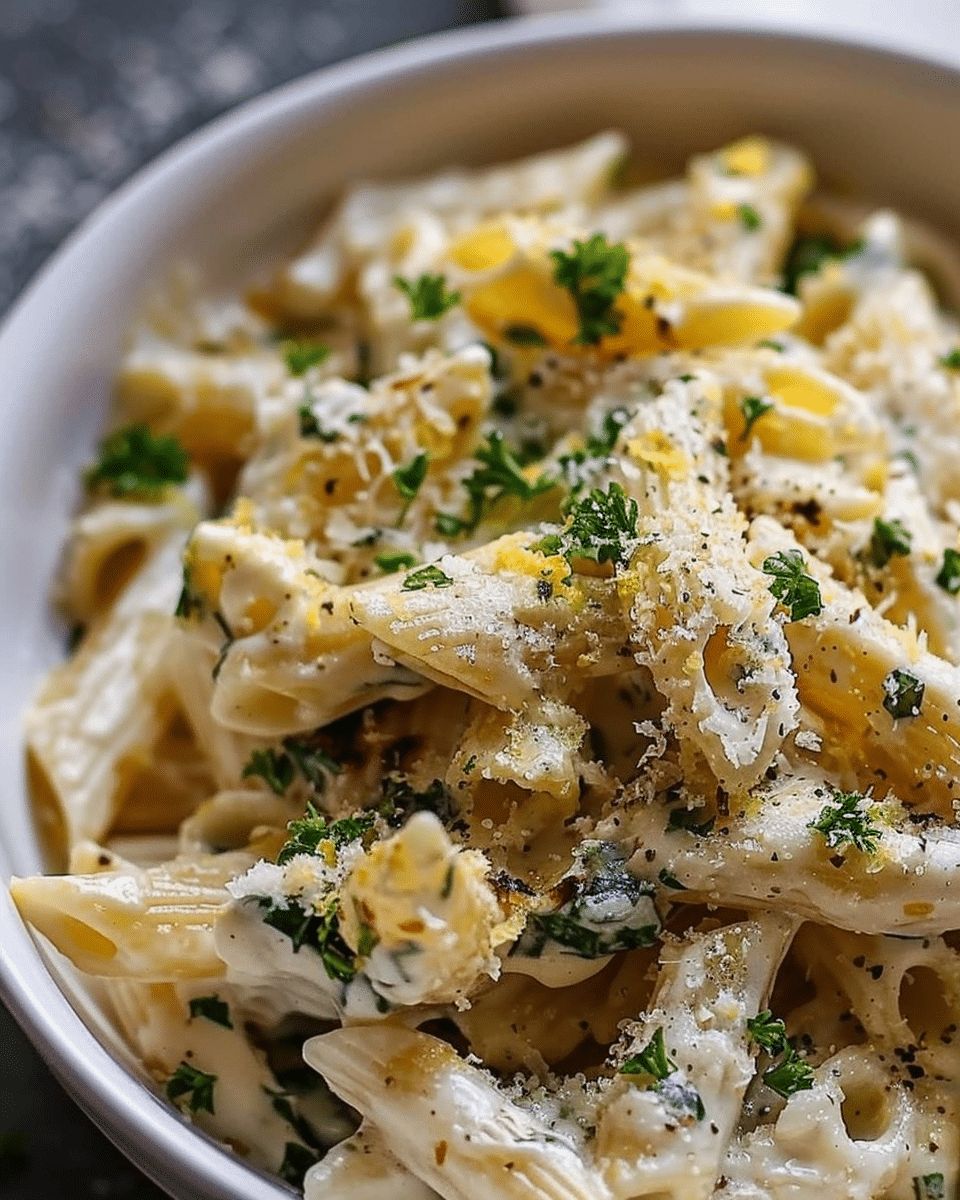
Creamy Lemon Parmesan Pasta with Fresh Herbs: A Comforting 25-Minute Meal
There is something truly magical about a creamy pasta dish that comes together in under 30 minutes. For many of us, the ultimate comfort food is defined by simplicity, warmth, and flavors that remind us of a home-cooked masterpiece. This Creamy Lemon Parmesan Pasta with Fresh Herbs is one of those reliable recipes you will find yourself returning to time and again—not just for the speed, but for the vibrant, zesty flavor profile that hits every single right note.
Whether you are navigating a hectic weeknight, cooking a solo dinner, or looking to impress guests with minimal stress, this dish delivers high-end results with everyday pantry staples. The combination of velvety cream cheese, sharp parmesan, and freshly squeezed lemon creates a sauce that is both indulgent and refreshing, perfectly balanced by a handful of aromatic herbs like basil and parsley.
The beauty of this recipe lies in its versatility. While it stands perfectly on its own as a vegetarian delight, it serves as a wonderful canvas for added proteins or seasonal vegetables. It is a soul-warming, herb-filled hug in a bowl that proves you do not need hours in the kitchen to create a meal that feels special.
Quick Answer: This Creamy Lemon Parmesan Pasta is a 25-minute vegetarian meal made by tossing your favorite pasta in a rich sauce of cream cheese, parmesan, garlic, and fresh lemon, finished with a generous amount of fresh basil and parsley.
Essential Ingredients for the Ultimate Creamy Lemon Pasta
Creating a restaurant-quality meal at home starts with understanding your components. While this recipe is remarkably simple, the quality of each ingredient plays a pivotal role in the final flavor profile. The Creamy Lemon Parmesan Pasta relies on the harmony between the high-fat content of the cream cheese and the acidic brightness of fresh citrus. To ensure your dish is as comforting as possible, we recommend using fresh, whole ingredients whenever possible.
The Pasta Selection
While this recipe works with almost any shape, choosing the right pasta can change the eating experience. Short pasta shapes like penne, fusilli, or farfalle are excellent because their ridges and hollow centers “trap” the creamy sauce, ensuring every bite is flavorful. However, if you prefer a more elegant presentation, long pasta like fettuccine or linguine offers a silky texture that coats beautifully when tossed correctly.
Choosing Your Dairy and Cheese
The sauce’s foundation is softened cream cheese. For the best results, always opt for the full-fat version; low-fat alternatives tend to have a higher water content and may break or become grainy when heated. Furthermore, using freshly grated Parmesan cheese is a non-negotiable rule for SEO-ready, gourmet cooking. Pre-shredded cheeses are often coated in potato starch or cellulose to prevent clumping, which prevents them from melting smoothly into a velvety sauce.
| Ingredient | Specific Requirement | Purpose in Dish |
|---|---|---|
| Pasta | 8 oz (Dry) | The hearty base of the meal. |
| Cream Cheese | Full-fat, softened | Provides the rich, velvety base. |
| Parmesan | Freshly grated | Adds salty, umami depth and thickens. |
| Lemon | Zest and Juice | Cuts through the fat with bright acidity. |
| Fresh Herbs | Basil & Parsley | Adds aromatic freshness and color. |
Mastering the Technique: Step-by-Step Instructions
Timing is everything when it comes to pasta. The goal is to have your sauce reach its peak creaminess just as the pasta reaches al dente perfection. By following these steps, you ensure that the flavors are layered correctly, starting from a savory base and ending with a fresh, herbaceous finish.
Step 1: Preparing the Pasta and Reserving Gold
Begin by boiling a large pot of water. Do not be afraid to salt the water generously; it should taste like the sea. This is your only chance to season the pasta itself. Cook the pasta according to the package instructions but aim for the lower end of the time range. CRITICAL TIP: Before you drain the pasta, reserve at least one full cup of the cloudy pasta water. This “liquid gold” contains starch that is essential for emulsifying the sauce and helping it stick to the noodles.
Step 2: Sautéing the Aromatics
While the pasta boils, heat your olive oil in a large skillet over medium heat. Add your finely chopped onions. The secret here is patience; sauté them for 8–10 minutes. You aren’t just looking for them to be translucent; you want a light caramelization to bring out their natural sweetness, which balances the lemon’s tartness. Add the minced garlic during the last 30 seconds to prevent burning, which can turn the dish bitter.
Step 3: Building the Emulsified Sauce
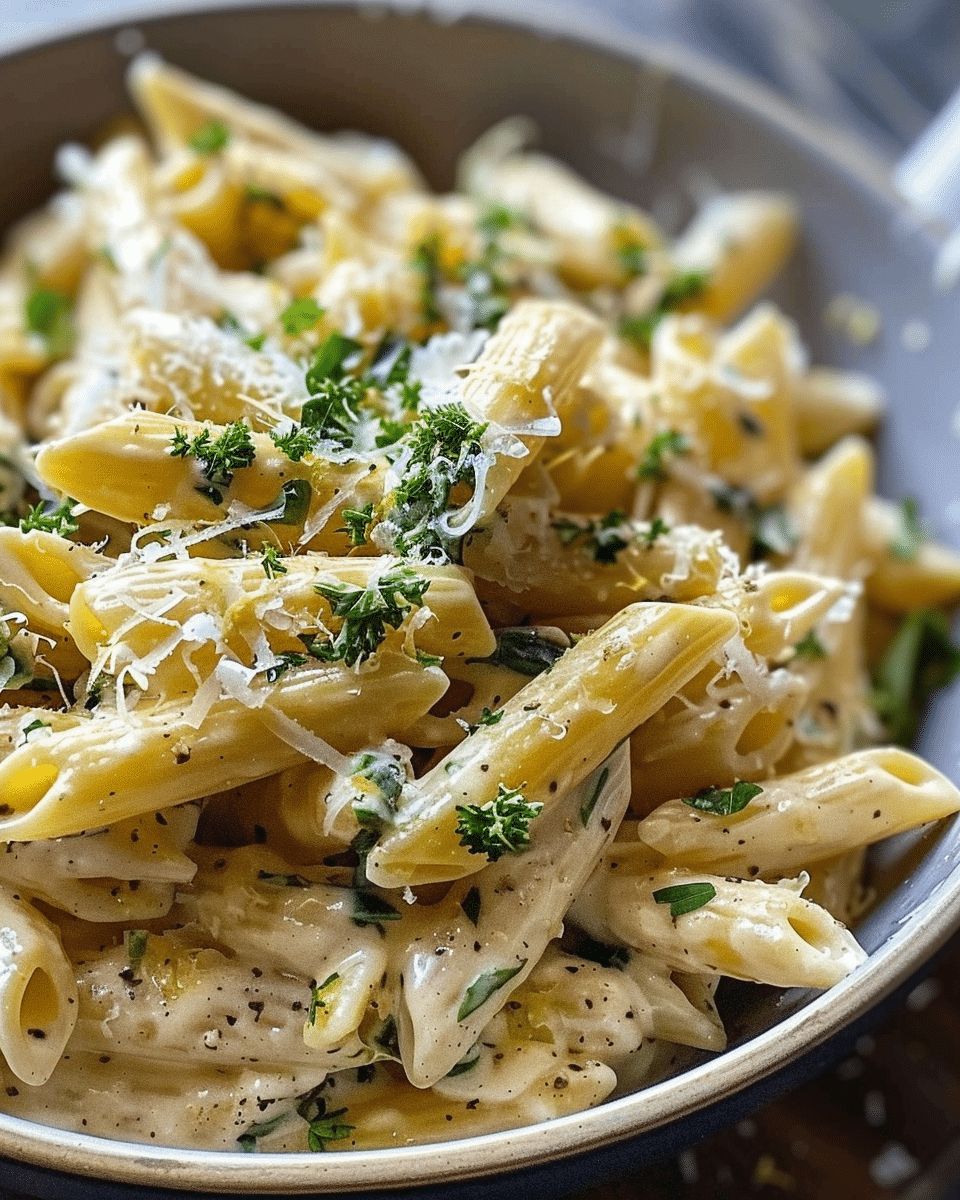
Lower the heat and add the softened cream cheese, lemon juice, lemon zest, and Italian seasoning to the skillet. Use a whisk or a wooden spoon to stir constantly until the cheese melts into a smooth liquid. Gradually stir in the grated Parmesan. If the sauce looks too thick or “clumpy,” splash in a small amount of your reserved pasta water. The starch in the water will act as a bridge between the fats in the cheese and the liquids, creating a glossy, professional finish.
Step 4: The Final Toss and Garnish
Add the drained pasta directly into the skillet with the sauce. Toss vigorously to ensure every strand or piece is fully coated. If the sauce is too tight, add more pasta water one tablespoon at a time. Finally, fold in your freshly torn basil and chopped parsley. Adding herbs at the very end preserves their bright green color and volatile oils, ensuring maximum aroma when the dish hits the table.
Nutritional Profile and Dietary Considerations
Understanding the nutritional makeup of your meals is essential for a balanced lifestyle. This dish is a satisfying vegetarian option that provides a good balance of carbohydrates and fats, making it a high-energy meal perfect for refueling after a long day.
| Nutrient | Amount Per Serving | Daily Value (%) |
|---|---|---|
| Calories | 485 kcal | 24% |
| Total Fat | 22g | 28% |
| Saturated Fat | 12g | 60% |
| Protein | 15g | 30% |
| Carbohydrates | 56g | 20% |
| Sodium | 410mg | 18% |
Expert Insight: To lower the calorie count without sacrificing the soul of the dish, you can substitute half of the pasta with “zoodles” (zucchini noodles) or add two cups of steamed broccoli to increase volume and fiber.
The Science of the Sauce: Why Pasta Water Matters
You might wonder why professional chefs insist on saving pasta water. When pasta cooks, it releases amylopectin starch into the water. When you add this starchy water to a fat-based sauce (like our cream cheese and Parmesan mix), it acts as an emulsifier. Emulsification is the process of forced mixing of two liquids that usually don’t stay together (oil and water). Without it, your sauce might feel greasy or separate. With it, you get a sauce that is thick, creamy, and clings to the pasta like a velvet coat.
Flavor Customizations and Gourmet Add-Ins
While the base recipe is a classic, as a World-Class SEO Expert and Stylist, I know that readers love variations that suit their specific cravings. This recipe is an incredible foundation for experimentation.
Protein Boosters
- Grilled Chicken: Sliced chicken breast seasoned with lemon pepper pairs perfectly with the citrus notes.
- Sautéed Shrimp: Garlic-butter shrimp added during the final toss creates a “Lemon Shrimpy Alfredo” vibe.
- Crispy Bacon: For a smoky contrast, fold in crumbled bacon or pancetta at the end.
Vegetable Infusions
- Baby Spinach: Fold in two handfuls of fresh spinach during the final 30 seconds of sauce simmering; it will wilt perfectly from the residual heat.
- Roasted Cherry Tomatoes: The burst of sweetness from roasted tomatoes cuts through the richness of the Parmesan beautifully.
- Asparagus: Blanch bite-sized asparagus pieces in the pasta water during the last two minutes of cooking for a spring-inspired twist.
Storage, Reheating, and Make-Ahead Tips
Many people struggle with reheating cream-based pastas because the sauce tends to “break,” leaving the noodles swimming in oil. To avoid this, follow these professional storage guidelines.
Proper Storage
Store leftovers in an airtight glass container for up to 3 days. Glass is preferable to plastic as it doesn’t retain odors from the garlic and onions. Do not freeze this dish; the cream cheese and Parmesan sauce will lose its emulsion and become grainy upon thawing.
The Best Way to Reheat
Avoid the microwave if possible, as it heats unevenly and causes the cheese to separate. Instead, place the pasta in a small skillet over low heat. Add a splash of milk, heavy cream, or even a little water. Stir gently and constantly as it warms up. The added liquid will help reconstitute the sauce, returning it to its original creamy glory.
Frequently Asked Questions (FAQ)
Can I make this recipe vegan?
Yes! You can substitute the cream cheese with a cashew-based cream cheese alternative and use nutritional yeast or a vegan Parmesan substitute. The lemon and fresh herbs will still provide that signature brightness.
What if my sauce is too thin?
If the sauce feels watery, let it simmer on low for an extra minute, or add another handful of grated Parmesan. The cheese acts as a natural thickener. Avoid adding flour or cornstarch, as this will change the delicate flavor profile.
Can I use dried herbs?
While fresh is best, you can use dried Italian seasoning as a base. However, for the basil and parsley, try to find fresh leaves. If you must use dried, remember the 1:3 ratio: use one teaspoon of dried herbs for every three teaspoons (one tablespoon) of fresh herbs called for in the recipe.
You May Also Like
If you enjoyed this vibrant dish, explore more of our culinary guides: Quick 25-Minute Meals, Vegetarian Dinner Ideas, Creamy Pasta Recipes, and Easy Italian-Style Dishes.
Source: The History of Parmesan Cheese (Wikipedia)
Frequently Asked Questions
Can I use a different type of cheese if I don’t have Parmesan?
Yes, while Parmesan provides a specific salty tang, you can substitute it with other hard cheeses like Pecorino Romano, Asiago, or Grana Padano. Keep in mind that Pecorino is saltier, so you may want to adjust the added salt accordingly to maintain the balance of the sauce.
How can I make this recipe gluten-free?
To make this a gluten-free meal, simply swap the traditional wheat pasta for your favorite gluten-free pasta brand (such as those made from brown rice, chickpeas, or corn). Ensure the pasta is cooked just until al dente to prevent it from becoming mushy when tossed with the heavy cream cheese sauce.
Can I freeze the leftovers for later?
Freezing is not recommended for this specific sauce. Because the recipe relies heavily on cream cheese and Parmesan, the emulsion will likely “break” or separate when thawed and reheated, resulting in a grainy texture. It is best enjoyed fresh or stored in the refrigerator for up to three days.
Final Thoughts
This Creamy Lemon Parmesan Pasta with Fresh Herbs is the ultimate proof that you do not need a long list of ingredients or hours of prep time to create a soul-warming meal. It captures the essence of great home cooking—simple, bright, and deeply satisfying. By using high-quality cheese and fresh citrus, you elevate a humble box of pasta into a restaurant-quality experience in just 25 minutes.
Whether you are serving this as a quick weeknight solution or a light weekend lunch, the combination of zesty lemon and aromatic herbs is guaranteed to make this a staple in your kitchen rotation. Don’t forget to save that pasta water to achieve the perfect, silky finish every single time!