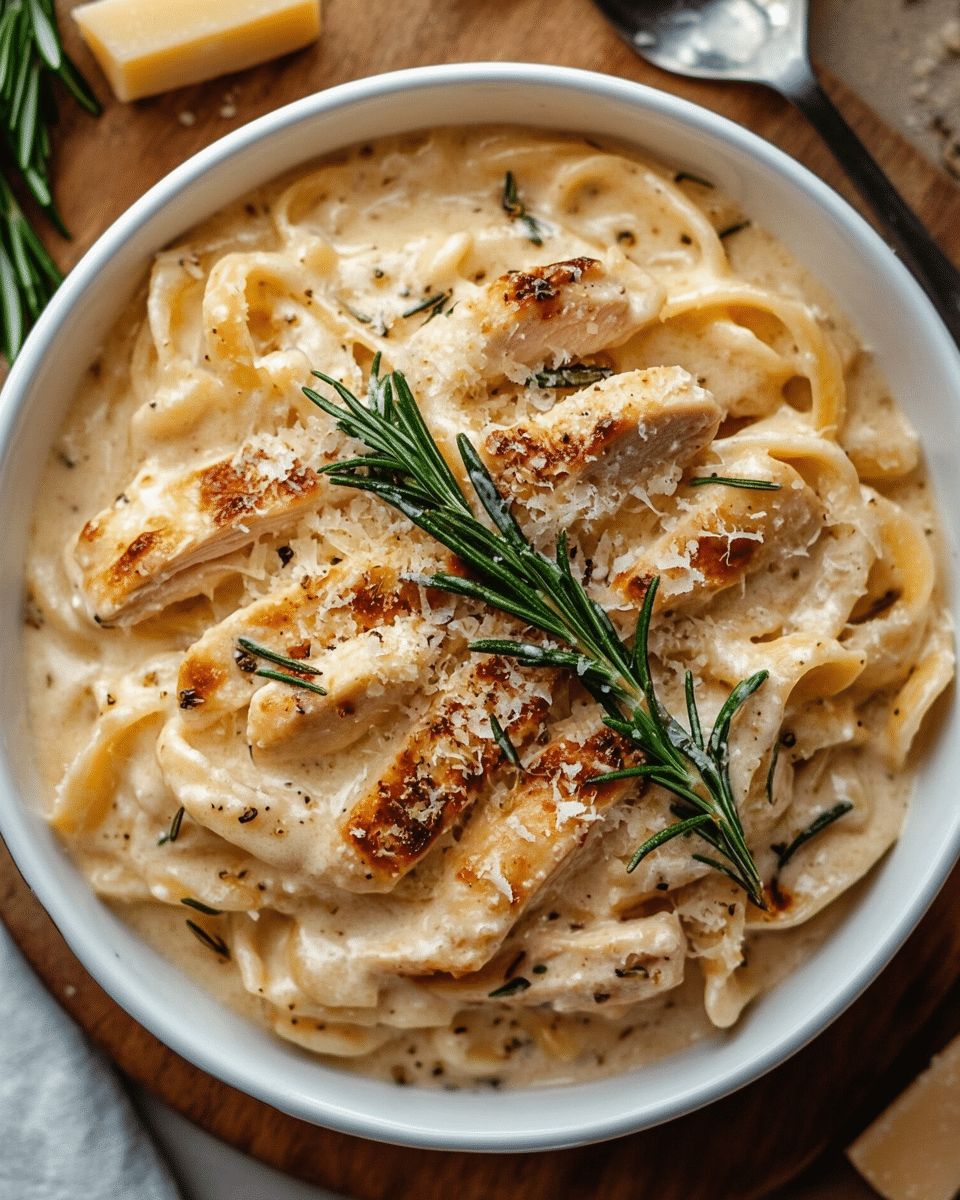
Experience the Magic of Creamy Lemon Rosemary Chicken Pasta
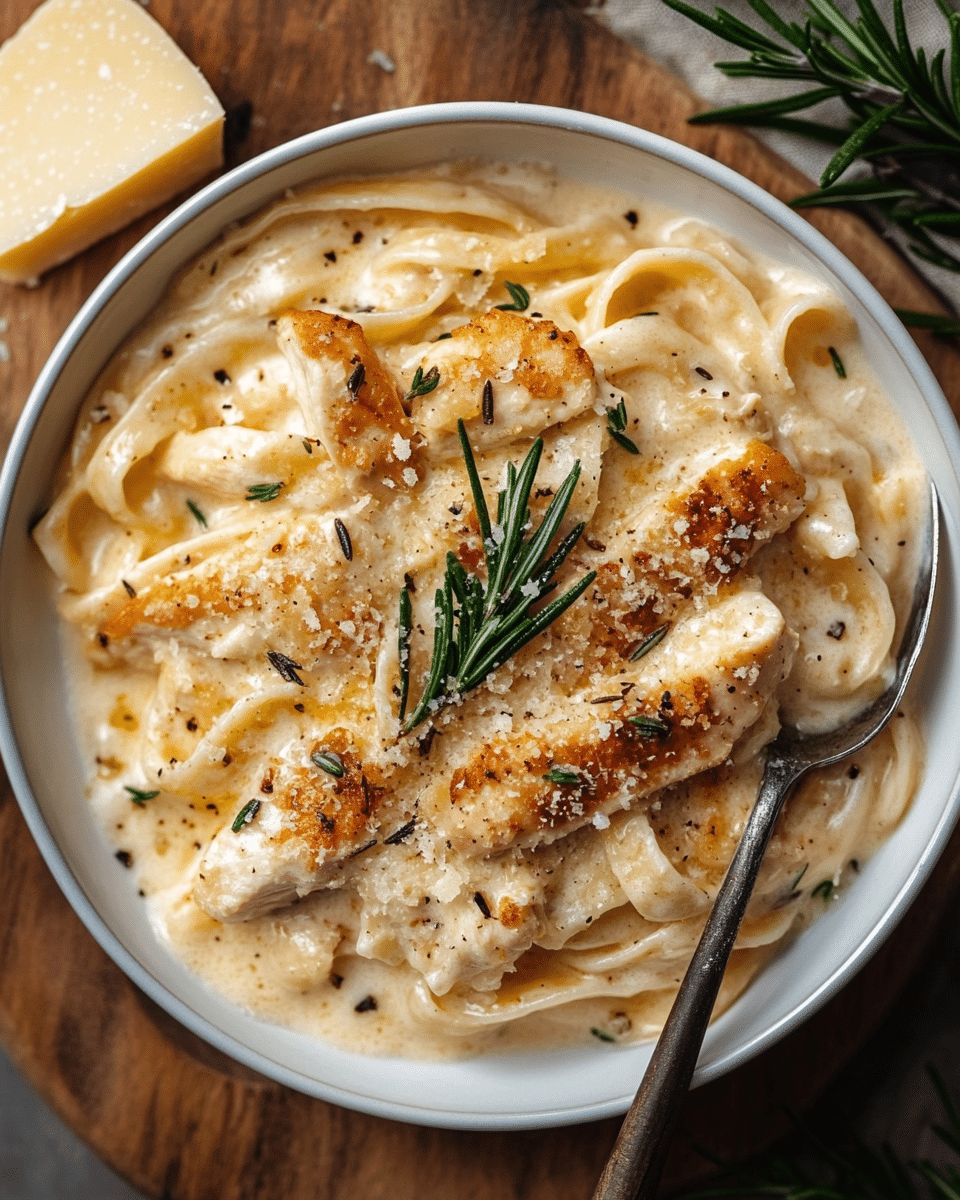
When the aroma of garlic, fresh rosemary, and lemon fills your kitchen, it feels like magic. There’s something undeniably satisfying about creating a dish that tastes as decadent as it smells. If you’ve ever longed for a restaurant-quality pasta at home but wanted it fast, creamy, and flavorful, your solution is right here: Creamy Lemon Rosemary Chicken Pasta. This dish combines tender, juicy chicken with a rich, velvety sauce, perfectly coated pasta, and a hint of citrus that lifts every bite.
Cooking this pasta isn’t just about feeding yourself—it’s about creating an experience. You’ll feel the satisfaction of transforming a few fresh ingredients into a comforting, gourmet meal in just 30 minutes. You’re about to discover a recipe that is simple to follow, yet impressive enough to serve on any night of the week—or even for special occasions. By the end of this guide, you’ll not only know how to make this dish flawlessly, but you’ll also pick up tips that elevate your pasta game, from ingredient selection to plating presentation.
Quick Answer: Creamy Lemon Rosemary Chicken Pasta is a 30-minute gourmet dish featuring pan-seared chicken breast and pasta tossed in a luxurious sauce made of heavy cream, parmesan, fresh rosemary, and garlic, all brightened with a splash of fresh lemon juice.
The Secret to a Gourmet Pantry: Essential Ingredients
The brilliance of the Creamy Lemon Rosemary Chicken Pasta lies in its accessibility. You don’t need an exhaustive list of exotic imports to achieve a five-star result; instead, this recipe relies on high-quality staples and fresh aromatics. Each ingredient plays a pivotal role in balancing the richness of the cream with the brightness of the citrus.

Ingredients Checklist
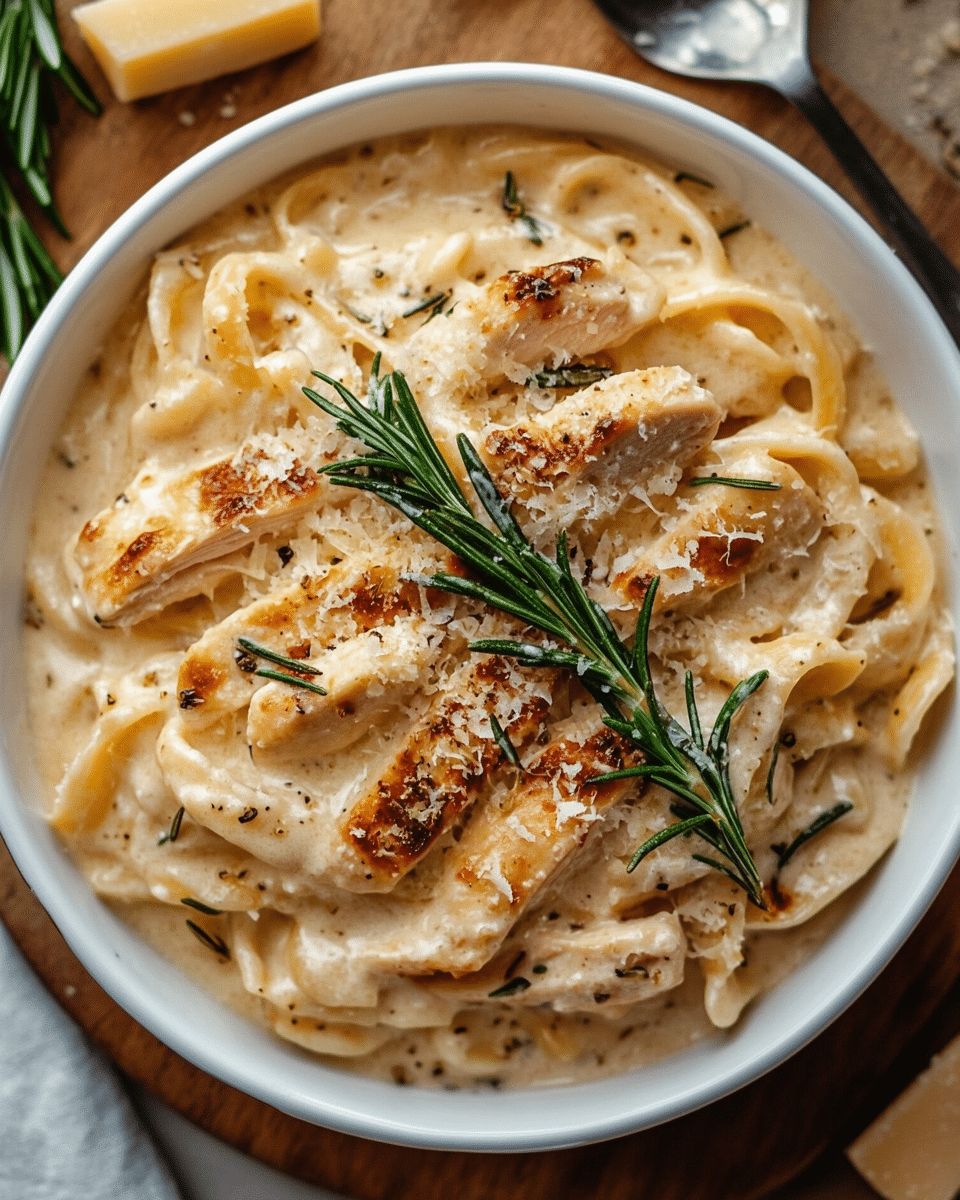
Before you begin, ensure your workstation is prepped with the following items. Using the correct proportions is the first step toward a harmonious flavor profile.
| Category | Ingredient | Quantity |
|---|---|---|
| Base | Dried Pasta (or 10.5 oz fresh) | 7 oz (200 g) |
| Protein | Chicken Breast | 1 large piece |
| Fats | Olive Oil & Butter | 1 tbsp each |
| Aromatics | Fresh Garlic & Rosemary | 3 cloves / 1 tbsp |
| Liquid Gold | Heavy Cream & Pasta Water | ¾ cup / ¼ cup |
| Flavor Boost | Parmesan, Lemon, Black Pepper | 1 ¾ oz / 1 tbsp / 1 tsp |
Pro-Level Ingredient Selection
- Fresh vs. Dried Rosemary: While dried herbs are convenient, fresh rosemary is non-negotiable for this dish. Its oils release a piney, peppery aroma that cuts through the heavy cream in a way that dried needles simply cannot replicate.
- The Role of Parmesan: Avoid the pre-shaken canisters. Freshly grated Parmesan cheese contains no anti-caking agents, meaning it will melt into your sauce seamlessly, creating a velvety texture rather than a grainy one.
- Pasta Choice: Long, flat noodles like fettuccine or pappardelle are traditional for cream sauces as they provide a large surface area for the sauce to cling to. However, penne or fusilli are excellent for “trapping” the garlic and herbs in their ridges.
Mastering the Technique: Step-by-Step Execution
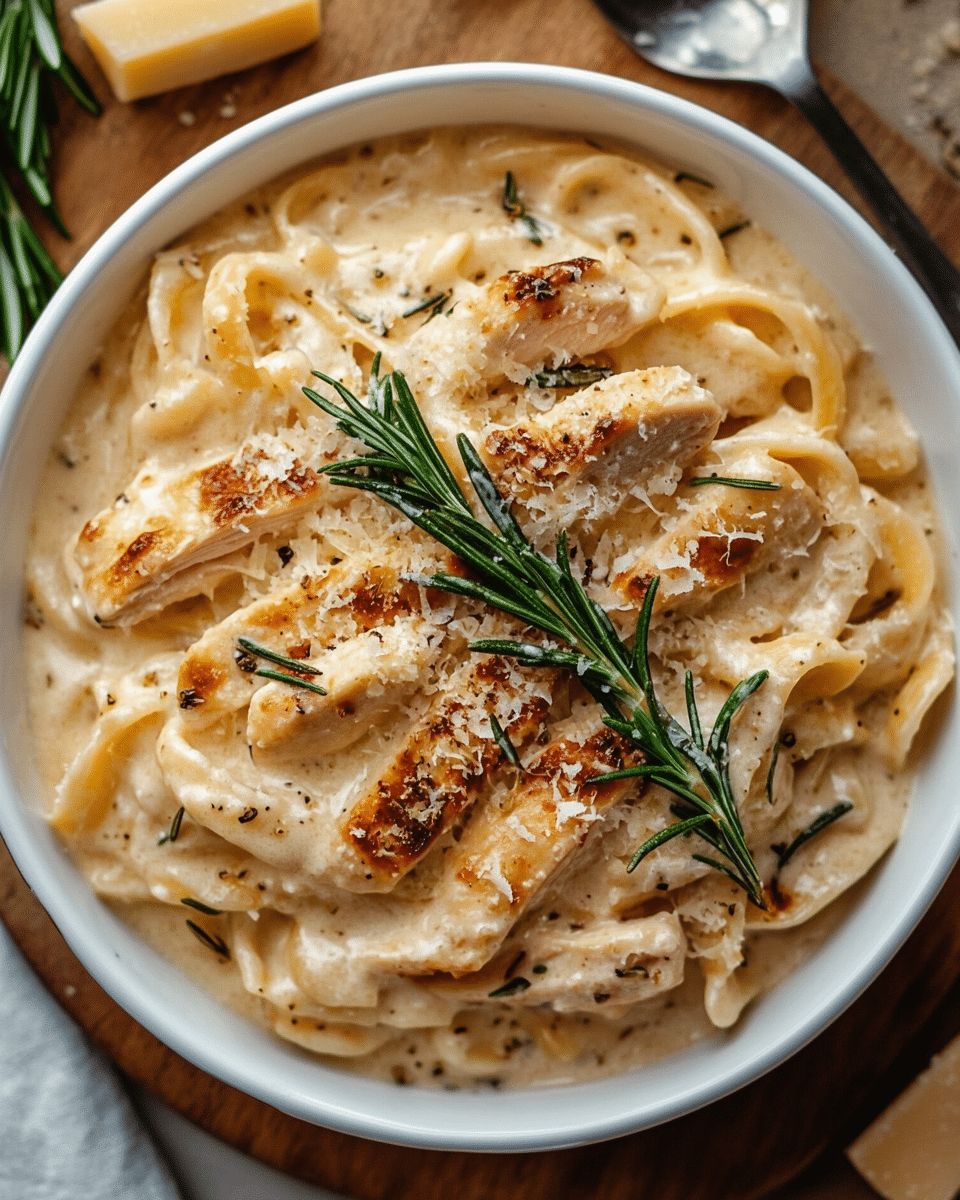
Achieving restaurant-quality pasta requires more than just mixing ingredients; it requires timing and technique. Follow these detailed stages to ensure your chicken stays juicy and your sauce remains perfectly emulsified.
Step 1: The Foundation of Perfect Pasta
The most common mistake in home cooking is over-boiling the pasta. To avoid a mushy result, bring a large pot of heavily salted water to a rolling boil. Salt is your only chance to season the pasta itself. Cook the noodles until they are “shy of al dente”—about 60 seconds less than the box suggests. They will finish cooking in the sauce later, absorbing the cream and lemon flavors directly into the grain.
Crucial Tip: Never discard all your pasta water! This “liquid gold” is packed with starch, which acts as a bridge between the oily fats and the liquid cream, ensuring your sauce doesn’t separate.
Step 2: Preparing the Chicken for Succulence
Chicken breast often dries out because of its uneven shape. To fix this, place the breast under plastic wrap and use a rolling pin to pound it to an even ½-inch thickness. This ensures every square inch of the meat cooks at the same rate. Season generously with salt and pepper, then apply a light dusting of flour. This flour not only helps the chicken brown but also contributes to thickening the sauce later in the skillet.
Step 3: The Art of the Sear
Heat your olive oil until it shimmer. When you place the chicken in the pan, you should hear a distinct sizzle. This is the Maillard reaction taking place—the chemical process that creates that beautiful golden crust and deep savory flavor. Sear for approximately 2 minutes per side. Once finished, let the chicken rest under a foil tent. This allows the juices to redistribute so they don’t leak out when you slice it.
Step 4: Crafting the Lemon Rosemary Emulsion
Lower the heat and melt the butter in the same pan. The brown bits (the fond) left over from the chicken are flavor crystals; don’t scrub them away! Sauté the garlic and rosemary just until fragrant—about 30-60 seconds. Pour in the heavy cream slowly. Do not let the cream reach a hard boil, as high heat can cause the dairy proteins to clump and the sauce to “break.”
Step 5: Balancing the Flavor Profile
Add the Parmesan in small batches, stirring constantly. Once the cheese has melted, introduce the lemon juice. The acidity of the lemon acts as a “brightener,” making the heavy cream feel light on the palate. Finally, add your reserved pasta water and the black pepper. This is the moment to taste your sauce and adjust the salt if necessary.
Step 6: The Final Assembly
Transfer the drained pasta directly into the skillet. Toss the noodles vigorously for 1 to 2 minutes. You will notice the sauce transforming from a liquid into a thick, glossy glaze that coats every strand. Slice your rested chicken into elegant strips and lay them over the top or fold them in.
Nutritional Breakdown and Serving Logic
While this is a comfort meal, understanding the nutritional density helps in planning your daily intake. This dish provides a high protein count from the chicken breast, balanced by the carbohydrates of the pasta.
| Nutrient Type | Approximate Value (Per Serving) |
|---|---|
| Total Calories | 550 kcal |
| Protein | 32 g |
| Total Fat | 28 g |
| Carbohydrates | 40 g |
| Dietary Fiber | 2 g |
Customization and Dietary Swaps
- Lower Calorie: Swap the heavy cream for half-and-half or a light coconut milk for a different twist. Be aware that the sauce will be thinner.
- Gluten-Free: Use a high-quality chickpea or brown rice pasta. These tend to release more starch, so you may need slightly more pasta water.
- Vegetarian Option: Replace the chicken with roasted cauliflower steaks or sautéed cremini mushrooms to maintain that “meaty” texture and earthy depth.

Frequently Asked Questions (FAQ)
Can I use bottled lemon juice?
While possible, it is highly discouraged. Bottled juice often has a bitter aftertaste due to preservatives. Fresh lemon provides the essential oils from the zest and a clean acidity that defines this dish.
Why did my sauce turn out watery?
This usually happens if the pasta wasn’t tossed long enough in the pan or if too much pasta water was added at once. Continue to simmer the sauce on low for another minute; the starch in the pasta will eventually thicken the liquid.
How do I reheat leftovers without the sauce separating?
Microwaving often causes the fats to separate. Instead, place the pasta in a small pan over low heat and add a tablespoon of milk or water. Cover it for a minute to steam, then stir gently until creamy again.
Final Tip: Always garnish just before serving. A final sprinkle of fresh lemon zest and a crack of black pepper adds a “pop” of flavor that greets the diner before they even take their first bite.
You May Also Like
If you enjoyed this Creamy Lemon Rosemary Chicken Pasta, you might find your next favorite meal here: Creamy Pasta Recipes, Quick Chicken Dinners, Zesty Lemon Dishes, and Easy Weeknight Meals.
For more information on the aromatic herb that defines this dish, check out the history and varieties of: Rosemary on Wikipedia.
Frequently Asked Questions
Can I substitute dried rosemary for fresh?
Yes, you can use dried rosemary if fresh isn’t available. However, because dried herbs are more concentrated, use only 1 teaspoon of dried rosemary for every 1 tablespoon of fresh requested in the recipe. Be sure to crush the dried leaves slightly between your fingers to release their oils.
How do I prevent the cream sauce from curdling?
The key to a silky sauce is temperature control. Avoid bringing the heavy cream to a rolling boil; a gentle simmer is all you need. Additionally, adding the lemon juice at the very end and stirring it into the warm (not boiling) sauce will help maintain a perfect emulsion.
What is the best way to reheat leftovers?
To keep the pasta from getting oily or the chicken from drying out, reheat the dish in a skillet over low heat. Add a splash of milk, water, or extra heavy cream to the pan and cover it for a minute. Stir gently until the sauce becomes creamy and the pasta is heated through.
Final Thoughts
There is nothing quite like the satisfaction of serving a dish that looks and tastes like it came from a professional kitchen, especially when it takes only 30 minutes to prepare. This Creamy Lemon Rosemary Chicken Pasta strikes the perfect balance between citrus brightness and herbal depth, making it a versatile choice for both a busy Tuesday and a quiet Sunday dinner.
We hope this guide inspires you to bring these fresh, bold flavors into your home. Don’t be afraid to make it your own by experimenting with different pasta shapes or adding extra vegetables. Happy cooking!