

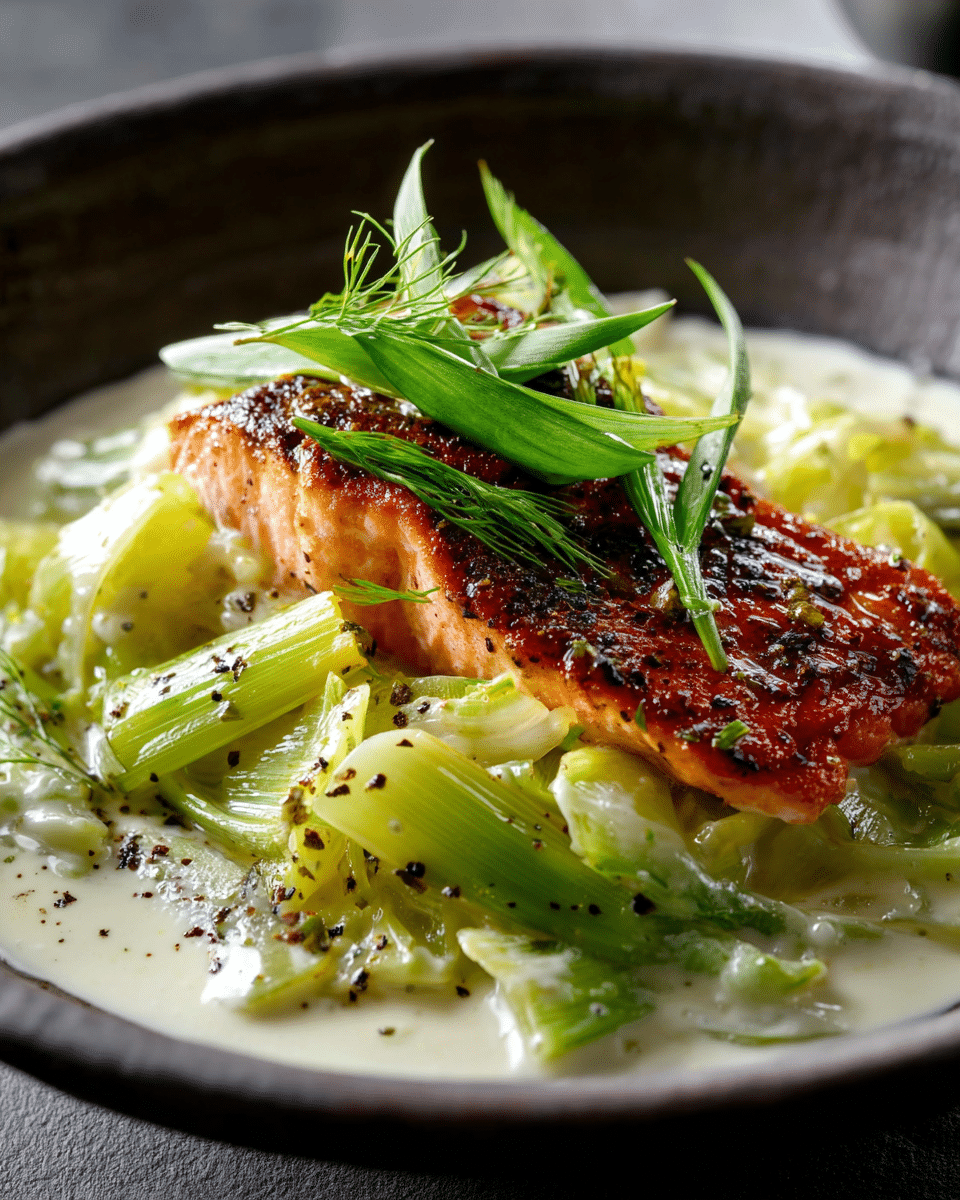
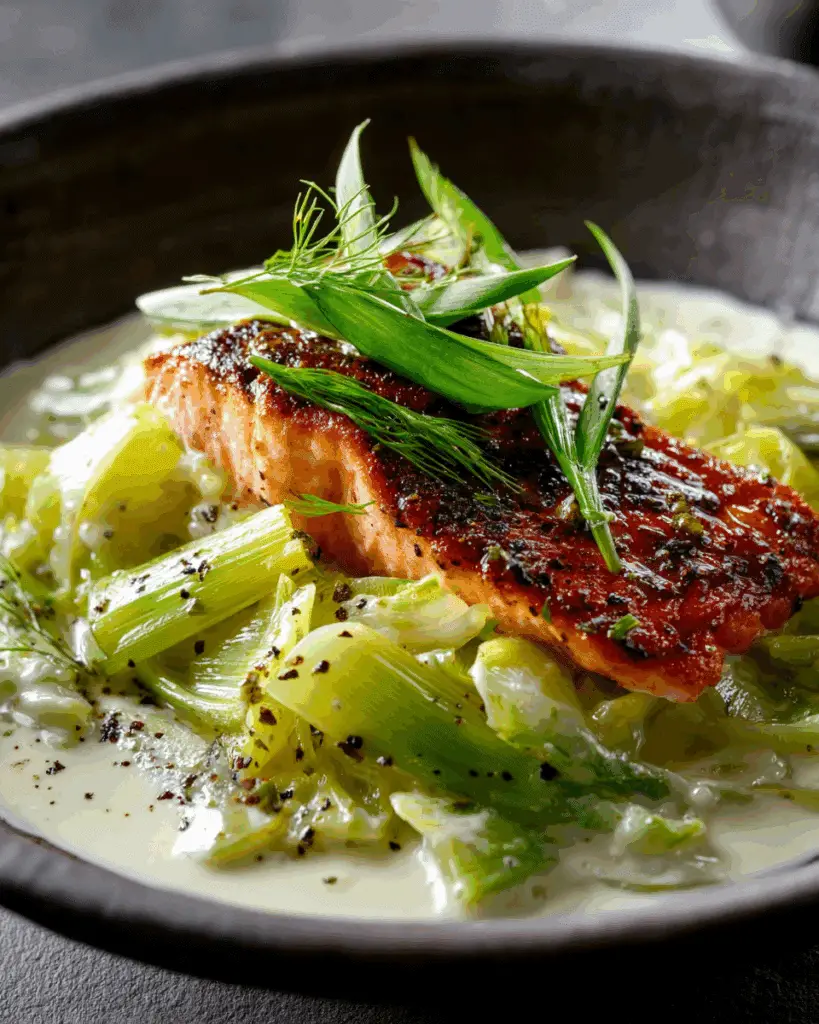
As the temperature drops and the evenings grow longer, there is an instinctual pull toward the kitchen, seeking out recipes that promise warmth and soulful satisfaction. Among the often-overlooked gems of the winter produce aisle stands the leek—sturdy, earthy, and frequently relegated to a supporting role in stocks or mirepoix. However, when you prepare slow-braised leeks, you unlock a velvety sweetness and a meltingly tender texture that elevates this humble vegetable into a true culinary masterpiece. Inspired by the rustic elegance of French country cooking, this dish relies on the magic of time and temperature to create something that feels quietly luxurious.
By cooking the leeks low and slow with shallots and toasted coriander seeds, we coax out a sophisticated depth of flavor that is both comforting and refined. The coriander acts as a secret weapon, providing citrusy, nutty undertones that cut through the richness of the butter and cream without overpowering the leeks’ delicate nature. At CookWithFeast, we believe that the best side dishes are those that linger in your memory long after the main course is finished. This slow-braised leeks recipe is designed to do exactly that, providing a lush, aromatic companion to your favorite roasted meats, grilled fish, or even a simple slice of toasted sourdough bread. It is elegant enough for a holiday spread yet simple enough for a cozy Tuesday night in.
🖨️ Recipe Card
| ⏱️ Prep Time | 10 Minutes |
| 🔥 Cook Time | 30 Minutes |
| 🧘 Rest Time | None |
| 🍽️ Servings | 4 Servings |
| 🥩 Calories | 195 kcal |
The Lush Ingredients
To achieve the signature silkiness of slow-braised leeks, we focus on high-quality fats and aromatic seeds. Using fresh coriander seeds that you crush yourself makes a world of difference in the final aroma.
What You’ll Need
- 4–5 medium leeks: White and light green parts only, well cleaned and thinly sliced.
- 2 shallots: Thinly sliced to melt into the sauce.
- 1 tablespoon olive oil: To prevent the butter from browning too quickly.
- 3 tablespoons unsalted butter: The base for the luxurious braise.
- 1 teaspoon coriander seeds: Lightly crushed to release essential oils.
- 3/4 cup low-sodium vegetable stock: The liquid foundation for the braise.
- 3 tablespoons heavy cream: Plus more if you desire extra indulgence.
- Fine salt & Freshly ground black pepper: Added to taste.

The Executive Execution: Step-By-Step Cooking Instructions
Mastering the art of slow-braised leeks requires a shift from high-heat sautéing to a more patient, gentle technique. At CookWithFeast, we prioritize the “sweating” method, which allows the vegetables to release their moisture and soften in their own juices without taking on a bitter char. Follow this technical protocol to achieve that signature French-inspired silkiness:
- Prep the vegetables by trimming away the tough, dark green tops of the leeks—reserve these for vegetable stock. Slice the remaining white and light green portions in half lengthwise and rinse thoroughly under cold running water to remove any hidden grit between the layers. Once clean, thinly slice them into half-moons. Crush the coriander seeds using the back of a heavy spoon or a mortar and pestle to release the essential oils. This preparation ensures that every bite is clean, tender, and intensely aromatic.
- Set a wide saucepan or deep skillet over medium heat to allow for maximum surface area. Add the olive oil and melt the unsalted butter gently. Combining the two fats is a professional trick that raises the smoke point, allowing the butter to provide its rich flavor without browning or burning. This creates the luxurious “bath” that will eventually transform the leeks into soft ribbons.
- Add the thinly sliced shallots to the shimmering fat and cook for approximately one minute, stirring often. You want the shallots to become translucent and fragrant, not golden. This builds a soft, savory base that melds perfectly into the leeks rather than competing with them for texture.
- Incorporate the leeks into the pan in batches, stirring constantly to coat every piece in the buttery aromatics. Cook for about 5 minutes on moderate heat. It is vital to sweat them slowly so they soften through to the center without developing any color. Season lightly with salt, black pepper, and the crushed coriander seeds. This early seasoning allows the citrusy notes of the coriander to penetrate the leeks as they begin to break down.
- Pour the low-sodium vegetable stock over the leeks and increase the heat just enough to bring the liquid to a gentle simmer. Once bubbling, lower the flame and cook uncovered for 15–20 minutes. Stir occasionally as the moisture evaporates. This uncovered simmer is the “braising” phase; it allows the liquid to reduce and concentrate the natural sugars of the leek, resulting in a deeper, more complex flavor profile.
- Finish the dish when the pan is nearly dry and the leeks are meltingly tender. Stir in the heavy cream and simmer for another 3–4 minutes. The cream should emulsify with the remaining stock to create a thick, glossy glaze that clings to the leeks. Taste one final time and adjust the salt or pepper as needed to balance the richness of the cream against the brightness of the coriander.
💡 Chef’s Tips: Mastering Slow-Braised Leeks
- Submerge for Success: Leeks are notorious for trapping sand between their layers. After slicing, submerge the pieces in a large bowl of cold water. Swish them around; the leeks will float while the grit sinks to the bottom.
- Avoid the Brown: The goal of this slow-braised method is silkiness, not caramelization. If you notice the leeks taking on a golden color, immediately lower the heat and add a tablespoon of water to regulate the temperature.
- Freshly Crushed Seeds: Never used pre-ground coriander for this dish. The essential oils in coriander dissipate quickly; crushing the seeds right before they hit the butter ensures a bright, citrusy aroma that defines the recipe.
- The Cream Choice: While you can use light cream, heavy cream provides a much more stable emulsion. It is less likely to split when meeting the residual acidity of the vegetable stock and shallots.
- Acid Balance: If the dish feels too “heavy” after adding the cream, a tiny squeeze of lemon juice or a drop of white wine vinegar at the very end can brighten the flavors without curdling the sauce.
Storage & Reheating Guidelines
One of the quiet virtues of this winter side dish is that it actually improves after a night in the refrigerator, as the coriander has more time to infuse the cream.
- Storage: Transfer fully cooled leeks into an airtight glass container. They will keep beautifully in the refrigerator for up to 3 days.
- Reheating: We recommend using the stovetop over low heat. Add a tiny splash of vegetable broth or heavy cream to loosen the sauce. Stir gently to prevent the leeks from breaking apart.
- Freezing: We do not recommend freezing this dish, as the cell structure of the leeks and the delicate cream emulsion can become watery and grainy upon thawing.
Frequently Asked Questions (FAQ)
What makes braised leeks Ottolenghi-style different?
While this CookWithFeast version focuses on classic French creaminess and coriander, Ottolenghi’s variations often introduce Middle Eastern elements like sumac, za’atar, or a preserved lemon finish to create a more vibrant, acidic profile.
Can I use the dark green tops of the leeks?
The dark green tops are quite fibrous and will not soften during a 30-minute braise. It is best to stick to the white and light green parts for this recipe. However, don’t throw the tops away—they are a fantastic addition to a homemade vegetable side stock!
Is the Coco Larkin braised leeks recipe similar?
Coco Larkin’s method frequently emphasizes a very buttery, indulgent finish, sometimes incorporating cheese. Our recipe prioritizes the aromatic citrus notes of the coriander to provide a “lighter” luxurious feel.
Can I use milk instead of cream?
You can use whole milk, but the sauce will be significantly thinner and lack the “cling” factor that makes this dish so lush. If using milk, you may need to reduce the liquid further before serving.
How do I prevent the leeks from becoming mushy?
The key is monitoring the simmer. You want them “tender-to-the-tooth” (al dente) before adding the cream. If you over-braise them in the stock, they will lose their distinct ribbon shape and turn into a purée.

Conclusion: Why These Leeks Belong on Your Table
There is a refined simplicity in slow-braised leeks that perfectly captures the essence of sophisticated home cooking. By taking a humble allium and treating it with the patience of a slow braise, you create a vegetable side that is far more than the sum of its parts. Whether you are pairing it with a Sunday roast chicken or spooning it over a thick slice of crusty bread, the velvety texture and warm coriander aroma provide an unparalleled level of winter comfort.
At CookWithFeast, we hope this recipe encourages you to look at the leek with new eyes. It isn’t just a background flavor—it’s a star in the making. Happy cooking!
Recipe Gallery
[PART_3_END]


