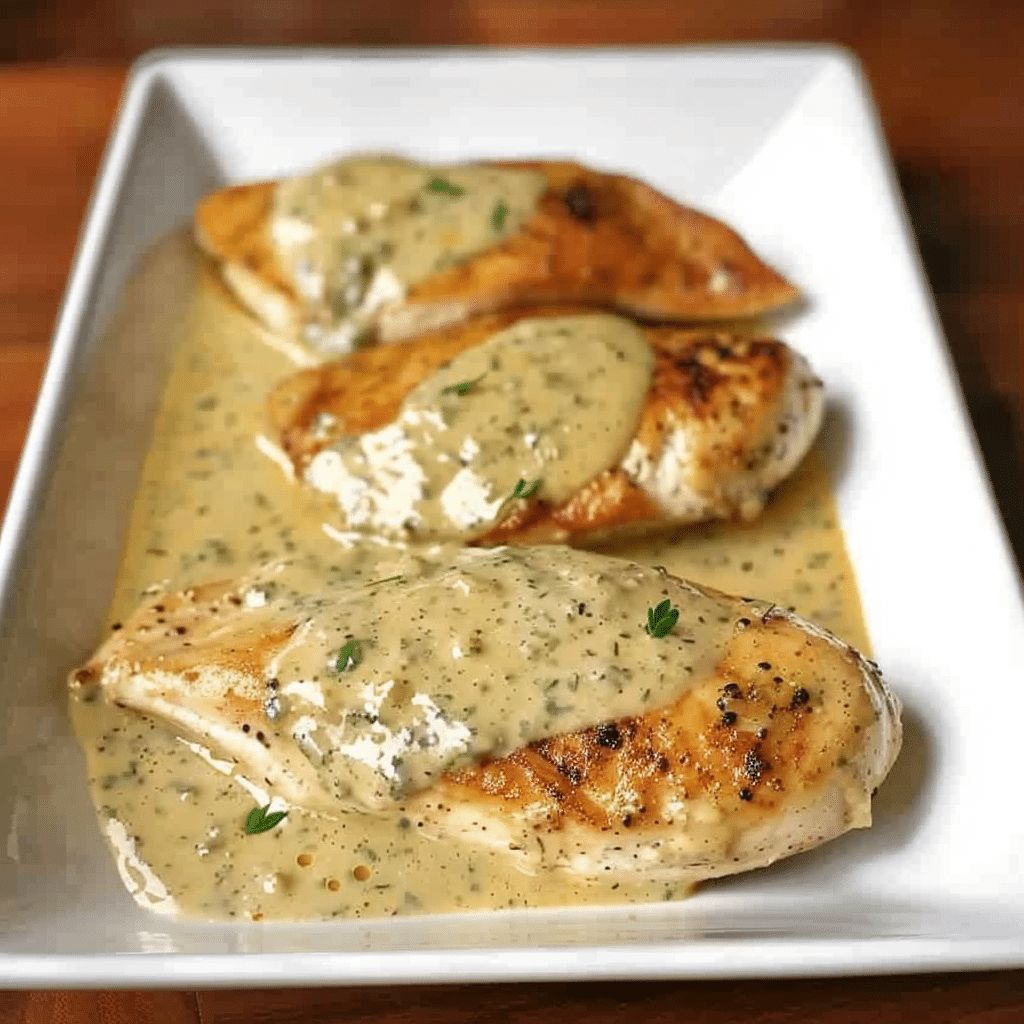
When you’re looking for a dinner that strikes the perfect balance between simplicity and elegance, Creamy Tarragon Chicken is the ultimate answer. Imagine golden, tender chicken breasts smothered in a rich, velvety sauce crafted from tangy Dijon mustard, lush heavy cream, and the delicate, anise-like hint of tarragon. It’s the kind of dish that effortlessly turns a standard weeknight meal into a gourmet experience without requiring hours in the kitchen.
Whether you’re cooking a quick meal for the family or looking to impress guests with your culinary flair, this dish delivers sophisticated flavors through simple techniques. By combining accessible pantry staples with the unique aromatic profile of tarragon, you can achieve a restaurant-quality result on your stovetop in just about 20 minutes. It is the perfect marriage of comfort and class.
Quick Answer: Creamy Tarragon Chicken is a fast, flavorful dish featuring pan-seared chicken breasts served in a luxurious sauce made of chicken broth, heavy cream, Dijon mustard, and tarragon. It is highly regarded for its “French-bistro” flavor profile and its ability to be prepared in under 30 minutes.
Understanding the Magic of Creamy Tarragon Chicken
To truly appreciate Creamy Tarragon Chicken, one must look at the culinary heritage that inspired it. This dish is a classic example of French-bistro style cooking, where simple, high-quality ingredients are transformed through the technique of pan-searing and deglazing. The result is a meal that feels incredibly sophisticated but remains grounded in comfort.
The star of the show, of course, is the tarragon. Often referred to as the “King of Herbs” in French cuisine, tarragon offers a unique, bittersweet flavor profile with distinct notes of anise or licorice. When paired with the sharp tang of Dijon mustard and the mellow richness of heavy cream, it creates a flavor harmony that is difficult to replicate with any other herb. It is this specific combination that elevates the humble chicken breast into something worthy of a white-tablecloth restaurant.
What makes this recipe a staple for modern home cooks is its efficiency. In a world where gourmet meals often require hours of prep, this dish proves that you can achieve complex flavors in just about 20 minutes. It is a “one-pan wonder” that minimizes cleanup while maximizing the sensory experience of your dinner.
The Essential Ingredient Breakdown
Before you begin cooking, it is vital to understand the role each component plays in the final dish. Selecting the right ingredients ensures that the sauce emulsifies correctly and the chicken remains succulent.
| Ingredient | Quantity | Culinary Purpose |
|---|---|---|
| Chicken Breasts | 4 pieces | The lean protein base; absorbs the herbal notes of the sauce. |
| Olive Oil | 2 tbsp | Used for high-heat searing to create a golden “crust.” |
| Chicken Broth | 1/4 cup | Used for deglazing the pan and adding savory depth. |
| Heavy Cream | 1/2 cup | Provides the velvety, luxurious mouthfeel of the sauce. |
| Dijon Mustard | 2 tbsp | Adds acidity and acts as an emulsifier for the cream. |
| Dried Tarragon | 1 tsp | The primary aromatic; provides the signature licorice finish. |
Choosing Your Chicken
For the best results, use boneless, skinless chicken breasts that are roughly the same thickness. If one side of the breast is significantly thicker than the other, you may want to gently pound it with a meat mallet. This ensures that the entire piece cooks evenly, preventing the thinner edges from drying out before the center reaches the safe internal temperature of 165°F (75°C).
The Importance of Heavy Cream
While it may be tempting to swap heavy cream for milk or half-and-half to save calories, the fat content in heavy cream is what allows the sauce to simmer without curdling. The high fat content also provides the structural integrity needed to coat the back of a spoon, giving you that iconic “velouté” texture.
Step-by-Step Instructions for the Perfect Sear
The foundation of a great Creamy Tarragon Chicken lies in how you handle the pan. Follow these steps to ensure a professional finish.
Step 1: Preparation and Seasoning
Start by patting your chicken breasts dry with a paper towel. This is a crucial step; moisture on the surface of the meat will cause it to steam rather than sear. Once dry, season both sides generously with Kosher salt and freshly cracked black pepper. Do not season too far in advance, as the salt can begin to draw out moisture if left sitting for too long.
Step 2: The Searing Process
- Heat the olive oil in a large stainless steel or cast-iron skillet over medium-high heat.
- Once the oil shimmers, carefully lay the chicken breasts into the pan, moving away from you to avoid oil splatters.
- Let the chicken sit undisturbed for 5-6 minutes. Resist the urge to peek! This is how you develop the Maillard reaction—the golden-brown caramelization that provides deep flavor.
- Flip the chicken once. The internal temperature should hit 165°F. Once reached, remove the chicken to a warm plate and tent it loosely with foil.
Pro Tip: “Fond” is the term for the brown bits stuck to the bottom of the pan after searing. Do not wash the pan! Those bits are concentrated flavor packets that will dissolve into your sauce during the next step.
Step 3: Crafting the Tarragon Sauce
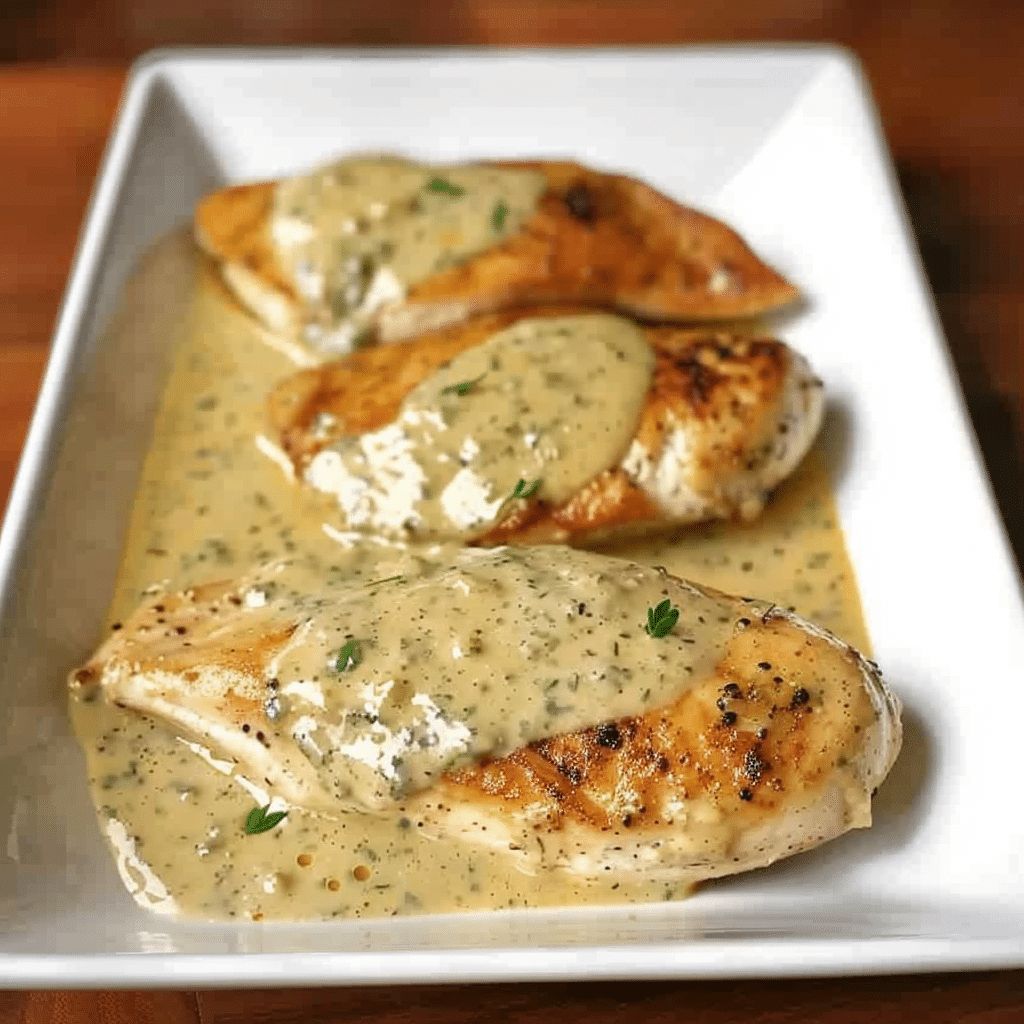
With the chicken resting, reduce your heat to medium. Pour in the chicken broth and use a wooden spoon to scrape up the fond. Once the liquid has reduced by half, whisk in the heavy cream, Dijon mustard, and dried tarragon. Stir constantly for about 2 minutes until the sauce begins to bubble and thicken into a silky glaze.
Step 4: The Final Integration
Slide the chicken (and any juices that collected on the plate) back into the skillet. Spoon the sauce over the meat and let it simmer for 60 seconds. This allows the chicken to reheat slightly and the flavors to fully meld together. Garnish with fresh parsley or extra tarragon if available.
Secrets to Success and Recipe Variations
Even a simple recipe can be elevated with a few expert techniques. Here is how to troubleshoot and customize your Creamy Tarragon Chicken.
How to Prevent a “Broken” Sauce
A sauce “breaks” when the fat separates from the liquid, leaving a greasy mess. To prevent this, ensure your mustard and cream are at room temperature before adding them to the hot pan. The mustard acts as a natural stabilizer, helping the cream and broth stay unified.
Substitutions for Different Diets
- Dairy-Free: Substitute the heavy cream with full-fat canned coconut milk or a cashew-based cream. Note that this will slightly alter the flavor profile.
- Protein Swaps: This sauce works beautifully with chicken thighs (increase cook time by 5 minutes) or even thick-cut pork chops.
- Fresh vs. Dried Herbs: If using fresh tarragon, use 1 tablespoon of chopped leaves instead of 1 teaspoon of dried. Fresh herbs should be added at the very end of cooking to preserve their volatile oils.
Elevating the Flavor with Wine
For a more complex, acidic finish, replace the chicken broth with a dry white wine such as Chardonnay or Pinot Grigio. The alcohol will cook off, leaving behind a bright, crisp note that cuts through the heaviness of the cream perfectly.
What to Serve with Your Tarragon Chicken
Choosing the right side dish is essential for a balanced plate. Since the sauce is the highlight of this recipe, you want sides that can act as a vehicle for that creamy goodness.
Starch Pairings
- Mashed Potatoes: A classic choice. The buttery texture of the potatoes blends seamlessly with the tarragon sauce.
- Wild Rice Pilaf: The nuttiness of wild rice provides a great textural contrast to the tender chicken.
- Crusty Baguette: Essential for “cleaning” your plate and making sure not a drop of sauce goes to waste.
Vegetable Accompaniments
To balance the richness, opt for vegetables with a bit of “snap” or bitterness:
- Roasted Asparagus: The earthiness of asparagus is a natural friend to tarragon.
- Steamed Green Beans: Keep them “al dente” for a fresh, clean crunch.
- Sautéed Spinach: A quick toss in garlic and oil makes for a light, healthy addition.
Estimated Nutritional Information
While this is an indulgent dish, it is packed with high-quality protein. Below is an estimate per serving (1 chicken breast with sauce).
| Metric | Value per Serving |
|---|---|
| Calories | 410 kcal |
| Protein | 38g |
| Total Fat | 24g |
| Carbohydrates | 6g |
| Sodium | 480mg |
Storage, Reheating, and Meal Prep
If you have leftovers, Creamy Tarragon Chicken keeps remarkably well, making it a favorite for those who meal prep on Sundays.
Fridge and Freezer Guidelines
- Refrigeration: Store in an airtight container for up to 3 days. The sauce will thicken significantly as it cools.
- Freezing: While you can freeze the cooked chicken, cream sauces can sometimes change texture upon thawing. If you must freeze it, do so in a vacuum-sealed bag for up to 2 months.
The Right Way to Reheat
Avoid the microwave if possible, as it can cause the chicken to become rubbery and the sauce to separate. Instead, place the chicken and sauce in a small skillet over low heat. Add a splash of water or milk to loosen the sauce, and cover with a lid. Heat slowly until the chicken is warmed through to the center.
You May Also Like
If you enjoyed this Creamy Tarragon Chicken, explore more of our culinary guides and recipe collections: chicken recipes, easy weeknight dinners, French-inspired meals, and mastering creamy sauces.
Herb Profile and Culinary Background: Tarragon on Wikipedia
Expert Tip: For the most flavorful results, ensure your Dijon mustard is fresh. Its acidity not only adds tang but also acts as a natural emulsifier to keep your cream sauce perfectly smooth and unified.
Frequently Asked Questions
Can I use fresh tarragon instead of dried?
Yes, you can certainly use fresh tarragon. The general rule of thumb is a 3:1 ratio; since this recipe calls for 1 teaspoon of dried tarragon, you should use 1 tablespoon of finely chopped fresh tarragon. Add the fresh herb at the very end of the simmering process to preserve its vibrant, aromatic oils.
What can I substitute for heavy cream to make it lighter?
You can substitute the heavy cream with half-and-half or even whole milk mixed with a teaspoon of cornstarch (a slurry). While this will reduce the calorie count, the sauce will be slightly thinner and less rich. Avoid using fat-free milk, as it may curdle when combined with the acidic Dijon mustard and heat.
How should I reheat leftovers without the sauce separating?
To keep the velvety texture of the sauce intact, reheat the chicken and sauce in a skillet over low heat. Add a tablespoon of chicken broth or water to help loosen the sauce as it warms. Avoid high heat or prolonged microwaving, which can cause the cream to “break” and the chicken to become rubbery.
Final Thoughts
The Creamy Tarragon Chicken is a testament to the fact that you don’t need a pantry full of exotic ingredients to create a world-class meal. By focusing on high-quality basics—tender chicken, rich cream, and the unique licorice note of tarragon—you can produce a restaurant-quality dinner in the comfort of your own home in just 20 minutes.
We invite you to make this recipe your own by experimenting with different sides or a splash of white wine. Whether it is a quiet Tuesday night or a special weekend gathering, this dish is guaranteed to impress. Happy cooking, and enjoy every flavorful bite!