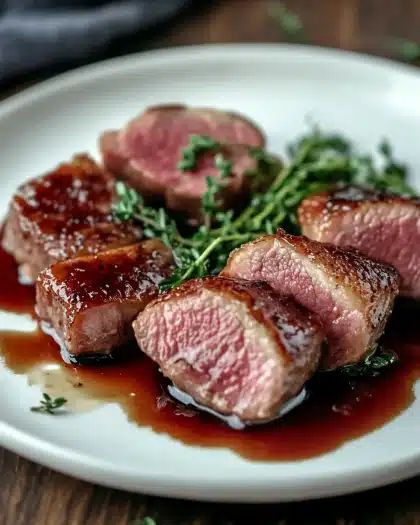
Imagine biting into a tender, juicy duck breast with the crispiest golden skin you’ve ever tasted—all complemented by a luscious, bright blood orange thyme glaze that dances on your tongue. This is not just another recipe; it’s a complete culinary experience. If you’ve ever been intimidated by cooking duck or thought it was a luxury reserved for high-end restaurants, this guide is here to transform your home kitchen into a gourmet bistro.
With clear, actionable steps and professional insider tips, you’ll learn how to master the delicate balance of rich, succulent poultry and vibrant citrus notes. This Crispy Duck Breast with Blood Orange Thyme Glaze is designed to impress your guests while remaining approachable enough for a special weeknight treat. Let’s elevate your cooking repertoire with a dish that is as visually stunning as it is delicious.
Quick Answer: To achieve the perfect crispy duck breast, you must score the skin without piercing the meat and start it in a cold skillet. This allows the fat to render slowly, resulting in a thin, crunchy crust. Pair it with a reduction of fresh blood orange juice, maple syrup, and thyme for a sophisticated flavor profile that cuts through the richness of the meat.
Why You Should Try Crispy Duck Breast with Blood Orange Thyme Glaze Today
If you are looking for a dish that truly bridges the gap between home cooking and fine dining, duck breast is your ultimate canvas. Unlike chicken or turkey, duck is technically red meat, offering a deep, gamey richness that is often compared to a well-aged steak. However, the true “star” of the duck breast is the thick layer of subcutaneous fat beneath the skin. When treated correctly, this fat renders out, leaving behind a paper-thin, ultra-crispy crust that provides a satisfying crunch with every bite.
Pairing this decadence with a Blood Orange Thyme Glaze is a masterstroke of flavor balancing. The natural acidity and slight bitterness of blood oranges cut through the heavy lipids of the duck, while the maple syrup provides a caramelized sweetness. The addition of fresh thyme introduces an earthy, herbal backbone that ties the fruit and meat together. This recipe isn’t just a meal; it’s a lesson in flavor architecture that you can execute in under an hour.
Pro Tip: Blood oranges are seasonal, typically peaking from December through May. If you find them in the market, buy an extra batch to zest and freeze for future use!
Gather Your Ingredients: What You’ll Need for Success
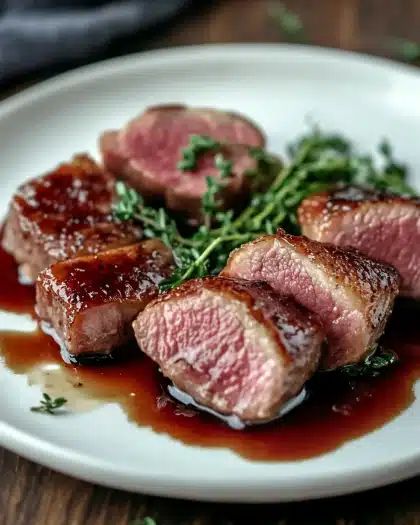
High-quality ingredients are the foundation of any gourmet dish. For the duck, seek out Rohan or Muscovy breeds if possible, as they have a better meat-to-fat ratio. For the glaze, ensure your blood oranges are heavy for their size, indicating they are full of juice.
Essential Ingredients for the Duck Breasts
| Ingredient | Amount | Purpose |
|---|---|---|
| Duck Breasts | 2 (approx. 6–8 oz each) | The main protein and source of rich flavor. |
| Kosher Salt | To taste | Draws out moisture for a crispier skin. |
| Black Pepper | To taste | Adds a subtle heat and floral note. |
| Fresh Thyme Sprigs | 4 sprigs | Used for aromatics during the basting phase. |
Ingredients for the Blood Orange Thyme Glaze
| Ingredient | Amount | Notes |
|---|---|---|
| Unsalted Butter | 2 tablespoons | Provides a nutty base via browning. |
| Shallot | 1, finely minced | Adds a delicate, sweet onion flavor. |
| Maple Syrup | ½ cup | Acts as a thickener and sweetener. |
| Chicken Broth | ½ cup | Adds savory depth and umami. |
| Blood Orange Juice | Juice of 4–5 oranges | The primary acid and color source. |
| Blood Orange Zest | Zest of 1 orange | Provides intense citrus essential oils. |
| Fresh Thyme | 1 tbsp (leaves) + 1 tsp (dried) | Layers of herbal flavor. |
How to Prepare Your Duck Breast for Maximum Crispiness
The secret to restaurant-quality duck isn’t actually the heat of the stove—it’s the preparation that happens before the meat ever touches the pan. Moisture is the enemy of the Maillard reaction (browning), so your goal is to make the skin as dry as possible.
- The Pat-Dry Method: Remove the duck from its packaging and use heavy-duty paper towels to pat it dry on all sides. Don’t forget the crevices!
- Scoring the Skin: Using a very sharp chef’s knife or a clean utility blade, score the skin in a crosshatch (diamond) pattern. Make sure you cut through the fat but stop before you hit the meat. If you cut the meat, the juices will leak out, steaming the skin instead of crisping it.
- The Refrigerator Dry-Brine: Season the skin side heavily with salt. Place the duck on a wire rack over a baking sheet and leave it in the fridge, uncovered, for at least 30 minutes. This cold, circulating air further dehydrates the skin.
- Temper the Meat: Take the duck out of the fridge 15 minutes before cooking. If the meat is ice-cold when it hits the pan, the outside will overcook before the center reaches the desired temperature.
Two Perfect Ways to Cook Duck Breast: Pan-Seared or Sous Vide
While both methods yield incredible results, the choice depends on your preferred texture and equipment. Pan-searing is traditional and produces the best skin, while sous vide offers edge-to-edge perfection in the meat’s doneness.
Comparison: Pan-Seared vs. Sous Vide
| Feature | Pan-Seared | Sous Vide |
|---|---|---|
| Difficulty | Intermediate | Easy (Requires equipment) |
| Time | 15–20 minutes | 2 hours |
| Texture | Crunchy skin, traditional sear | Buttery soft meat, uniform pinkness |
| Control | Variable | Precise to the degree |
Option 1: The Classic Pan-Sear (The Cold Pan Method)
Unlike steak, which requires a screaming hot pan, duck should be started in a cold skillet. This allows the fat to melt (render) gradually as the pan heats up, ensuring the skin becomes thin and crispy rather than chewy and greasy.
- Place duck skin-side down in a cold, heavy skillet (cast iron is best).
- Turn heat to medium. Once the fat starts sizzling, don’t move the duck.
- Cook for about 8–10 minutes, periodically pouring off the excess fat into a heat-safe jar. (Save this liquid gold for roasting potatoes later!)
- Once the skin is deep mahogany and crispy, flip the breast.
- Add your thyme sprigs and a knob of butter. Baste the skin with the hot fat for 2–3 minutes until the internal temperature hits 135°F.
Option 2: Sous Vide for the Modern Gourmet
If you prefer your duck to be perfectly medium-rare from top to bottom, sous vide is the way to go. This method breaks down the connective tissues without overcoagulating the proteins.
- Set your water bath to 134°F (56.5°C).
- Flash-sear the skin for 60 seconds in a hot pan just to start the rendering process.
- Seal the duck in a bag with thyme and a pinch of salt.
- Cook for 90 minutes.
- Remove, pat bone-dry, and perform a final sear on high heat for 60 seconds to crisp up that skin.
Crafting the Perfect Blood Orange Thyme Glaze
While your duck is resting (which is mandatory for at least 8 minutes!), it’s time to finish the glaze. The goal here is a “Gastrique-style” sauce that is thick enough to coat the back of a spoon.
The Reduction Process
- Brown the Butter: In a small saucepan, melt butter until the solids turn brown and smell like toasted hazelnuts. This adds a layer of complexity.
- Aromatics: Sauté the shallots until they are soft. Do not let them burn, or the glaze will be bitter.
- The Liquid Build: Add the maple syrup, chicken broth, and blood orange juice. Crank the heat to medium-high.
- The Simmer: Let the mixture bubble away. You want to reduce the volume by at least half. As the water evaporates, the sugars concentrate, creating a syrupy texture.
- The Finish: Stir in the fresh zest and herbs at the very end to keep their flavors bright. Strain through a fine-mesh sieve for a velvety smooth finish.
How to Plate and Serve Like a Pro
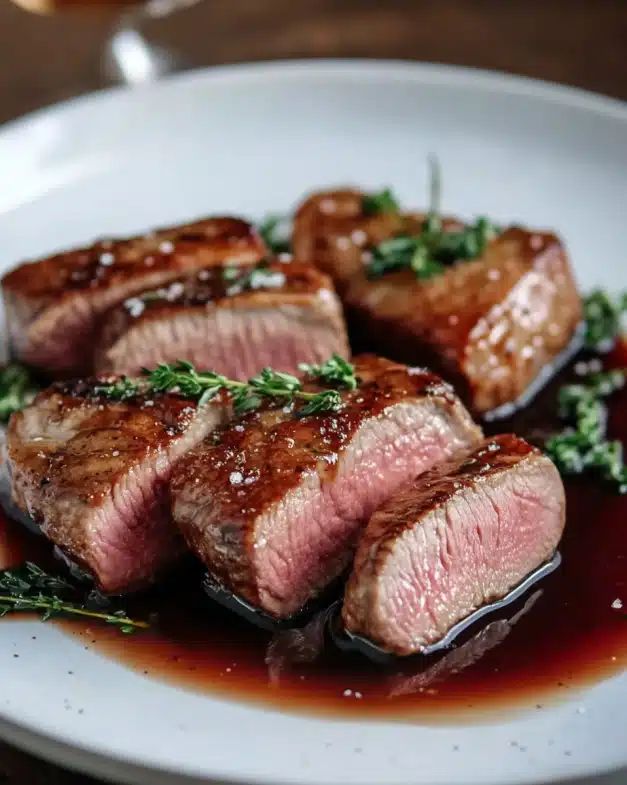
Presentation is the final step in your gourmet journey. To prevent the crispy skin from getting soggy, never pour the sauce directly over the top of the entire breast. Instead, drizzle the sauce on the plate first, or slice the duck and spoon the glaze across the center of the slices, leaving the edges of the skin exposed.
Recommended Pairings
- Starches: Parsnip purée, garlic mashed potatoes, or a wild rice pilaf with dried cranberries.
- Vegetables: Honey-glazed carrots, charred broccolini, or a bitter arugula salad with shaved fennel.
- Wine: A high-acid red like a Pinot Noir or a slightly chilled Gamay. The tannins will play beautifully with the duck’s richness.
By following these steps, you’ve transformed simple ingredients into a sophisticated masterpiece. The contrast of the salty, crispy skin and the sweet, tangy blood orange is a flavor profile that will stay with you long after the meal is over.
You May Also Like
If you enjoyed this recipe, explore more of our culinary guides: Gourmet Dinner Recipes, Pro Pan-Searing Techniques, Homemade Sauces & Glazes, and Expert Poultry Tips.
Source: Learn more about the culinary history and varieties of Duck as food via Wikipedia.
Frequently Asked Questions
Can I substitute regular oranges if blood oranges are out of season?
Absolutely. While blood oranges provide a specific tartness and a deep crimson color, you can use standard Navel or Valencia oranges. If you do, consider adding a teaspoon of lemon juice or raspberry vinegar to the glaze to mimic the unique acidity and complex flavor profile found in blood oranges.
How do I prevent the duck skin from sticking to the pan?
The secret is starting with a cold skillet. By placing the duck skin-side down before turning on the heat, the fat begins to melt (render) and acts as a natural lubricant. Additionally, ensure the skin is completely dry before it touches the pan; moisture is the primary cause of sticking and uneven browning.
Is it safe to eat duck breast medium-rare?
Yes, unlike chicken, duck breast is a “red meat” poultry and is best enjoyed at an internal temperature of 135°F to 140°F. This results in a medium-rare to medium finish that remains tender and succulent. Consistently using a digital meat thermometer is the best way to ensure both safety and gourmet quality.
Final Thoughts
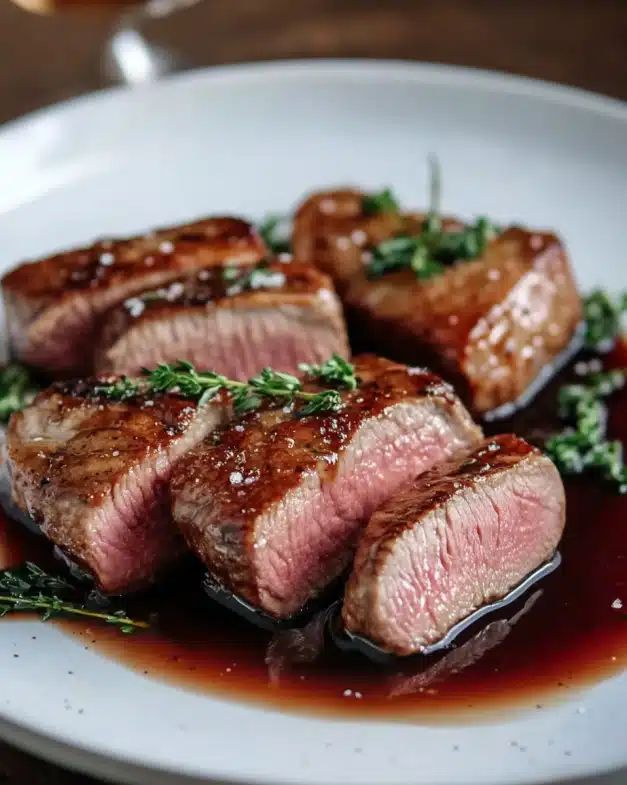
Mastering Crispy Duck Breast with Blood Orange Thyme Glaze is a milestone for any home cook. It proves that with the right techniques—like meticulous scoring and slow rendering—you can recreate the elegance of a five-star restaurant in your own dining room. This dish serves as a perfect example of how high-quality ingredients and a little patience can transform a simple dinner into a memorable culinary event.
We hope this guide empowers you to experiment with new textures and bold flavors. Whether you are preparing this for a holiday celebration or a quiet, sophisticated night in, the results are sure to impress. Don’t forget to save your rendered duck fat for future roasting—it’s the ultimate chef’s secret!