
Imagine walking into your kitchen after a long day, craving something that’s fast to make, deliciously savory, and packed with fresh, bold flavors. This Chinese Black Pepper Chicken Stir Fry recipe fits the bill perfectly. It’s not just another stir fry; it’s your shortcut to a satisfying meal that feels both wholesome and indulgent. Whether you’re a beginner or a kitchen pro, you’ll discover how simple ingredients come together to create a dish bursting with flavor and texture.
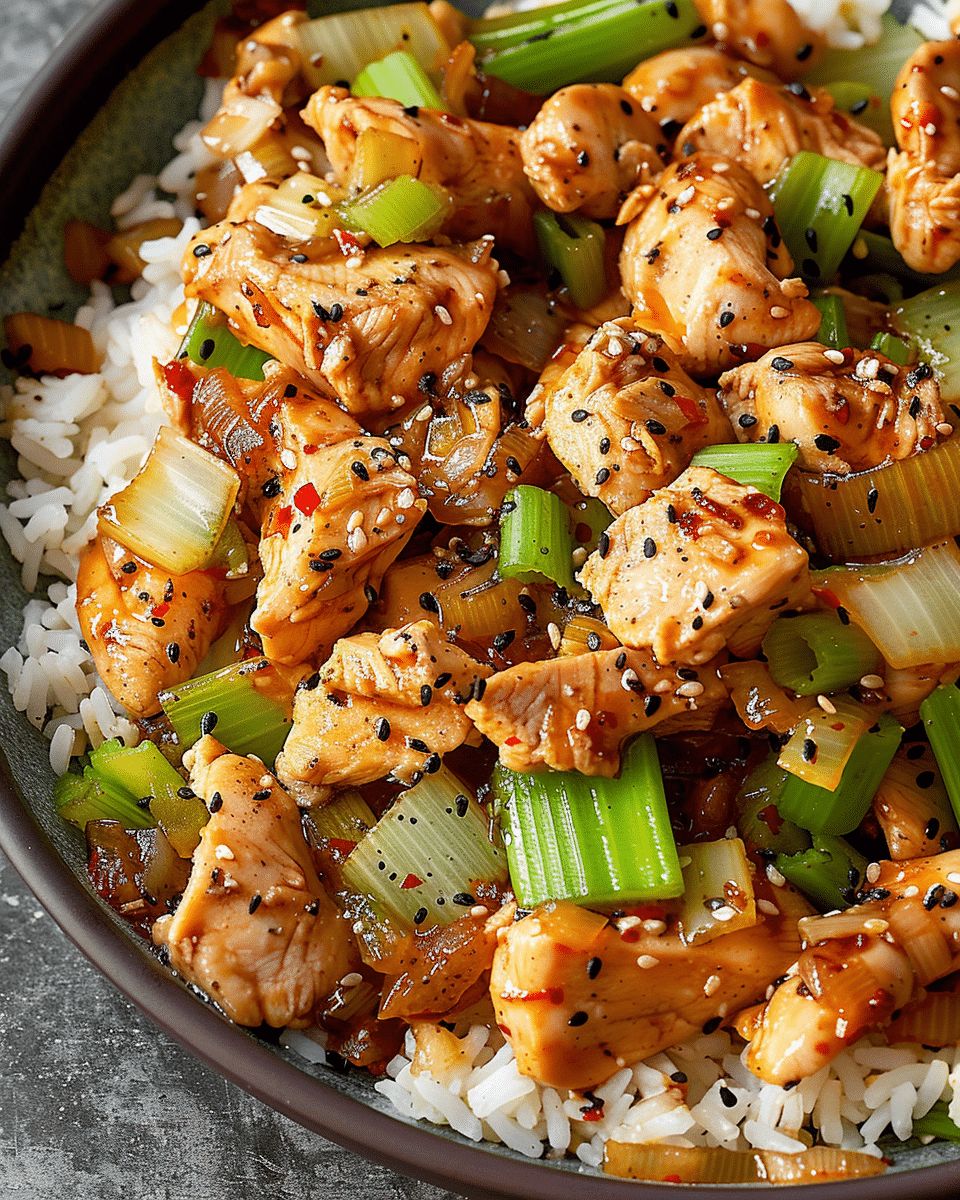
In this guide, you’ll learn everything you need to know—from selecting the freshest chicken and perfecting the marinade to mastering the stir-fry technique. By the end, you’ll be ready to whip up this restaurant-quality dish in less than 30 minutes, making weeknights more enjoyable and mealtime stress-free. Let’s dive into how you can bring the authentic taste of your favorite bistro right to your own dining table.
Quick Answer: Chinese Black Pepper Chicken is a savory stir fry featuring tender chicken breast, aromatic ginger, and a bold kick of freshly ground black pepper. By marinating the chicken in soy sauce and cornstarch before searing it over high heat with celery and onions, you create a protein-rich, restaurant-style meal in just a few simple steps.
What Makes Chinese Black Pepper Chicken Stir Fry So Special?
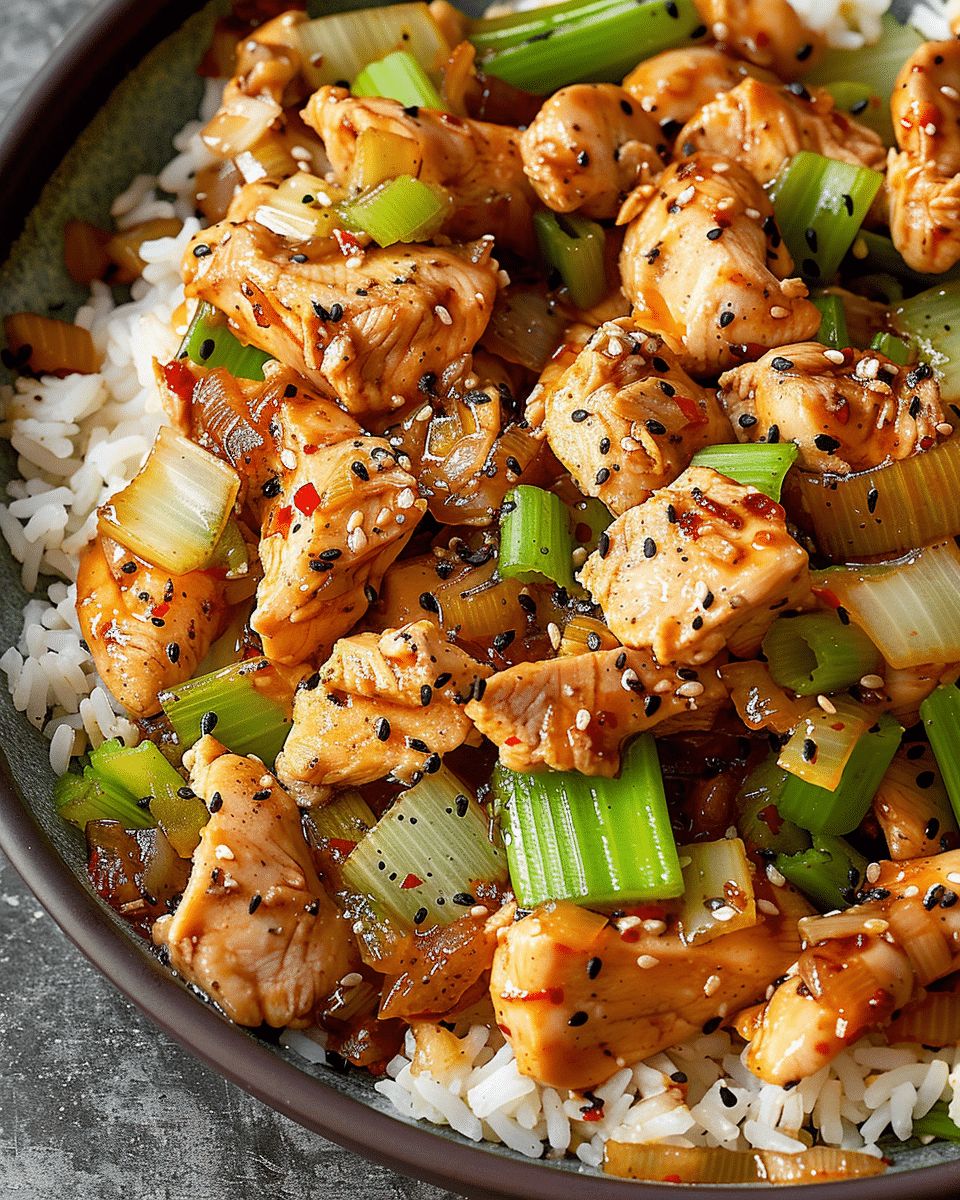
When you think of a great stir fry, it’s all about harmony—balancing flavors, textures, and colors. The magic of this Chinese Black Pepper Chicken Stir Fry lies in its ability to combine bold, spicy black pepper with the subtle warmth of ginger and the rich nuttiness of sesame oil. Unlike many heavy, sauce-laden takeout dishes, this version focuses on high-quality aromatics and a clean, peppery finish that doesn’t overwhelm the palate.
Each bite offers a satisfying crunch from fresh celery and onions, providing a delightful contrast to the tender, juicy chicken strips. Because the vegetables are cooked quickly over intense heat, they retain their vibrant color and nutritional value, making this a feast for both the eyes and the body.
The Flavor Profile That Will Win You Over
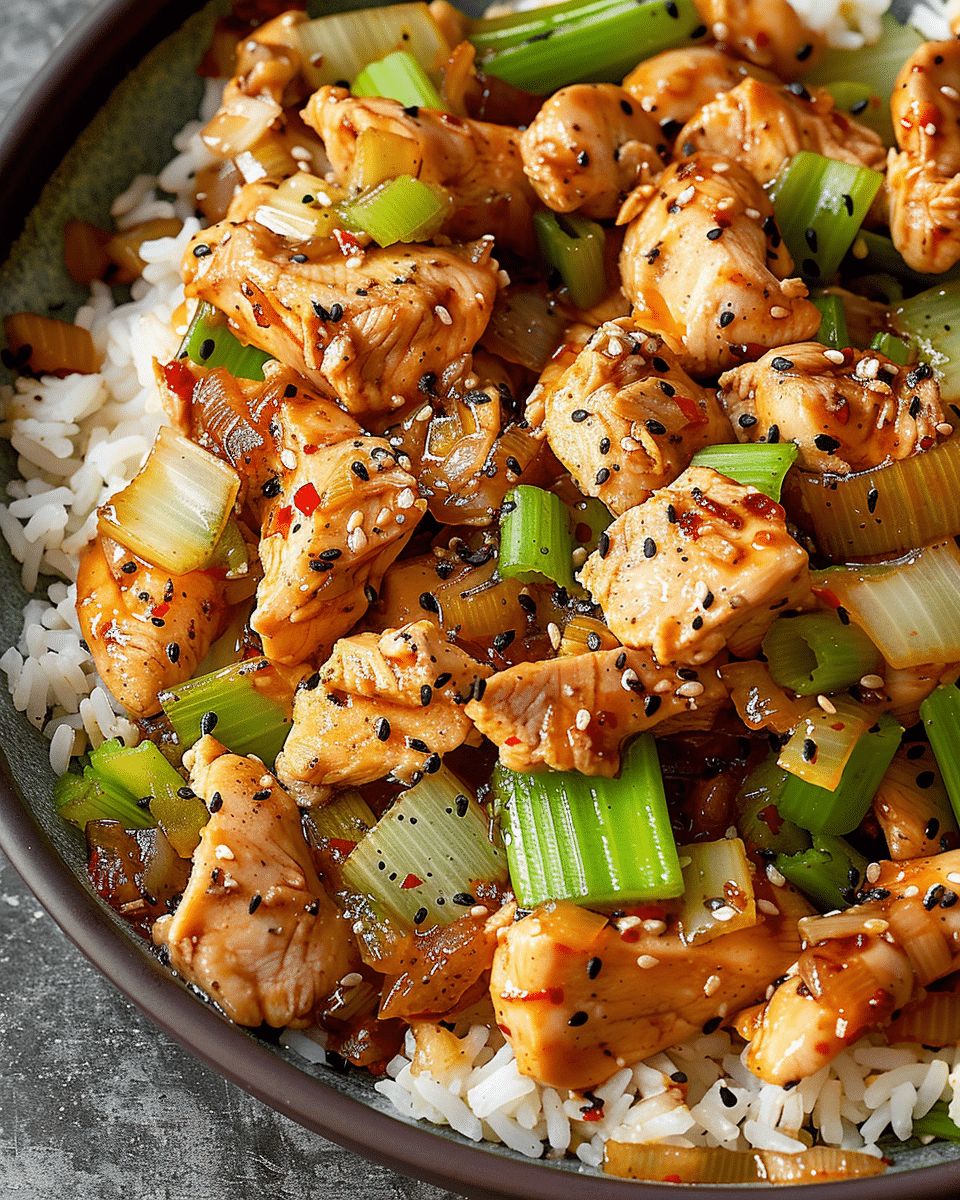
Understanding the layers of flavor in this dish helps you appreciate why it has become a global favorite. Here is a breakdown of the key sensory components:
- Black Pepper: Unlike regular table pepper, freshly ground black pepper delivers a more intense, aromatic heat that lingers and excites your palate.
- Ginger: This zesty root adds a fresh, spicy undertone that balances the dish’s richness and aids digestion.
- Soy Sauce & Rice Vinegar: These staples bring umami depth and a hint of tang, ensuring each bite is layered with complex fermented notes.
- Sesame Oil: The toasted sesame oil finishes the dish with a fragrant nuttiness that is the hallmark of authentic Chinese cuisine.
Why This Recipe Is Healthy and Nutritious
You want a dinner that’s not only tasty but also nourishing. This stir fry features lean chicken breast, which is high in protein and low in saturated fat. By using low-sodium soy sauce, you can keep your salt intake in check without sacrificing that essential umami flavor. Furthermore, the rapid stir-fry technique ensures that the vitamins in the celery and onions aren’t lost to long cooking times.
Essential Ingredients: Your Shopping List
Success in the kitchen starts with the right foundation. To achieve that restaurant-quality sear and depth of flavor, you will need the following ingredients. We recommend choosing fresh, organic produce where possible to maximize the nutritional benefits of your meal.
| Ingredient | Quantity | Pro Tip / Notes |
|---|---|---|
| Skinless, boneless chicken breasts | 2 lbs (1 kg) | Slice into thin, even strips for fast cooking. |
| Low sodium soy sauce | 3 tablespoons | Provides salt and color without excess sodium. |
| Fresh ginger, minced | 1 ½ tablespoons | Fresh is mandatory; avoid the powdered version. |
| Cornstarch | 2-3 tablespoons | The secret to a “velvety” and crispy coating. |
| Toasted sesame oil | 2 tablespoons | Adds the essential aromatic nutty finish. |
| Rice vinegar | 2 tablespoons | Adds a bright acidity to cut through the oil. |
| Vegetable oil | 5 tablespoons | Use a high-smoke point oil like canola or peanut. |
| Celery stalks | 3 stalks | Thinly slice on a diagonal for more surface area. |
| Large onion | 1 large | Cube into 1-inch pieces for a chunky texture. |
| Fresh ground black pepper | 1 ½ tablespoons | Coarsely ground provides the best “pop” of heat. |
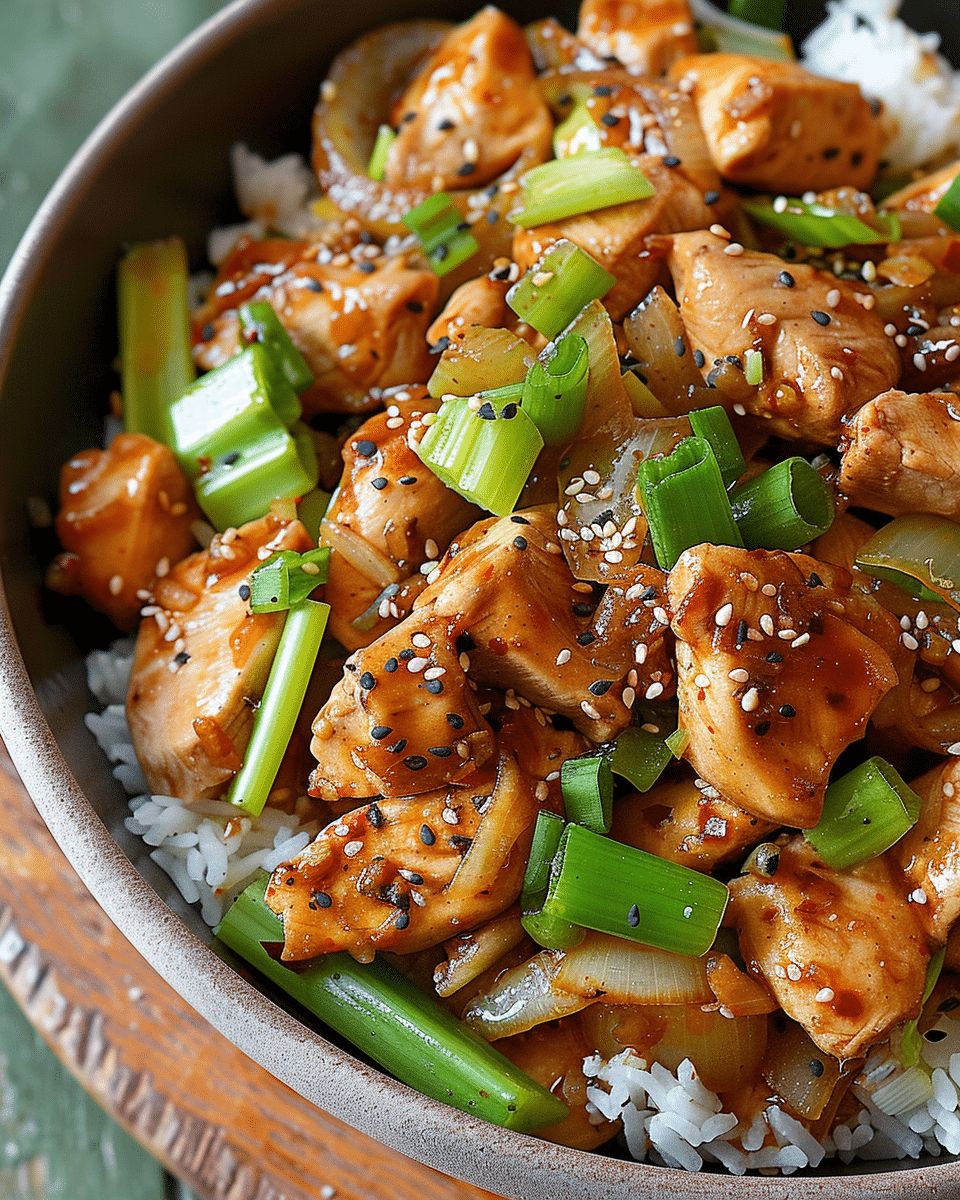
Mastering the Cooking Process: Step-by-Step Instructions
Cooking a stir fry is a fast-paced endeavor. The preparation takes the most time, while the actual cooking happens in a flash. Follow these steps to ensure your chicken stays moist and your vegetables stay crisp.
Step 1: Marinate the Chicken for Maximum Tenderness
Before you even turn on the stove, let your chicken soak in a marinade that does double duty—it tenderizes the meat and layers in deep seasoning. This technique, often called “velveting,” is how Chinese restaurants keep chicken breast from drying out.
- In a medium-sized bowl, combine the thin chicken strips with soy sauce, minced ginger, rice vinegar, cornstarch, and toasted sesame oil.
- Stir well to coat each piece thoroughly, ensuring the cornstarch is fully dissolved into the liquid.
- Let the chicken rest for at least 10 minutes. This short window is sufficient for the ginger and vinegar to begin softening the proteins.
Pro Tip: If you have the time, marinate the chicken for up to 30 minutes in the refrigerator. This allows the flavors to penetrate deeper into the meat.
Step 2: Searing the Protein Over High Heat
Heat your vegetable oil in a large non-stick skillet or a traditional carbon steel wok over high heat. You want the oil to be shimmering and slightly wispy with smoke before the chicken hits the pan.
- Add the marinated chicken to the skillet in a single layer. Do not crowd the pan; if necessary, cook in two batches.
- Cook for about 6 minutes, stirring occasionally. You are looking for a golden-brown crust on the outside while keeping the inside tender.
- Remove the chicken from the pan temporarily if you are cooking in batches to prevent overcooking the first set.
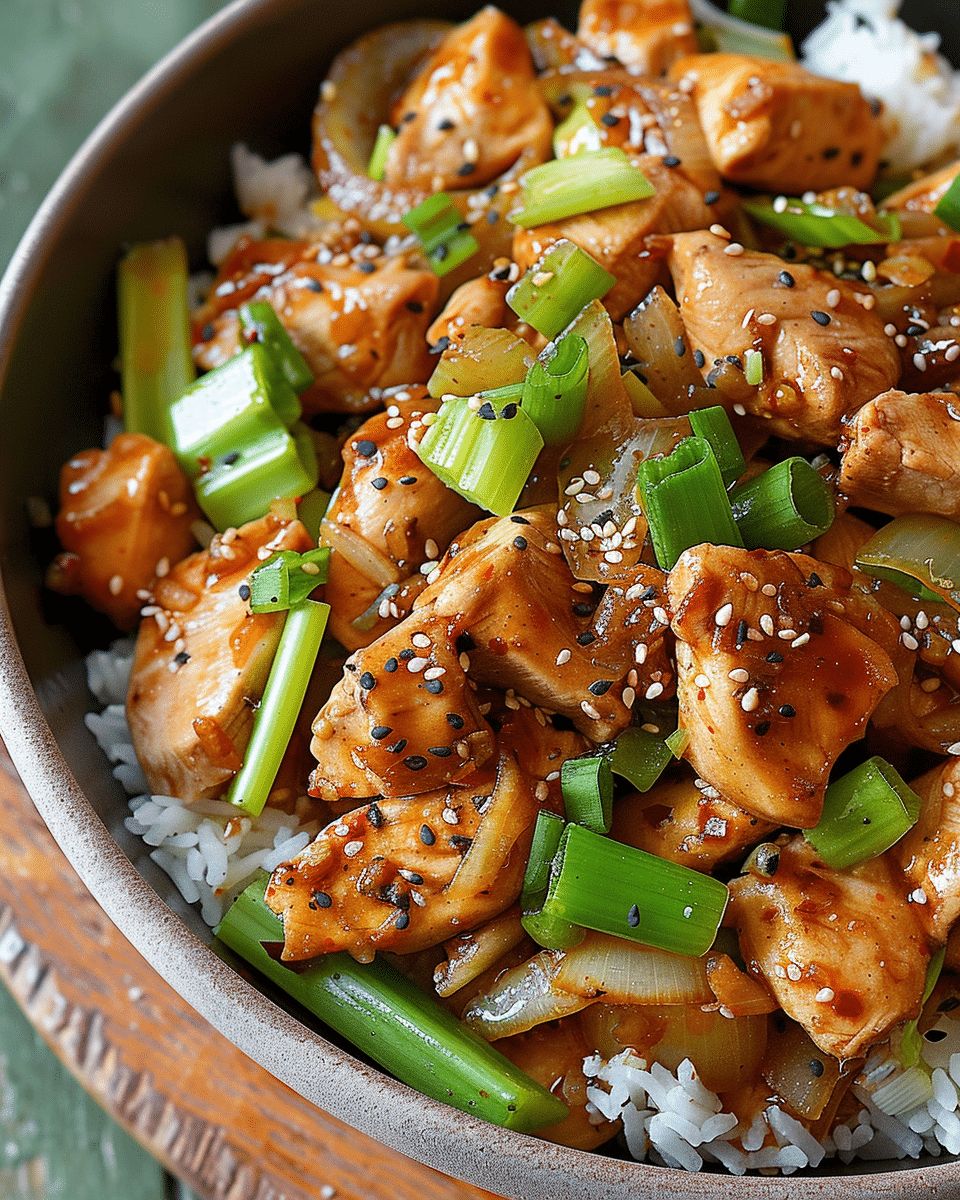
Step 3: Stir-Frying the Vegetables
Once your chicken is cooked through and beautifully browned, it is time to add the aromatics and the crunch. The goal here is to soften the raw edge of the vegetables without making them limp.
- Toss in the sliced celery and cubed onion into the remaining oil in the pan.
- Stir-fry for exactly 1 minute on high heat. The onion should become slightly translucent on the edges but remain firm.
- Return the chicken to the pan (if you removed it) and toss everything together.
- Generously sprinkle the freshly ground black pepper over the entire mixture. Give it one final, vigorous stir to distribute the spice evenly.
Tips to Elevate Your Stir Fry Game
To truly master this dish, consider these expert techniques used by professional chefs to ensure consistency and flavor every time you cook.
Maintain the “Wok Hei”
In Cantonese, “Wok Hei” translates to “breath of the wok.” It refers to the complex charred aroma produced by stir-frying ingredients over extreme heat. To mimic this at home, always use the highest setting on your stove and avoid moving the food constantly; let it sit for 30 seconds at a time to develop a sear.
The Importance of Fresh Pepper
Pre-ground pepper loses its volatile oils quickly, leaving you with heat but no aroma. For this recipe, use a pepper mill or a mortar and pestle to crush whole peppercorns. The difference in fragrance is transformative for the final dish.
- Consistency: Keep your vegetable cuts uniform so they cook at the same rate.
- Preparation: Have all your ingredients measured and ready (Mise en Place) before you start the stove.
- Substitutions: For a keto-friendly version, swap cornstarch for xanthan gum and use a sugar-free soy substitute.
Frequently Asked Questions
What can I use instead of chicken breast?
While breast is traditional for a lean meal, chicken thighs offer more fat and flavor, making them more forgiving if overcooked. You can also use thin strips of flank steak or firm tofu cubes for a different protein profile.
How do I store and reheat leftovers?
Store leftovers in an airtight container for up to 3 days. When reheating, use a skillet over medium heat with a splash of water or soy sauce to loosen the starch-based coating and prevent the chicken from becoming rubbery in the microwave.
Is this dish spicy?
The heat from black pepper is different from chili heat; it is more of a warm, floral tingle than a sharp burn. You can easily adjust the “spice” level by increasing or decreasing the amount of pepper used in Step 3.
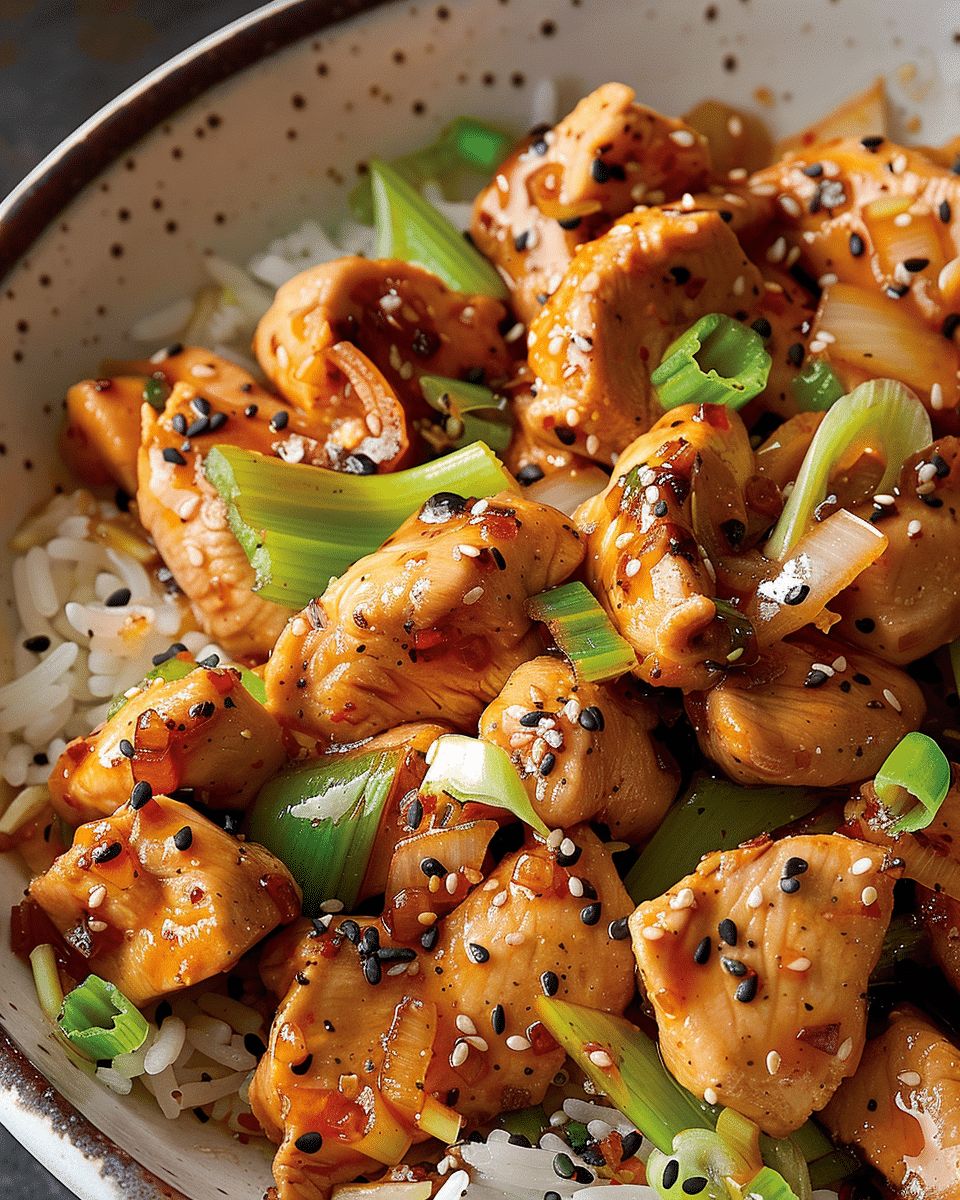
Nutritional Data Comparison
Comparing this homemade version to typical takeout options highlights why cooking at home is a superior choice for your health.
| Nutrient | Homemade Stir Fry (Per Serving) | Typical Restaurant Takeout |
|---|---|---|
| Calories | 350 kcal | 580+ kcal |
| Sodium | 650 mg | 1,200+ mg |
| Added Sugars | 0g | 10g+ (due to corn syrup in sauces) |
| Protein | 32g | 25g |
By controlling the ingredients, you eliminate unnecessary sugars and excessive salt, resulting in a meal that fuels your body without the “heavy” feeling often associated with fast food.
You May Also Like
If you enjoyed this recipe, you might find these guides helpful for your next meal: Healthy Chicken Recipes, 30-Minute Dinners, Authentic Asian Cuisine, and Weekly Meal Prep Ideas.
For more information on the history and cultural significance of stir-frying, visit: Wikipedia
Frequently Asked Questions
How can I make the chicken extra tender?
The secret lies in velveting the meat. By coating the chicken in cornstarch and rice vinegar during the marinade phase, you create a protective barrier that keeps the juices locked in while the high heat sears the outside. This ensures a restaurant-quality texture every time.
Can I substitute the vegetables in this recipe?
Absolutely! While celery and onion provide the traditional crunch, this recipe is very versatile. You can add bell peppers, snap peas, broccoli florets, or baby corn. Just remember to slice them thinly so they cook quickly over the high heat.
Is this Black Pepper Chicken gluten-free?
To make this dish 100% gluten-free, simply replace the standard soy sauce with Tamari or coconut aminos. Since the recipe uses cornstarch as a thickener rather than flour, no other major adjustments are needed to enjoy a safe and delicious meal.
Final Thoughts
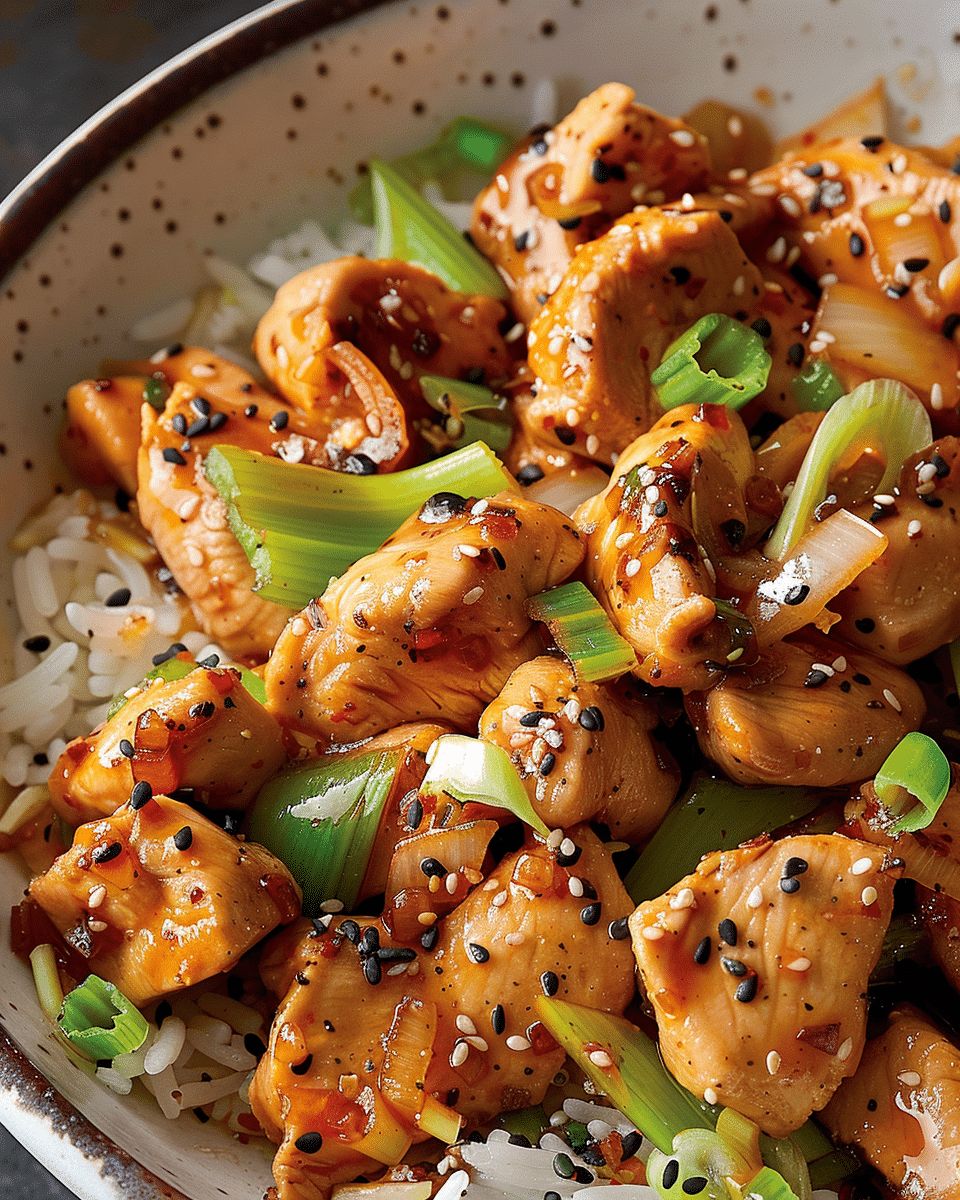
Mastering the Chinese Black Pepper Chicken Stir Fry is a game-changer for any home cook looking to balance speed with nutrition. By focusing on fresh aromatics like ginger and freshly ground black pepper, you can create a meal that rivals your favorite takeout spot while maintaining full control over the ingredients and sodium levels.
Whether you are preparing a quick Tuesday night dinner for the family or looking to impress guests with your wok skills, this recipe offers a reliable and flavorful foundation. Don’t be afraid to turn up the heat and experiment with different vegetable combinations to make this dish truly your own!

