There is a unique magic that happens when patience meets the right cut of meat. Ginger-Braised Asian Beef Cheeks are the epitome of this culinary alchemy, offering a deep, savory profile that only comes from hours of gentle simmering. This dish isn’t just about feeding a family; it is about creating a sensory experience where warming aromatics like lemongrass and fresh ginger meld into a rich, velvety sauce.
While beef cheeks were once a hidden gem known only to butchers and professional chefs, they have rightfully earned their place as a centerpiece for home cooks seeking high-impact flavor. The muscle’s high collagen content breaks down during the braising process, resulting in meat so tender it practically melts. When paired with the umami-rich notes of soy and hoisin, this dish becomes a sophisticated, soulful meal perfect for cozy weekends or impressive dinner parties.
Quick Answer: Ginger-Braised Asian Beef Cheeks are prepared by searing the meat to develop deep flavor, then slow-cooking it in a liquid of soy sauce, ginger, lemongrass, and aromatics for at least 2.5 to 3 hours. This process transforms a tough cut into exceptionally tender meat with a glossy, savory-sweet glaze.

Understanding the Magic of Braised Beef Cheeks
To truly appreciate this dish, one must understand why the beef cheek is the undisputed king of the braise. Unlike leaner cuts that can become stringy when cooked for long periods, beef cheeks are packed with connective tissue that turns into silky gelatin, naturally thickening the braising liquid into a luxurious sauce.
What Makes This Dish Uniquely Rich
This recipe relies on the technique of low and slow braising. By maintaining a steady, gentle heat, the fibers of the meat relax without drying out. The inclusion of mushrooms and sweet soy sauce creates a “flavor bomb” effect, providing layers of earthiness and salt that develop more complexity the longer they sit.
Why Beef Cheeks Shine in Braised Recipes
Because the cheek is a hardworking muscle, it possesses a much deeper “beefy” flavor than a standard chuck roast. It acts as a sponge, absorbing the bright notes of ginger and the heat of fresh chili, ensuring that every bite is seasoned from the outside in.
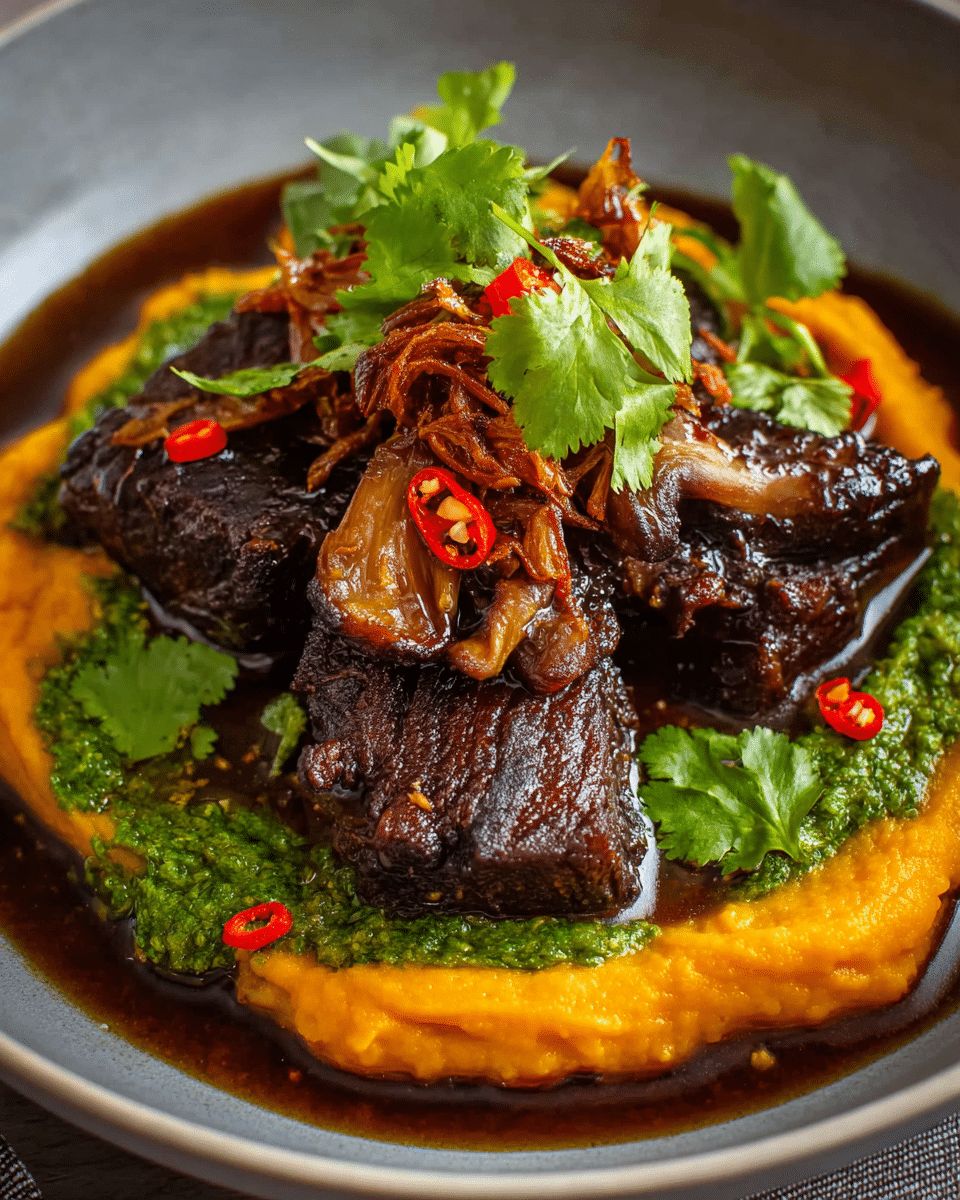
Mastering the Ingredients for Ginger-Braised Asian Beef Cheeks
The secret to a world-class Ginger-Braised Asian Beef Cheeks recipe lies in the quality of your components. Because braising is a reductive process—meaning the liquid evaporates and concentrates—the flavors you start with will be amplified by the time you serve. Choosing the right aromatics and the perfect cut of meat is the difference between a good home meal and a professional-grade culinary masterpiece.
Selecting High-Quality Beef Cheeks
Beef cheeks are an artisanal cut that requires a discerning eye. When shopping at your local butcher, look for the following characteristics to ensure the best results for your cookwithfeast.com dinner:
- Deep Red Color: Indicates a high myoglobin content, which translates to a richer, beefier flavor.
- Intense Marbling: Small flecks of intramuscular fat are essential as they render down to keep the meat moist during the 3-hour braise.
- Proper Trimming: While you want some fat for richness, ensure the thick “silver skin” is mostly removed, as it can become rubbery if not handled correctly.
The Essential Aromatic Base
The “Asian” profile of this dish comes from a specific trifecta of aromatics. These ingredients don’t just season the meat; they perfume the entire kitchen and create a complex olfactory experience.
- Fresh Ginger: Use a generous 3-inch piece. It provides a sharp, peppery heat that cuts through the fatty richness of the beef.
- Lemongrass: Bruise the stalk before adding it to the pot to release the essential oils. It adds a citrusy, floral top note.
- Garlic and Chili: These provide the foundational “bass notes” of savory depth and a gentle tingle on the palate.
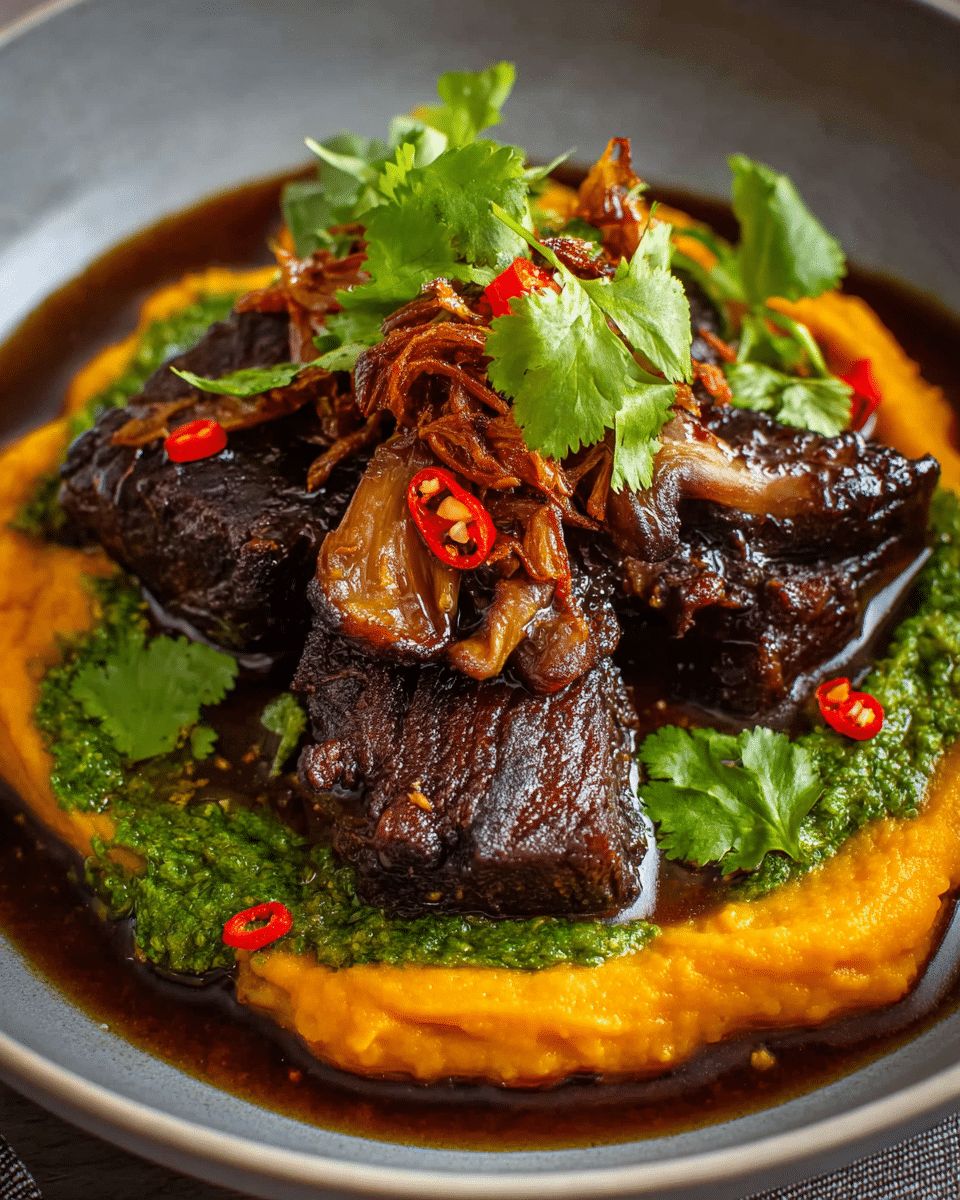
Sauce Elements: The Umami Trifecta
To achieve that signature glossy, dark glaze, we use a combination of three specific soy products. Each serves a unique purpose in the flavor architecture:
| Ingredient | Primary Function | Flavor Contribution |
|---|---|---|
| Regular Soy Sauce | Saltiness & Umami | Provides the savory backbone and seasoning. |
| Hoisin Sauce | Body & Sweetness | Adds a thick consistency and hints of five-spice. |
| Sweet Soy Sauce (Kecap Manis) | Color & Glaze | Creates a deep mahogany color and a syrupy finish. |
The Step-by-Step Braising Process
Cooking Ginger-Braised Asian Beef Cheeks is an exercise in patience. You cannot rush the breakdown of collagen. Follow these steps meticulously to ensure your beef reaches that coveted “fork-tender” status.
Step 1: The Maillard Reaction (Browning)
Never skip the searing phase. Pat the beef cheeks dry with a paper towel before placing them in a hot Dutch oven with olive oil. You are looking for a dark, crusty exterior. This Maillard reaction creates complex flavor molecules that cannot be replicated by boiling or steaming.
Step 2: Building the Braising Liquid
Once the meat is browned and set aside, sauté your ginger, garlic, and lemongrass in the remaining beef fat. Deglaze the pan with your liquid mixture (broth or water combined with the soy sauces). This ensures that every bit of caramelized “fond” from the bottom of the pot is incorporated into the sauce.
Step 3: The Long, Slow Oven Braise
Transfer the pot to a preheated oven at 300°F (150°C). Oven braising is superior to stovetop cooking because it provides even, 360-degree heat, reducing the risk of scorching the bottom of the delicate sauce. Your timeline should look like this:
- Hour 1: The meat begins to tighten and release juices.
- Hour 2: Collagen starts converting into gelatin; the meat becomes soft but still holds its shape.
- Hour 2.5 – 3: The “sweet spot.” The meat should give way under the slightest pressure from a fork.
Elevating the Presentation: Sides and Garnishes
A world-class dish deserves a presentation that matches its flavor. While the beef is the star, the supporting elements provide the contrast necessary to keep the palate engaged.
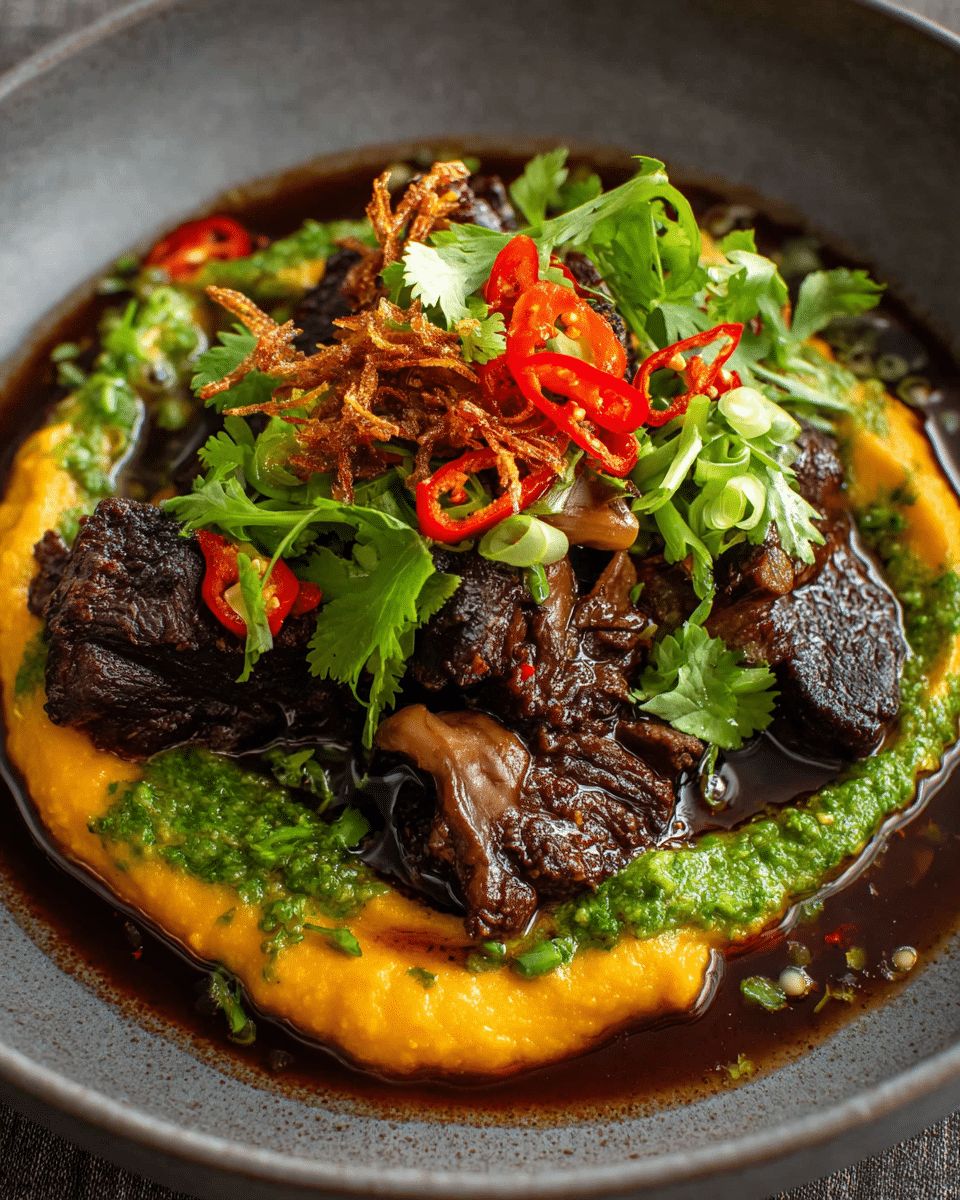
The Perfect Foundation: Ginger-Carrot Purée
The vibrant orange of a carrot purée creates a stunning visual contrast against the dark beef. By simmering carrots in vegetable broth with extra ginger and blending them with cold butter, you create a velvety landing pad for the rich beef cheeks.
Brightness via Chili-Lime Sauce
Because braised dishes are inherently heavy and “brown,” a hit of acidity is mandatory. A quick blend of lime juice, fish sauce, and fresh cilantro acts as a “brightness button,” cutting through the fat and waking up the taste buds.
Final Textural Touches
Use garnishes not just for looks, but for texture. Consider adding:
- Crispy Shallots: For a salty, oniony crunch.
- Sliced Radishes: For a peppery, fresh bite.
- Toasted Sesame Seeds: For a subtle nuttiness that complements the soy base.
Variations and Pro Tips for the Home Chef
If you want to customize your Ginger-Braised Asian Beef Cheeks, there are several ways to adapt the recipe based on what you have in your pantry.
Ingredient Substitutions
Don’t have lemongrass? Don’t panic. While the flavor is unique, you can achieve a similar aromatic profile using a mix of lemon zest and extra ginger. If shiitake mushrooms are unavailable, cremini or button mushrooms work perfectly well to provide that necessary earthy undertone.
Slow Cooker and Pressure Cooker Adjustments
If you are short on time or prefer a hands-off approach, you can adapt this recipe for modern appliances:
- Slow Cooker: Cook on “Low” for 8 hours. Ensure you still brown the meat first for the best flavor.
- Instant Pot / Pressure Cooker: Cook on “High Pressure” for 60 minutes with a natural pressure release. Note that the sauce may need to be reduced manually afterward to reach the desired thickness.
Storage and Make-Ahead Benefits
Braised beef cheeks are actually better the next day. As the meat cools in the liquid, it reabsorbs the flavorful sauce. If preparing for a dinner party, cook the dish 24 hours in advance, refrigerate, and gently reheat on the stovetop. This also makes it easier to skim off any excess solidified fat from the surface.
You May Also Like
If you enjoyed the deep flavors of this dish, explore more recipes on our site: Comforting Slow-Cooked Meals, Asian-Inspired Dinner Ideas, American Comfort Classics, and Savory Beef Recipes.
To learn more about the science of this cooking technique, check out the guide on Braising at Wikipedia.
Frequently Asked Questions
Where can I buy beef cheeks?
Beef cheeks are often found at specialty butcher shops or Asian grocery stores. Because they are a specialized cut, you may need to call your local butcher in advance to have them set aside for you. Look for high-quality, well-marbled pieces for the best results.
Can I substitute beef cheeks with another cut of meat?
Yes, if you cannot find beef cheeks, chuck roast or beef short ribs are the best substitutes. While they won’t have the exact same gelatinous texture, they respond very well to the slow-braising method and will absorb the ginger and soy flavors beautifully.
Is it possible to overcook beef cheeks in the braising liquid?
While it is difficult to overcook them at a low temperature like 300°F, leaving them in too long can eventually cause the fibers to break down so much that the meat becomes “mushy” rather than tender. 3 to 3.5 hours is generally the sweet spot for the perfect texture.

Final Thoughts
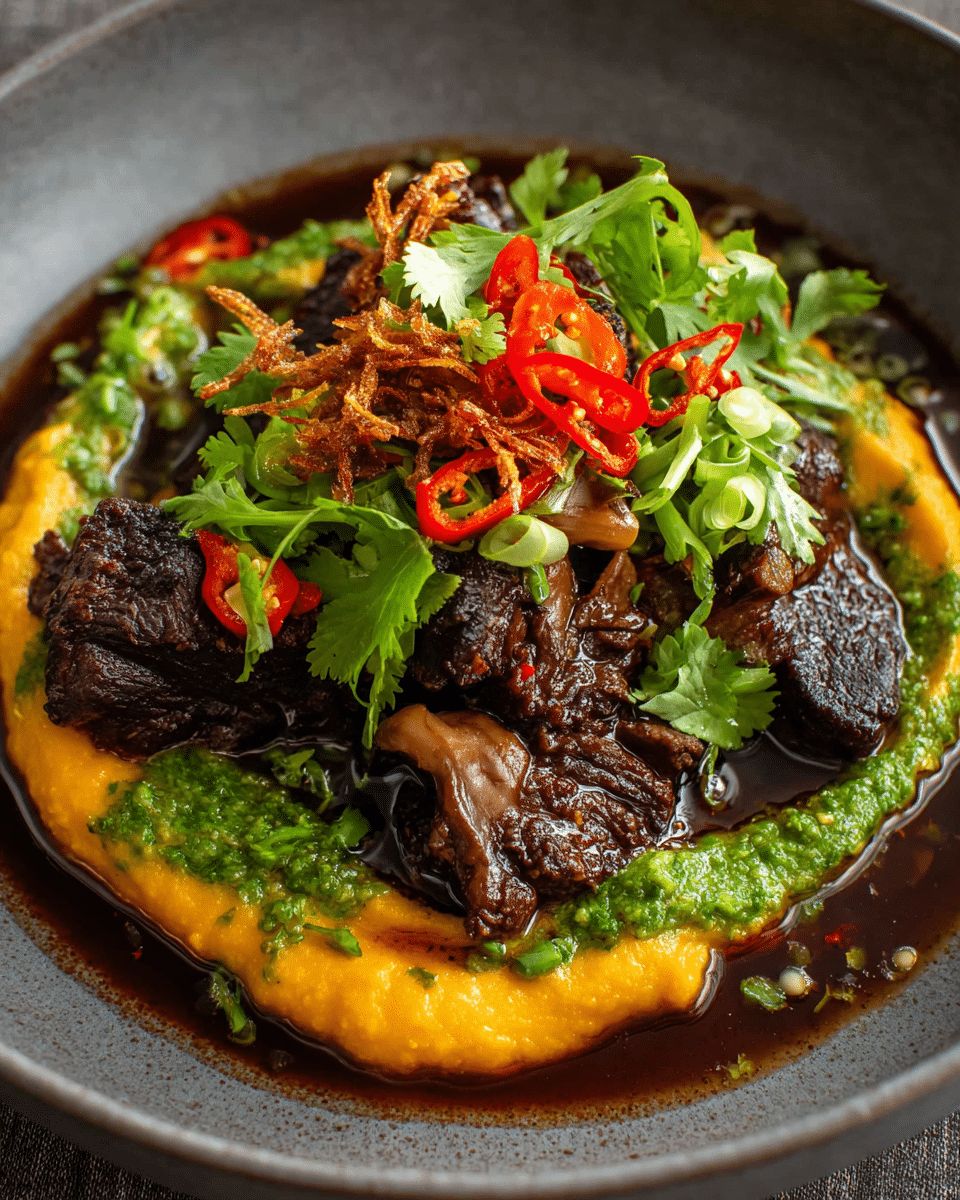
The Ginger-Braised Asian Beef Cheeks recipe is a testament to the beauty of slow-cooked comfort. By taking a humble, hardworking cut of meat and treating it with time, heat, and bold aromatics, you transform simple ingredients into a restaurant-quality feast. Whether you serve it over a vibrant carrot purée or a simple bowl of steamed rice, the depth of flavor is sure to leave a lasting impression on your guests.
Don’t forget that the flavors only improve with time, making this an ideal dish for meal prepping or stress-free hosting. We invite you to share your results with us and explore more soulful, flavor-forward recipes right here at cookwithfeast.com. Happy cooking!