
When the temperature drops and you find yourself reaching for a meal that feels like a warm embrace, nothing in the American culinary repertoire hits the mark quite like a perfectly executed Brisket and Cheese Toastie. This isn’t just your standard grilled cheese; it is a sophisticated, smoky, and soul-satisfying evolution of a childhood classic. By combining the rich, slow-cooked depth of beef brisket with a meticulously chosen blend of melting cheeses, you create a sandwich that is as much a gourmet experience as it is a nostalgic treat at cookwithfeast.com.
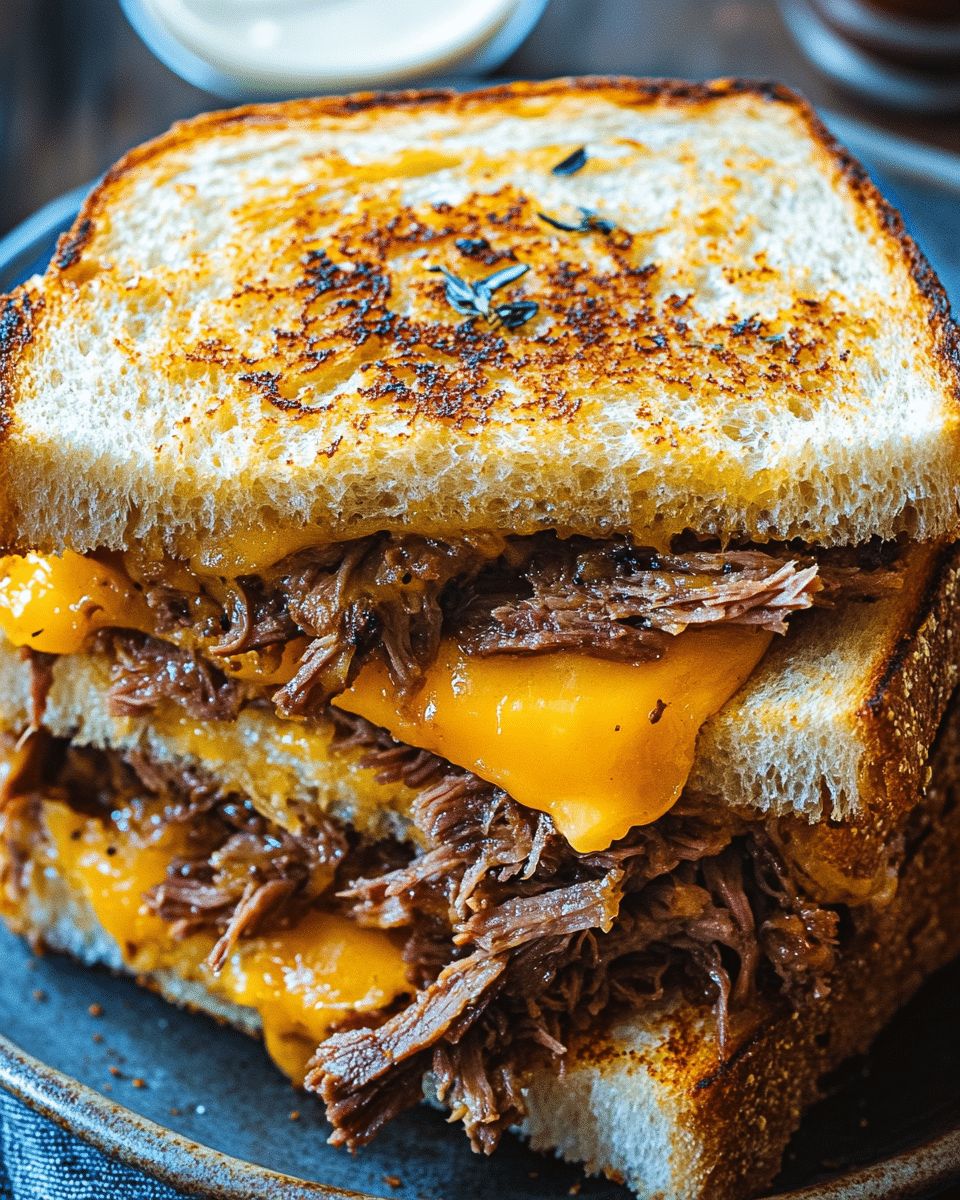
The beauty of this recipe lies in its ability to turn “yesterday’s dinner” into today’s showstopper. In the United States, we take our barbecue seriously, but we take our leftovers even more seriously. Whether you are using a few slices of brisket from a weekend smoke session or specifically preparing beef for this dish, the key is the contrast: the crunch of butter-toasted Italian bread meeting the gooey, velvety melt of sharp Cheddar and Monterey Jack. In just 20 minutes, you can transform a handful of simple ingredients into a world-class comfort feast that will have your family asking for seconds before the first sandwich is even finished.
Quick Answer: To achieve the ultimate Brisket and Cheese Toastie, use thick-sliced bread (like Texas Toast), butter the exterior generously, and layer shredded leftover brisket between a blend of sharp Cheddar and Monterey Jack. Cook low-and-slow in a cast-iron skillet for 4–5 minutes per side until the bread is mahogany-gold and the cheese is completely molten.
The Science of the Perfect Melt: Why Brisket and Cheese are Destined for Each Other
To understand the undeniable appeal of Brisket and Cheese Toasties, one must first look at the culinary chemistry happening between the layers. Brisket is a tough, heavily marbled cut of beef that contains a high amount of connective tissue. When slow-cooked, this tissue breaks down into gelatin, creating a rich, silky mouthfeel. When you pair this protein with the high-fat content of melted cheese, you create a flavor profile that triggers the brain’s “reward center.”
At CookWithFeast, we believe that a great sandwich is about more than just throwing ingredients between bread; it is about textural harmony. The “toastie” method—an American term for a specifically pressed and butter-toasted sandwich—utilizes the Maillard reaction. This is the chemical reaction between amino acids and reducing sugars that gives browned food its distinctive flavor. By buttering the exterior of the bread, you aren’t just adding flavor; you are creating a heat-conducting barrier that ensures every millimeter of the crust is shattered-glass crispy.
The Importance of the “Low and Slow” Skillet Method
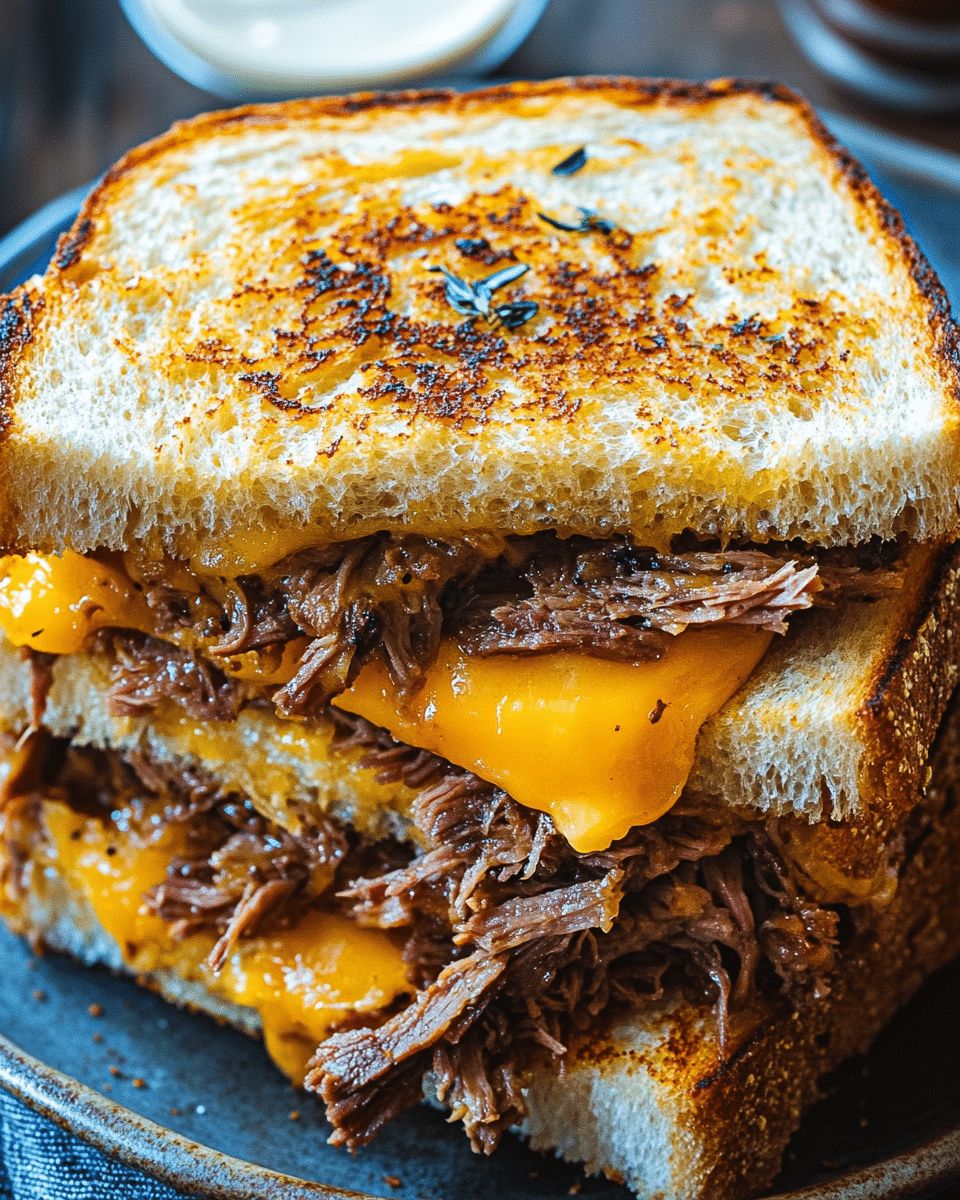
One of the most common mistakes home cooks make is using heat that is too high. If the skillet is screaming hot, the bread will burn before the Monterey Jack and Cheddar have a chance to reach their molten state. By maintaining a steady, medium-low heat, you allow the heat to penetrate through the thick Italian bread, gently warming the brisket and liquefying the cheese simultaneously. This patience is what separates a soggy sandwich from a world-class feast.
Choosing Your Foundation: Bread and Butter Selection
In the world of American comfort food, the bread is the vessel that delivers the magic. For this recipe, not just any loaf will do. You need a bread with a sturdy crumb that can handle the weight of the shredded beef without collapsing.
| Bread Type | Texture Profile | Best For… |
|---|---|---|
| Italian Bread | Soft interior, sturdy crust | General comfort and great “soaking” ability |
| Texas Toast | Extra thick, buttery feel | Maximum decadence and “squish” |
| Sourdough | Tangy, dense, very crunchy | A “gastropub” style twist with more structure |
| Brioche | Sweet, airy, egg-based | A dessert-like richness that pairs well with BBQ sauce |
While we suggest Italian bread or Texas Toast, the butter quality is equally important. Always use real, unsalted butter. Margarine contains too much water, which will steam the bread rather than fry it, leading to a limp toastie. For an extra gourmet touch, try using European-style butter, which has a higher fat content and a richer yellow hue.
The Dynamic Duo: Cheddar Meets Monterey Jack
Why do we use two types of cheese in this recipe? It is all about the balance between flavor and functionality. Sharp Cheddar provides the “bite”—that iconic, aged tang that cuts through the smoky richness of the brisket. However, Cheddar can sometimes become “oily” rather than “gooey” when melted alone.
Why Monterey Jack is Essential
Monterey Jack is known as the “king of melting cheeses” in the United States. It has a high moisture content and a mild flavor profile that doesn’t compete with the beef. When mixed with the Cheddar, it acts as a binding agent, creating that long, Instagram-worthy cheese pull that defines the ultimate toastie. At CookWithFeast, we recommend grating your cheese from a block rather than buying the pre-shredded bags. Pre-shredded cheese is coated in cellulose (wood pulp) to prevent clumping, which inhibits a smooth, velvety melt.
Chef’s Insight: If you want to lean into the “Texas Barbecue” vibe, try substituting the Monterey Jack with Pepper Jack. The added jalapeño flecks provide a subtle heat that enhances the smokiness of the brisket.
Managing the Meat: Leftover vs. Fresh Brisket
The star of the show is, of course, the brisket. Most Americans make these toasties as a way to honor leftover BBQ brisket. Because the meat has already been slow-cooked for 12 to 14 hours, it is already packed with smoke and spice. However, leftovers can sometimes be dry.
- Moisture Hack: If your leftover brisket feels a bit “barky” or dry, toss the shredded meat in a tablespoon of beef broth or a very thin layer of BBQ sauce before placing it on the bread.
- Shredding Technique: Use two forks to pull the meat apart into thin strands. Large chunks of brisket will make the sandwich difficult to eat and may cause the ingredients to slip out.
- Fresh Brisket: If you don’t have leftovers, look for “corned beef” or “slow-roasted brisket” at your local deli counter. Just ensure it is sliced thin or shredded.
The Culinary Walkthrough: Mastering the Technique
Let’s refine the assembly process to ensure your Brisket and Cheese Toastie is structurally sound and perfectly flavored. Follow these professional steps:
Phase 1: The Butter Barrier
Apply the butter from edge to edge. Many people only butter the center, which leaves the crusts dry and bland. This layer of fat is your insurance policy against the bread sticking to the cast-iron surface.
Phase 2: The Logic of the Layers
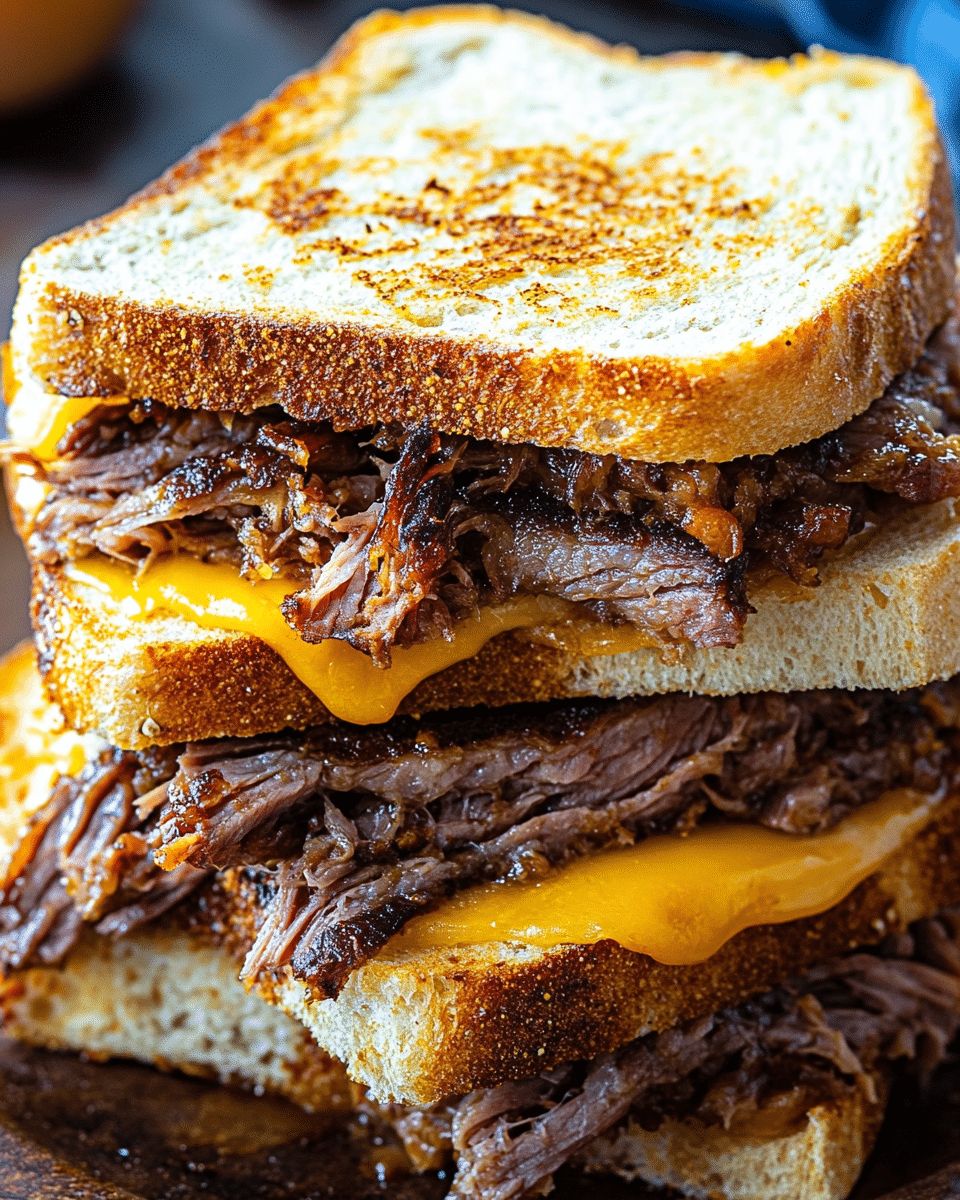
The order of ingredients matters for heat distribution. Always place cheese against both slices of bread. This acts as a “culinary glue” that holds the brisket in place. The brisket should be the “heart” of the sandwich, protected on both sides by a wall of molten cheese. This prevents the shredded meat from falling out when you take your first bite.
Phase 3: The Cast-Iron Advantage
While any skillet works, a cast-iron skillet is the gold standard for toasties. Cast iron retains heat more effectively than stainless steel or non-stick pans, providing a consistent, radiating warmth that mimics a professional panini press. If you have a second heavy skillet, you can place it on top of the sandwiches while they cook to “press” them, increasing the surface area contact with the heat.
Creative Variations: Elevating Your Toastie
Once you have mastered the basic recipe, the American “melting pot” culture encourages you to experiment. Here are three ways to take your Brisket and Cheese Toastie to a gastropub level:
- The Sweet & Savory: Add a thin layer of caramelized onions or a drizzle of hot honey inside the sandwich. The sweetness provides a brilliant contrast to the salty beef.
- The Spicy Kick: Layer in some pickled jalapeños or a swipe of spicy brown mustard. The acidity of the pickles cuts right through the fat of the cheese.
- The Crunchy Green: Add some thinly sliced Granny Smith apples or a handful of fresh arugula right after the sandwich comes off the pan. The residual heat will wilt the greens just enough to be tender while keeping a fresh “bite.”
The Professional Finish: Serving and Storage
We eat with our eyes first. To serve your toasties like a pro at cookwithfeast.com, cut them on a diagonal (the “triangle cut”). This not only looks better but also provides more “crust-free” surface area to dip into a side of au jus or tomato soup.
Reheating Tips
If you find yourself with a leftover cooked toastie, never use the microwave. A microwave will turn that crispy crust into a rubbery mess. Instead, reheat it in an air fryer at 350°F for 3-4 minutes or back in a dry skillet over low heat. This will revive the crunch and re-melt the cheese without drying out the brisket.
Whether you are making these for a quick lunch or a decadent midnight snack, the Brisket and Cheese Toastie remains a testament to the power of high-quality American ingredients. It is a meal that proves that simple can be sophisticated, and that comfort is always just one skillet away.
You May Also Like
If you’re craving more hearty American classics, explore these related guides on CookWithFeast: Slow-Smoked Beef Brisket Secrets, Gourmet Sandwich Ideas, The Ultimate Comfort Food Collection, Creative Ways to Use Leftovers, and Mastering Your Cast Iron Skillet.
Source: Learn more about the history and versatility of Beef Brisket (Wikipedia).
Frequently Asked Questions
Can I make these toasties without a cast-iron skillet?
While a cast-iron skillet is the gold standard for achieving a perfectly even, mahogany crust, you can certainly use a standard non-stick pan or a Panini press. If using a regular pan, you may need to use slightly more butter to ensure the heat is conducted evenly across the Italian bread slices.
What should I do if my brisket is already heavily sauced?
If your leftover brisket is drenched in BBQ sauce, you should reduce the amount of Monterey Jack slightly to prevent the sandwich from becoming too messy. The sauce will caramelize against the heat, adding a “burnt end” flavor profile to your toastie that is absolutely delicious.
Can I substitute the brisket with another protein?
Absolutely! This “toastie” framework works beautifully with pulled pork, smoked turkey, or even pot roast. The secret is keeping the ratio of meat-to-cheese balanced so that the Cheddar and Monterey Jack can act as the structural glue for the sandwich.
Pro Tip: To get that professional “diner-style” finish, place a heavy lid or another skillet on top of the toasties while they cook. This weighted pressing ensures the cheese melts faster and the bread develops a superior crunch.
Final Thoughts
The Brisket and Cheese Toastie is a testament to the idea that some of the best meals aren’t found in five-star restaurants, but are created in your own kitchen using simple, high-quality ingredients. It is a dish that honors the effort of a slow-cooked brisket while providing a quick, 20-minute solution for a satisfying American feast. The combination of smoky beef, sharp cheddar, and buttery toasted bread is a flavor profile that never goes out of style.
At CookWithFeast, we encourage you to treat this recipe as a canvas. Whether you add pickles for acidity, jalapeños for heat, or simply enjoy it in its purest form, these toasties are guaranteed to become a household favorite. So, grab your skillet, butter that bread, and get ready to experience the ultimate comfort food masterpiece. Happy toasting!

