

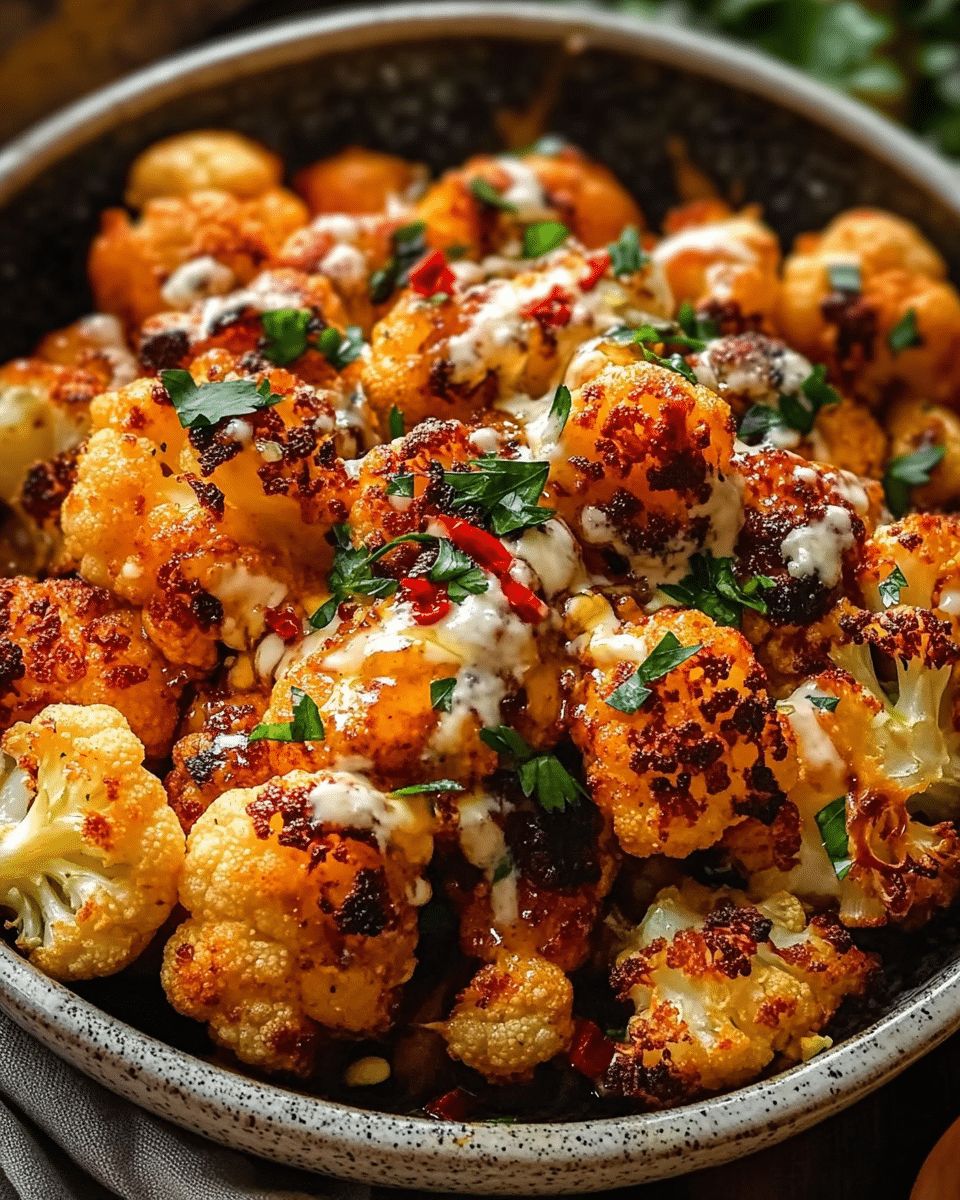
Imagine the aroma of roasted cauliflower mingling with the smoky heat of harissa and the creamy sweetness of a tahini-honey drizzle. This dish isn’t just a simple side; it’s a full sensory experience that brings a touch of Mediterranean flair to your table. Whether you’re a seasoned home cook or just looking for a way to spice up your weeknight routine, this recipe promises to turn a humble vegetable into a vibrant masterpiece.
The beauty of this recipe lies in the contrast of flavors and textures. The cauliflower florets are roasted at a high temperature to achieve those coveted caramelized, crispy edges, while the harissa adds a deep, complex spice. To finish, a velvety drizzle of tahini and honey provides a cooling, nutty sweetness that balances the heat perfectly. It’s a sophisticated dish that requires minimal effort but delivers maximum flavor.
Quick Answer: Harissa Roasted Cauliflower is a bold, flavorful dish where cauliflower florets are tossed in smoky North African chili paste, roasted until tender-crisp, and finished with a creamy tahini-honey sauce. It’s a healthy, gluten-free side dish that pairs beautifully with grilled proteins or hearty grains.
Why You’ll Love This Harissa Roasted Cauliflower Recipe
This isn’t your average cauliflower dish. The combination of harissa and the signature drizzle transforms the vegetable into a centerpiece-worthy side. Here is why it belongs in your rotation:
- Bold Flavors: The harissa imparts a smoky, spicy kick, while the tahini-honey drizzle adds a creamy, sweet contrast.
- Nutrient-Dense: Cauliflower is a powerhouse of Vitamin C and K, making this as healthy as it is delicious.
- Versatility: It works as a standalone vegetarian main, a vibrant side, or even a cold topping for grain bowls.
- Simple Prep: You can have this gourmet-style dish ready in under 45 minutes with basic pantry staples.
Master the Components: What You’ll Need
Creating a restaurant-quality Harissa Roasted Cauliflower starts with selecting high-quality ingredients. While the recipe is straightforward, the nuances of each component play a vital role in the final flavor profile. From the smokiness of the chili paste to the silkiness of the tahini, every element is designed to harmonize.
The Star of the Show: Cauliflower
For this recipe, you need one large head of fresh cauliflower. Look for a head that is creamy white with densely packed florets. Avoid any with brown spots or signs of wilting. When preparing the cauliflower, aim for uniform bite-sized pieces to ensure even roasting and consistent caramelization.
- Quantity: 1 large head (approx. 7–8 cups of florets).
- Prep: Trimmed and cut into uniform pieces.
- Alternative: You can use Romanesco for a nuttier flavor and striking visual appeal.
The Heat: Harissa Paste
Harissa is a North African chili paste that serves as the backbone of this dish. It is typically made from roasted red peppers, Baklouti peppers, serrano peppers, and other hot chili peppers, mixed with garlic paste, caraway seeds, coriander seeds, cumin, and olive oil.
| Harissa Type | Flavor Profile | Best For |
|---|---|---|
| Mild Harissa | Smoky, earthy, low heat. | Family-friendly meals and subtle spice. |
| Rose Harissa | Floral, complex, aromatic. | Gourmet dinners and complex layering. |
| Spicy Harissa | Sharp, pungent, high heat. | Spice lovers and bold centerpieces. |
The Creamy Finish: Tahini-Honey Drizzle
The drizzle is what bridges the gap between the spicy cauliflower and the fresh garnishes. Tahini (ground sesame paste) provides a rich, nutty base that is naturally bitter. By adding honey and lemon juice, we create a balanced sauce that hits every part of the palate.
- Tahini: 2 tablespoons (look for “runny” or Mediterranean-style tahini).
- Honey: 1 tablespoon (replaces the bitterness with floral sweetness).
- Lemon Juice: 2 tablespoons (acid helps “cut” through the fat of the oil and tahini).
- Seasoning: A pinch of salt and freshly ground black pepper.
Comprehensive Cooking Instructions
Achieving the perfect texture—crispy on the outside, tender on the inside—requires a two-stage roasting process. Following these steps carefully will prevent the cauliflower from becoming mushy and ensure the harissa flavors are deeply infused.
Step 1: The Initial High-Heat Roast
Preheat your oven to 425°F (220°C). This temperature is high enough to evaporate the moisture in the cauliflower quickly, which is the secret to getting that charred, roasted texture rather than a steamed one. In a large mixing bowl, toss your florets with 2 tablespoons of olive oil, ½ teaspoon of salt, and the first 2 tablespoons of harissa. Use your hands to ensure every nook and cranny of the florets is coated.
Spread the florets on a rimmed baking sheet. Pro Tip: Do not overcrowd the pan. If the florets are touching too much, they will release steam and won’t get crispy. Use two pans if necessary.
Step 2: The Caramelization Phase
After about 35 minutes, remove the pan from the oven. The cauliflower should be tender but not quite “golden.” Add the remaining 2 tablespoons of harissa and toss directly on the pan. Return to the oven for another 5–7 minutes. This late addition of harissa ensures the spice remains vibrant and doesn’t burn during the long initial roast.
Expert Tip: For extra crunch, turn on the broiler for the last 2 minutes of cooking. Keep a close eye on it to prevent burning, but this will give you those dark, “burnt” edges that taste like candy.
Step 3: Whisking the Drizzle
While the cauliflower finishes its second roast, prepare the sauce. Whisk the tahini, honey, lemon, and remaining olive oil. If the sauce “seizes” (becomes thick and chunky), don’t panic! This is a natural reaction with tahini. Simply add 1 tablespoon of warm water and continue whisking until it becomes a smooth, pourable consistency.

The Nutritional Profile: A Healthy Superfood
This dish isn’t just delicious; it’s a nutritional powerhouse. Cauliflower is famously low in calories but exceptionally high in essential vitamins. By using healthy fats like olive oil and sesame-based tahini, this recipe fits perfectly into Keto, Mediterranean, and Vegetarian diets.
| Nutrient | Per Serving (Approx.) | Daily Value (%) |
|---|---|---|
| Calories | 185 kcal | 9% |
| Total Fat | 12g | 15% |
| Fiber | 5g | 20% |
| Vitamin C | 60mg | 100% |
| Vitamin K | 15mcg | 20% |
Flavor Variations and Ingredient Swaps
One of the best things about Harissa Roasted Cauliflower is how adaptable it is to different dietary needs and flavor preferences. You can easily modify the heat or the sweetness to suit your family’s taste.
Vegan and Plant-Based Adjustments
To make this recipe 100% vegan, simply swap the honey for maple syrup or agave nectar. The maple syrup adds a slightly woodier sweetness that pairs excellently with the smoky harissa. Ensure your harissa paste is vegan-certified, though most traditional brands are simply chilies, oil, and spices.
Adding Texture and Crunch
If you want to elevate the presentation and add more textural contrast, consider adding garnishes before serving. The original recipe is great, but these additions take it to the next level:
- Toasted Pine Nuts: Adds a buttery, soft crunch.
- Pomegranate Arils: Provides a burst of tart juice that cuts through the creamy tahini.
- Dukkah: An Egyptian spice and nut blend that adds incredible depth.
- Fresh Mint: Swap half the parsley for mint for a more refreshing, Middle Eastern vibe.
Culinary Pairings: How to Serve
While this dish is a star on its own, it plays very well with others. Because of its bold spice profile, it pairs best with “cool” or “neutral” sides that can balance the palate.
The Perfect Proteins
If you are serving this as a side dish, consider these protein pairings:
- Lemon Herb Roasted Chicken: The bright citrus in the chicken complements the lemon in the tahini drizzle.
- Grilled Lamb Chops: The gaminess of lamb is traditionally paired with harissa and cumin.
- Pan-Seared Salmon: The richness of the salmon stands up well to the bold cauliflower.
- Crispy Chickpeas: For a full vegetarian meal, roast chickpeas on the same pan as the cauliflower.
Grain Bases
Turn this into a “Feast Bowl” by serving the cauliflower over a bed of grains. The tahini sauce will act as a dressing for the entire bowl.
- Couscous: Fast and traditional for North African flavors.
- Quinoa: Adds a boost of protein and a slightly nutty flavor.
- Basmati Rice: Use a saffron-infused rice for a truly aromatic experience.

Storage and Reheating Advice
In the unlikely event that you have leftovers, Harissa Roasted Cauliflower stores relatively well. However, roasted vegetables do tend to lose their crispiness once refrigerated.
Store leftovers in an airtight container for up to 4 days. When you’re ready to eat, avoid the microwave if possible, as it will make the cauliflower rubbery. Instead, spread the florets on a baking sheet and pop them into a 400°F (200°C) oven for about 5–8 minutes. This will help re-crisp the edges and revive the flavors of the harissa.
Note: Keep the tahini drizzle in a separate small container if you plan on having leftovers. The sauce can thicken significantly in the fridge; simply stir in a teaspoon of warm water to loosen it up before serving.
You May Also Like
Explore more delicious ideas and healthy inspirations at Cook with Feast: Roasted Cauliflower Variations, Tahini-Based Sauces, Spicy Vegetable Sides, and Mediterranean Inspired Meals.
Source: Harissa – Wikipedia
Frequently Asked Questions
What does harissa taste like?
Harissa is a complex North African chili paste that offers a unique blend of smoky, spicy, and earthy flavors. Depending on the specific blend, it often features undertones of garlic, cumin, and caraway, making it a powerful way to add instant depth and warmth to roasted vegetables.
Can I use frozen cauliflower for this recipe?
Yes, you can use frozen florets, though fresh cauliflower is preferred for achieving the best charred texture. If using frozen, ensure you thaw them completely and pat them very dry with a paper towel before tossing them with the harissa and oil to prevent the vegetable from steaming rather than roasting.
How should I store and reheat leftovers?
Store any remaining cauliflower in an airtight container in the refrigerator for up to 4 days. To maintain the crispy edges and prevent sogginess, we recommend reheating the florets in an oven or air fryer at 350°F (175°C) until warmed through, rather than using a microwave.
Final Thoughts
Mastering this Harissa Roasted Cauliflower with Tahini-Honey Drizzle is a fantastic way to elevate your vegetable game. The combination of the spicy, smoky harissa with the sweet and nutty tahini-honey drizzle creates a sophisticated flavor profile that works for everything from a casual weeknight dinner to a festive holiday spread.
The beauty of this recipe lies in its simplicity and high-impact results. We invite you to experiment with your favorite garnishes—like pomegranate seeds or toasted pine nuts—to make this dish your own. Enjoy bringing the bold, beautiful flavors of Mediterranean-inspired cooking right to your dining table!


