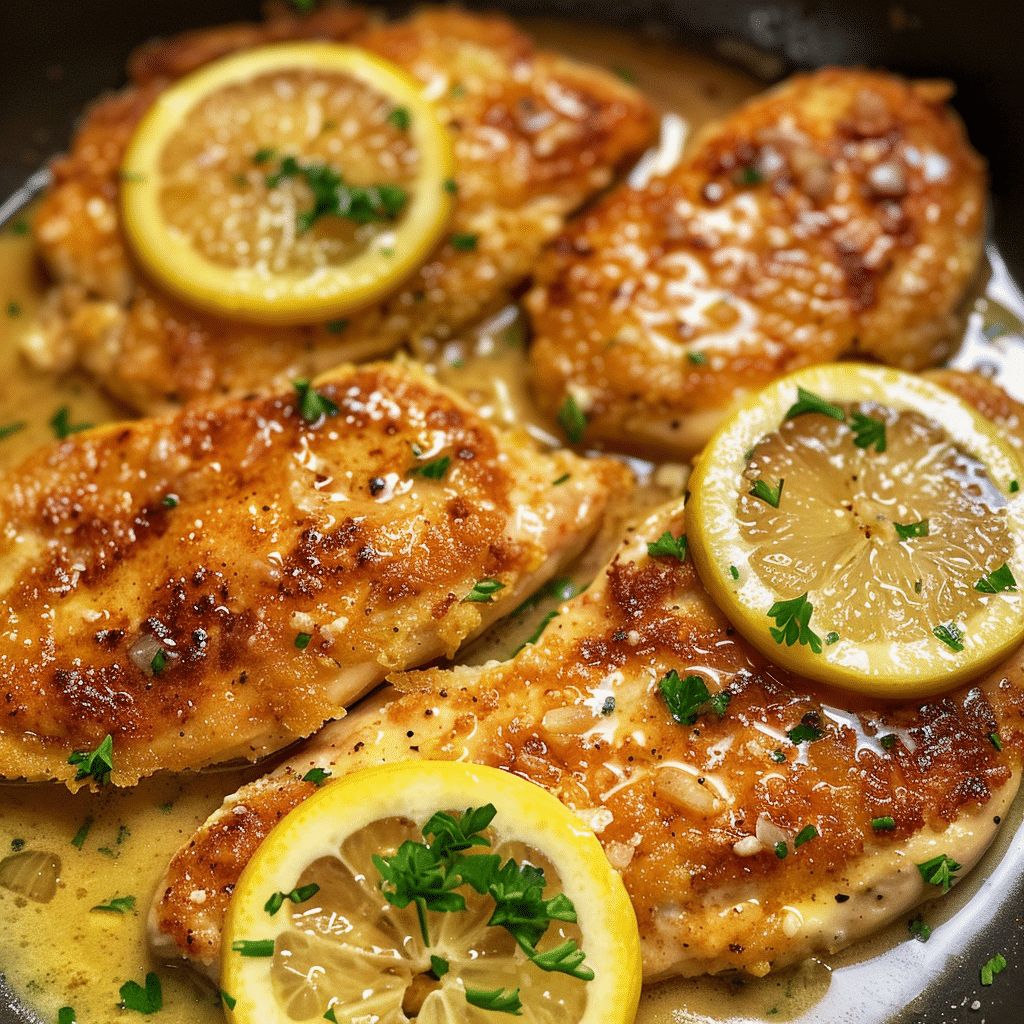
Mastering the Art of Lemon Butter Chicken Francese
There’s something undeniably comforting about the aroma of sizzling butter mingling with fresh lemon and the gentle hiss of golden chicken cooking to perfection. While many assume this level of elegance is reserved for high-end Italian bistros, Lemon Butter Chicken Francese is surprisingly achievable in your own kitchen. By mastering a few simple techniques, you can transform ordinary chicken breasts into a gourmet experience that rivals your favorite restaurant.
A Restaurant-Quality Classic at Your Table
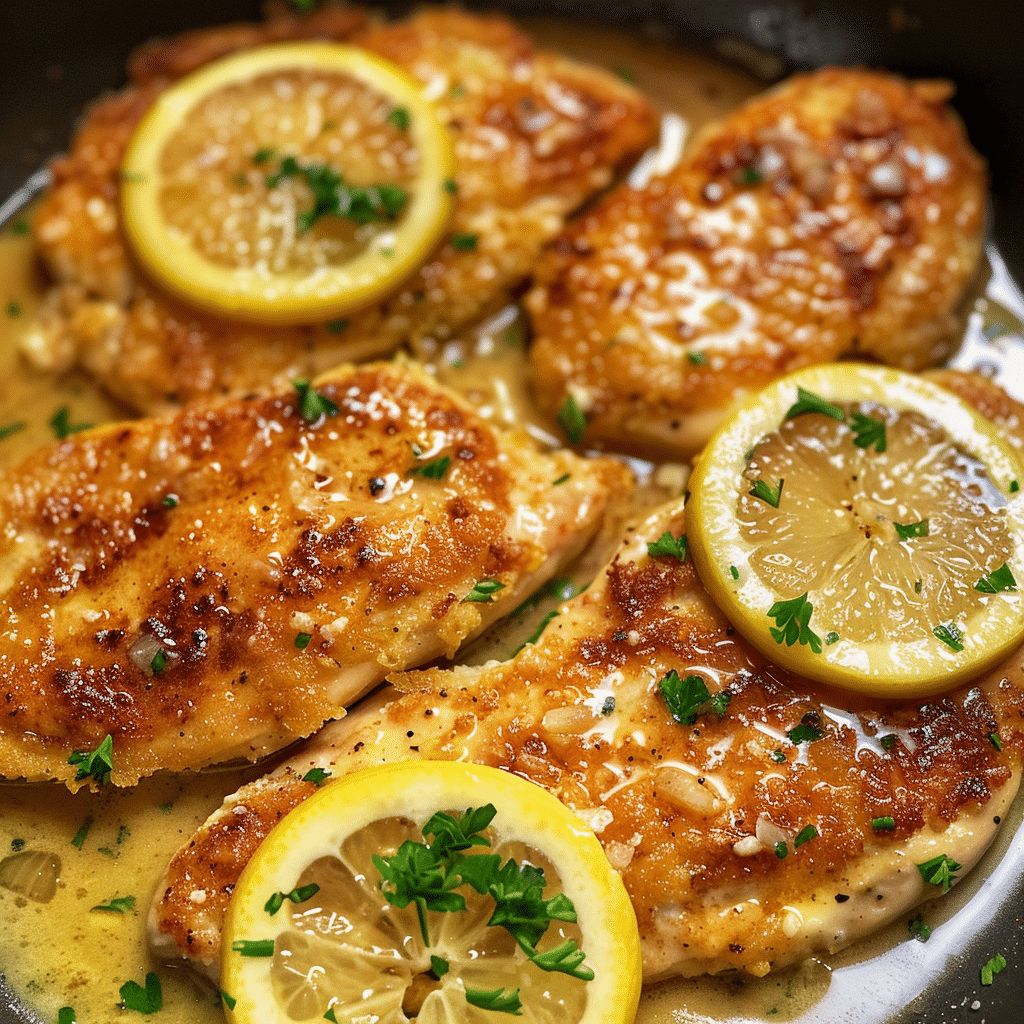
This dish is all about balance: the delicate, golden-brown crust of the egg-dipped chicken provides the perfect canvas for a sauce that is both rich and remarkably bright. Whether you are looking for a sophisticated weeknight dinner or a centerpiece for a weekend gathering, this 30-minute meal delivers tender, juicy results every single time. In this guide, we’ll walk you through the secrets to achieving that signature silky sauce and perfectly cooked cutlets that practically sing with every bite.
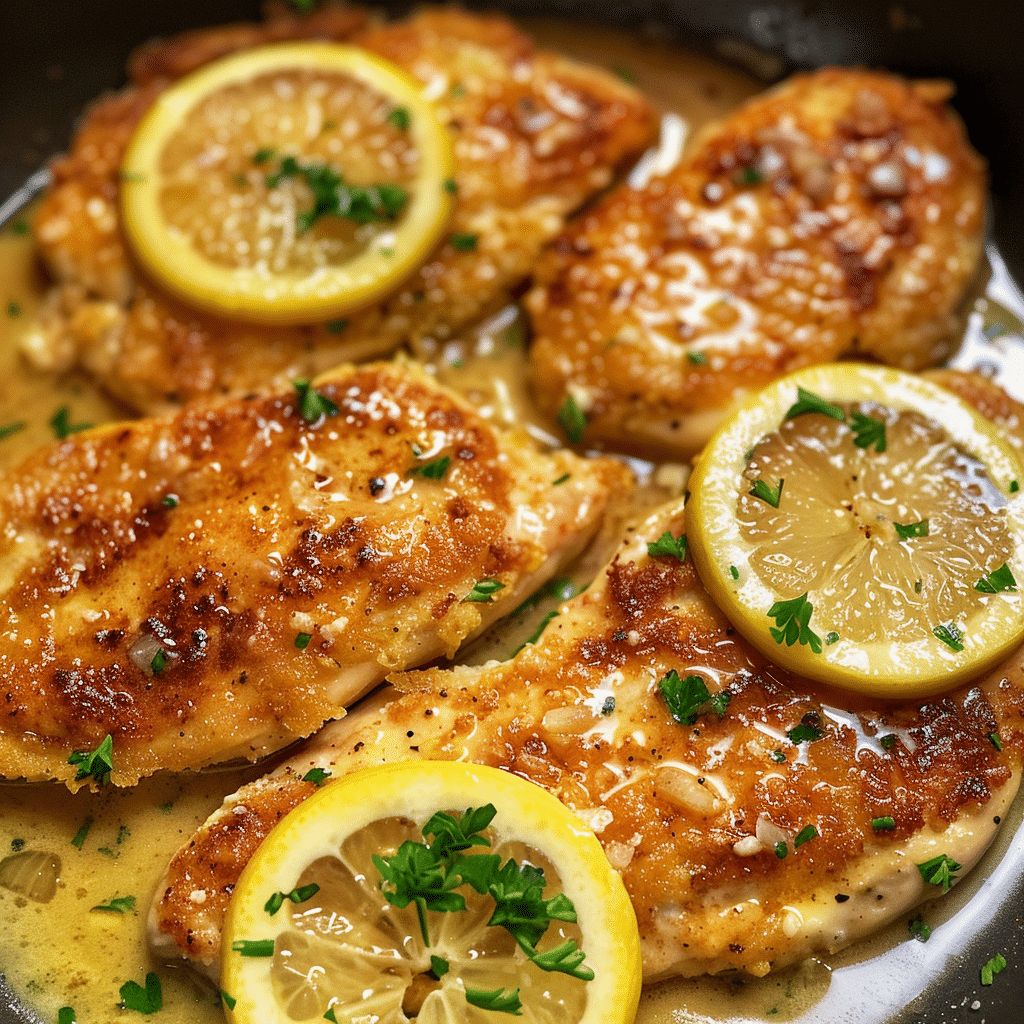
Quick Answer: Lemon Butter Chicken Francese is a classic Italian-American dish featuring thin chicken cutlets dredged in flour, dipped in a seasoned egg wash, and pan-fried until golden. It is finished in a bright, velvety sauce made of chicken broth, fresh lemon juice, and butter, resulting in a meal that is both light and luxuriously flavorful.
The History and Evolution of Chicken Francese
To truly appreciate Lemon Butter Chicken Francese, one must look at the rich tapestry of Italian-American culinary history. While the name sounds distinctly French—and indeed, the technique of dipping meat in egg and flour has roots in classic French “Française” cooking—this specific dish is a celebrated staple of New York’s Italian-American communities. Originally, the dish was often prepared with veal (Veal Francese), but as chicken became more accessible and popular in the mid-20th century, the poultry version took center stage.
The beauty of this dish lies in its departure from the heavy, red-sauce-laden stereotypes of Italian-American food. Instead, it offers a bright, citrusy, and light alternative that highlights the quality of the protein and the freshness of the lemon. It is often confused with Chicken Piccata, but the key distinction is the “egg bath.” In Francese, the egg creates a soft, golden, custard-like coating that soaks up the sauce, whereas Piccata focuses on a simpler flour dredge and the addition of briny capers.
Essential Ingredients and Their Roles
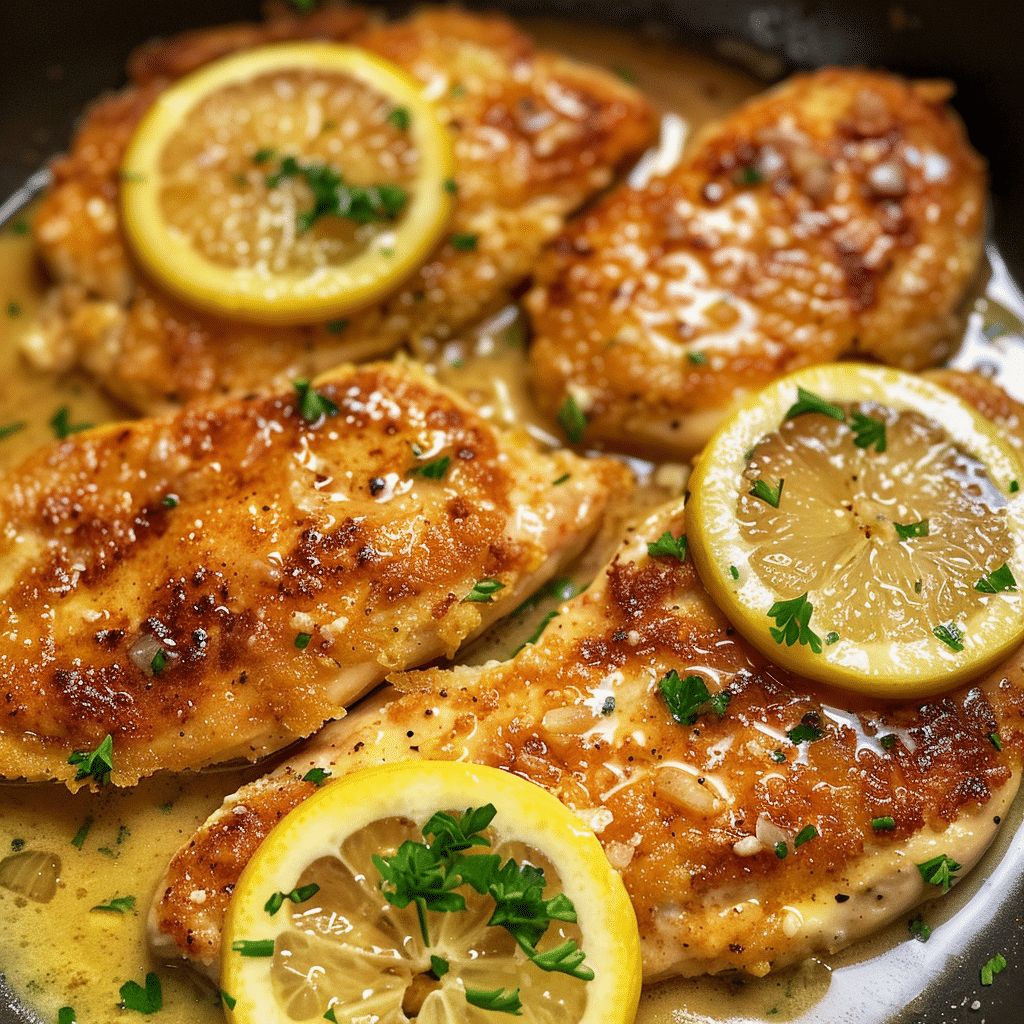
Great cooking starts with an understanding of your components. In a recipe with so few ingredients, the quality of each one becomes paramount. Below is a breakdown of what you’ll need and why each item is critical to the success of your Lemon Butter Chicken Francese.
| Ingredient Category | Specific Item | Culinary Purpose |
|---|---|---|
| Main Protein | Chicken Breasts | Provides a lean, tender base that absorbs the lemon flavors. |
| Coating Agents | All-Purpose Flour & Eggs | Creates the signature golden “crust” that holds the sauce. |
| Cooking Fats | Olive Oil & Unsalted Butter | Olive oil handles high heat; butter adds the necessary richness. |
| Aromatics & Acids | Fresh Garlic Powder & Lemon Juice | The garlic adds depth, while the lemon provides essential brightness. |
| Liquid Base | Chicken Broth or White Wine | Deglazes the pan and forms the body of the silky sauce. |
Choosing the Right Chicken
When selecting your chicken, look for air-dried or organic breasts. These tend to have less water content, which prevents the “steaming” effect in the pan and allows the egg coating to adhere properly. If the chicken is too wet, the coating will slide right off during the frying process, leaving you with a messy skillet instead of a golden cutlet.
The Importance of Fresh Citrus
There is absolutely no substitute for freshly squeezed lemon juice in this recipe. Bottled juices often contain preservatives that can impart a metallic or overly bitter aftertaste. Since the lemon is the star of the show, using a fresh, heavy lemon ensures that the acidity is balanced with the natural sugars of the fruit.
Mastering the Prep: Pounding and Seasoning
Success in making Chicken Francese is determined before the stove is even turned on. Preparation is the most labor-intensive part of the process, but it ensures that the chicken remains tender and juicy rather than tough and rubbery.
The Art of the Cutlet
Standard chicken breasts are often too thick to cook through evenly before the egg coating burns. To fix this, you must halve them lengthwise and pound them out. This process serves two purposes:
- Even Cooking: A uniform thickness of ¼-inch ensures that every bite is cooked to the same degree.
- Tenderness: Pounding breaks down the muscle fibers, effectively tenderizing the meat.
Pro Tip: Always use plastic wrap when pounding chicken. It prevents the meat from tearing and keeps your kitchen surfaces clean from raw poultry splatter.
Layering the Flavor
Seasoning should happen at every stage. Don’t just season the flour; season the raw chicken directly with salt, pepper, and garlic powder. This ensures the meat itself is flavorful, while the seasoned flour and egg wash provide a secondary layer of taste on the exterior.
The Dredging Station: A Three-Step Process
To achieve the classic Francese texture, you must set up an efficient dredging station. This prevents the “clumpy finger” syndrome and ensures an even application of the coating.
- The Flour Foundation: Lightly coat the seasoned chicken in flour. Shake off any excess; you want a translucent veil, not a thick paste.
- The Egg Bath: Dip the floured chicken into the beaten eggs. The flour acts as “glue,” helping the egg stick to the protein.
- The Immediate Fry: Once dipped in egg, the chicken should go straight into the hot pan. If it sits too long, the egg will start to drip off and the flour will become gummy.
Skillet Management
Use a large stainless steel or cast-iron skillet. Non-stick pans are fine, but they don’t produce the “fond” (the browned bits at the bottom) that makes the sauce so delicious. Heat the olive oil until it shimmers. If the oil isn’t hot enough, the egg coating will absorb the fat and become greasy rather than crisp.
The Science of the Lemon-Butter Sauce
The sauce is where the magic happens. It is technically an emulsion, where the fat from the butter is suspended in the liquid of the broth and lemon juice. The secret ingredient here is the leftover flour from the chicken coating and a small amount of extra flour added to the butter.
Building the Roux
After removing the chicken, you’ll have a pan full of flavor. Adding a tablespoon of butter and a pinch of flour creates a light roux. This roux serves as the thickening agent for your sauce. When you whisk in the chicken broth, the flour particles expand, turning a thin liquid into a velvety glaze.
Deglazing for Depth
As you pour in the broth, use a wooden spoon to scrape the bottom of the pan. Those browned bits (fond) are concentrated flavor. Incorporating them into the sauce adds a savory “umami” quality that balances the sharp acidity of the lemon.
Culinary Insight: If you find your sauce is too tart, whisk in a cold tablespoon of butter at the very end. This technique, known as monter au beurre, adds a glossy finish and mellows the acid.
Customization and Dietary Substitutions
While the classic recipe is hard to beat, there are several ways to adapt Lemon Butter Chicken Francese to suit different dietary needs or taste preferences.
- Gluten-Free: Replace all-purpose flour with a high-quality 1:1 gluten-free flour blend or almond flour. The texture will be slightly grainier but equally delicious.
- Dairy-Free: Use a vegan butter substitute or a high-quality extra virgin olive oil to finish the sauce.
- Low-Carb/Keto: Skip the flour dredge and use unflavored whey protein powder or almond flour for the initial coating.
- Herbal Twist: While parsley is traditional, fresh basil or thyme can add a unique aromatic profile to the final dish.
Nutritional Breakdown and Serving Suggestions
Pairing your chicken correctly is essential for a balanced meal. Because the sauce is so flavorful, you want sides that can act as a “sponge” to soak up every drop.
Recommended Pairings
- Pasta: Angel hair or linguine tossed with a little olive oil and garlic.
- Grains: A light lemon risotto or fluffy jasmine rice.
- Vegetables: Blanched green beans or roasted asparagus to add a crunch that contrasts with the soft chicken.
Nutritional Information
Note: These values are estimates per serving based on the standard recipe ingredients.
| Nutrient | Amount Per Serving |
|---|---|
| Calories | 340 kcal |
| Total Fat | 18 g |
| Saturated Fat | 6 g |
| Protein | 32 g |
| Total Carbohydrates | 12 g |
| Sodium | 450 mg |
Final Tips for Success
As you embark on your Lemon Butter Chicken Francese journey, keep these three final tips in mind to ensure a five-star result:
- Don’t Overcrowd: Fry the chicken in batches if necessary. Overcrowding drops the pan temperature and leads to soggy coating.
- Keep it Warm: Place the finished chicken on a wire rack in a low oven (200°F) while you finish the sauce. This keeps the coating from getting soggy on a flat plate.
- Taste as You Go: Before returning the chicken to the pan, taste the sauce. Does it need more salt? Is it too thick? Adjust with a splash of broth or a pinch of seasoning before the final assembly.
With these techniques in hand, you are ready to create a masterpiece that brings the heart of a world-class Italian kitchen directly to your table.
You May Also Like
If you enjoyed this recipe, you might find these other culinary guides helpful: Classic Chicken Piccata, Authentic Italian Dinner Ideas, Lemon Garlic Butter Pasta, and Quick Weeknight Chicken Meals.
Learn more about the history of this cooking style: Wikipedia: Francese Sauce and Preparation
Frequently Asked Questions
What is the main difference between Chicken Francese and Chicken Piccata?
The primary distinction lies in the coating and the garnish. Chicken Francese is characterized by its egg-wash coating, which creates a soft, golden, custard-like exterior that soaks up the sauce. Chicken Piccata, on the other hand, is usually just dredged in flour (no egg) and is traditionally garnished with briny capers, which are not a standard ingredient in a classic Francese.
How do I prevent the egg coating from falling off the chicken?
To ensure the coating stays intact, you must thoroughly pat the chicken dry with paper towels before starting the dredging process. The flour acts as a primer; without it, the egg will not stick to the protein. Additionally, ensure your skillet and oil are sufficiently hot (shimmering) before adding the meat; this “sets” the egg immediately upon contact, preventing it from sliding off in the pan.
Can I use chicken thighs instead of chicken breasts for this recipe?
Absolutely! Boneless, skinless chicken thighs are an excellent alternative and tend to be more forgiving because of their higher fat content. The most important step remains the same: pound them to an even thickness so they cook at the same rate as the delicate egg coating browns.
Final Thoughts
Mastering Lemon Butter Chicken Francese is a rewarding milestone for any home cook. It demonstrates that with just a few simple pantry staples—lemons, butter, flour, and eggs—you can create a restaurant-quality masterpiece that is both sophisticated and deeply comforting. Its bright flavor profile and elegant presentation make it a versatile choice for everything from a busy Tuesday night to a celebratory weekend dinner.
By focusing on fresh ingredients and proper pan technique, you’ve learned how to achieve that perfect balance of velvety richness and citrusy zing. We hope this dish becomes a recurring favorite in your kitchen, bringing the timeless appeal of an Italian-American classic to your table whenever you crave a meal that truly sings.