
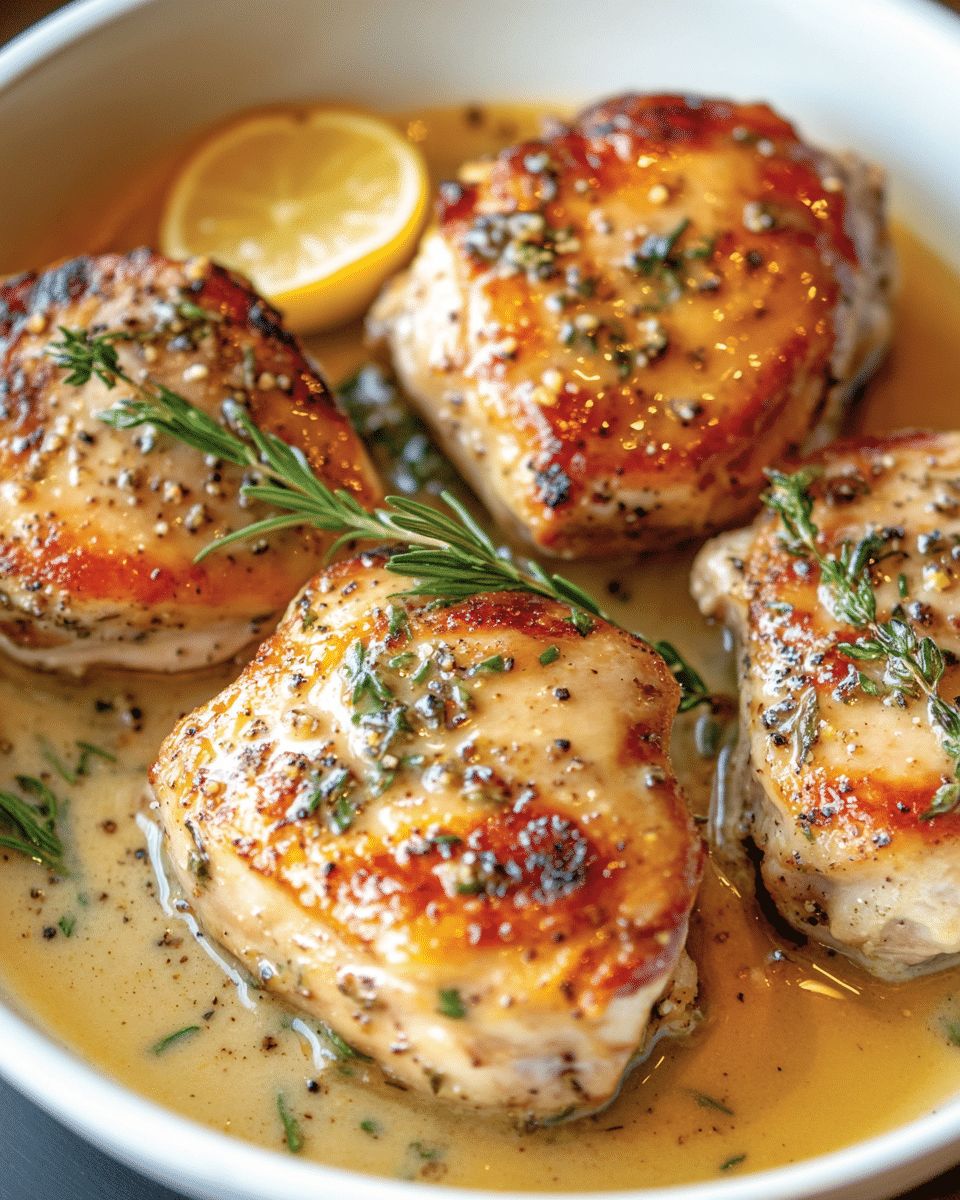
When you’re looking for a dish that combines comfort, flavor, and elegance in a way that feels effortless, look no further than Lemon Herb Chicken with Creamy Lemon Sauce. This dish offers a delightful balance of savory herbs, zesty lemon, and a rich, creamy sauce that will have everyone at the table asking for seconds. Whether you’re hosting a dinner party or preparing a weeknight meal for the family, this recipe is the perfect choice for any home chef at Cook with Feast.
This recipe transforms simple ingredients into a restaurant-quality masterpiece. By using bone-in, skin-on chicken thighs, we ensure every bite remains incredibly tender and juicy, while the citrus-infused cream sauce adds a layer of luxury that ties the earthy herbs together. It’s the kind of meal that looks sophisticated on the plate but remains surprisingly approachable, taking less than an hour from prep to table.
Quick Answer: Lemon Herb Chicken with Creamy Lemon Sauce is a one-pan gourmet meal featuring seared, herb-crusted chicken thighs finished in a velvety garlic-lemon cream sauce. It is a versatile, high-protein dish that pairs beautifully with roasted vegetables, pasta, or mashed potatoes.
Why Lemon Herb Chicken is the Ultimate Comfort Meal
Comfort food isn’t just about filling your stomach; it’s about finding joy in simple, familiar ingredients. Lemon Herb Chicken with Creamy Lemon Sauce is the perfect embodiment of this concept. By combining the deep, savory notes of rosemary and thyme with the bright acidity of fresh lemon, you create a flavor profile that is both grounded and refreshing. It’s a sophisticated upgrade to your standard chicken dinner that satisfies the soul.
Essential Ingredients for Success
Creating a world-class dish starts with understanding your components. The Lemon Herb Chicken with Creamy Lemon Sauce relies on a harmony between high-quality protein, aromatic herbs, and a balanced fat profile to create a cohesive flavor experience. Each ingredient plays a specific role in either tenderizing the meat, building a crust, or emulsifying the velvety sauce.
The Star Component: Bone-In, Skin-On Chicken Thighs
While many home cooks default to chicken breasts for convenience, professional chefs almost always opt for chicken thighs when a dish involves roasting and a rich sauce. The internal fat content of the thigh prevents the meat from drying out during the oven-roasting phase, while the skin provides a necessary barrier that traps moisture and creates a satisfying crunch. The bone also acts as a conductor of heat, ensuring the chicken cooks evenly from the inside out.
The Aromatic Herb Blend
To achieve that signature “herb-crusted” finish, we use a combination of dried and fresh elements. Dried herbs like thyme and rosemary are ideal for the searing stage because they stand up well to high heat without burning as quickly as fresh leaves. The inclusion of Dijon mustard in the marinade acts as an emulsifier, helping the oil and herbs stick to the skin while providing a subtle, vinegary tang that cuts through the upcoming cream sauce.
| Category | Primary Ingredients | Function in Dish |
|---|---|---|
| Proteins | 8 Bone-in, skin-on chicken thighs | Main source of flavor and satiety. |
| Aromatics | Garlic, Red pepper flakes, Lemon zest | Provides depth and a hint of heat. |
| Liquids | Chicken broth, Heavy cream, Lemon juice | Creates the base for the velvety sauce. |
| Herbs/Spices | Thyme, Rosemary, Basil, Black pepper | Adds earthy and fresh floral notes. |
Detailed Step-by-Step Cooking Guide
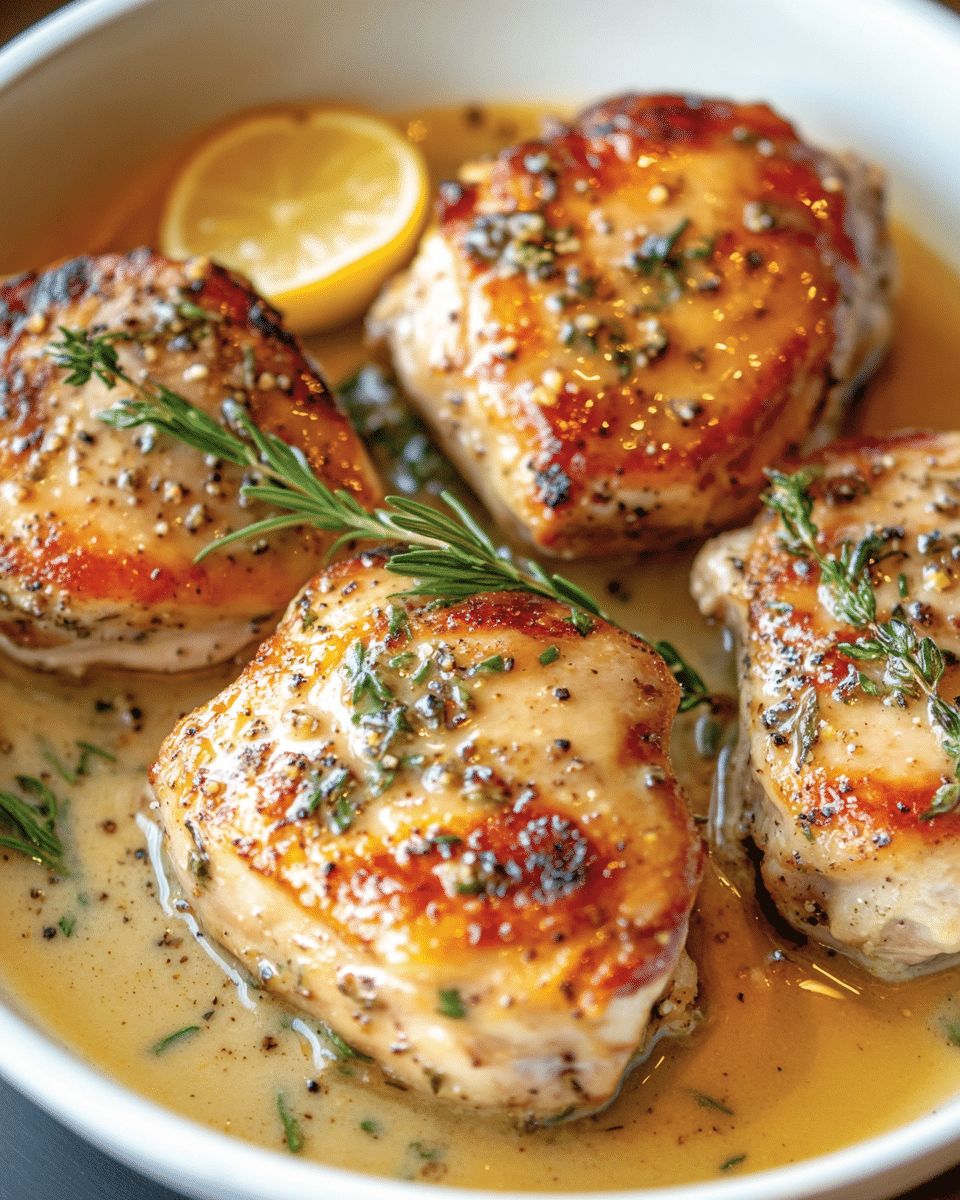
Following a specific sequence is vital for this recipe. We utilize a technique called fond building, where the brown bits left in the pan after searing the chicken become the foundation for the sauce. This ensures no flavor is wasted and the sauce has a deep, complex profile that matches the roasted meat.
Phase 1: Prepping and Searing
- Oven Calibration: Preheat your oven to 400°F (200°C). A hot oven is necessary to finish the chicken quickly so it remains juicy.
- The Marinade: Whisk 1 tbsp olive oil, 1 tbsp Dijon mustard, the zest of one lemon, and 1/2 tsp each of dried thyme and rosemary. Season generously with kosher salt and cracked black pepper.
- Coating: Rub the mixture under and over the skin of the chicken thighs. This ensures the flavor penetrates the meat itself, not just the surface.
- The Sear: In a large, oven-safe skillet (cast iron is excellent here), melt 2 tbsp of unsalted butter over medium-high heat. Place chicken skin-side down. Sear for 3 minutes until the skin is golden and releases easily from the pan. Flip and sear for 2 more minutes.
Phase 2: Developing the Creamy Lemon Sauce
Once the chicken is seared, remove it to a plate. Do not wash the skillet! The rendered chicken fat and browned mustard bits are “liquid gold” for your sauce. Reduce the heat to medium and follow these steps:
- Add 2 cloves of minced garlic and a pinch of red pepper flakes. Sauté for 60 seconds until fragrant.
- Deglaze the pan with 1/2 cup of chicken broth, scraping the bottom with a wooden spoon.
- Pour in 1/2 cup of heavy cream and the juice of one lemon.
- Whisk in 1/2 tsp of dried basil and season with salt. Let the mixture simmer for 3–5 minutes until it coats the back of a spoon.
Phase 3: The Oven Finish
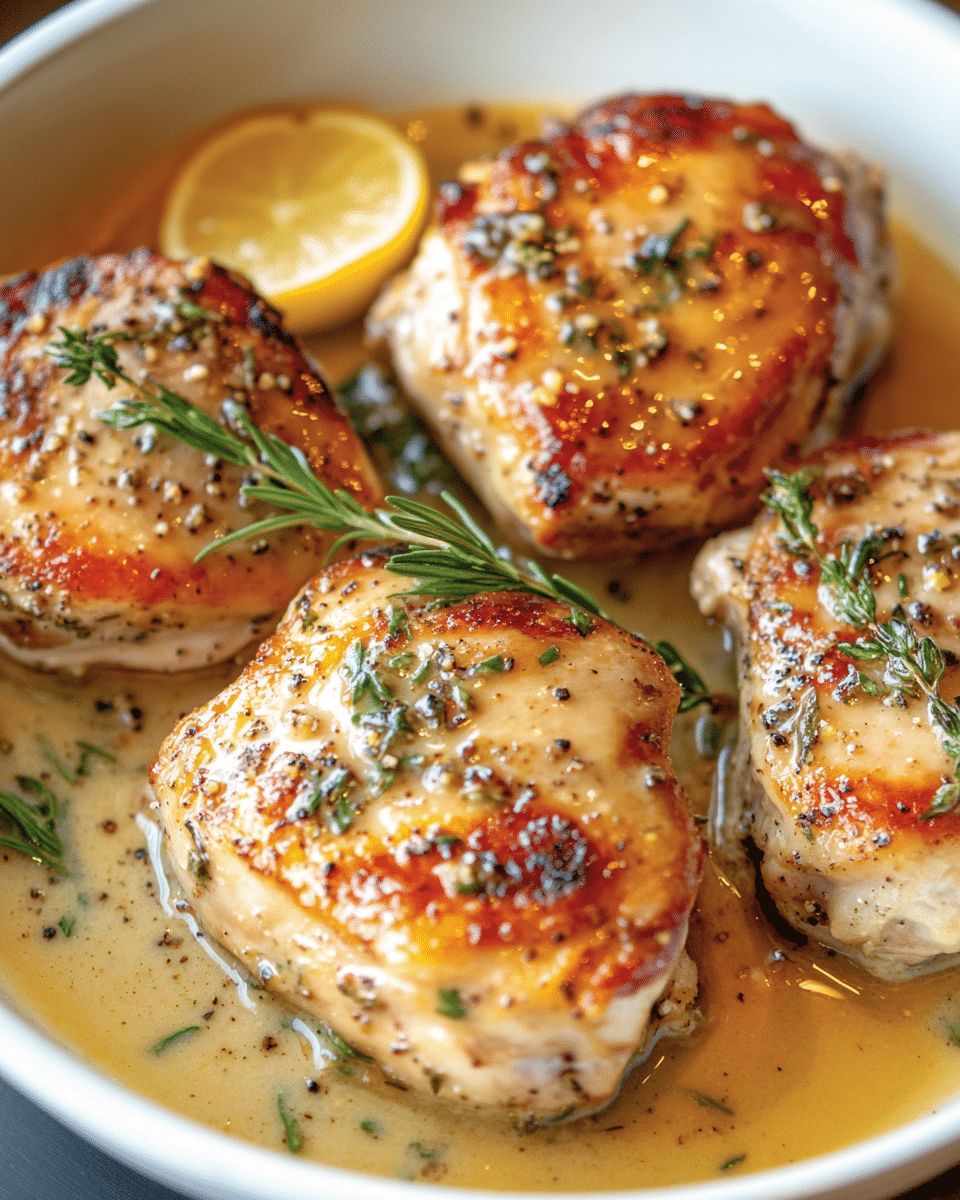
Place the chicken thighs back into the skillet, nestled into the sauce. Ensure the skin remains above the liquid line to stay crispy. Transfer the skillet to the oven and roast for 25–30 minutes. Use a meat thermometer to ensure the internal temperature reaches 165°F (74°C). This roasting period allows the sauce to reduce further and the chicken to absorb the garlic and lemon aromas.
Pro Tips for Restaurant-Quality Results
Achieving the perfect balance between a zesty lemon flavor and a rich cream sauce requires a few “chef secrets” that aren’t always found in basic recipes. If you want to elevate this dish for a special occasion, consider these refinements.
Balancing Acidity and Fat
Heavy cream and butter provide a wonderful mouthfeel, but they can feel “heavy” without enough acid. If your sauce feels too rich, add an extra teaspoon of fresh lemon juice right before serving. The fresh acidity will brighten the entire dish. Conversely, if the lemon is too sharp, a tiny pinch of sugar or an extra tablespoon of butter can mellow the flavors.
Texture Management
Tip: If the skin of the chicken feels soft after roasting in the sauce, turn on the broiler for the last 2 minutes of cooking. Watch it closely to prevent burning, but this will guarantee a “shatter-crisp” skin texture.
Nutritional Comparison: Thighs vs. Breasts
Many diners wonder about the health implications of choosing thighs over breasts. While thighs are higher in calories, they offer significantly more micronutrients and a more satisfying fat profile that keeps you full longer.
| Nutrient (per 100g) | Chicken Thigh (Skin-on) | Chicken Breast (Skinless) |
|---|---|---|
| Calories | 232 kcal | 165 kcal |
| Total Fat | 15g | 3.6g |
| Protein | 24g | 31g |
| Iron | 6% DV | 2% DV |
| Zinc | 12% DV | 5% DV |
Storage and Reheating Advice
This dish is excellent for meal prep, though the sauce may thicken significantly when chilled. To store, place the chicken and sauce in an airtight container for up to 3 days in the refrigerator. When reheating, do so gently on the stovetop. Add a splash of water or broth to the pan to loosen the cream sauce and prevent it from “splitting” or becoming oily. Avoid high-power microwave settings, as they can toughen the chicken fibers and cause the cream to separate.
You May Also Like
If you enjoyed this flavorful chicken dish, you might also like these popular recipes from our collection: Perfect Roasted Vegetables, Indulgent Creamy Pasta Bases, Garlic Butter Chicken Thighs, and Mediterranean-Inspired Dinners.
For more information on the nutritional profile of poultry and food safety guidelines, visit the Official USDA Website.
Frequently Asked Questions
Can I use chicken breasts instead of thighs for this recipe?
Yes, you can substitute chicken breasts if you prefer a leaner protein. However, because breasts lack the fat content of thighs, they cook much faster. To keep them juicy, reduce the roasting time by 5–10 minutes and ensure you don’t skip the searing step, as it helps lock in the natural juices.
What should I do if my creamy lemon sauce is too thin?
If your sauce isn’t reaching that velvety consistency, simply let it simmer for an additional 2–3 minutes over medium heat before adding the chicken back in. This allows the heavy cream to reduce and thicken. Conversely, if it becomes too thick, whisk in a tablespoon of chicken broth to loosen it up.
How do I prevent the cream from curdling when adding lemon juice?
To prevent curdling, ensure your heavy cream has simmered and warmed through before slowly whisking in the lemon juice. Using full-fat heavy cream rather than milk or half-and-half also provides more stability against the acidity of the citrus, resulting in a perfectly smooth sauce every time.
Final Thoughts
The Lemon Herb Chicken with Creamy Lemon Sauce is more than just a simple dinner; it is a testament to how high-quality techniques like searing and deglazing can transform pantry staples into a gourmet experience. Its balance of bright citrus and rich cream makes it a versatile masterpiece that fits just as well at a holiday gathering as it does on a busy Tuesday night.
We invite you to try this recipe tonight and experience the “Cook with Feast” difference. Don’t forget to experiment with your own favorite herb blends or side pairings—this dish is designed to grow with your culinary skills. Happy cooking!


