There’s something truly magical about the first bite of a perfectly cooked Steak Au Poivre. The crisp, peppercorn-crusted exterior giving way to a tender, juicy interior—all crowned with a luxuriously creamy Cognac sauce that lingers on your palate. If you’ve ever wondered how to replicate that classic French bistro experience in your own kitchen, this detailed guide will take you through every step, ensuring your steak turns out restaurant-quality every time.
Whether you’re cooking for a special occasion or simply craving an indulgent dinner, mastering this recipe means adding a touch of elegance to your culinary repertoire. From selecting the right New York Strip to the theatrical moment of deglazing the pan with brandy, we will demystify the techniques used by professional chefs. Ready to impress your guests or treat yourself to a gourmet meal? Let’s dive into the art of the perfect pepper steak.
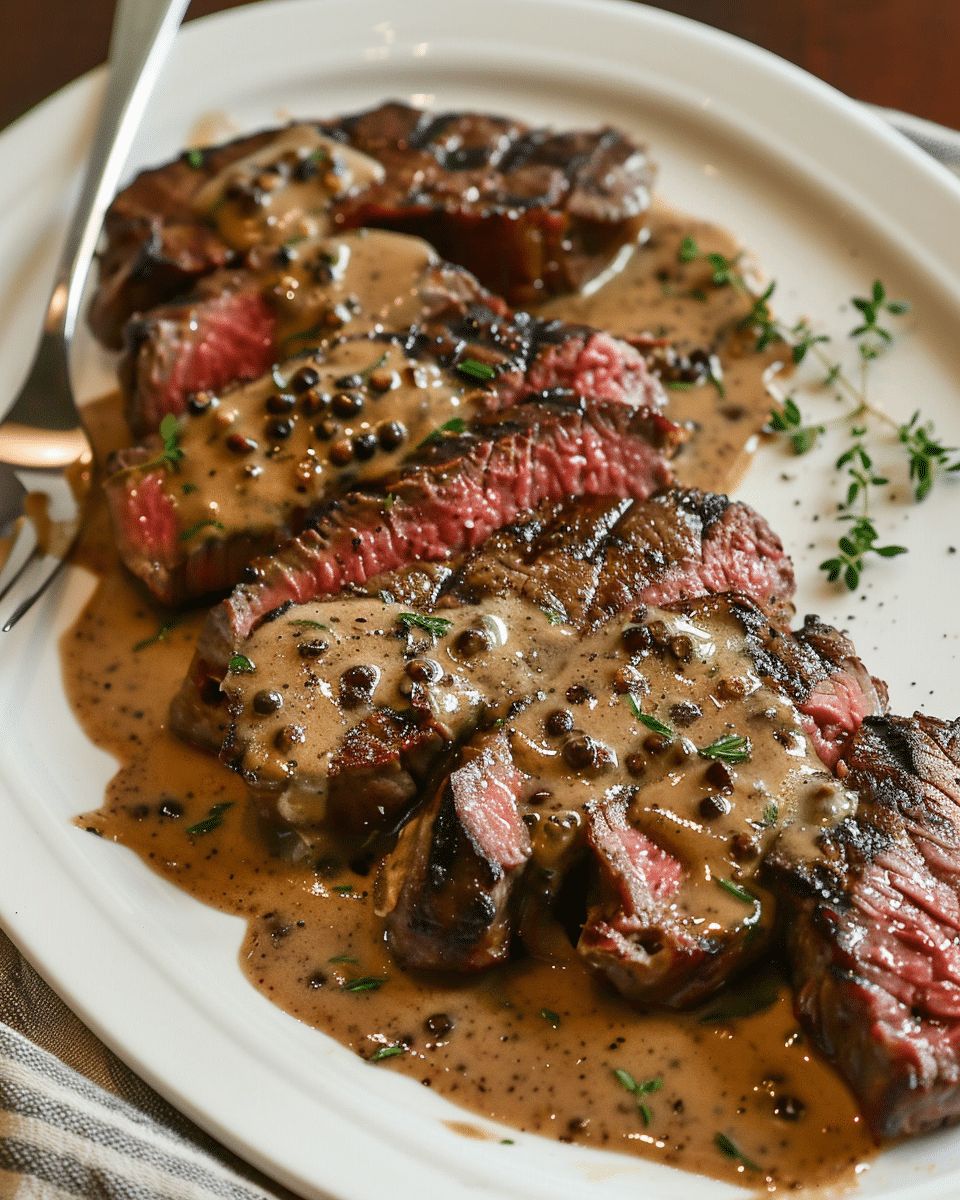
Quick Answer: Steak Au Poivre is a classic French dish consisting of a steak (traditionally filet mignon or strip) coated in loosely cracked peppercorns. It is seared to form a crust and served with a pan sauce made from the steak drippings, Cognac, and heavy cream for a rich, spicy, and sophisticated flavor profile.
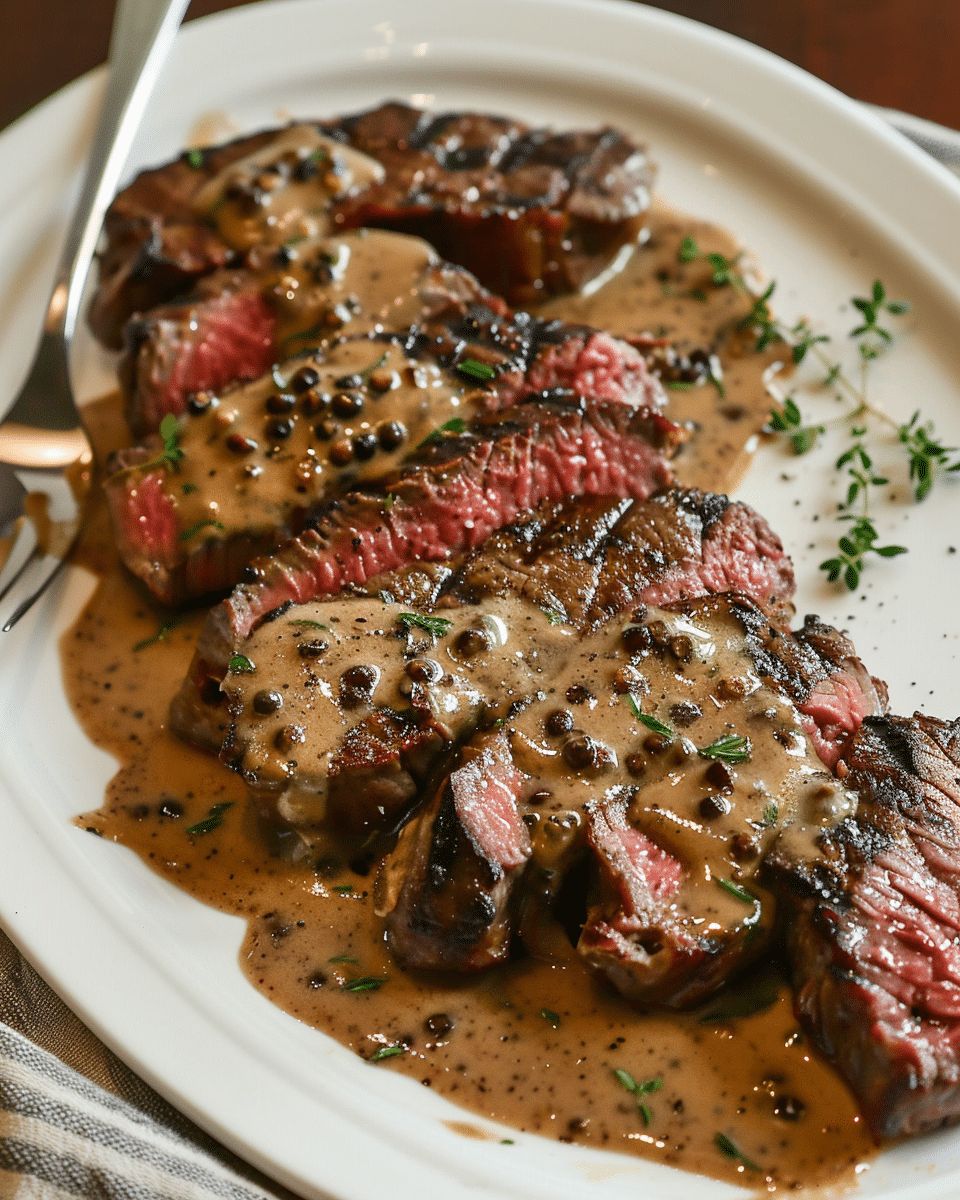
What is Steak Au Poivre? Discover the French Classic You’ll Love
Before you heat your skillet, it’s good to understand what makes Steak Au Poivre so beloved worldwide. At its heart, “au poivre” simply means “with pepper” in French. This dish is famous for its bold, spicy crust that provides a sharp contrast to the buttery, velvet-like consistency of the cream sauce.
Originating from the bustling bistros of Paris, this dish perfectly balances heat and richness. The hallmark of an authentic recipe lies in its precision: high-quality beef, freshly cracked peppercorns pressed firmly into the meat, and a luscious sauce finished with Cognac. By mastering this recipe, you’re not just cooking a meal; you’re creating an experience that embodies French culinary sophistication right at your dinner table.
Essential Ingredients for Authentic Steak Au Poivre
Creating a restaurant-quality Steak Au Poivre starts with high-quality ingredients. Because this recipe relies on a few core components, the caliber of your beef and the freshness of your spices will directly impact the final flavor profile. Below is the comprehensive list of what you will need to bring this French masterpiece to life.
| Ingredient | Quantity | Pro Chef’s Note |
|---|---|---|
| New York Strip Steaks | 2 (approx. 1-inch thick) | Look for Prime or Choice grade for better marbling. |
| Sea Salt | 2 teaspoons | Enhances the natural beef flavor without chemical aftertaste. |
| Freshly Cracked Pepper | 2 teaspoons + 1 tbsp | Must be coarse; pre-ground pepper is too fine and bitter. |
| Olive Oil | 2 tablespoons | Use an oil with a high smoke point for searing. |
| Shallot | 1 large, finely diced | Shallots provide a delicate onion-garlic hybrid flavor. |
| Garlic Cloves | 4 cloves, crushed | Keep them whole but smashed to release aromatic oils. |
| Unsalted Butter | 4 tablespoons | Divided for basting and finishing the sauce. |
| Fresh Thyme | 4 sprigs | Adds an earthy, floral note to the basting butter. |
| Cognac | 1/3 cup | High-quality brandy is an acceptable substitute. |
| Heavy Cream | 1/3 cup | Ensures the sauce is thick and velvety. |
Why the Selection Matters
In French cooking, the New York Strip is often preferred because its tight grain structure allows the peppercorns to adhere effectively, creating a uniform crust. Using unsalted butter is a critical SEO tip for home cooks: it allows you to control the sodium levels precisely. If you use salted butter, the reduction of the sauce might result in an overly salty finish.
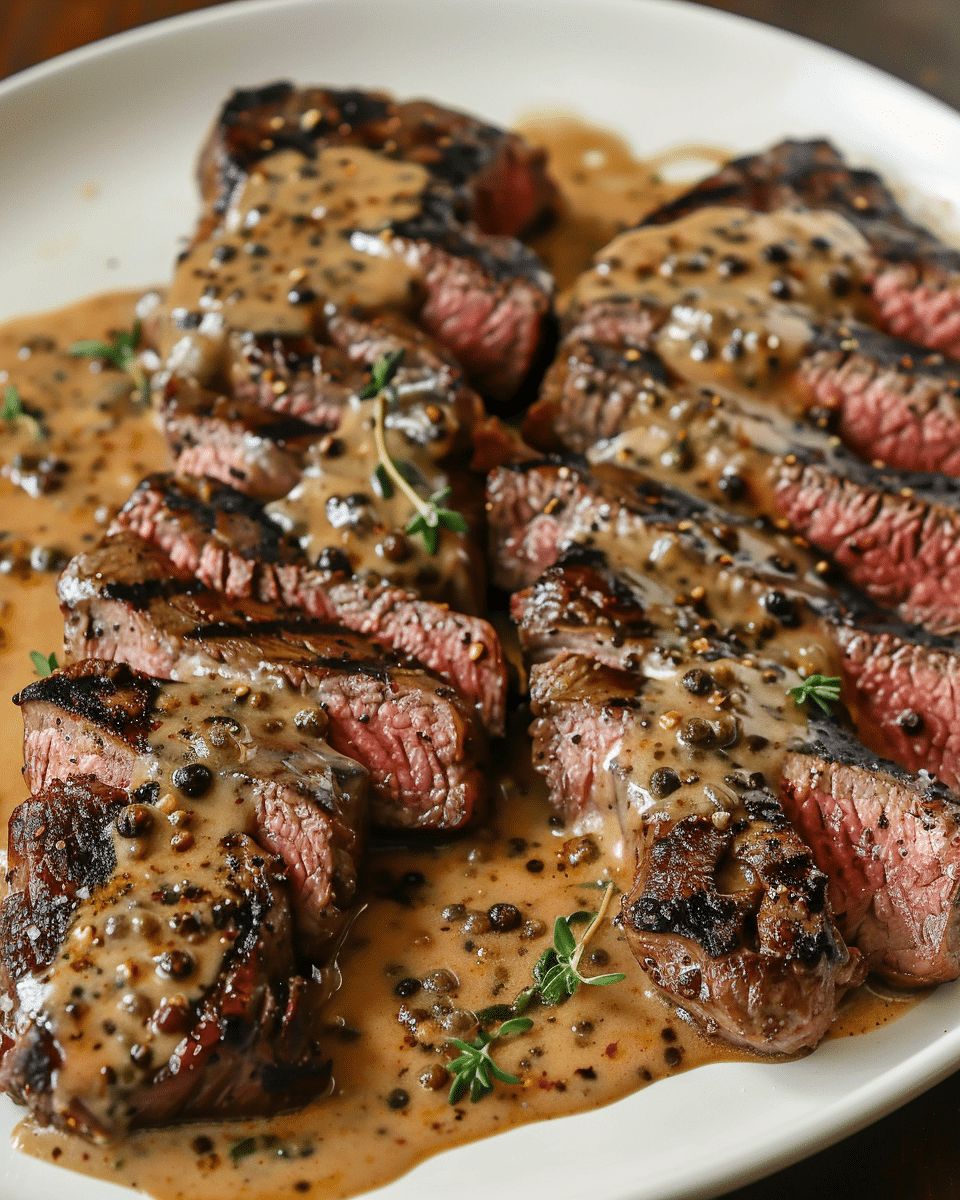
The Preparation: Setting the Stage for Success
Before the steak ever touches the pan, the preparation phase ensures that the cooking process remains controlled and the flavors remain vibrant. Professional chefs refer to this as mise en place.
1. Prepping the Meat
- Dry the Surface: Use paper towels to pat the steaks until they are bone-dry. Moisture is the enemy of a good sear; any water on the surface will create steam instead of a crust.
- Seasoning Strategy: Massage the sea salt and the first 2 teaspoons of cracked pepper into the meat. The salt draws out proteins that help the peppercorns stick.
- The Room Temp Rule: Let the steaks sit on the counter for 20–30 minutes. A cold steak in a hot pan results in a gray, overcooked exterior and a raw center.
2. Cracking the Peppercorns
For the “Au Poivre” crust, you need a coarser texture than a standard grinder provides. Place whole peppercorns in a heavy-duty bag and crush them with a rolling pin, or use a mortar and pestle. You want varying sizes of pepper—from fine dust to large, crunchy shards—to create complex texture.
Expert Tip: Avoid using white pepper for the crust; it has a fermented funk that can overwhelm the delicate Cognac cream. Stick to high-quality black peppercorns or a “mélange” (blend) for a more colorful presentation.
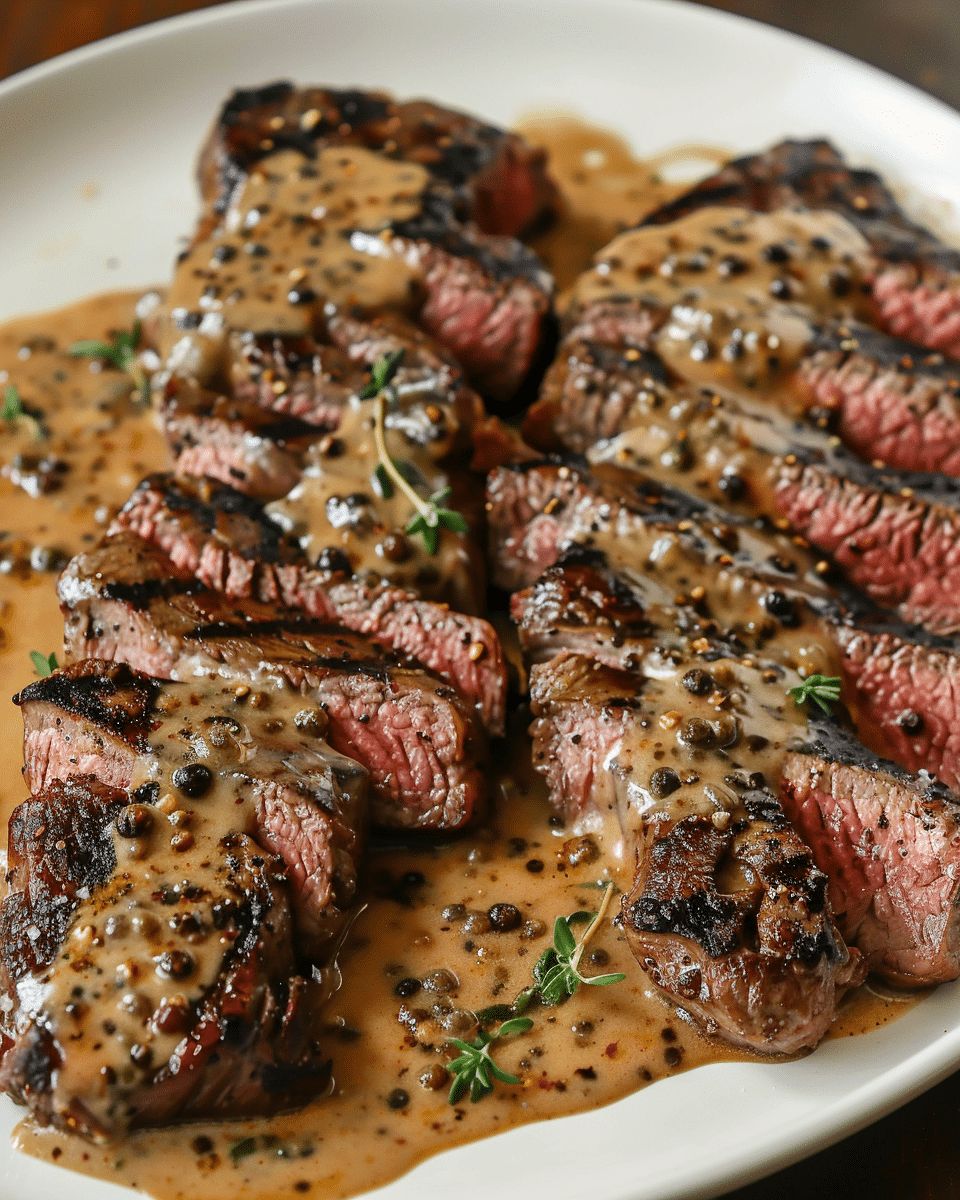
The Searing Phase: Achieving the Perfect Crust
This is where the magic happens. The Goal is the Maillard Reaction—the chemical reaction between amino acids and reducing sugars that gives browned food its distinctive flavor.
Mastering the Cast Iron Skillet
- Heat Management: Place your cast-iron skillet over medium-high heat. You are ready when the olive oil begins to shimmer and just starts to show a tiny wisp of smoke.
- The Sear: Lay the steaks in the pan, moving away from your body to prevent hot oil splatters. Let them cook undisturbed for 3 to 4 minutes. If you try to move them and they “stick,” they aren’t ready to be flipped yet.
- The Flip: Once a dark, golden-brown crust has formed, flip the steaks. You should see the peppercorns embedded into the caramelized surface of the meat.
The Secret of Butter-Basting (Arrosé)
Once flipped, lower the heat to medium-low. This prevents the pepper from burning, which would make the dish bitter. Add 1 tablespoon of butter, the crushed garlic, and thyme sprigs. As the butter foams, tilt the pan and spoon the hot, aromatic liquid over the steaks repeatedly for the final 2 minutes of cooking. This technique, called arrosé, adds deep layers of flavor and ensures the meat stays moist.
The Crucial Rest Period
When the steaks reach an internal temperature about 5 degrees below your target (130°F for medium-rare), remove them immediately. Transfer to a warm plate and tent loosely with foil.
Why Rest Your Steak?
- Juice Redistribution: While cooking, the muscle fibers contract and push juices to the center. Resting allows the fibers to relax and soak those juices back up.
- Carry-over Cooking: The internal temperature will rise by about 5 degrees while resting. If you skip this, the juices will run out the moment you cut it, leaving you with dry meat.
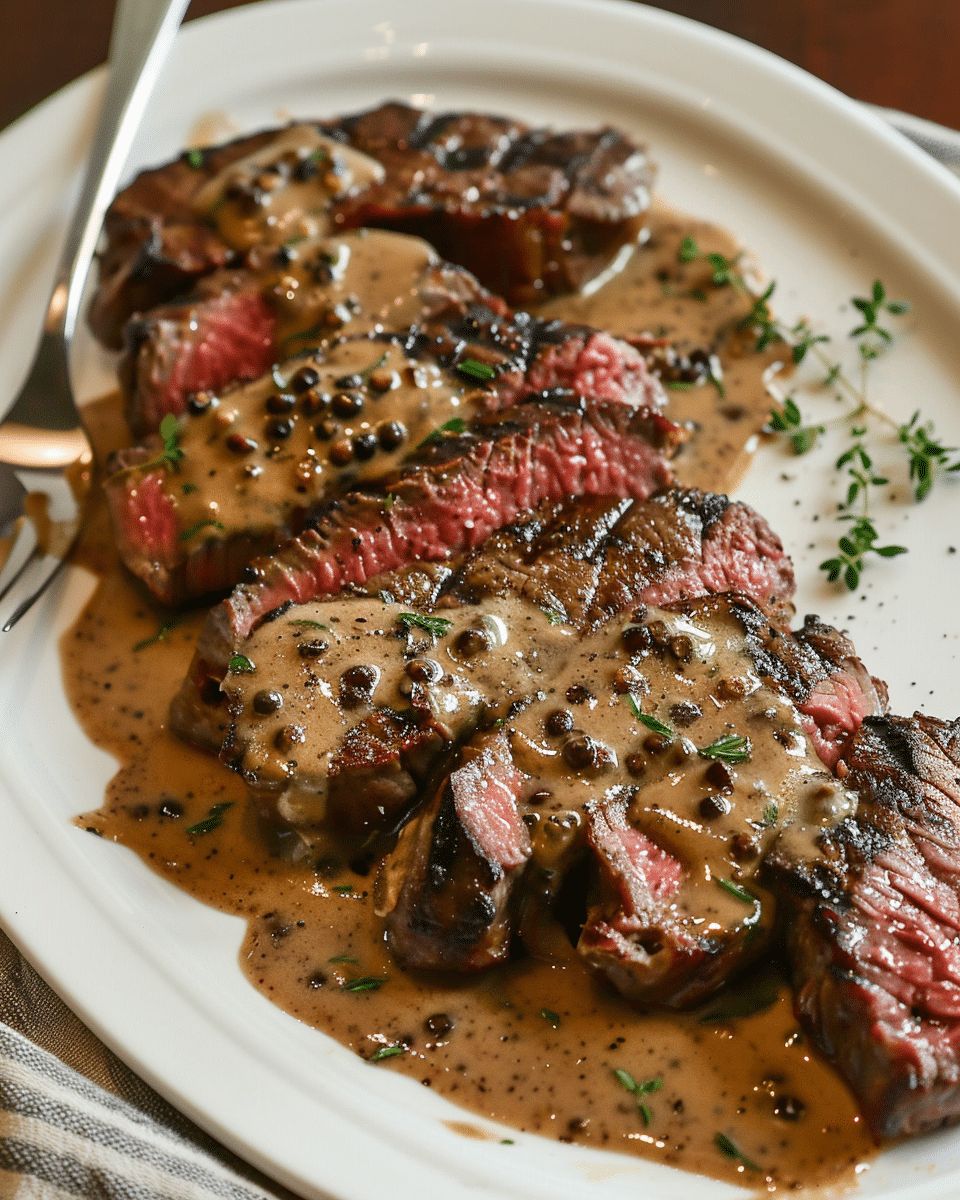
Crafting the Soul: The Cognac Cream Sauce
While the steaks rest, the pan drippings (called fond) become the foundation for the most iconic part of the dish: the Cognac Cream Sauce.
The Step-by-Step Sauce Method
- Sauté the Aromatics: Add the diced shallots to the pan. They will pick up the brown bits of steak and pepper left behind. Cook until translucent.
- Deglazing with Cognac: This is the most critical step. Remove the pan from the heat, pour in the Cognac, and then return it to the flame. Use a wooden spoon to scrape every bit of flavor off the bottom of the pan.
- The Reduction: Let the alcohol simmer until it has reduced by at least half. It should look like a thick syrup. This removes the “bite” of the alcohol while keeping the fruity, oaky notes of the brandy.
- The Cream Finish: Pour in the heavy cream and the remaining crushed peppercorns. Stir constantly until the sauce thickens enough to “nappe” (coat) the back of a spoon.
Safety Warning: If you are cooking on a gas stove, be prepared for the Cognac to ignite (flambé). Have a lid nearby to smother the flame if it gets too high, or simply turn off the burner before adding the liquid.
Professional Searing Tips: Troubleshooting Common Mistakes
Even for experienced home cooks, Steak Au Poivre can be tricky. Here is a comparison of common mistakes versus professional techniques.
| Problem | The Cause | The Professional Fix |
|---|---|---|
| Peppercorns Falling Off | Steak was too wet or not pressed hard enough. | Pat steak dry and use the palm of your hand to firmly press pepper into the meat. |
| Bitter Aftertaste | Pepper burned during the high-heat sear. | Lower heat immediately after the initial sear and use butter to buffer the temperature. |
| Thin/Watery Sauce | Cognac or cream wasn’t reduced enough. | Simmer the sauce for an extra 2 minutes; it will thicken significantly as it cools. |
| Tough Meat | Steak was cooked straight from the fridge. | Always temper your meat at room temperature for 20+ minutes. |
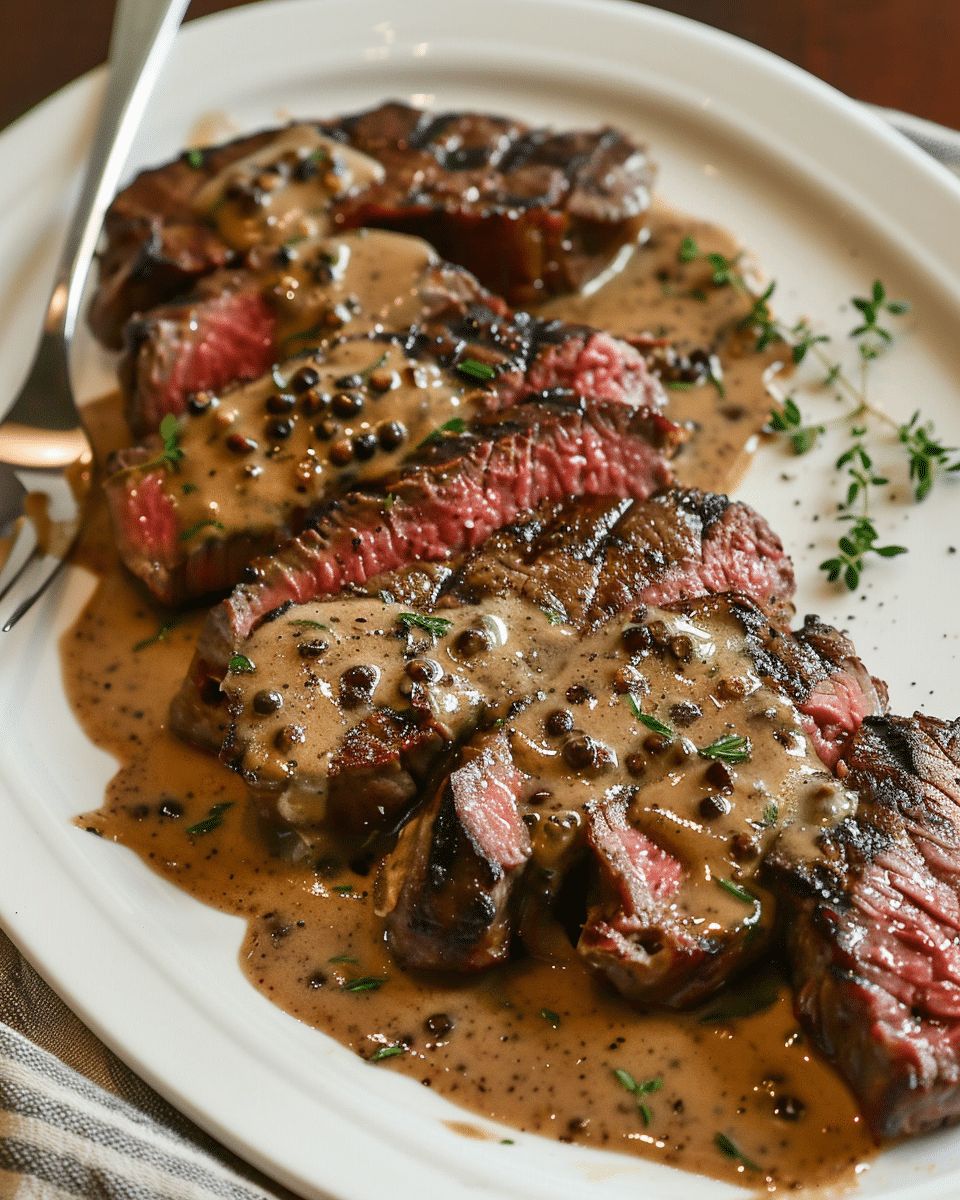
Serving and Presentation
To serve like a true French chef, slice the New York Strip against the grain into thick strips. Arrange them in a fan shape on a warm plate and spoon a generous amount of the Cognac sauce over the center of the meat, leaving the crusty edges visible. Garnish with a fresh sprig of thyme and a final tiny pinch of flaky sea salt.
This dish is traditionally served with pommes frites (French fries) or a smooth potato purée to ensure not a single drop of that luxurious sauce goes to waste. Now that you have mastered the technique, you are ready to bring the elegance of Paris to your own dining table.
You May Also Like
Enhance your culinary skills with more gourmet guides: Classic French Cuisine, Pro Steak Searing Techniques, Mastering Pan Sauces, and Elegant Dinner Party Main Courses.
For more on the history and variations of this dish, visit: Wikipedia: Steak au poivre
Frequently Asked Questions
What is the best cut of beef for Steak Au Poivre?
While New York Strip is highly recommended for its balance of flavor and texture, Filet Mignon is the most traditional choice for a lean, tender experience. If you prefer a richer, fattier cut, a Ribeye can also be used, though you may need to trim excess fat to ensure the peppercorn crust adheres properly.
Can I make Steak Au Poivre without alcohol?
Yes, you can substitute the Cognac with a high-quality beef stock or a splash of red wine vinegar mixed with a little sugar. However, the Cognac provides a unique fruity depth and aromatic warmth that defines the classic French profile, so using a non-alcoholic beef broth will result in a savory but slightly different flavor.
How do I prevent the peppercorns from burning?
The key is temperature control. Use high heat for the initial sear to develop the crust, but once you flip the steak and add the butter, aromatics, and garlic, reduce the heat to medium-low. The butter-basting process helps regulate the temperature of the peppercorns, preventing them from becoming acrid or burnt while the meat finishes cooking.
Final Thoughts
Mastering the Classic Steak Au Poivre with Creamy Cognac Sauce is a rite of passage for any home cook looking to elevate their kitchen game. By combining the rustic heat of cracked peppercorns with the refined elegance of a brandy-infused cream sauce, you create a sensory experience that rivals the finest Parisian bistros. It is a dish that proves you don’t need dozens of ingredients to achieve sophisticated, deep flavors—just high-quality staples and precise technique.
Whether you are celebrating a milestone or simply treating yourself to a luxury Tuesday night dinner, this recipe brings a touch of French elegance to your table. Don’t forget to rest your meat and deglaze your pan thoroughly; those small steps are what separate an average steak from a world-class meal. Bon appétit!