Mediterranean Delight: Greek Chicken with Homemade Tzatziki
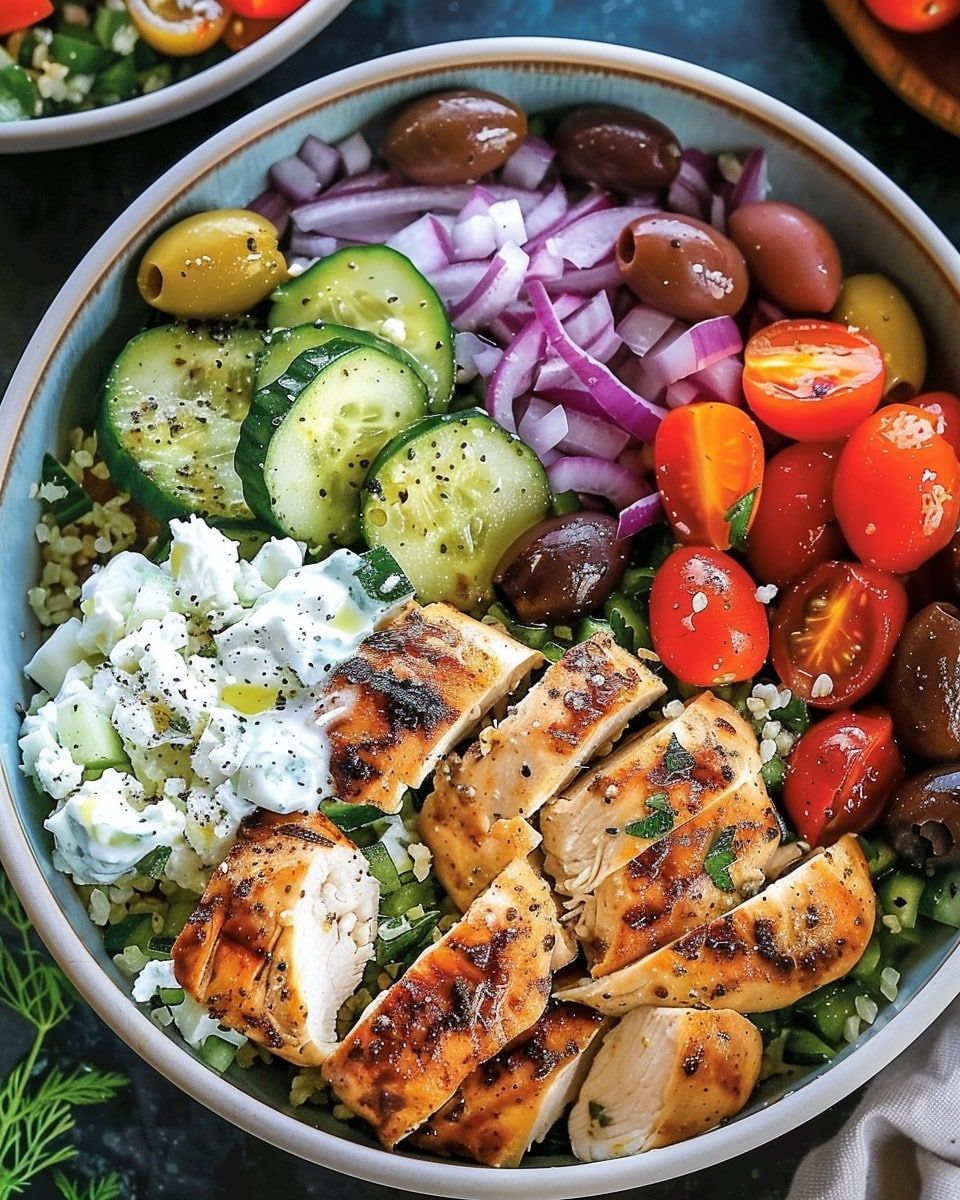
Welcome to a culinary journey through the Mediterranean! There is something truly magical about the combination of bright citrus, aromatic herbs, and sun-ripened vegetables. Today, we’re excited to share a vibrant and flavorful recipe for Greek Chicken with Tzatziki. This dish is a delightful combination of marinated chicken, fresh vegetables, and a creamy sauce, making it the ultimate choice for a healthy and satisfying meal.
Whether you’re looking for a quick weeknight dinner or an impressive dish for guests, this recipe delivers professional results with minimal effort. The secret lies in the herb-rich marinade, which tenderizes the chicken while infusing it with traditional Greek flavors. Served in a colorful bowl with a cooling, garlic-infused yogurt sauce, it’s a gluten-free powerhouse that proves healthy eating never has to be boring.
Quick Answer: Greek Chicken with Tzatziki is a classic Mediterranean dish featuring chicken breast marinated in lemon, olive oil, and Greek seasoning, served alongside a refreshing yogurt-based cucumber sauce. It is a high-protein, nutrient-dense meal that can be prepared in about 50 minutes, making it ideal for healthy meal prep or family dinners.
The Heart of the Mediterranean: Why This Recipe Works
The Mediterranean diet is celebrated globally not just for its longevity-boosting benefits, but for its incredible focus on fresh, high-quality ingredients. This Greek Chicken with Tzatziki is a masterclass in balance: the acidity of the lemon cuts through the richness of the olive oil, while the cool, probiotic-rich yogurt provides a velvety finish to the charred, savory chicken. It is a dish that feels indulgent yet leaves you feeling energized.
At the core of this recipe is the marinade. By using a combination of red wine vinegar and lemon juice, we are double-hitting the protein with two types of acid. This breaks down the muscle fibers of the chicken breast—a cut notorious for drying out—ensuring every bite is exceptionally juicy. When you pair this with a home-made Tzatziki sauce, you aren’t just making a meal; you’re creating a symphony of textures and temperatures.
Essential Ingredients for Success
To achieve that authentic “Opa!” flavor, the quality of your ingredients matters. We recommend using Extra Virgin Olive Oil for the dressing and full-fat Greek Yogurt for the sauce. Below is a breakdown of what you’ll need to gather before you start your kitchen journey.
The Protein and Marinade
| Ingredient | Quantity | Purpose |
|---|---|---|
| Chicken Breast | 1 lb (Boneless/Skinless) | Lean protein base |
| Extra Virgin Olive Oil | 3 Tablespoons | Fat for moisture and flavor |
| Lemon Juice | 2 Tablespoons | Acid for tenderizing |
| Greek Seasoning | 1 Tablespoon | Aromatic herb blend |
| Red Wine Vinegar | 1 Tablespoon | Tangy depth |
The Creamy Tzatziki Sauce
Don’t settle for store-bought versions. Making this sauce from scratch takes only minutes and offers a vastly superior flavor profile. Here is your shopping list:
- 8 oz. Plain Greek Yogurt: Ensure it is full-fat for the creamiest texture.
- 1/2 Persian Cucumber: Grated and squeezed of all excess moisture (crucial step!).
- 2 Cloves Garlic: Finely grated or pressed for a sharp, spicy kick.
- Fresh Dill: 2 tablespoons, minced, to provide that signature herbal freshness.
- Lemon Zest & Juice: One medium lemon’s worth to brighten the heavy creaminess of the yogurt.

Step-by-Step Culinary Directions
Achieving restaurant-quality results at home requires attention to timing and technique. Follow these steps to ensure your chicken is perfectly seared and your salad is crisp.
1. Mastering the Marinade
In a sealable glass container or a heavy-duty freezer bag, combine your cubed chicken with the olive oil, lemon juice, vinegar, and Greek seasoning. Massage the liquids into the meat to ensure even coverage. While 30 minutes is the minimum time required, letting the chicken sit overnight allows the flavors to penetrate deep into the fibers, resulting in a much more robust taste profile.
Pro Tip: Never marinate chicken for more than 24 hours in high-acid liquids, as the acid can eventually turn the texture of the meat “mealy.”
2. The “No-Water” Tzatziki Technique
The biggest mistake home cooks make with Tzatziki is a watery sauce. After grating your Persian cucumber, place the shreds into a clean kitchen towel or cheesecloth and squeeze with all your might. You will be surprised by how much water is released. Once dry, fold the cucumber into the Greek yogurt along with the garlic, lemon zest, dill, and a pinch of sea salt. Refrigerate this immediately; the flavors develop best when chilled for at least 20 minutes.
3. Achieving the Perfect Sear
Heat a large cast-iron skillet over medium-high heat. You want the pan to be shimmering hot before the chicken touches the surface. Add the marinated cubes in a single layer—do not crowd the pan! If the pan is too full, the chicken will steam instead of sear. Cook for 3-4 minutes per side. Look for a deep golden-brown crust. Use a meat thermometer to ensure the internal temperature hits 165°F (74°C).

Salad Preparation and Assembly
While the chicken rests (giving the juices time to redistribute), prepare your fresh components. The contrast between the hot chicken and the cold salad is what makes this dish a Mediterranean delight.
The Red Wine Vinegar Dressing
In a small bowl, whisk together the following for a punchy finishing touch:
- 3 Tablespoons Extra Virgin Olive Oil.
- 1 Tablespoon Red Wine Vinegar.
- 1 Teaspoon Fresh Oregano (finely minced).
- A generous pinch of Sea Salt.
Building the Bowl
Start with a base of greens or a bed of fluffy quinoa if you want extra fiber. Divide the seared chicken into four bowls. Add the sliced cucumbers, halved cherry tomatoes, and thinly sliced red onions. Top with a handful of Kalamata olives for a salty, briny pop. Drizzle the dressing over the vegetables and finish with a massive dollop of your homemade Tzatziki.
Nutritional Breakdown and Comparisons
For those tracking their macros, this recipe is a dream. It is high in lean protein, healthy monounsaturated fats, and low in net carbohydrates. Below is a comparison of using different protein cuts for this recipe.
| Protein Type | Calories (per 4oz) | Protein | Fat Content |
|---|---|---|---|
| Chicken Breast | 165 kcal | 31g | 3.6g |
| Chicken Thigh | 209 kcal | 26g | 10.9g |
| Lean Lamb Cubes | 250 kcal | 28g | 14g |
Storage and Meal Prep Advice
This recipe is highly “meal-prep friendly.” If you are making this for the week, keep the Tzatziki and the dressing in separate small containers. Store the cooked chicken and the raw vegetables in different compartments of your prep box to keep the veggies crisp. The chicken can be enjoyed cold or reheated in a microwave for 60 seconds.
Insights: To keep your sliced red onions from being too “sharp,” soak the slices in a bowl of ice water for 10 minutes before serving. This removes the harsh sulfur compounds and leaves them crunchy and sweet.
Variations to Suit Your Lifestyle
One of the best things about Mediterranean cooking is its inherent flexibility. You can easily adapt this recipe to fit various dietary needs without sacrificing the soul of the dish.
Dairy-Free and Vegan Options
If you are avoiding dairy, swap the Greek yogurt in the Tzatziki for a thick coconut-based yogurt or a cashew cream. Ensure the alternative is unsweetened. For a vegan version, the marinade works beautifully on extra-firm tofu or chickpeas. Simply press the tofu well before marinating to allow the flavors to soak in.
Flavor Twists
- The Smoky Grill: Instead of a skillet, thread the chicken onto skewers and grill over charcoal for a traditional Souvlaki feel.
- The Herb Swap: If you aren’t a fan of dill, fresh mint or flat-leaf parsley provides a refreshing alternative in the sauce.
- Add Grain: Serve the chicken inside a warm, toasted pita pocket for a portable Mediterranean lunch.
By following these detailed steps, you aren’t just making dinner; you’re mastering the art of Mediterranean flavor construction. The combination of heat, acid, and creaminess makes this Greek Chicken with Tzatziki a recipe you’ll return to time and time again. Happy cooking!
You May Also Like
Explore more delicious Mediterranean-inspired recipes and tips:
Healthy Dinner Ideas,
Chicken Marinade Recipes,
Tzatziki Variations, and
Low-Carb Mediterranean Meals.
Source: Wikipedia: The History of Tzatziki
Frequently Asked Questions
Can I swap chicken breast for chicken thighs?
Yes! Chicken thighs are a fantastic alternative as they contain more fat and remain incredibly juicy during high-heat cooking. Simply follow the same marinating process and ensure the internal temperature reaches 165°F (74°C).
How long will the homemade tzatziki sauce stay fresh?
Your homemade tzatziki sauce will stay fresh for up to 3 days when stored in an airtight container in the refrigerator. Because it is made with fresh cucumber, some water may separate over time; simply give it a quick stir before serving.
Is this recipe suitable for a gluten-free diet?
Absolutely. This Greek chicken recipe is naturally gluten-free, as it relies on fresh herbs, spices, lemon, and yogurt. If you are serving it with sides, just ensure your pita bread is a gluten-free variety or swap it for a bed of quinoa or leafy greens.
Final Thoughts
Bringing the flavors of the Mediterranean into your kitchen doesn’t require a plane ticket or hours of complicated prep. This Greek Chicken with Tzatziki is a testament to how simple, fresh ingredients can be transformed into a gourmet experience. Whether you’re enjoying it as a post-workout protein boost or a vibrant family dinner, it is a dish that satisfies both the palate and the soul.
We invite you to make this recipe your own—experiment with different herbs, add your favorite roasted vegetables, or serve it over a variety of grains. Don’t forget to share your culinary creations with us and tag your photos! Happy cooking!