

Roasted Butternut Squash Bliss: The Ultimate Autumn Side Dish
Butternut squash is a quintessential fall favorite, celebrated globally for its rich, nutty flavor and incredibly creamy texture. While it is a staple in hearty soups, it truly reaches its potential when roasted to a golden, caramelized perfection. Our Roasted Butternut Squash Bliss recipe transforms this humble gourd into a sophisticated, gourmet side dish that balances sweet, savory, and tangy notes in every bite.
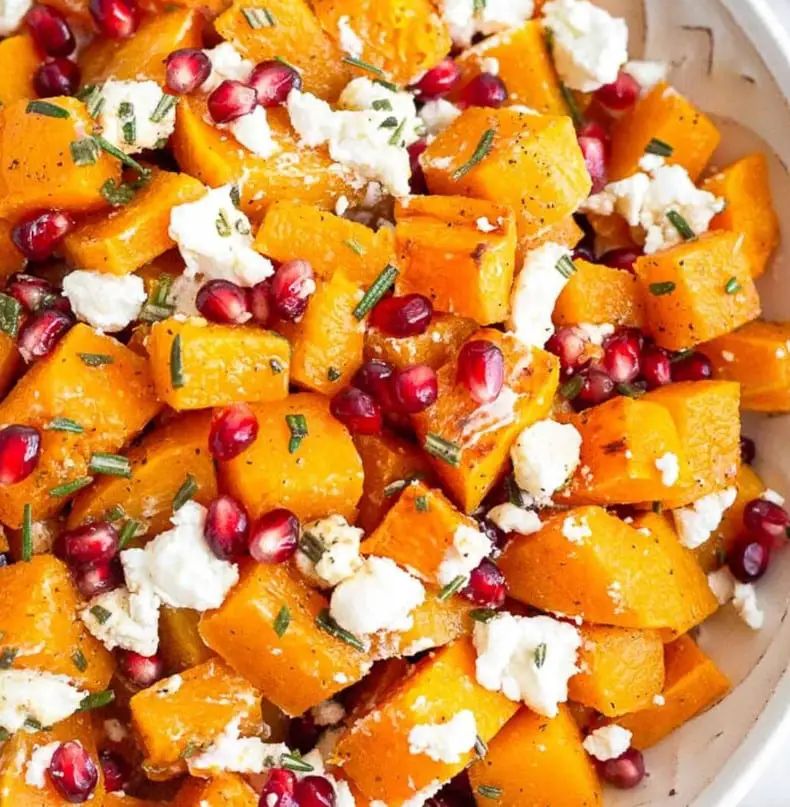
What makes this dish truly live up to its name is the vibrant combination of textures and seasonal ingredients. By pairing the natural sweetness of the squash with a zingy balsamic dressing, the tart pop of pomegranate arils, and the luxurious silkiness of crumbled goat cheese, you create a culinary masterpiece. Whether you are hosting a festive holiday gathering at Cook With Feast or simply looking to brighten up a weeknight dinner, this recipe is designed to impress without the stress.
Quick Answer: Roasted Butternut Squash Bliss is a nutrient-dense, gluten-free side dish featuring oven-roasted squash cubes tossed in a rosemary-balsamic glaze and garnished with fresh pomegranate and goat cheese. It offers a perfect balance of vitamins A and C with gourmet flair.
Why Roasted Butternut Squash Deserves a Spot on Your Table
The transition from late summer to the crisp air of autumn brings with it a bounty of root vegetables, but none are quite as celebrated as the butternut squash. Known for its bell-like shape and vibrant orange interior, this squash is a nutritional powerhouse. However, its true magic is unlocked not in a boiling pot, but within the dry heat of an oven. Roasting causes the natural sugars within the squash to undergo caramelization, a chemical process that creates a deep, nutty sweetness and a complex flavor profile that raw or steamed squash simply cannot match.
Beyond its flavor, butternut squash is a versatile “superfood” that fits perfectly into various dietary lifestyles. Whether you are looking for a fiber-rich side dish to aid digestion or a vitamin-dense addition to your holiday spread, this recipe delivers. It is naturally gluten-free and can easily be adapted for vegan diets by substituting the cheese. This dish isn’t just a side; it’s a centerpiece of health and flavor.
The Nutritional Breakdown
When we look at the data, it is clear why health experts recommend this gourd. It is particularly high in beta-carotene, which the body converts into Vitamin A. To help you understand the benefits, we have compared the nutritional highlights of butternut squash below:
| Nutrient | Benefit to Your Body | % Daily Value (Approx.) |
|---|---|---|
| Vitamin A | Supports vision and immune function | 290% |
| Vitamin C | Powerful antioxidant for skin health | 50% |
| Dietary Fiber | Promotes digestive health and satiety | 25% |
| Potassium | Helps regulate blood pressure | 15% |
The Essential Ingredients for Roasted Bliss
To achieve the perfect balance of flavors in our Roasted Butternut Squash Bliss, quality is paramount. You aren’t just looking for squash; you’re looking for the right accompaniments that provide a symphony of sweet, salty, and acidic notes.
For the Roasted Base:
- 10 cups chopped butternut squash: This usually equates to one large squash (approx. 3 lbs). Aim for uniform 1-inch cubes.
- 1 tablespoon extra virgin olive oil: Provides the fat necessary for the Maillard reaction (browning).
- 1/2 teaspoon garlic powder: Adds a savory depth that counteracts the sugar.
- Kosher salt and cracked black pepper: To taste, but don’t be shy; squash needs seasoning to shine.
For the “Bliss” Toppings:
- 1/2 cup pomegranate arils: These provide “jewel-like” pops of tart juice.
- 1/2 cup crumbled goat cheese: Adds a creamy, tangy richness that melts slightly over the warm squash.
For the Rosemary-Balsamic Dressing:
- 2 tablespoons fresh lemon juice: The acidity cuts through the richness of the goat cheese.
- 1 tablespoon balsamic vinegar: Adds a dark, syrupy sweetness and tang.
- 2 tablespoons fresh rosemary: Finely chopped. Fresh is essential here as dried rosemary can be woody.
Pro Tip: If you struggle with peeling squash, try microwaving the whole squash for 2-3 minutes first. This softens the skin just enough to make your vegetable peeler glide through with ease.
Step-by-Step Culinary Instructions
Creating this dish requires patience more than technical skill. Follow these steps to ensure your squash doesn’t end up mushy or undercooked.
1. Oven Calibration and Preparation
Preheat your oven to 375°F (190°C). While many recipes call for higher heat, 375°F is the “sweet spot” that allows the interior of the 1-inch cubes to become tender before the exterior burns. Line a large rimmed baking sheet with parchment paper or a silicone mat. This prevents sticking and makes the cleanup process effortless.
2. Mastering the Squash Prep
Using a sharp chef’s knife, trim off the top and bottom of the squash so it can stand flat on your cutting board. Use a vegetable peeler to remove the beige skin until the bright orange flesh is revealed. Cut the squash in half lengthwise and use a metal spoon to scrape out the seeds. Slice into long planks, then sticks, and finally into 1-inch cubes. Consistency is key; if your pieces vary in size, the small ones will burn while the large ones remain crunchy.
3. Seasoning and “The Toss”
Place your cubes directly onto the prepared baking sheet. Drizzle with the olive oil and sprinkle the garlic powder, salt, and pepper. Use your hands to toss the squash thoroughly. You want every single surface to have a thin, glistening coat of oil and spice. Spread the cubes out so they are in a single layer. If they are touching or stacked, they will steam instead of roast.
4. The Roasting Process
Slide the tray into the center rack of the oven. Roast for 35–45 minutes. At the 20-minute mark, use a spatula to flip the cubes. This ensures that at least two sides of each cube develop that coveted golden-brown crust. You’ll know they are ready when they are fork-tender and the edges look slightly shriveled and caramelized.
5. Whisking the Dressing
While the oven does the work, prepare your dressing. In a small glass jar or bowl, whisk the lemon juice, balsamic vinegar, and chopped rosemary. This is a “broken” dressing—meaning we aren’t emulsifying it with oil because the oil is already on the squash. The goal here is a bright, acidic punch to wake up the earthy flavors.
6. Final Assembly
Transfer the hot squash to a large serving bowl. Drizzle the rosemary-balsamic mixture over the top while the squash is still steaming; this allows the flavors to soak into the flesh. Gently fold in the pomegranate arils and top with the crumbled goat cheese. The cheese should soften but not completely disappear into the dish.
Expert Tips for Success
Even a simple roast can be elevated with a few professional secrets. Here is how to take your Roasted Butternut Squash Bliss from “good” to “gourmet.”
- The “Crowded Pan” Rule: Never overcrowd your baking sheet. If the cubes are too close together, the moisture they release has nowhere to go but back into the squash. Use two pans if necessary.
- Temperature Control: If you notice the squash browning too quickly, move the tray to a lower rack rather than lowering the heat. You need the heat to maintain the structure of the cube.
- Freshness Matters: Only use fresh rosemary. Dried rosemary is too hard and won’t soften during the brief window of assembly, leading to a “pine needle” texture in your mouth.
- Cheese Alternatives: If you find goat cheese too “funky,” sub in feta for a saltier bite or ricotta salata for a milder, firmer texture.
Ingredient Insight: Pomegranate arils aren’t just for show. They provide the essential “acid trip” that balances the heavy, starchy nature of the squash. If you can’t find fresh pomegranates, dried cranberries soaked in a little orange juice are a solid backup.
Variations and Pairing Suggestions
This recipe is highly adaptable. Depending on the occasion, you can tweak the flavor profile to match your main course.
Add a Spicy Kick
For those who enjoy a sweet-and-heat combo, toss a pinch of red pepper flakes or a dash of cayenne pepper with the squash before roasting. The heat pairs beautifully with the cooling nature of the goat cheese.
Protein Pairings
Because of its robust flavor, this dish stands up well to heavy meats. Consider serving it alongside:
- Roasted Chicken: The rosemary in the squash mirrors traditional poultry seasoning.
- Grilled Salmon: The acidity of the lemon dressing cleanses the palate after the fatty fish.
- Holiday Turkey: This is a sophisticated upgrade from the standard marshmallow-topped sweet potatoes.
Transforming into a Hearty Salad
You can easily turn these roasted cubes into a full meal. Toss the finished squash (warm or cold) with four cups of baby arugula or massaged kale. The peppery bite of arugula provides a perfect canvas for the sweet squash and balsamic dressing. Add some toasted pecans or walnuts for an extra layer of crunch.
Storage and Reheating Guide
While this dish is best served immediately, it does hold up well for meal prep. However, you must follow these storage rules to prevent the squash from becoming a soggy mess.
Fridge and Freezer Instructions
- Refrigeration: Store in an airtight container for up to 4 days. Keep the toppings (cheese and pomegranate) separate if possible until you are ready to eat.
- Freezing: You can freeze the roasted squash for up to 3 months. However, note that the texture will soften significantly upon thawing, making it better for use in salads or grain bowls rather than a standalone side.
The Best Way to Reheat
Avoid the microwave! Reheating roasted vegetables in the microwave makes them rubbery. Instead, spread the squash on a baking sheet and pop it into a 350°F oven for 10 minutes. This will recrisp the edges and restore the original texture.
You May Also Like
Expand your seasonal menu with more flavorful inspirations: Roasted Vegetables, Holiday Side Dishes, Autumn Recipes, and Healthy Dinner Ideas.
For more in-depth information on the nutritional profile of winter gourds, visit the USDA FoodData Central.
Frequently Asked Questions
Can I use pre-cut butternut squash for this recipe?
Yes, using pre-cut butternut squash is a fantastic time-saver. Most grocery stores offer pre-peeled and cubed squash in the produce section. Just ensure the cubes are roughly the same size (about 1 inch) to guarantee even roasting and prevent smaller pieces from burning.
How can I make this dish completely vegan?
To transform this into a vegan-friendly dish, simply swap the goat cheese for a plant-based feta alternative or extra toasted nuts, such as pecans or walnuts, to maintain that creamy and crunchy contrast. The balsamic dressing is already naturally vegan, so no adjustments are needed there!
Is it possible to use a different type of squash?
Absolutely! This roasting method and dressing profile work beautifully with acorn squash, delicata squash, or even sweet potatoes. Note that delicata squash has a thinner skin that is edible, so you won’t even need to peel it before roasting.
Final Thoughts
Roasted Butternut Squash Bliss is more than just a side dish; it is a celebration of seasonal flavors and textures. The combination of earthy rosemary, tart pomegranate, and creamy goat cheese creates a sophisticated palate that works as well for a casual Tuesday night as it does for a grand Thanksgiving feast. By focusing on high-quality ingredients and proper roasting techniques, you can easily turn a simple vegetable into a gourmet experience.
We encourage you to experiment with different herbs or toppings to make this recipe your own. Whether you serve it warm or as a base for a hearty autumn salad, it is sure to become a recurring favorite in your kitchen repertoire. Happy roasting!


