Eating healthy doesn’t have to feel like a chore. Imagine a salad bursting with flavors, textures, and nutrients, all tossed together in a creamy maple tahini dressing that feels indulgent yet wholesome. This roasted sweet potato and delicata squash chickpea salad is your ultimate answer to a quick, satisfying meal that’s as nourishing as it is delicious. You’ll find that with each bite, you’re not only treating your taste buds but also fueling your body with protein, fiber, and essential vitamins.
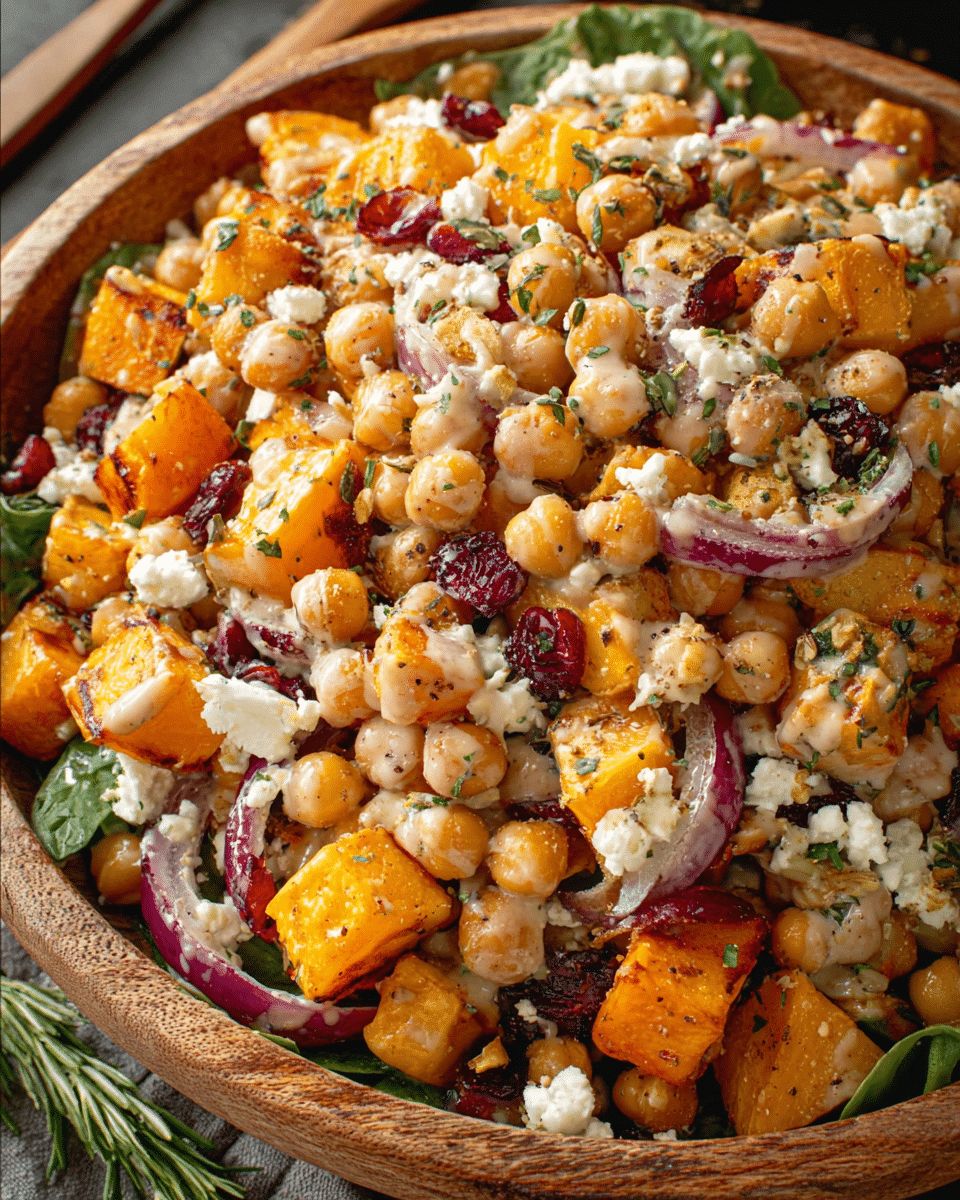
Whether you’re meal prepping for the week, looking for a vibrant lunch, or serving a side dish at dinner, this salad is versatile, easy to prepare, and perfect for all occasions. The combination of caramelized roasted vegetables, tart cranberries, and salty feta creates a sophisticated flavor profile that works beautifully whether served warm or cold.
Quick Answer: This Roasted Sweet Potato & Delicata Squash Chickpea Salad is a nutrient-dense, plant-forward meal featuring caramelized fall vegetables, protein-rich chickpeas, and a signature maple tahini dressing. It is gluten-free, vegetarian-friendly, and can be prepared in just 40 minutes.
A Deep Dive into the Ingredients and Their Health Benefits
When you prepare this Roasted Sweet Potato & Delicata Squash Chickpea Salad, you aren’t just making a meal; you are assembling a powerhouse of nutrition. Each component has been selected to provide a specific balance of flavor and functional health benefits. Understanding these ingredients helps you appreciate the fuel you are providing for your body.
The Nutritional Profile of the Harvest
The base of this salad relies on complex carbohydrates and plant-based proteins. Unlike simple sugars, these ingredients provide a steady release of energy, preventing the mid-afternoon crash often associated with lighter salads.
- Chickpeas: A fantastic source of plant-based protein and zinc. They are high in fiber, which supports a healthy gut microbiome.
- Sweet Potatoes: These tubers are famous for their high Beta-Carotene content, which the body converts into Vitamin A for eye health and immune support.
- Delicata Squash: This “winter squash” is unique because its skin is thin and perfectly edible when roasted, adding extra fiber and a beautiful striped aesthetic to your plate.
- Fresh Cranberries: These provide a sharp, tart contrast to the earthy squash. They are rich in proanthocyanidins (PACs), which are known for supporting urinary tract health.
The Secret in the Sauce: Maple Tahini Dressing
The dressing is what transforms these individual components into a cohesive, gourmet dish. Tahini, made from toasted ground sesame seeds, provides a creamy texture without the need for dairy. When paired with the natural sweetness of maple syrup and the acidity of apple cider vinegar, it creates a flavor profile that is salty, sweet, and tangy all at once.
| Key Nutrient | Primary Source | Health Benefit |
|---|---|---|
| Vitamin A | Sweet Potato & Squash | Supports vision and immune function |
| Protein | Chickpeas & Pine Nuts | Muscle repair and long-term satiety |
| Healthy Fats | Tahini & Olive Oil | Heart health and nutrient absorption |
| Antioxidants | Cranberries & Herbs | Reduces inflammation in the body |

Step-by-Step Preparation Guide
To achieve the perfect texture—where the vegetables are caramelized on the outside and tender on the inside—following the correct roasting technique is essential. Follow these detailed steps to ensure your salad turns out like a professional chef’s creation.
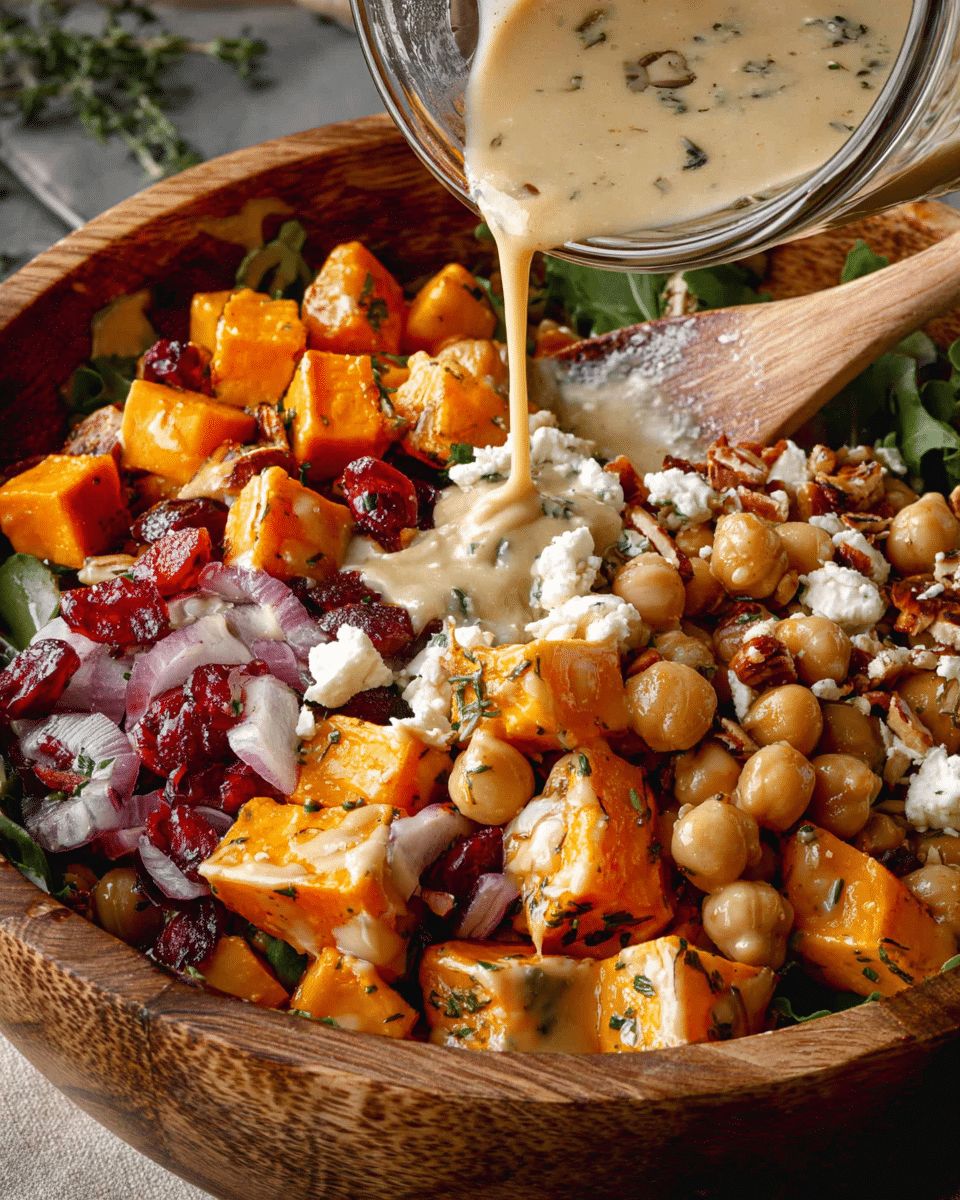
Step 1: Whisking the Creamy Maple Tahini Dressing
Dressing the salad while the vegetables are still slightly warm allows the flavors to penetrate the starches more deeply. Start by preparing the dressing so it has time to “meld” while the oven does its work.
- Combine 1/4 cup of premium tahini with 3 tablespoons of extra virgin olive oil.
- Add 2 tablespoons of pure maple syrup and 2 tablespoons of apple cider vinegar for that signature tang.
- Whisk in one finely minced garlic clove.
- Pro Tip: If your tahini is particularly thick, add 1-2 teaspoons of warm water until the dressing reaches a “drizzlable” consistency.
Step 2: Mastering the Roasted Vegetables
Roasting at a high temperature is the key to caramelization. The natural sugars in the sweet potato and delicata squash will brown beautifully at 425°F (220°C).
- Preheat your oven and line a large baking sheet with parchment paper to prevent sticking.
- Cube the sweet potato into 1-inch pieces and slice the delicata squash into half-moons.
- Toss the vegetables in a bowl with olive oil, ground cumin, and ground coriander. These spices add a warm, Middle Eastern flair that complements the tahini perfectly.
- Spread the vegetables in a single layer. If the pan is crowded, they will steam rather than roast.
- Roast for 15–20 minutes, giving them a quick toss halfway through.

Step 3: Assembling the Fresh Base
While the vegetables are in the oven, you can prepare the bowl. This is where the different textures come into play—the crunch of the nuts, the creaminess of the cheese, and the snap of the onion.
- Drain and rinse your chickpeas thoroughly. Pat them dry with a towel so they don’t water down the dressing.
- Finely mince the red onion to ensure you get a little bit of bite in every forkful without it being overwhelming.
- Crumble the feta cheese and lightly toast the pine nuts in a dry pan for 2-3 minutes until they smell fragrant and turn golden brown.
- Chop your fresh rosemary and sage. Using fresh herbs instead of dried makes a world of difference in the final aroma.
Step 4: The Final Toss
Once the roasted vegetables are out of the oven, let them cool for just 5 minutes. You want them warm enough to soften the feta slightly but not so hot that they wilt the fresh herbs.
- Add the roasted squash and potatoes to the large bowl with the chickpea mixture.
- Pour the maple tahini dressing over the top.
- Toss gently. Use a large spoon to ensure the chickpeas at the bottom are well-coated.
- Garnish with an extra sprinkle of toasted pine nuts and a crack of fresh black pepper.

Variations and Dietary Customizations
One of the best things about this recipe is how adaptable it is. Whether you are cooking for someone with allergies or simply want to use what is in your pantry, you can easily swap ingredients without losing the soul of the dish.
Vegan and Dairy-Free Adjustments
If you are following a vegan diet, simply omit the feta cheese. You can replace the saltiness of the feta with chopped Kalamata olives or a sprinkle of nutritional yeast for a cheesy flavor. Alternatively, many grocery stores now carry high-quality almond-based or coconut-based feta alternatives that crumble beautifully.
Nut-Free Options
For those with nut allergies, pine nuts can be easily swapped. To maintain that essential crunch, use roasted pumpkin seeds (pepitas) or sunflower seeds. These seeds offer a similar earthy flavor and are packed with magnesium and iron.
Grain-Based Hearty Additions
Want to turn this salad into a heavy dinner? You can serve this roasted mixture over a bed of grains. The maple tahini dressing acts as an excellent sauce for the following:
- Quinoa: Adds an extra 8 grams of protein per cup.
- Farro: Provides a chewy, nutty texture that holds up well for meal prep.
- Wild Rice: A gluten-free option that adds a beautiful dark color to the plate.
Pro Tips for Success and Meal Prepping
If you are planning to use this salad for your weekly meal prep, there are a few “insider” tips to keep it tasting fresh until Thursday.
Storage Tip: Store the roasted vegetables and the chickpea base in one container, but keep the dressing in a separate small jar. Drizzle the dressing only when you are ready to eat to prevent the vegetables from becoming too soft.
The Art of the Reheat
While this salad is delicious cold, many prefer it warm during the winter months. To reheat, place a portion in a microwave-safe bowl for 45-60 seconds. If you have an air fryer, popping the roasted vegetables back in for 2 minutes at 350°F will revive that “fresh out of the oven” crispiness before you toss them with the remaining ingredients.
- Vegetable Layering: Always put the chickpeas at the bottom of your meal prep container; they are the heartiest and won’t get crushed.
- Herb Freshness: If possible, add the fresh rosemary and sage right before eating to maximize the aromatic oils.
- Acidity Check: If the salad feels “heavy” after a few days in the fridge, a quick squeeze of fresh lemon juice will brighten the flavors immediately.
You May Also Like
If you enjoyed this harvest-inspired meal, explore more of our seasonal favorites: Roasted Vegetable Medleys, Plant-Based Protein Bowls, Homemade Tahini Dressings, and Healthy Meal Prep Salads.
Nutritional Source: USDA FoodData Central – Sweet Potato Nutrition

Frequently Asked Questions
Can I eat the skin of the Delicata Squash?
Yes! One of the best things about Delicata squash is its thin, edible skin. Unlike butternut or acorn squash, there is no need to peel it. Once roasted, the skin becomes tender and adds a beautiful color and extra fiber to your salad.
How long does the Maple Tahini dressing last in the fridge?
This creamy Maple Tahini dressing can be stored in an airtight jar in the refrigerator for up to 7 days. Note that tahini tends to thicken when cold; simply whisk in a teaspoon of warm water before serving to restore its drizzlable consistency.
Is this chickpea salad suitable for a gluten-free diet?
Absolutely. This recipe is naturally gluten-free as it relies on legumes and root vegetables for bulk rather than grains. It is a perfect choice for those with celiac disease or gluten sensitivities, providing a hearty and filling alternative to pasta-based salads.
Final Thoughts
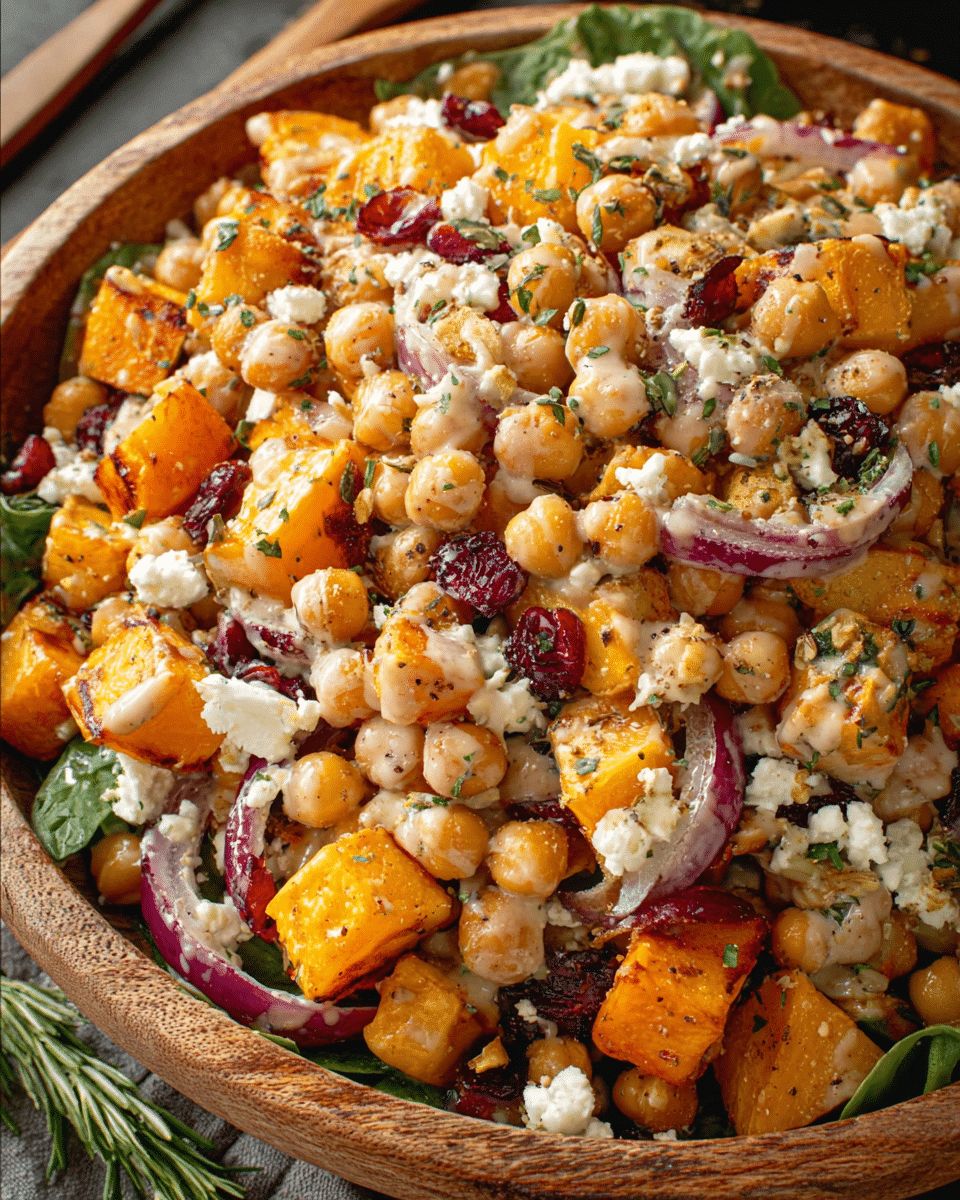
This Roasted Sweet Potato & Delicata Squash Chickpea Salad is more than just a side dish; it is a celebration of seasonal textures and wholesome ingredients. The contrast between the warm, caramelized roasted vegetables and the cool, creamy maple tahini dressing creates a gourmet experience that is remarkably easy to achieve in your own kitchen.
Whether you are preparing this for a quiet weeknight dinner or as a standout dish for a holiday gathering, its vibrant colors and balanced nutrition are sure to impress. Don’t be afraid to experiment with the toppings—extra herbs or a squeeze of fresh lemon can make the flavors pop even more. Happy cooking!