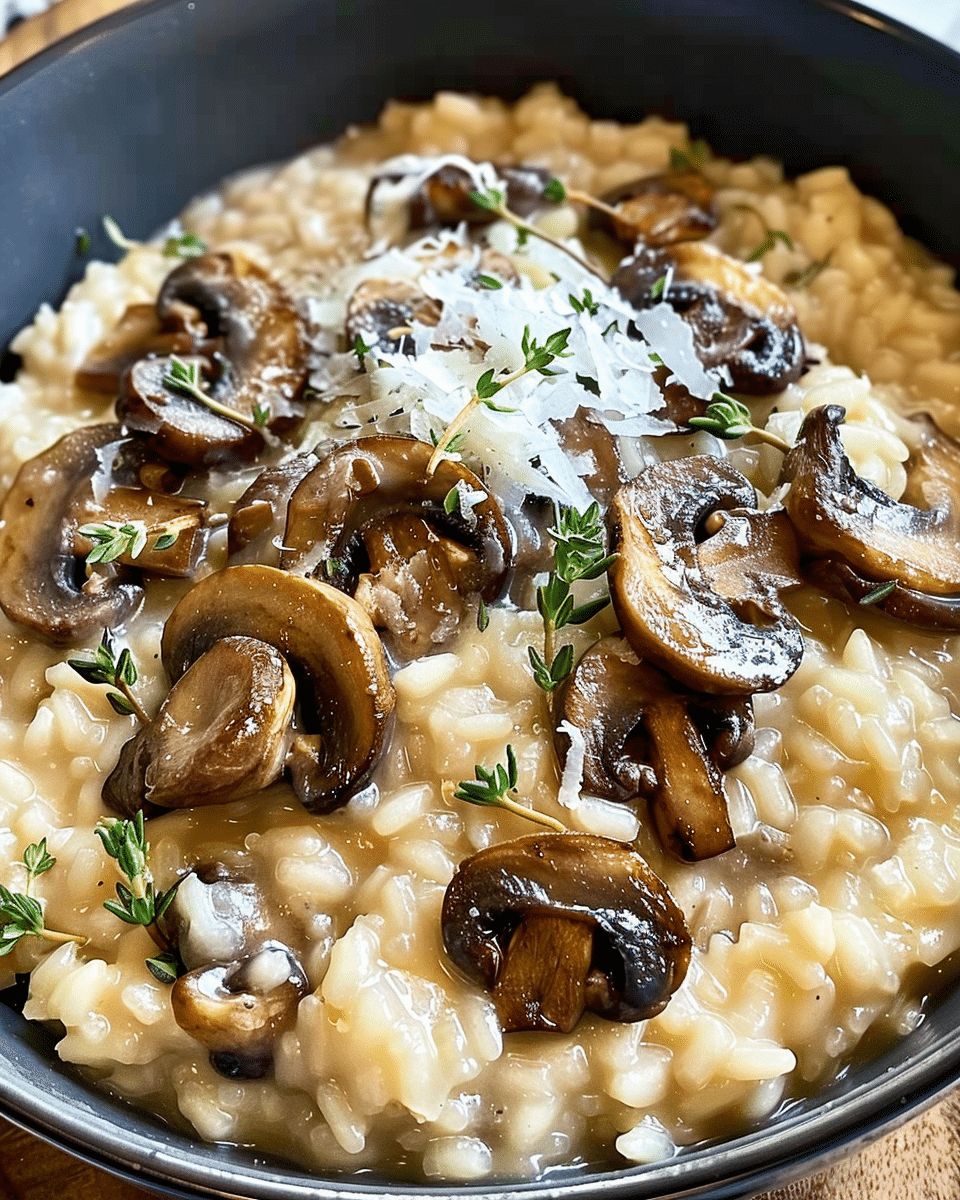
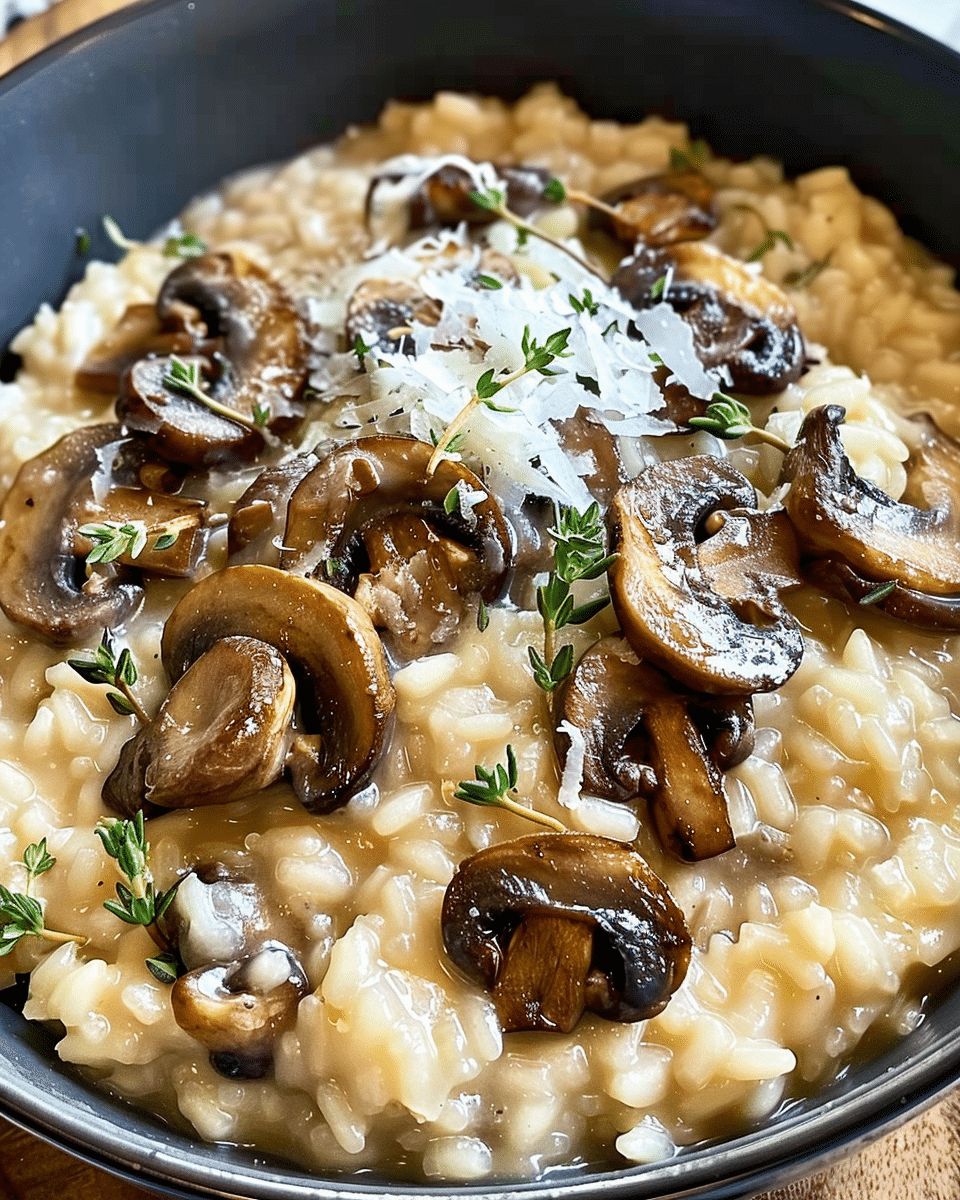
Few dishes embody the concept of “comfort in a bowl” quite like a Creamy Parmesan Mushroom Risotto. This Italian classic is celebrated for its velvet-smooth texture, achieved not through heavy cream, but through the slow, rhythmic release of starch from high-quality Arborio rice. When combined with the earthy depth of sautéed mushrooms and the sharp, savory notes of aged Parmesan cheese, you create a meal that is as sophisticated as it is soul-satisfying.
Whether you are looking to impress guests at a dinner party or simply want to treat yourself to a cozy night in at Cook with Feast, mastering the art of risotto is a skill every home cook should possess. While it has a reputation for being finicky, the secret lies in patience and technique. By following a few simple steps and respecting the process, you can transform humble pantry staples into a restaurant-quality masterpiece right on your own stovetop.
Quick Answer: The secret to the perfect risotto is using warm stock added one ladle at a time, stirring constantly to coax the starch from the rice, and finishing with freshly grated Parmesan and a knob of cold butter for that signature glossy, creamy finish.
Sourcing the Finest Ingredients for Your Mushroom Risotto
The beauty of a Creamy Parmesan Mushroom Risotto lies in its simplicity, which means the quality of each individual ingredient is paramount. Because this dish relies on the marriage of starch and fat to create its signature texture, you must choose components that provide maximum flavor and structural integrity. Below is a comprehensive list of the items you will need to prepare this gourmet meal at home.
| Ingredient Category | Required Amount | Pro-Tip for Selection |
|---|---|---|
| Vegetable or Chicken Stock | 6 Cups | Use low-sodium to control the final saltiness. |
| Unsalted Butter | 8 Tablespoons | High-fat European-style butter yields better creaminess. |
| Fresh Mushrooms | 12 Ounces | A mix of Cremini and Shiitake adds great depth. |
| Red Onion (finely diced) | 2 Tablespoons | Shallots are an excellent, milder alternative. |
| Arborio Rice | 1 1/2 Cups | Never wash the rice; you need all that surface starch. |
| Dry White Wine | 1 Cup | Choose a Pinot Grigio or Sauvignon Blanc. |
| Freshly Grated Parmesan | 1 Cup | Always grate your own from a wedge of Parmigiano-Reggiano. |
| Dried Thyme | 1/2 Teaspoon | Fresh thyme can be used (tripled in quantity). |
| Salt and Black Pepper | To Taste | Freshly cracked pepper provides the best aroma. |
Understanding the Star of the Show: Arborio Rice
Why do we use Arborio rice instead of standard long-grain white rice? The secret is in the starch. Arborio is a short-grain Italian rice that contains a high level of amylopectin. This specific type of starch is released during the stirring process, creating a thick, sauce-like consistency without the need for heavy cream. While you can use Carnaroli rice for an even starchier result, Arborio is the most accessible choice for home cooks looking for that classic risotto mouthfeel.
Selecting and Preparing Your Mushrooms
Mushrooms provide the “umami” or savory heart of this dish. While the recipe calls for 12 ounces, the variety you choose can drastically change the profile. Cremini mushrooms (baby bellas) offer a reliable earthiness, while Shiitakes bring a buttery, smoky note. If you are looking for an ultra-luxe experience, adding a small amount of dried Porcini mushrooms (rehydrated in your stock) will elevate the dish to five-star restaurant levels.
Phase 1: Preparation and Building the Foundation
Success in the kitchen often comes down to Mise en Place—having everything ready before the heat is turned on. Risotto is an active cooking process; once you start adding stock, you won’t have time to chop onions or grate cheese. Follow these preparation steps to ensure a stress-free experience.
Warming the Liquid Gold
The most common mistake beginners make is adding cold stock to hot rice. Doing this “shocks” the grain, tightening the exterior and preventing the starch from releasing properly. It also lowers the overall temperature of the pot, significantly increasing your cooking time. Always keep your 6 cups of stock in a small saucepan over medium-low heat. It should be simmering gently throughout the entire process.
Pre-Cooking the Mushrooms
Mushrooms are like sponges; if you cook them directly with the rice, they will absorb the stock and turn rubbery. Instead, we sauté them first to develop color and lock in flavor.
- Heat a large heavy-bottomed pot (like a Dutch oven) over medium heat.
- Melt 3 tablespoons of the unsalted butter.
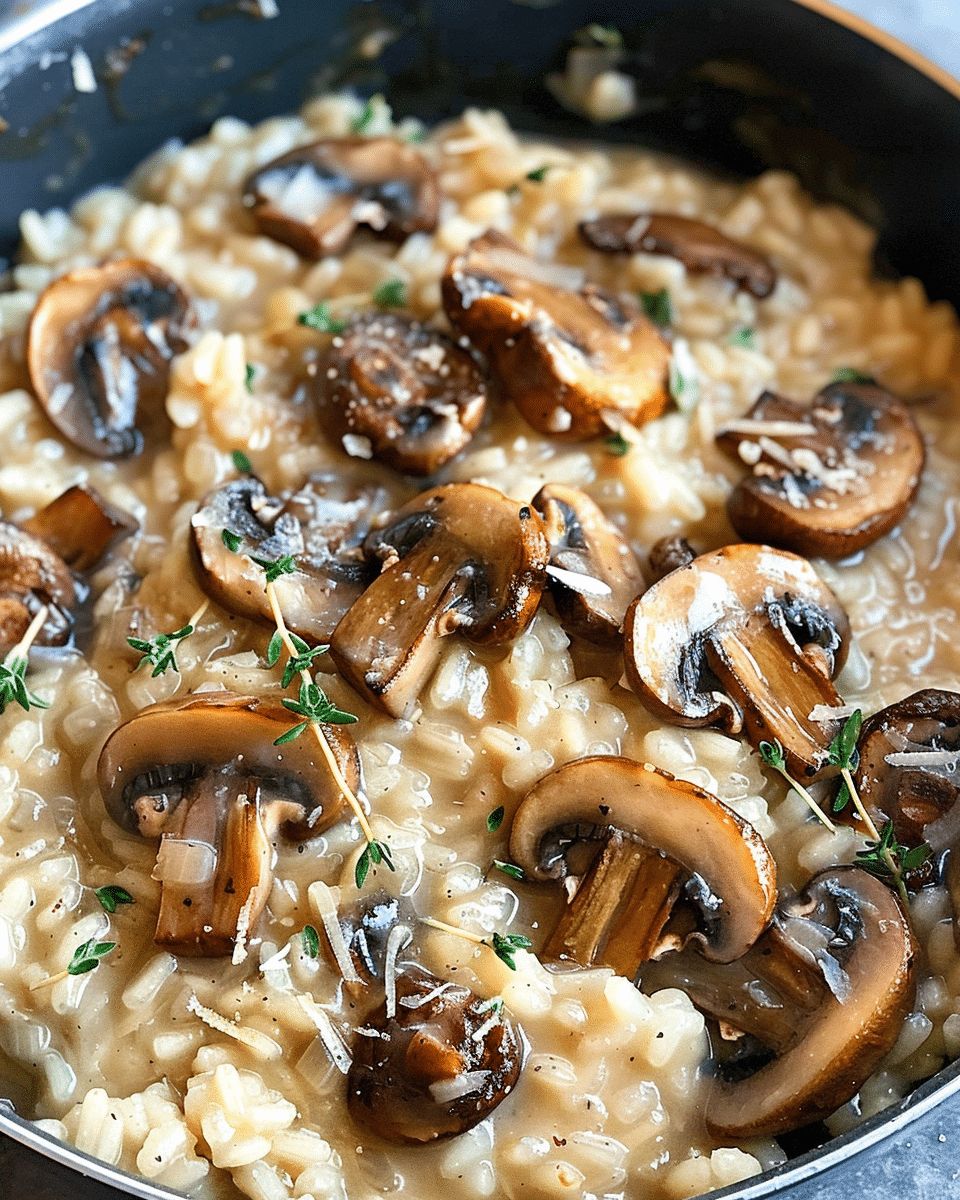
- Add the sliced mushrooms and cook for 5-7 minutes until they are golden brown and have released their moisture.
- Remove the mushrooms and set them aside on a plate, leaving any flavorful butter residue in the pot.
Phase 2: Toasting the Grains and Deglazing
With the mushrooms set aside, it is time to build the aromatic base. This phase is short but critical for the “nutty” flavor profile that defines high-end risotto.
Softening the Aromatics
Add another 2 tablespoons of butter to the pot. Stir in your finely diced red onion. You aren’t looking to caramelize the onions; you simply want them to become translucent and soft. This usually takes about 3 to 5 minutes. If they start to brown, lower the heat immediately, as burnt onions will impart a bitter taste to the delicate rice.
The Importance of “Tostatura” (Toasting)
Now, add the dry Arborio rice to the butter and onions. Stir the grains constantly for 3 minutes. This step, known as tostatura, seals the surface of the rice slightly, ensuring the center remains “al dente” while the outside becomes creamy. You will know it is ready when the edges of the rice grains look slightly translucent, and you smell a toasted, popcorn-like aroma.
Deglazing with White Wine
Pour in your 1 cup of white wine. The pot will hiss and steam—this is the wine lifting the fond (browned bits) from the bottom of the pan. Stir continuously until the wine has been almost entirely absorbed by the rice. This step adds a necessary acidity that cuts through the richness of the butter and cheese later on.
Phase 3: The Slow Pour and The “Wave” Technique
This is where the magic happens. The goal is to keep the rice in a constant state of gentle agitation. This friction between the grains is what rubs the starch off the surface and into the liquid.
- Add one ladle (about 1/2 to 1 cup) of warm stock and the dried thyme to the rice.
- Stir slowly and consistently. Do not let the rice sit still for more than 30 seconds.
- Once the liquid has been absorbed (you can draw a spoon through the rice and it leaves a clear path), add the next ladle of stock.
- Repeat this process for approximately 20-25 minutes.
The Texture Check: Finding “Al Dente”
After you have added about 4 to 5 cups of stock, start tasting the rice. You are looking for a grain that is tender but still has a firm “bite” in the very center. If the rice is crunchy, it needs more stock and more time. If it is mushy, it has gone too far. The final consistency should be all’onda, which means “like a wave”—if you shake the pan, the risotto should move fluidly, not sit in a dry clump.
Phase 4: The Mantecatura (The Finishing Touches)
In Italian cooking, Mantecatura is the process of finishing a dish with fat to create a creamy, whipped texture. This must be done off the heat to prevent the cheese from becoming stringy or the butter from separating.
Adding the Final Richness
Remove the pot from the stove. Stir in the remaining 3 tablespoons of butter and the full cup of freshly grated Parmesan. The residual heat will melt these ingredients into a glossy, silk-like sauce that coats every grain of rice. Only after the cheese is incorporated should you taste for salt, as Parmesan is naturally quite salty.
Re-integrating the Mushrooms
Finally, fold your sautéed mushrooms back into the pot. Their juices will further season the rice. Give it one last gentle stir and prepare to serve immediately. Risotto waits for no one; as it sits, the rice will continue to absorb liquid and lose its perfect texture.
Risotto Troubleshooting and Pro-Tips
Even for experienced chefs, risotto can be temperamental. Here are some quick solutions to common problems:
- Risotto is too thick: Stir in a small splash of warm stock or even warm water right before serving to loosen it up.
- Rice is unevenly cooked: This usually happens if the stock was cold or the heat was too high. Ensure the stock is simmering and the rice is cooking over a steady medium-low flame.
- Grains are mushy: You likely over-stirred or used the wrong type of rice. Stick to Arborio or Carnaroli and watch the clock!
| Rice Type | Starch Level | Best For |
|---|---|---|
| Arborio | High | Classic, accessible creamy risotto. |
| Carnaroli | Very High | “The King of Rice” – keeps its shape perfectly. |
| Vialone Nano | Medium-High | Thinner, soupier risottos (Venetian style). |
| Long Grain White | Low | Not recommended; will not create creaminess. |
You May Also Like
If you enjoyed this recipe, you might find these other guides helpful for your next meal: delicious vegetarian recipes, authentic Italian classics, and quick weeknight dinner ideas.
Source: Learn more about the history and varieties of Risotto on Wikipedia
Frequently Asked Questions
Can I make this mushroom risotto recipe vegan?
Absolutely! You can easily adapt this dish by substituting the unsalted butter with a high-quality olive oil or a plant-based butter alternative. For the cheese, use nutritional yeast or a vegan Parmesan substitute to maintain that savory, umami depth without the dairy.
What is the best way to reheat leftover risotto?
Risotto tends to thicken as it cools. To restore its signature creamy texture, place the leftovers in a pan over low heat and add a splash of warm vegetable stock or water. Stir gently until the rice is heated through and the consistency is once again fluid and silky.
Can I use different types of mushrooms?
Yes, variety is encouraged! While cremini and white button mushrooms are standard, using a mix of Shiitake, Oyster, or Porcini mushrooms will significantly enhance the flavor profile. Exotic mushrooms often provide a meatier texture and a more complex, earthy aroma to the finished dish.
Final Thoughts
Creating a Creamy Parmesan Mushroom Risotto is more than just following a recipe; it is about embracing the process of slow cooking. This dish proves that with a few humble ingredients and a bit of patience, you can create a restaurant-quality meal that provides ultimate comfort and sophistication.
We hope this guide inspires you to head into the kitchen and experience the magic of a perfectly executed risotto. Whether it is for a quiet night in or a special gathering, this recipe is sure to become a favorite in your culinary repertoire. Enjoy every savory, velvety bite!