
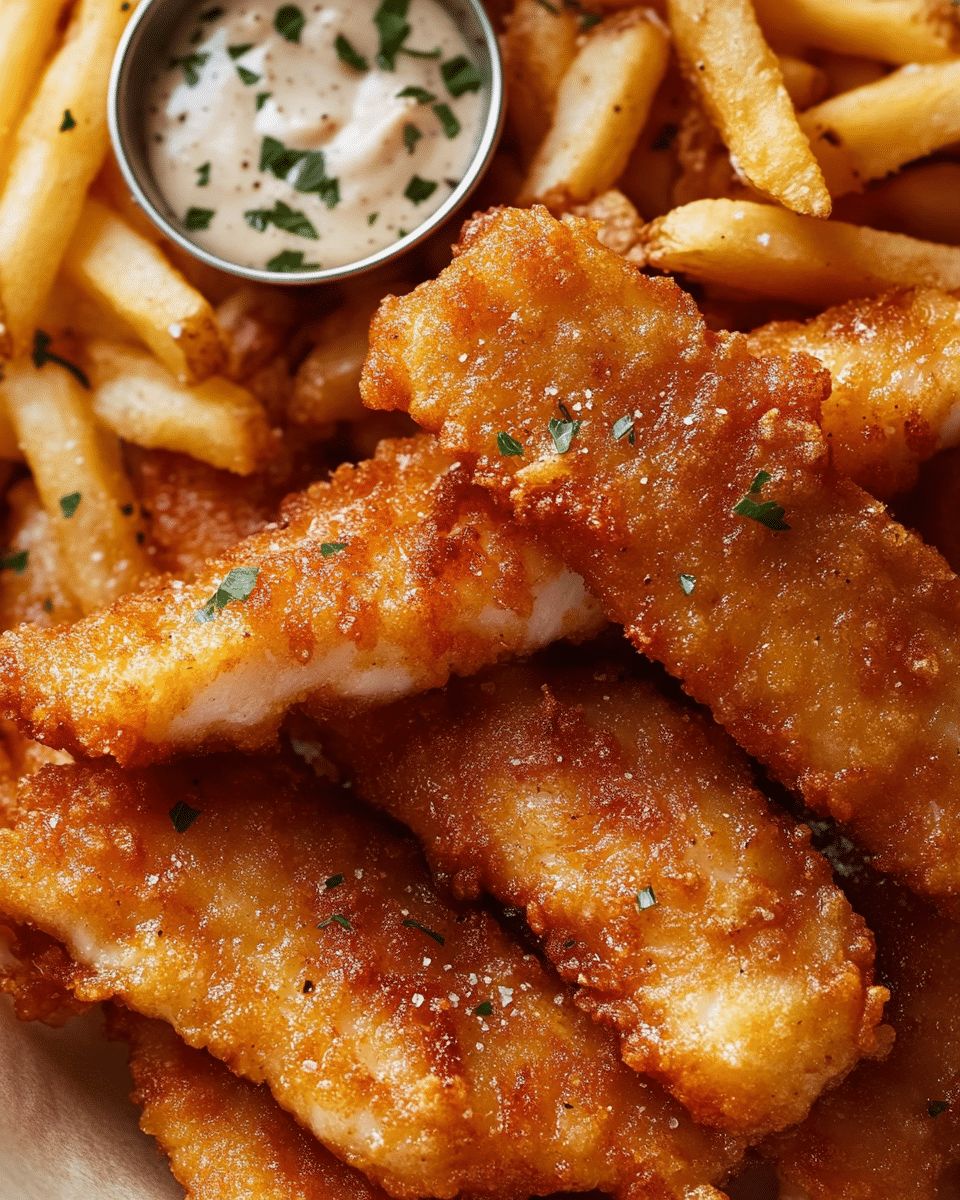
The Secret to Perfectly Crispy Fish Fillets and Golden Fries
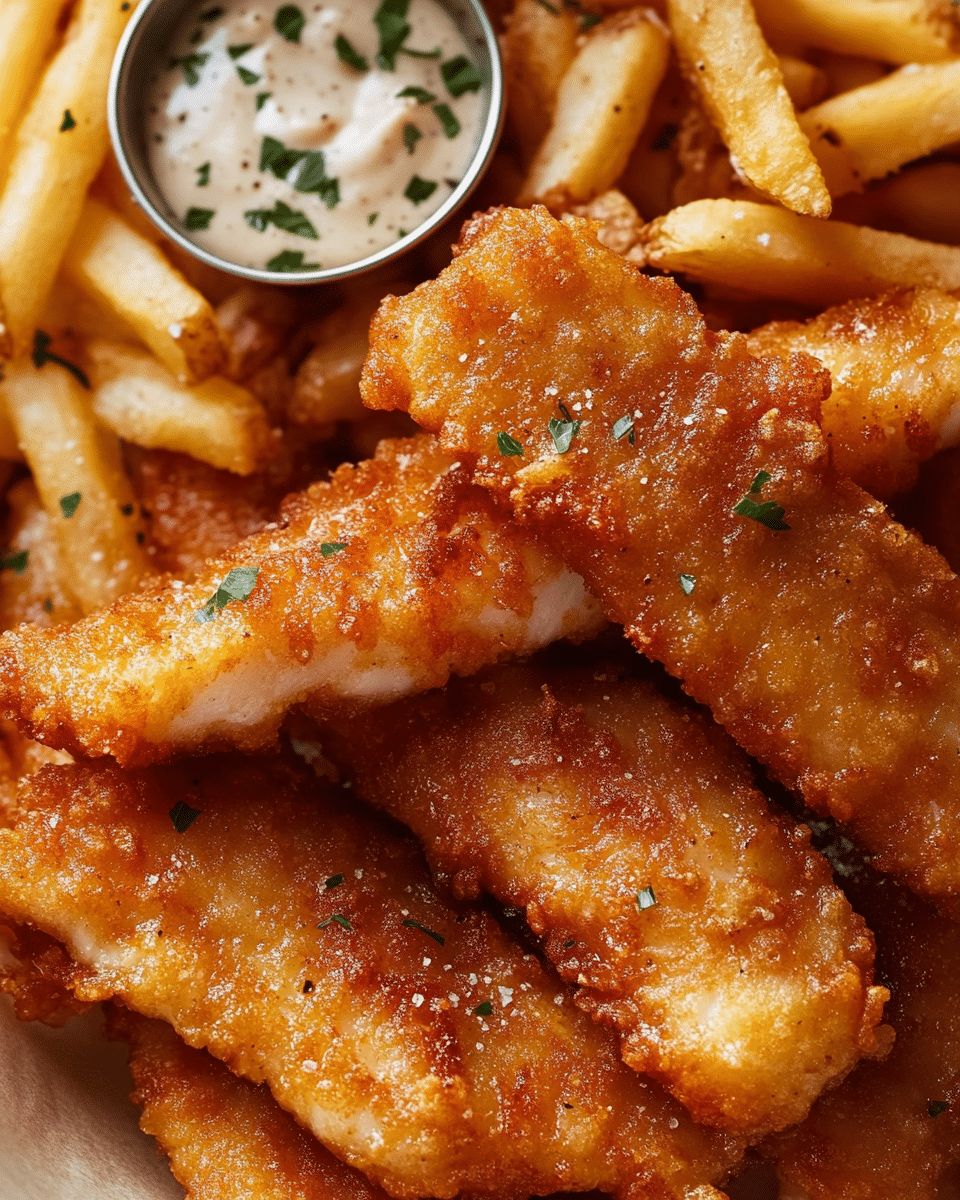
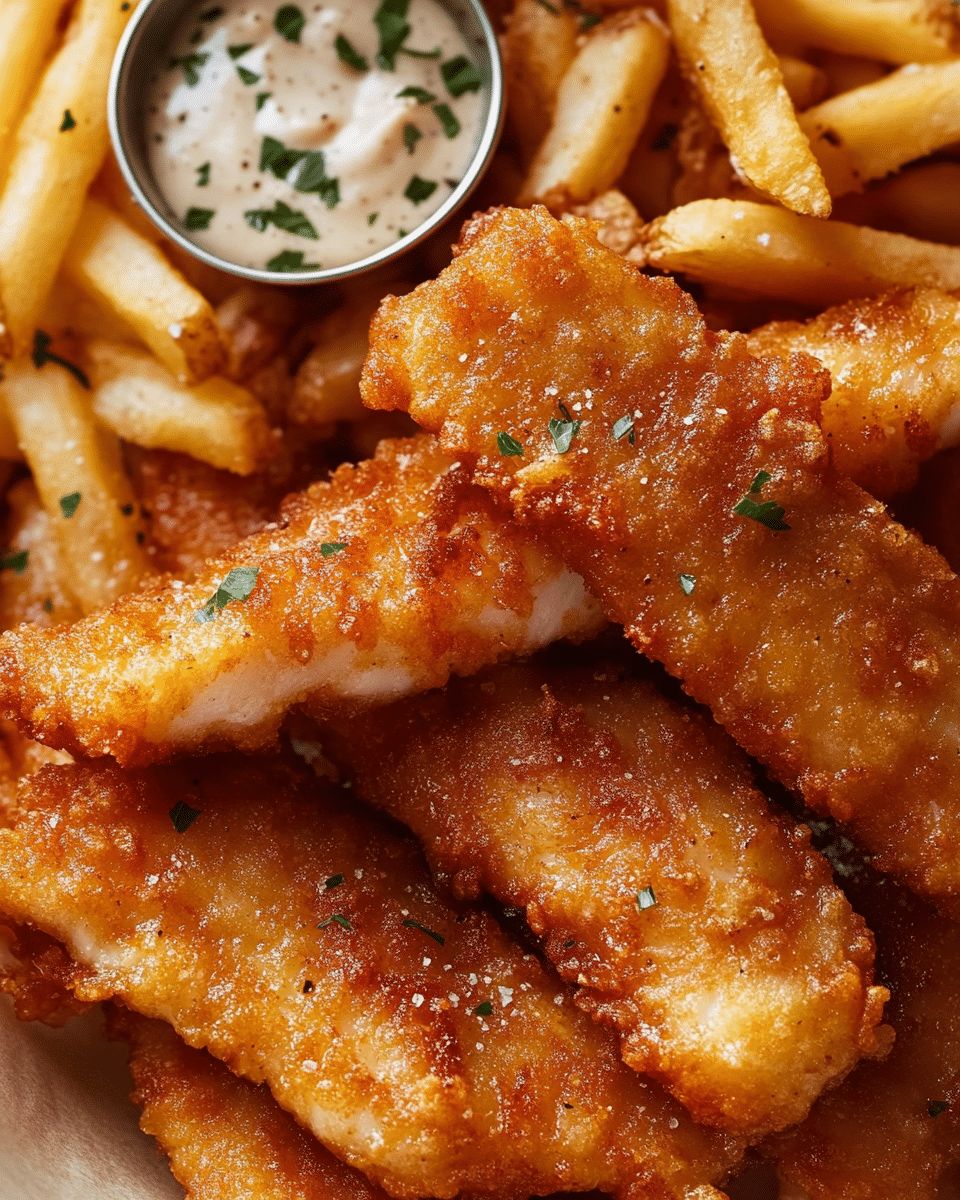
There is nothing quite like the comforting crunch of perfectly fried fish fillets paired with golden, hand-cut fries. This classic duo is the ultimate “fakeaway” meal, bringing the nostalgic flavors of seaside vacations and cozy pub dinners right to your dining table. Whether you are cooking for a hungry family or looking for a satisfying weekend treat, this recipe delivers restaurant-quality results in the comfort of your own kitchen.
The secret to achieving that signature shatteringly crisp coating lies in a simple yet effective batter made with cold beer and rice flour. In just 30 minutes, you can transform humble white fish fillets into a gourmet experience that rivals any professional kitchen. Get ready to master the art of the perfect fry and enjoy a meal that is as easy to prepare as it is delicious to eat.
Quick Answer: To achieve the ultimate crispy fish, use cold beer and rice flour in your batter for an airy, light texture. Maintain your oil at 375°F (190°C) and fry for approximately 3 minutes until golden brown. Pair with seasoned fries and a squeeze of lemon for the classic experience.
Why This Crispy Fish and Homemade Fries Recipe is a Game-Changer
Creating the perfect plate of fish and chips at home often feels like a daunting task reserved for professional fry cooks. However, this recipe simplifies the process without sacrificing the shatteringly crisp texture and succulent, flaky interior that defines a world-class meal. By understanding a few culinary secrets—like the role of carbonation and the importance of oil temperature—you can transform a simple weeknight dinner into a gourmet experience.
This recipe isn’t just about feeding your family; it’s about mastering a technique. We focus on a dual-flour system using both all-purpose and rice flour to ensure the coating remains light and airy rather than heavy and greasy. Whether you are a seasoned home cook or a beginner, these steps are designed to provide consistent, mouth-watering results every single time.
- Unbeatable Texture: The combination of rice flour and ice-cold beer creates a micro-bubbly crust.
- Time Efficiency: From prep to plate in just 30 minutes.
- Healthier Control: By frying at home, you choose high-quality oils and fresh fish, avoiding the mystery fats used in many fast-food outlets.
- Versatility: This batter works beautifully for shrimp, onion rings, or even seasonal vegetables.
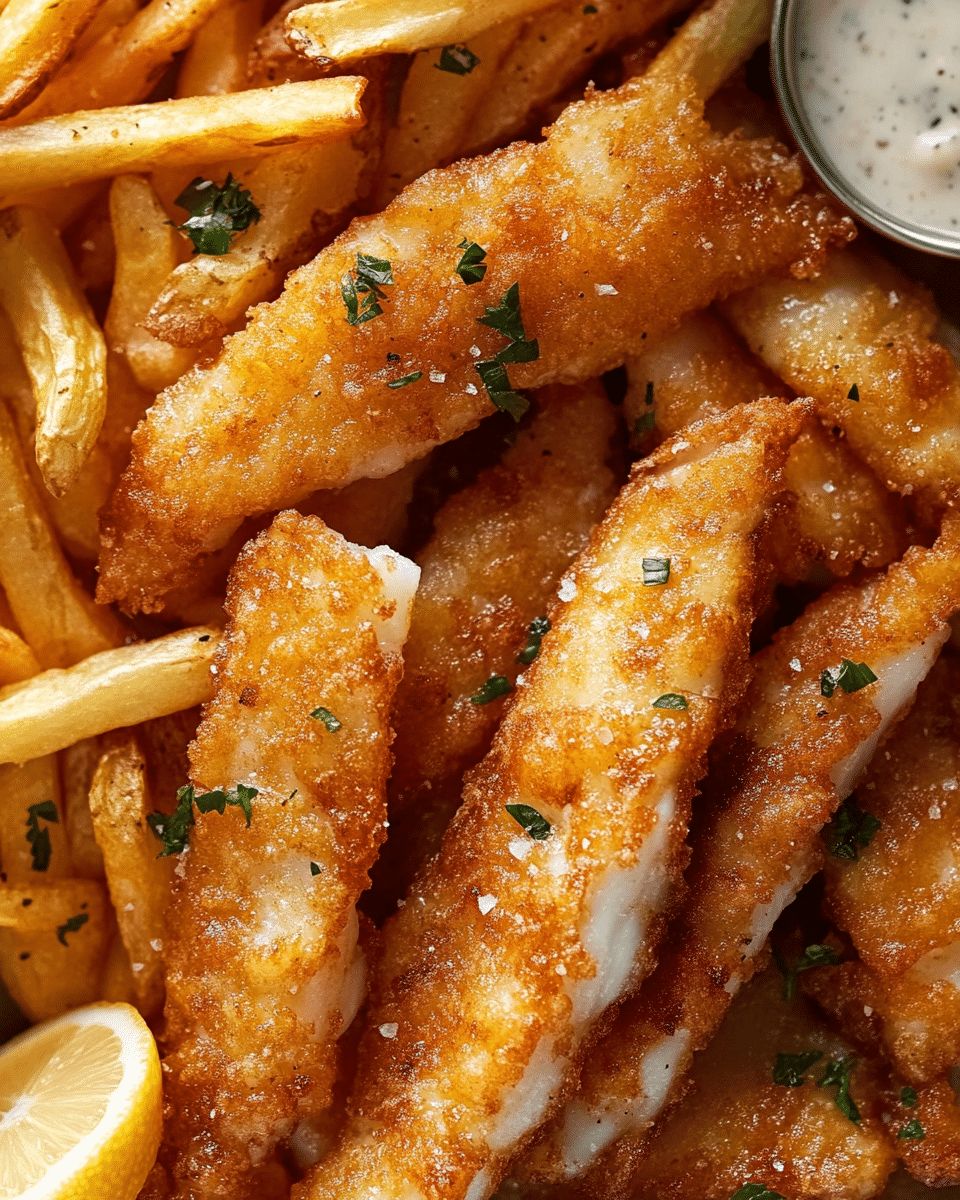
Mastering the Ingredients: What You Will Need
To achieve restaurant-quality results, the quality of your ingredients is paramount. Not all fish fillets are created equal, and the choice of oil can make or break the final flavor profile. Below, we break down the essentials into easy-to-manage categories.
Selecting the Best Fish for Frying
When choosing fish, look for white, lean, and firm-fleshed varieties. These types of fish hold up well under the high heat of deep frying and provide a beautiful contrast to the crunchy batter. Avoid oily fish like salmon or mackerel, as their strong flavors can clash with the batter and become overly heavy.
| Fish Variety | Flavor Profile | Texture |
|---|---|---|
| Cod | Mild and slightly sweet | Thick, large flakes; very moist |
| Tilapia | Very mild; neutral | Firm and thin; great for budget-friendly meals |
| Haddock | Slightly more flavorful than cod | Fine, tender flakes |
| Snapper | Nutty and sweet | Lean and firm; stays together well |
The Essential Pantry List
Beyond the fish, the magic happens in the batter and the dusting. Here is your shopping list for the ultimate crispy coating:
- White Fish Fillets: 1.4 lbs (700g), skinless and boneless.
- Rice Flour: 1/2 cup total (divided for dusting and batter). Pro tip: Rice flour is the secret to a non-soggy crust!
- All-Purpose Flour: 3/4 cup for the structure of the batter.
- Baking Powder: 1 1/4 tsp to provide lift and airiness.
- Ice-Cold Beer: 1 cup. Use a light lager or pilsner. The colder, the better!
- Frying Oil: 4-5 cups of Peanut, Canola, or Vegetable oil.
The Science of the Perfect Beer Batter
Why do we use beer instead of water or milk? It isn’t just for flavor. The carbon dioxide in the beer creates bubbles that expand as soon as the fish hits the hot oil, resulting in a light, lacy texture. Furthermore, the alcohol in the beer evaporates faster than water, which means the batter sets and crisps up before the fish can overcook.
Why Rice Flour Matters
While all-purpose flour provides the “bulk” of the batter, rice flour is a gluten-free addition that prevents the coating from becoming tough. Gluten develops when wheat flour is mixed with liquid; too much gluten leads to a bready, chewy texture. By substituting a portion with rice flour, we ensure the crust remains crisp and brittle.
The Importance of Temperature
We cannot stress this enough: Keep your ingredients cold and your oil hot. When cold batter meets hot oil, it creates a steam-explosion within the coating, puffing it out and preventing the oil from seeping into the fish. This is the difference between a greasy meal and a crispy masterpiece.
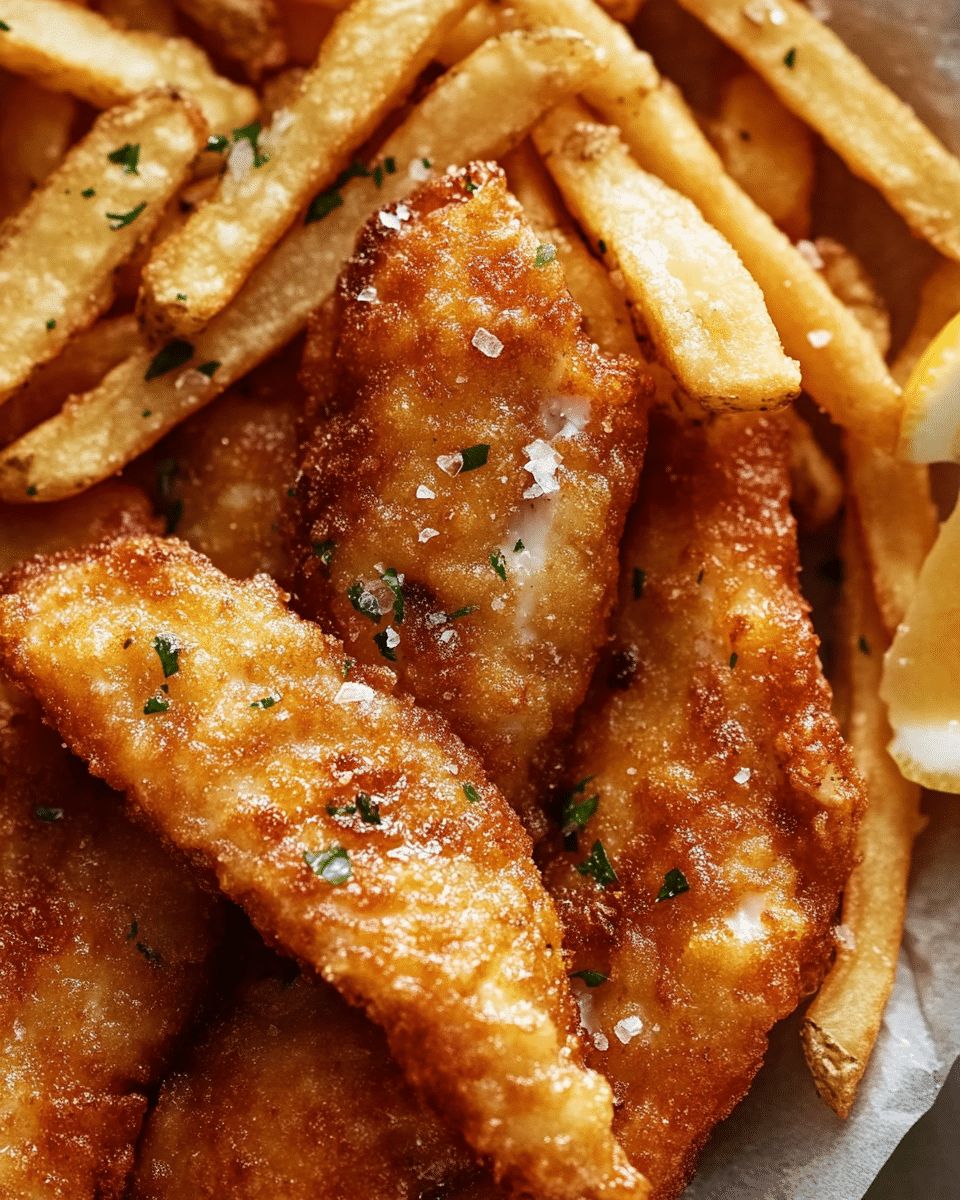
Step-by-Step Preparation Guide
Follow these steps precisely to ensure your fish fillets and fries come out perfectly golden and delicious.
Step 1: Preparing the Fish and Fries
Start by slicing your potatoes into even strips for the fries. Soak them in cold water for 15 minutes to remove excess starch, then pat them bone-dry. For the fish, pat the fillets dry with paper towels. Moisture is the enemy of crispiness. Cut the fillets into manageable 3 x 1¼ inch strips.
Step 2: The Two-Stage Dusting Process
Place your rice flour for dusting in a shallow bowl. Season your fish strips with a touch of salt, then dredge them in the flour. Shake off the excess until only a fine mist remains. Let the fish rest for 10 minutes; this allows the flour to bond with the natural moisture of the fish, creating a primed surface for the wet batter to cling to.
Step 3: Heating the Oil to the Sweet Spot
Using a heavy-bottomed pot or a deep fryer, heat your oil. You are aiming for exactly 375°F (190°C). If you don’t have a thermometer, drop a small bit of batter into the oil; if it sizzles and floats immediately, you’re ready.
| Oil Type | Smoke Point | Best For |
|---|---|---|
| Peanut Oil | 450°F | Deep frying; neutral flavor |
| Canola Oil | 400°F | General frying; affordable |
| Vegetable Oil | 400°F | All-purpose frying |
Step 4: Mixing the Batter
In a medium bowl, whisk your dry ingredients. Slowly pour in the ice-cold beer while whisking gently. Stop as soon as the flour is incorporated. A few small lumps are perfectly fine—over-whisking will develop gluten and make the batter tough.
Step 5: The Frying Technique
Dip a floured fish piece into the batter, let the excess drip for a second, and gently lay it into the oil away from you to avoid splashes. Fry for about 3-4 minutes. Do not crowd the pot, as this drops the oil temperature and leads to oil-logged fish. Once golden, remove and place on a wire rack or paper towels.
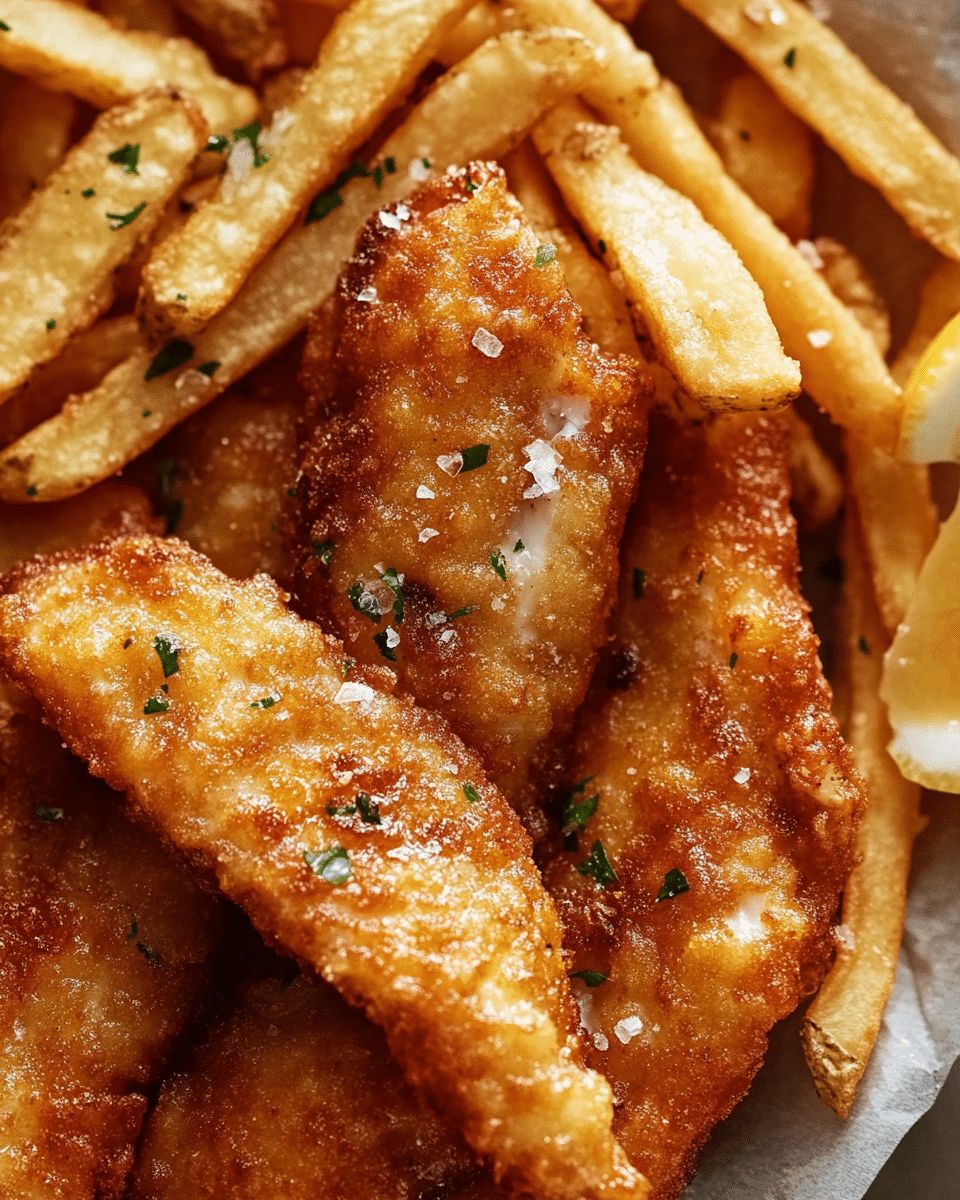
Pro-Tips for Success: Avoid Common Mistakes
Even with a great recipe, small errors can lead to soggy fish. Here is how the pros ensure a perfect batch every time:
- Don’t Overcrowd: Fry only 3-4 pieces at a time. Crowding the pot is the #1 cause of soggy fried food.
- Check the Thermometer: Oil temperature drops when you add food. Wait a minute between batches for the oil to return to 375°F.
- Use a Wire Rack: Instead of stacking fried fish on a plate, use a wire cooling rack. This allows air to circulate, preventing the bottom from becoming steamed and soft.
- Season Immediately: Sprinkle a little extra salt over the fish the second it comes out of the oil. The heat helps the salt crystals adhere to the crust.
The Secret to Homemade Fries
To get those fries truly “homemade” and crispy, try the double-fry method. Fry the potatoes once at a lower temperature (325°F) until soft but not brown. Remove them, turn the heat up to 375°F, and fry them a second time for 2 minutes until they turn dark gold and crunchy.
Perfect Pairings and Serving Suggestions
Crispy fish fillets are a canvas for bright, tangy flavors. While the fish is the star, the accompaniments complete the plate.
Classic Sauces
A tangy tartare sauce is the traditional choice, but don’t be afraid to experiment. A zesty remoulade or even a spicy sriracha mayo can add a modern twist to this classic dish.
Brighten it Up
Always serve with fresh lemon wedges. The acidity of the lemon cuts through the richness of the fried batter, refreshing your palate between bites. For an authentic British experience, serve with a side of mushy peas or a splash of malt vinegar over your fries.
Frequently Asked Questions (FAQs)
Can I make this recipe gluten-free?
Absolutely! Simply replace the all-purpose flour with a high-quality gluten-free flour blend. Since we already use rice flour, the transition is seamless. Just ensure your beer is also a gluten-free variety or swap it for sparkling water.
What is the best way to reheat leftovers?
To restore the crunch, avoid the microwave. Instead, place the fish and fries in an air fryer at 350°F for 3-5 minutes, or in a conventional oven at 375°F for about 8 minutes. This dries out the surface and brings back the original texture.
Can I use sparkling water instead of beer?
Yes. If you prefer a non-alcoholic version, unflavored sparkling water or club soda works perfectly. It provides the same carbonation needed to lift the batter and create those signature air pockets.
Is it possible to air fry this battered fish?
Wet batters are tricky in an air fryer as they tend to drip through the basket before they set. If you want to use an air fryer, we recommend a “breaded” style (flour-egg-panko) rather than a “battered” style for the best results.
You May Also Like
If you enjoyed mastering these crispy fish fillets, you may want to explore more delicious seafood and side dish recipes on our site: homemade tartare sauce, zesty grilled salmon, herb-crusted potato wedges, and easy seafood dinner ideas.
For more information on the history and cultural significance of this classic pairing, visit: Fish and Chips on Wikipedia.
Frequently Asked Questions
What is the best oil for deep frying fish?
For the best results, use an oil with a high smoke point and a neutral flavor. Peanut oil is widely considered the gold standard for frying fish because it can handle high temperatures without breaking down. Other excellent options include canola oil, sunflower oil, or vegetable oil blends.
Can I make this recipe without alcohol?
Yes, you can easily make a non-alcoholic version of this recipe. Simply replace the beer with ice-cold sparkling water or club soda. The carbonation is the key factor in creating those tiny air pockets that lead to a light, crispy crust, so the bubbles are more important than the alcohol content itself.
How do I keep the fried fish from getting soggy?
The most common cause of sogginess is placing hot, fried fish directly onto a flat plate where steam gets trapped underneath the crust. To maintain maximum crunch, always place your cooked fillets on a wire cooling rack set over a baking sheet. This allows air to circulate around the entire piece, keeping the bottom just as crispy as the top.
Final Thoughts
Mastering the art of crispy fish fillets and homemade fries is a rewarding culinary skill that brings the joy of a seaside feast directly to your home. By focusing on the temperature of your ingredients and using the secret combination of rice flour and carbonation, you can create a meal that surpasses the quality of your favorite local chippy. It is a simple, satisfying, and universally loved dish that never fails to impress.
We encourage you to take these techniques and make them your own. Whether you prefer a side of mushy peas, a heavy splash of malt vinegar, or a modern spicy dipping sauce, the foundation of perfectly fried fish remains the same. Gather your ingredients, heat up that oil, and enjoy the ultimate crunch of a job well done!

