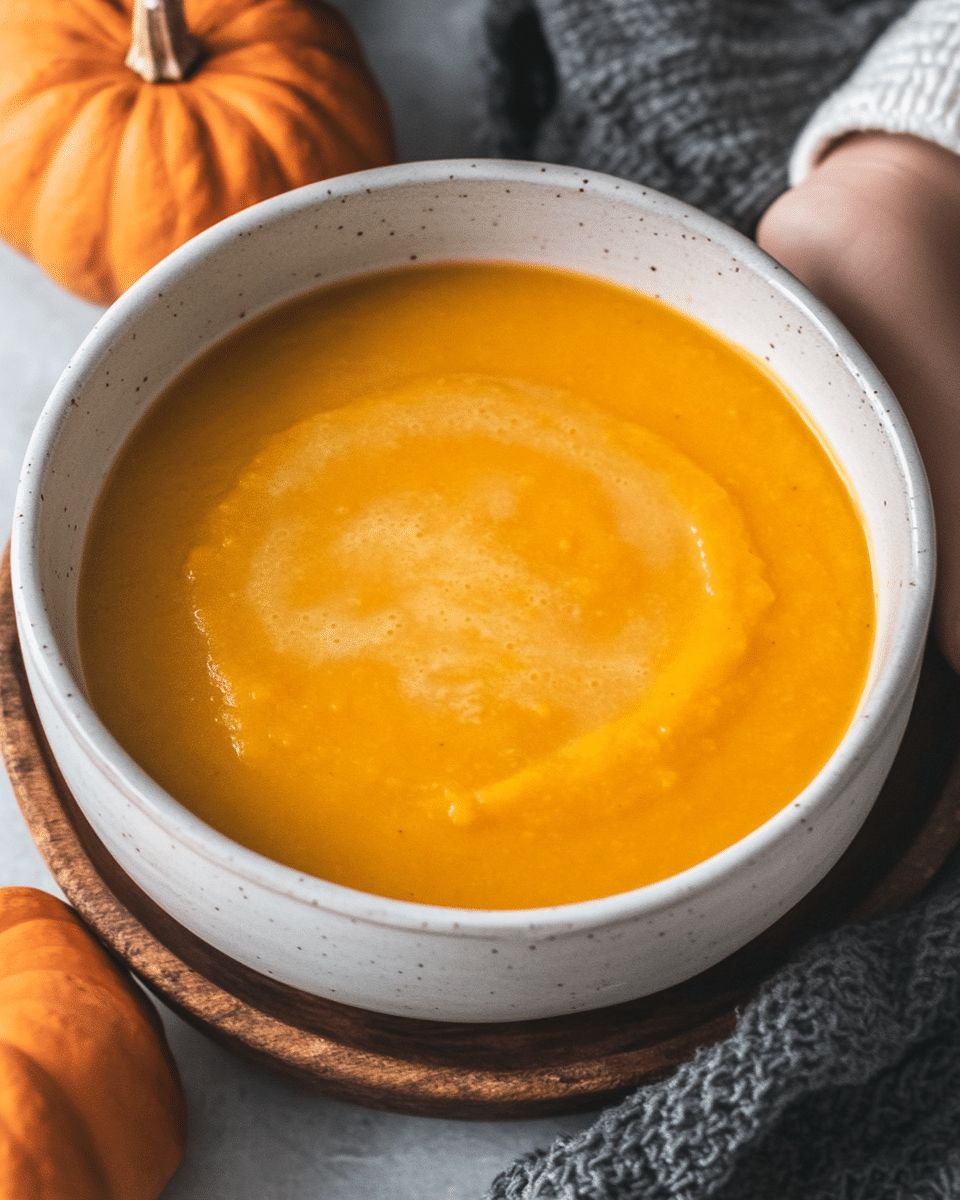
There is nothing quite like the soothing aroma of a warm pot of soup simmering on the stove to make a house feel like a home. As the seasons shift and the air turns crisp, Roasted Butternut Squash Soup stands out as the quintessential comfort meal. This dish isn’t just about sustenance; it’s about that velvety, rich texture and the deep, caramelized sweetness that only comes from roasting fresh squash to perfection.
Whether you are looking for a light yet satisfying lunch or an elegant starter for a dinner party, this recipe delivers a gourmet experience with minimal effort. Packed with Vitamins A and C, high in fiber, and naturally adaptable for vegan and gluten-free diets, it is a wholesome powerhouse that appeals to everyone at the table. In this guide, we will show you how to transform simple, earthy ingredients into a silky masterpiece that you’ll want to make on repeat.
Quick Answer: To make the best Roasted Butternut Squash Soup, roast the squash at 350°F (175°C) to caramelize its natural sugars, then blend with sautéed onions, stock, and cream cheese for a luxurious, velvety finish. It is a highly nutritious, fiber-rich meal that is easily made vegan by substituting dairy with coconut or cashew cream.
The Nutritional Power and Beauty of Butternut Squash
Before we pick up a knife, it is worth exploring why butternut squash is the undisputed champion of the autumn harvest. Botanically a fruit (but treated as a culinary vegetable), this winter squash is a nutritional powerhouse. Its deep orange flesh is a visual cue for its high beta-carotene content, which the body converts into Vitamin A to support vision and immune function.
Beyond its health credentials, the culinary appeal lies in its versatility. Butternut squash has a naturally sweet, nutty profile that becomes even more complex when exposed to high heat. Unlike boiling or steaming, roasting triggers the Maillard reaction—a chemical reaction between amino acids and reducing sugars that gives browned food its distinctive flavor. This is the secret to a soup that tastes “expensive” and deep rather than one-dimensional.
Nutritional Highlights (Per 1-Cup Serving)
| Nutrient | Amount | Daily Value (%) |
|---|---|---|
| Vitamin A | 1144 mcg | 127% |
| Vitamin C | 31 mg | 34% |
| Fiber | 7 g | 25% |
| Potassium | 582 mg | 12% |
| Magnesium | 59 mg | 15% |
Choosing and Preparing Your Star Ingredient
To achieve the best results, you must start with a high-quality squash. Look for one that feels heavy for its size and has a matte, beige skin. A shiny skin often indicates that the squash was picked too early and may not be as sweet. Ensure there are no deep bruises or soft spots, which can affect the overall flavor of your soup.
Preparing a large butternut squash can be intimidating due to its hard exterior. Always use a sharp chef’s knife and a stable cutting board. A pro tip is to slice a small piece off the bottom to create a flat, stable surface before attempting to cut it lengthwise. Once halved, use a metal spoon to scrape out the seeds and stringy bits.
Chef’s Insight: Do not discard the seeds! Just like pumpkin seeds, butternut squash seeds can be rinsed, dried, tossed with a little olive oil and salt, and roasted for a crunchy, protein-rich snack or a perfect soup garnish.
Essential Ingredients for a Silky Masterpiece
While the squash is the star, the supporting cast determines the final texture and “mouthfeel” of the soup. We use a combination of aromatics and high-quality fats to create a layered experience. Below is the breakdown of why each ingredient matters:
- Butternut Squash: Provides the body, sweetness, and vibrant color.
- Large White or Yellow Onion: Sautéing these until translucent provides a savory backbone to balance the squash’s sugar.
- Chicken or Vegetable Stock: Stock is preferred over water as it introduces umami. For a cleaner taste, use a low-sodium version.
- Extra Virgin Olive Oil: Essential for the roasting process and for blooming the flavors of the onion.
- Cream Cheese: The “secret” ingredient. It adds a tanginess that cuts through the sweetness and creates a professional, velvety finish.
Flavor Variations for Every Palate
If you want to move beyond the classic recipe, consider these easy swaps to change the entire mood of the dish:
- The Savory Herb Twist: Add fresh sage or thyme during the simmering stage. Sage and butternut squash are a classic culinary pairing.
- The Autumn Spice Twist: A pinch of nutmeg or cinnamon heightens the natural warmth of the squash.
- The Zesty Kick: Add a tablespoon of freshly grated ginger to the onions to provide a bright, spicy contrast.
The Art of Roasting: Temperature and Timing
Roasting is the most critical step in this recipe. We recommend a temperature of 350°F (175°C). While some recipes suggest higher heat, 350°F allows the squash to cook through completely and caramelize gently without burning the exterior. This ensures the flesh remains moist and easy to scoop.
By placing the squash cut-side down on the baking sheet, you create a mini steam chamber. The trapped moisture cooks the flesh to a buttery consistency, while the direct contact with the pan creates those beautiful, dark brown caramelized edges that provide the “roast” flavor.
How to Tell When It’s Done
- The skin should look slightly shriveled and browned.
- A fork should glide through the thickest part of the neck with zero resistance.
- The kitchen should smell distinctly sweet and nutty.
The Cooking Process: Sauté, Simmer, and Blend
Once your squash is roasted and cooled enough to handle, the transition from vegetable to soup begins. This stage is all about building layers. We start with the onions, which should be cooked slowly. You aren’t looking for dark caramelization here; you want them translucent and soft.
When you add the stock and the scooped squash, the goal is to let them “marry.” Simmering for 15 minutes allows the stock to penetrate the roasted fibers of the squash, making it even easier to blend into a perfectly smooth liquid.
Mastering the Blend
The texture of your soup is what elevates it from home-style to restaurant-quality. You have two primary options for blending:
- Immersion (Stick) Blender: This is the safest and most convenient method. You can blend directly in the pot, which means fewer dishes and less risk of spilling hot liquid.
- Standard Upright Blender: This usually produces the smoothest results. However, you must be careful. Never fill a blender more than halfway with hot liquid, as the steam can blow the lid off. Blend in small batches and hold the lid down with a kitchen towel.
Dietary Adaptations: Vegan and Dairy-Free
One of the reasons this soup is a crowd favorite is how easily it accommodates different dietary needs. Because the roasted squash is naturally creamy, you don’t actually need dairy to achieve a satisfying texture.
The Best Vegan Substitutes
| Original Ingredient | Vegan Alternative | Resulting Flavor Profile |
|---|---|---|
| Cream Cheese | Full-fat Coconut Milk | Tropical and very rich. |
| Cream Cheese | Cashew Cream | Neutral, nutty, and very thick. |
| Chicken Stock | Vegetable Stock | Lighter, more herb-forward. |
| Butter (optional) | Coconut Oil | Subtle sweetness. |
Storage, Reheating, and Meal Prep
This soup is a dream for meal preppers. In fact, many people argue it tastes even better the next day after the spices and aromatics have had time to fully develop. When stored in an airtight container, it will stay fresh in the refrigerator for up to 5 days.
Freezing Instructions
If you have made a large batch, you can freeze this soup for up to 3 months. Note: If you plan on freezing it, it is best to freeze the soup before adding the cream cheese or dairy. Dairy can sometimes separate or become grainy when thawed. Simply reheat the frozen base and whisk in your cream or cheese once it is hot.
Quick Tip: When reheating on the stove, the soup may have thickened significantly. Add a splash of stock or water to loosen it back to your desired consistency.
Final Touches: Garnishing Like a Pro
Never underestimate the power of a garnish. Since the soup is a uniform color and texture, adding “toppings” provides necessary visual contrast and textural variety. Here are a few combinations to try:
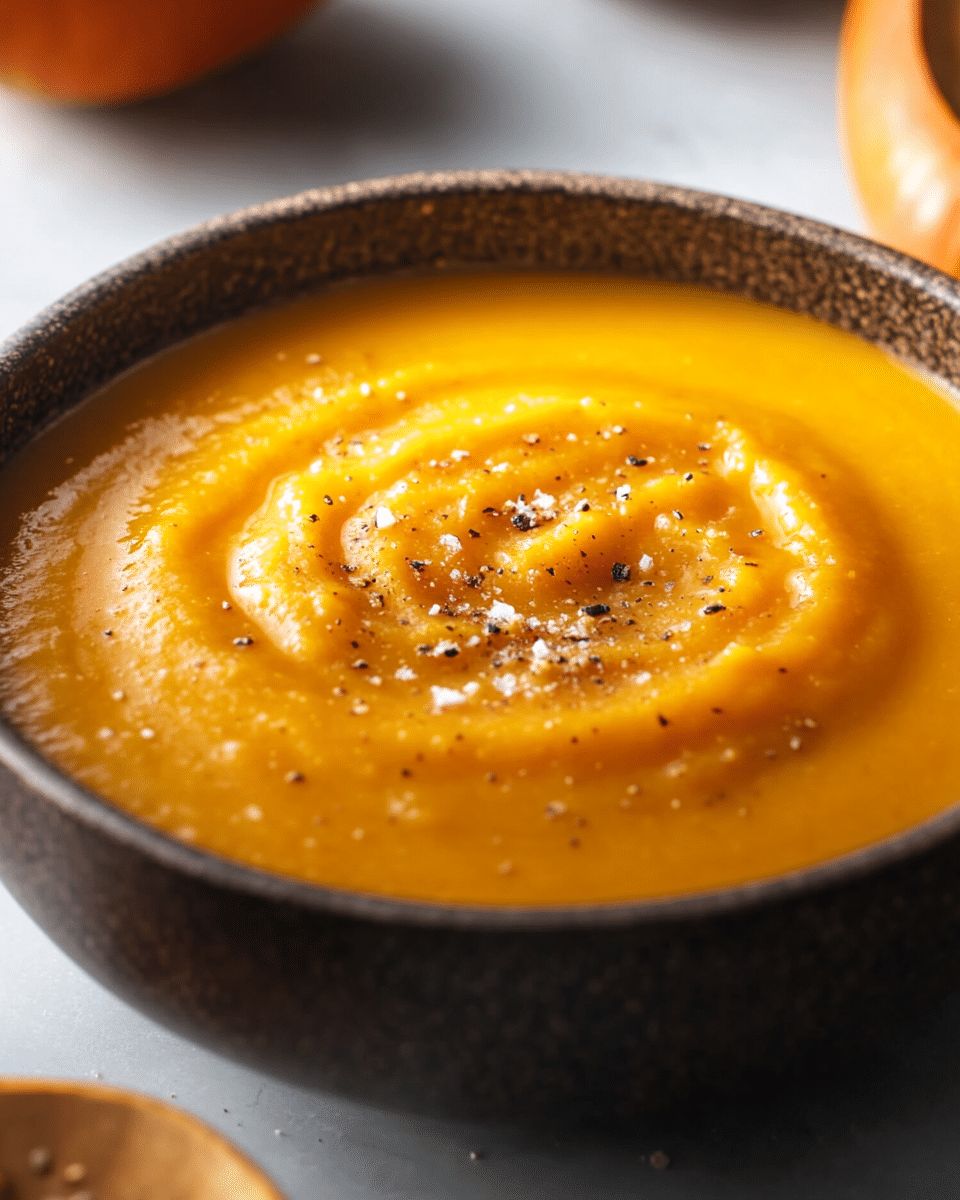
- The Classic: A swirl of heavy cream, a few roasted pepitas (pumpkin seeds), and a crack of fresh black pepper.
- The Sophisticated: A drizzle of brown butter and a single fried sage leaf.
- The Hearty: Crispy bacon bits and a handful of sourdough croutons.
- The Bright: A dollop of Greek yogurt or sour cream and finely chopped chives.
You May Also Like
If you enjoyed this recipe, you might find these guides helpful: Healthy Vegetarian Soup Ideas, Classic Autumn Recipes, Expert Meal Prep Tips, and Quick Healthy Dinner Inspiration.
For more technical details on the star ingredient, visit: Butternut Squash – Wikipedia
Frequently Asked Questions
Can I freeze this soup for later?
Yes! Roasted butternut squash soup is an excellent candidate for long-term storage. You can freeze it in an airtight container for up to 3 months. If you are meal prepping, consider freezing it in individual portions for easy reheating.
Pro Tip: If you plan to freeze the soup, add the cream cheese after thawing and reheating to ensure the texture remains perfectly smooth and doesn’t separate.
How can I make this recipe completely vegan?
To create a plant-based version, simply substitute the chicken stock with high-quality vegetable broth. Instead of cream cheese, use full-fat coconut milk or cashew cream. The roasted squash provides so much natural body that it will still feel incredibly indulgent.
Do I need to peel the squash before roasting?
Not at all! One of the best things about roasting is that it eliminates the difficult task of peeling a raw squash. Simply slice the squash in half, roast it, and once it is tender, the flesh will scoop right out of the skin with a spoon.
Storage and Shelf Life
To help you manage your leftovers, refer to this quick guide on how to store your homemade soup safely:
| Storage Method | Recommended Duration | Best Reheating Practice |
|---|---|---|
| Refrigerator | 4–5 Days | Microwave or Stovetop over medium heat |
| Freezer | 3 Months | Thaw overnight in fridge before reheating |
Final Thoughts
Mastering a Roasted Butternut Squash Soup is more than just learning a recipe; it is about bringing a sense of warmth and nourishment into your home. This soup perfectly balances the earthy sweetness of autumn harvest with a silky, gourmet texture that feels like a hug in a bowl. It is versatile, nutrient-dense, and simple enough for a Tuesday night while remaining sophisticated enough for a holiday feast.
As you serve your creation, remember that the final flourishes make all the difference. Try adding a variety of textures to your bowl:
- A sprinkle of toasted pumpkin seeds for crunch.
- A drizzle of extra virgin olive oil for richness.
- A few leaves of fresh fried sage for an aromatic finish.
We hope this recipe becomes a staple in your kitchen. Enjoy every spoonful of this homemade comfort!