You’ve had a long day. Work ran late, your energy is dipping, and the last thing you want to do is face a mountain of dishes or a complex recipe. But before you reach for the takeout menu again, consider this: you are only 35 minutes away from a wholesome, flavor-packed meal that rivals any restaurant dish. This Ginger Soy Chicken Stir-Fry is designed for real life, bringing bold, professional-grade flavors to your kitchen table without the stress.
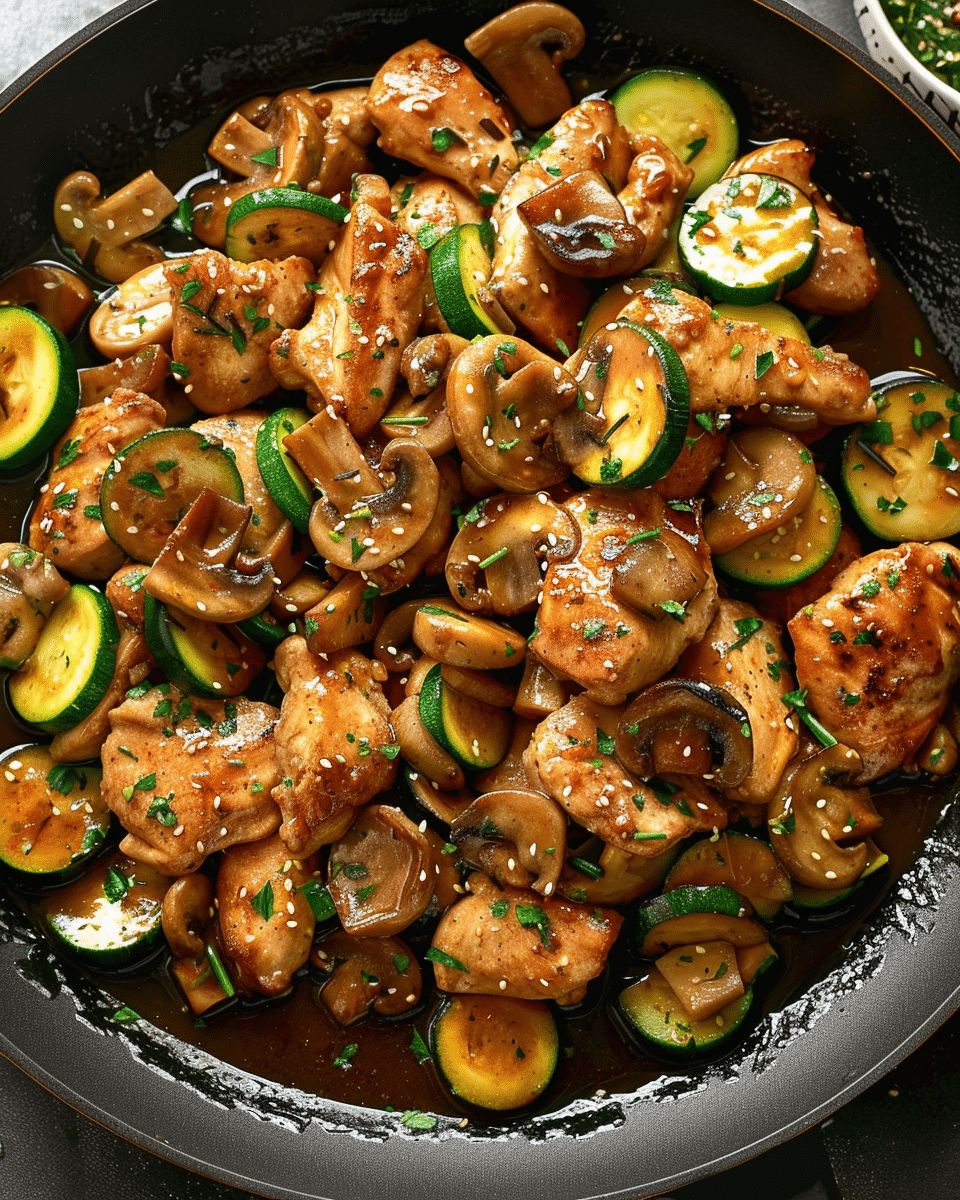
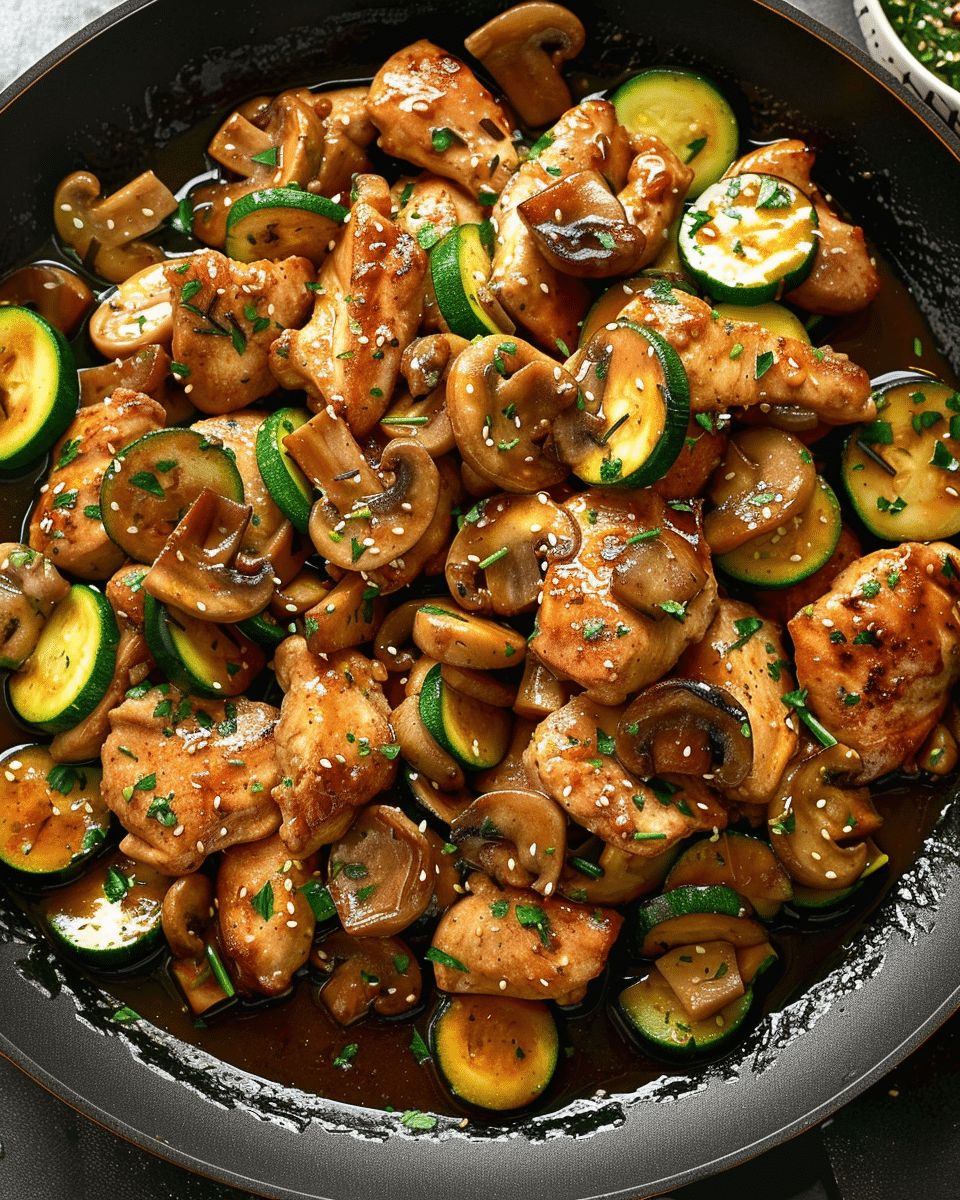
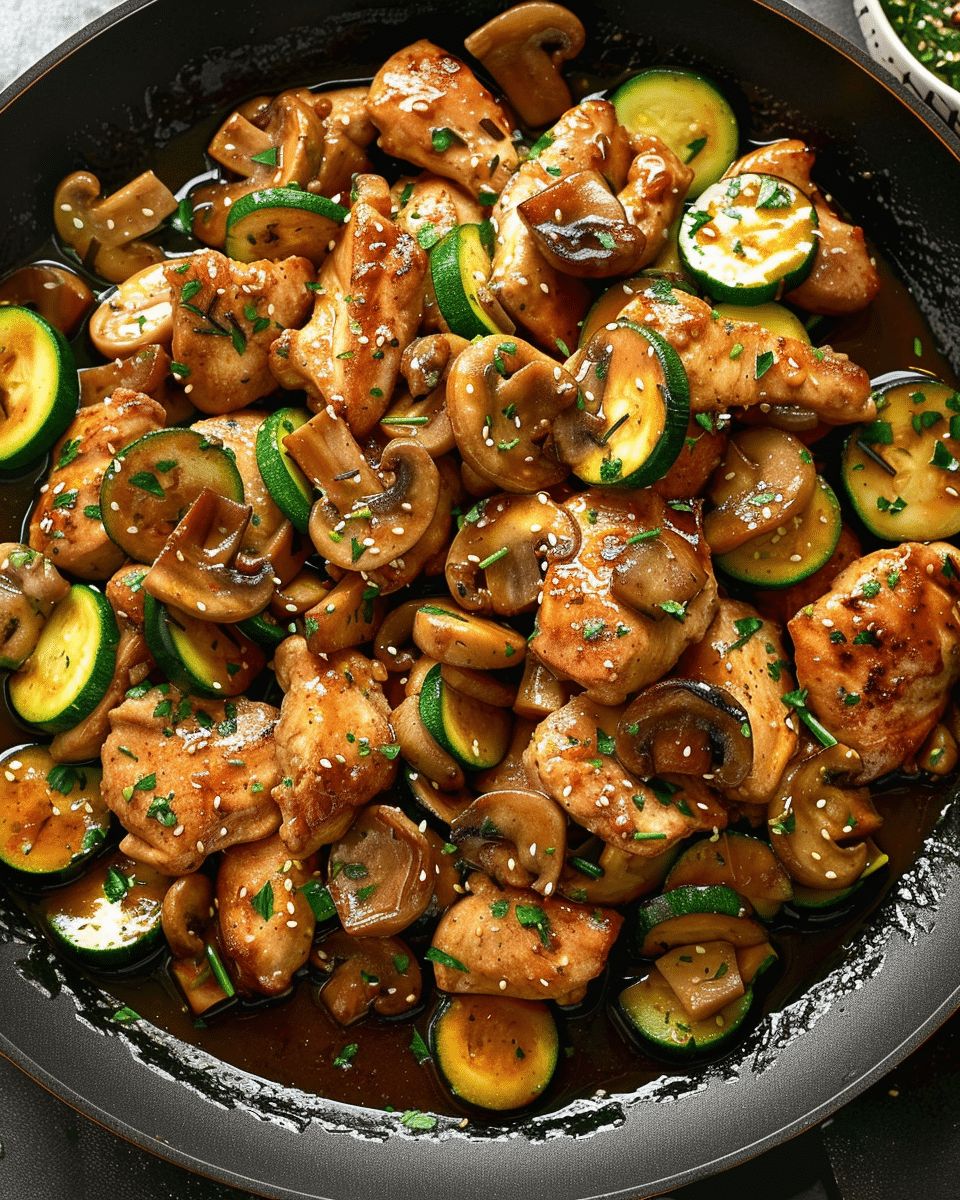
This dish is the ultimate solution for weeknight exhaustion—fast, nutritious, and incredibly satisfying. Imagine tender chicken breast glazed in a savory-sweet sauce with aromatic bursts of fresh garlic and ginger, tossed alongside crisp-tender mushrooms and zucchini. It’s the kind of recipe that feels like a reward at the end of a demanding day rather than a chore. Whether you’re cooking for a hungry family or prepping your meals for the week, this stir-fry is about to become your new reliable favorite.
Quick Answer: This Ginger Soy Chicken Stir-Fry is a fast, 35-minute meal featuring thinly sliced chicken marinated in soy and sesame, seared to perfection, and tossed with fresh vegetables in a glossy, savory-sweet ginger sauce. It is a high-protein, healthier alternative to takeout that uses simple pantry staples.
Why This Ginger Soy Chicken Stir-Fry Is a Weeknight Game-Changer
We have all been there: the clock hits 6:00 PM, the fridge looks uninspiring, and the temptation to order takeout is at an all-time high. However, this Ginger Soy Chicken Stir-Fry is the perfect antidote to dinner fatigue. It isn’t just a recipe; it’s a reliable system for putting a high-quality, nutritious meal on the table in under 40 minutes.
The beauty of this dish lies in the velveting technique—using cornstarch in the marinade to ensure the chicken stays incredibly tender while searing at high heat. Combined with the aromatic punch of fresh ginger and the deep umami of oyster sauce, you get a profile that is balanced, sophisticated, and infinitely better than anything that comes in a cardboard box.
The Benefits of Cooking at Home
- Full Ingredient Transparency: You control the quality of the oils and the amount of sodium used.
- Cost-Effective: Feed a family of four for a fraction of the price of a single restaurant entree.
- Customizable Nutrition: Easily double the veggies or swap the protein to fit your dietary goals.
Essential Ingredients and Prep Work
Success in stir-frying is 90% preparation. Because the actual cooking process happens in a matter of minutes over high heat, you must have your Mise en Place (everything in its place) ready before you turn on the stove. This means slicing your chicken, chopping your vegetables, and whisking your sauce components in advance.
The Main Components
Below is the breakdown of what you will need to gather for the base of the dish. Each ingredient serves a specific purpose, from the crunch of the zucchini to the aromatic depth of the garlic.
| Main Ingredient | Quantity/Format | Purpose |
|---|---|---|
| Chicken Breast | 1 lb (500g), thinly sliced | Lean, high-quality protein base |
| Vegetable Oil | 2 tbsp | High smoke point for searing |
| Mushrooms | 2 cups, quartered | Earthiness and meaty texture |
| Zucchini | 1 large, half-circles | Freshness and vibrant color |
| Fresh Garlic | 3 cloves, minced | Essential aromatic base |
| Fresh Ginger | 1 tsp, minced | The “zing” that defines the dish |
The “Secret Weapon” Marinade
Do not skip the marinade. Even 20 minutes makes a massive difference in the final texture of the chicken. The cornstarch creates a protective barrier that locks in moisture during the high-heat sear.
- Light Soy Sauce: 2 tablespoons
- Rice Vinegar: 1 tablespoon
- Sesame Oil: 1 tablespoon
- Cornstarch: 2 tablespoons
Step-by-Step Cooking Instructions
To achieve that authentic “Wok Hei” (breath of the wok) flavor at home, follow these steps in order. If you don’t have a wok, a large stainless steel or cast-iron skillet will work beautifully as long as it can hold high heat.
1. Marinate and Infuse
In a medium mixing bowl, whisk together the soy sauce, vinegar, sesame oil, and cornstarch. Toss the chicken slices into the mixture, ensuring every piece is coated. Let this sit at room temperature for at least 20 minutes while you prep your vegetables. For a deeper flavor profile, you can marinate the chicken in the refrigerator for up to 4 hours.
2. Master the Stir-Fry Sauce
In a separate small bowl, combine the following ingredients. Whisk until the sugar and cornstarch are completely dissolved.
| Sauce Ingredient | Amount |
|---|---|
| Water | 1/2 cup |
| Light Soy Sauce | 1/4 cup |
| Oyster Sauce | 2 tbsp |
| Rice Vinegar | 1 tbsp |
| Brown Sugar | 2 tsp |
| Cornstarch | 1 tbsp |
3. Searing the Protein
Heat your oil until it is shimmering and just starting to whisps of smoke. Add the chicken in a single layer. Let it sear undisturbed for 1-2 minutes to develop a golden-brown crust. Flip and cook for another minute until just opaque, then remove the chicken from the pan. Keeping the chicken slightly underdone at this stage prevents it from becoming rubbery later.
4. Working the Vegetables
Wipe the skillet if needed, add a tiny drop more oil, and toss in the mushrooms and zucchini. Cook on high for 2-3 minutes. You want the vegetables to be crisp-tender—vibrant and crunchy, not mushy.
5. The Final Assembly
Reduce the heat slightly and return the chicken to the pan. Add the minced garlic and ginger now. Cooking them at the very end prevents the garlic from burning and turning bitter. Pour in your prepared sauce and stir constantly. Within 60 seconds, the cornstarch will activate, turning the liquid into a glossy, thick glaze that clings to every ingredient.
Expert Tips for the Perfect Stir-Fry
Cooking at high temperatures requires precision. Here are three professional tips to elevate your stir-fry from “good” to “gourmet.”
Don’t Crowd the Skillet
If you put too much cold meat into a hot pan at once, the temperature drops instantly. Instead of searing, the meat will release its juices and begin to steam, resulting in grey, tough chicken. If necessary, sear your chicken in two separate batches.
Uniform Cutting is Key
Try to cut your chicken and zucchini into pieces of similar size. This ensures that everything cooks at the same rate, preventing a situation where your chicken is overcooked while your zucchini is still raw in the middle.
Balance Your Flavors
If the final dish feels too salty, add a squeeze of fresh lime juice or an extra teaspoon of brown sugar. The acidity or sweetness will help cut through the sodium of the soy sauce.
Make It Your Own: Variations and Swaps
One of the reasons we love this recipe at cookwithfeast.com is its incredible versatility. Use the base sauce and technique, but feel free to swap the components based on what you have in your pantry.
Vegetable Variations
- Snap Peas: Add these during the last minute of vegetable cooking for a sweet crunch.
- Bell Peppers: Red or yellow peppers add great color and a subtle sweetness.
- Broccoli Florets: Blanch them for 60 seconds in boiling water before stir-frying to ensure the stems are tender.
Protein Alternatives
- Shrimp: Swap the chicken for peeled and deveined shrimp. They only need about 90 seconds of total cook time!
- Tofu: Use extra-firm tofu, pressed to remove moisture, and sear until crispy.
- Beef: Use flank steak or sirloin, sliced very thinly against the grain.
Serving and Storage
This stir-fry is best served piping hot, immediately after the sauce has thickened. However, it also makes for an excellent meal-prep option.
The Best Sides
- Jasmine Rice: The floral aroma complements the ginger perfectly.
- Rice Noodles: Toss the finished stir-fry directly with cooked noodles for a “chow mein” style dish.
- Cauliflower Rice: A fantastic low-carb alternative that soaks up the extra sauce beautifully.
Storage Instructions
| Method | Duration | Best Practice |
|---|---|---|
| Fridge | 3 Days | Store in an airtight glass container to keep veggies crisp. |
| Freezer | 2 Months | Freeze in individual portions; thaw overnight in the fridge. |
When reheating, we recommend using a skillet over medium heat with a splash of water or chicken broth to “loosen” the sauce back to its original silky consistency.
You May Also Like
If you enjoyed this quick and healthy dinner, explore more recipes on our blog: Cajun Shrimp Pasta, Cheesy Chicken Casseroles, Classic Meatloaf, and Easy Weeknight Stir-Fries.
To learn more about the history and techniques of this cooking style, check out the guide on Stir Frying at Wikipedia.
Frequently Asked Questions
How do I keep my stir-fry chicken from getting tough?
The secret is velveting. By coating the chicken in a mixture of cornstarch and soy sauce before cooking, you create a protective layer that locks in moisture. Additionally, always sear the chicken quickly over high heat and remove it from the pan once it is just cooked through to avoid overcooking while the vegetables sauté.
Can I make this Ginger Soy Chicken Stir-Fry gluten-free?
Yes, you can easily adapt this recipe. Simply substitute the light soy sauce with Tamari or liquid aminos, and ensure your oyster sauce is labeled as gluten-free. Since cornstarch is naturally gluten-free, the rest of the thickening process remains the same.
What are the best vegetables to add if I don’t have zucchini or mushrooms?
Stir-frys are incredibly versatile! You can use broccoli florets, bell peppers, snap peas, or shredded carrots. If using harder vegetables like broccoli, consider blanching them in boiling water for one minute before adding them to the skillet to ensure they reach the perfect crisp-tender texture.
Final Thoughts
Mastering the Ginger Soy Chicken Stir-Fry is about more than just a single meal; it is about reclaiming your weeknight routine. By using fresh aromatics and the right searing techniques, you can create a dish that is not only faster than delivery but significantly more rewarding. It is a balanced, high-protein staple that proves healthy eating doesn’t have to be complicated or time-consuming.
We invite you to bring these bold flavors into your kitchen tonight. Don’t forget to save this recipe to your favorites on cookwithfeast.com and share your results with us. Whether you serve it over jasmine rice or low-carb cauliflower rice, this is one recipe you will definitely make on repeat!