
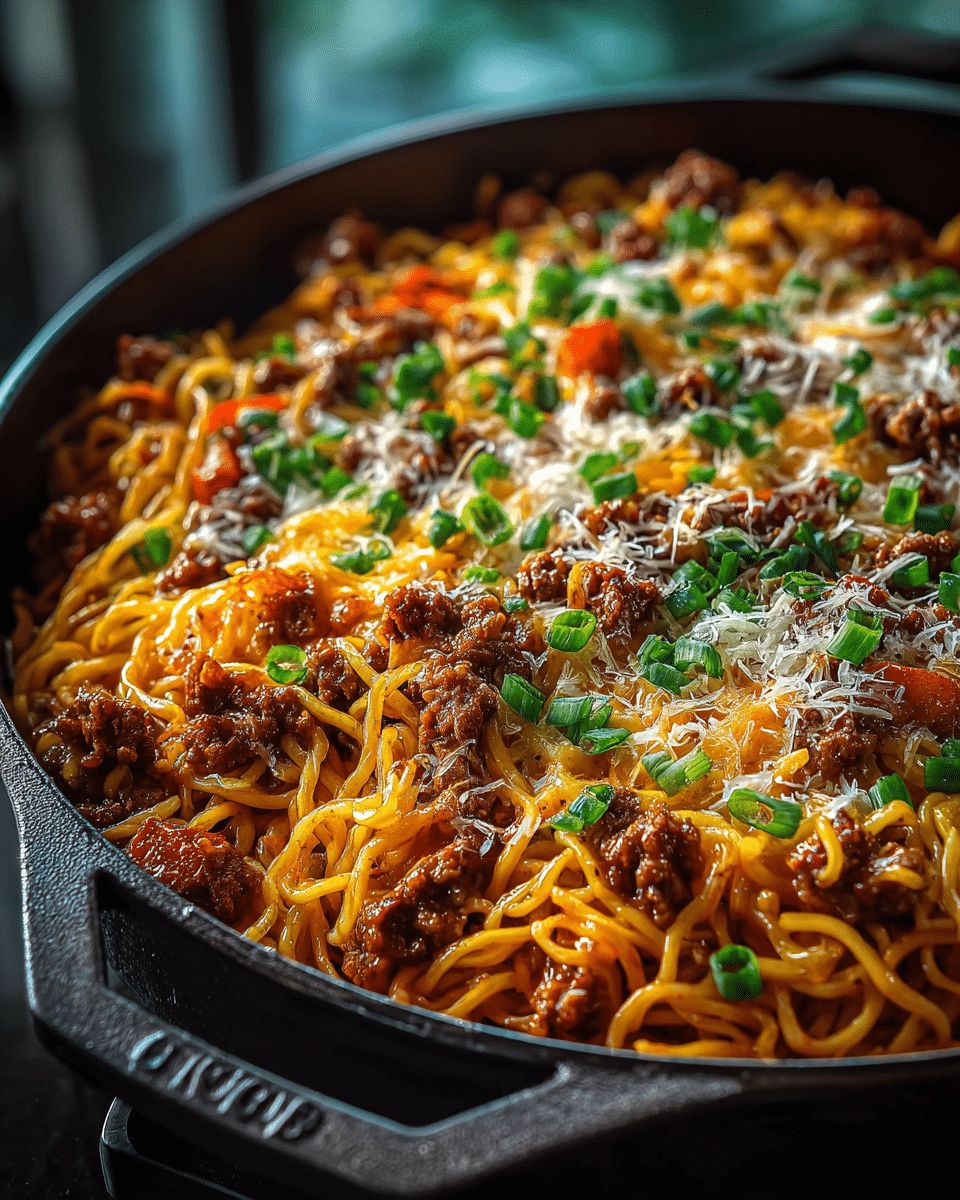
There’s something truly magical about a dish that brings everyone to the table, a meal that combines comfort, flavor, and a touch of creativity. Imagine the aroma of sizzling beef mingling with garlic, ginger, and freshly sautéed vegetables while the noodles soak up every bit of that savory sauce. That’s exactly what you get with Ground Beef Chow Mein Casserole—a delightful twist on the classic Asian-inspired dish that’s perfect for busy weeknights, meal prep, or feeding a hungry crowd.
If you’ve ever struggled to find a dinner that’s quick, satisfying, and loved by children and adults alike, this casserole is about to become your new kitchen staple. It’s warm, customizable, and packed with nutritious vegetables. In this guide, we will break down how to achieve the perfect texture and flavor profile to ensure this dish becomes a requested favorite in your household.

Quick Answer: Ground Beef Chow Mein Casserole is a one-pan fusion meal that blends the savory umami of traditional stir-fry with the hearty convenience of a baked dish. By combining lean ground beef, aromatic ginger, crisp cabbage, and tender noodles, you create a nutritionally balanced dinner that is ready in under an hour.
Why You’ll Love This Ground Beef Chow Mein Casserole
Before we dive into the technical steps of the recipe, it is essential to understand why this dish has earned a permanent spot in the rotation of home cooks across the country. The Ground Beef Chow Mein Casserole is a masterclass in culinary fusion, blending the nostalgic comfort of a classic Midwestern bake with the vibrant, umami-forward profiles of traditional Cantonese stir-fry. It is the ultimate solution for those evenings when you crave the complexity of takeout but require the “set-it-and-forget-it” convenience of a casserole.
One of the primary draws of this recipe is its exceptional versatility. Unlike traditional chow mein, which requires constant attention over a high-heat wok, this version allows the flavors to meld and deepen within the oven. This baking process ensures that every strand of noodle is infused with the savory beef broth and aromatic oils, resulting in a cohesive flavor profile that is often missing from quick stir-fries. Furthermore, it is a budget-friendly powerhouse, utilizing affordable staples like cabbage and ground beef to create a gourmet-style meal that can easily feed a family of six.
- One-Dish Efficiency: By combining your protein, carbohydrates, and a massive serving of vegetables into a single baking dish, you significantly reduce cleanup time.
- Nutritionally Dense: This isn’t just a “heavy” casserole; it is packed with three cups of cabbage, mushrooms, and carrots, providing a high-fiber meal that keeps you full.
- Perfect for Meal Prep: The structure of the noodles and beef actually improves after a day in the refrigerator, making the leftovers highly coveted for weekday lunches.
- Kid-Approved Textures: The combination of tender noodles and a melted cheese topping (optional but recommended) makes this an easy way to introduce more vegetables to picky eaters.

The Science of Flavor: Understanding Your Ingredients
To achieve a “world-class” result, we must look at the ingredients not just as a list, but as functional components that contribute to the final architecture of the dish. Each element in this Ground Beef Chow Mein Casserole serves a specific purpose, from providing structural integrity to layering the “five tastes.”
The Protein and Aromatics
The foundation of this dish is lean ground beef. While you can use higher-fat varieties, lean beef (90/10) prevents the casserole from becoming greasy during the baking stage. The “holy trinity” of aromatics—onion, garlic, and fresh ginger—provides the aromatic backbone. Fresh ginger is particularly critical here; its sharp, peppery notes cut through the richness of the beef and soy sauce, providing a bright finish that dried ginger simply cannot replicate.
The Vegetable Bulk
Cabbage is the unsung hero of this recipe. When thinly sliced and baked, it softens into a sweet, tender component that mimics the texture of the noodles themselves. Celery and carrots add a necessary structural “crunch” and a natural sweetness that balances the saltiness of the oyster sauce and soy sauce.
| Ingredient Category | Primary Component | Benefit to Dish |
|---|---|---|
| Protein | Lean Ground Beef | Savory base and essential amino acids. |
| Aromatics | Ginger, Garlic, Onion | Depth of flavor and digestive benefits. |
| Vegetables | Cabbage, Celery, Carrots | Fiber, volume, and essential vitamins. |
| Sauce Base | Beef Broth & Cornstarch | Creates a silky, “gravy-like” coating. |
| Umami Boost | Oyster Sauce & Soy Sauce | Richness and complex salt profiles. |
Step-by-Step Culinary Instructions
Follow these steps meticulously to ensure your casserole reaches the peak of its flavor potential. Total preparation and cook time is approximately 65 minutes.
Step 1: Developing the Maillard Reaction
In a large skillet, heat two tablespoons of vegetable oil over medium-high heat. Add the ground beef and cook until deeply browned. Do not rush this step; the browning (Maillard reaction) is where the deep, savory “umami” flavors are born. Once the beef is nearly cooked, add the diced onion, minced garlic, and grated ginger. Sauté for 3–5 minutes until the onions are translucent and the ginger smells fragrant.
Pro Tip: Drain any excess fat after browning the beef to ensure the final casserole stays light and the sauce adheres properly to the noodles.
Step 2: Layering the Vegetables
Add the chopped celery, julienned carrots, thinly sliced cabbage, and mushrooms to the skillet. Cook for about 5–7 minutes. You want the vegetables to be “al dente”—tender enough to eat but still retaining a slight snap. They will continue to soften during the 25-minute baking period, so avoiding overcooking at this stage is vital to prevent a “mushy” casserole.
Step 3: Crafting the Silky Chow Mein Sauce
In a small mixing bowl, whisk together the soy sauce, oyster sauce, and sesame oil. In a separate measuring cup, dissolve one tablespoon of cornstarch into one cup of beef broth. Pour the soy sauce mixture over the beef and vegetables, then follow with the broth mixture. Bring everything to a gentle simmer. The cornstarch will activate, transforming the thin liquid into a glossy, thick sauce that perfectly coats every ingredient.
Step 4: The Assembly and Bake
Preheat your oven to 350°F (175°C). In a large mixing bowl or directly in your 9×13 baking dish, combine the cooked chow mein noodles (or spaghetti) with the beef and vegetable mixture. Toss thoroughly to ensure the sauce is evenly distributed. Level the surface and top with one cup of grated cheddar cheese for a Western twist, or leave it off for a more traditional Asian flavor profile.

Step 5: The Final Finish
Bake for 20–25 minutes. If you used cheese, it should be bubbly and slightly golden. For those who prefer a bit of texture, you can turn on the broiler for the last 2 minutes to crisp up the edges of the noodles. Garnish generously with chopped green onions or chives before serving hot.
Nutritional Information and Dietary Adjustments
For those tracking their intake, this Ground Beef Chow Mein Casserole offers a balanced macro-profile, providing ample protein and complex carbohydrates.
| Nutrient | Amount Per Serving (1/6th of recipe) |
|---|---|
| Calories | 360 kcal |
| Protein | 22 g |
| Carbohydrates | 28 g |
| Total Fat | 18 g |
| Dietary Fiber | 4 g |
Customizing for Dietary Needs
- Low-Carb/Keto: Replace the chow mein noodles with “zoodles” (zucchini noodles) or extra shredded cabbage. Omit the cornstarch and use a splash of heavy cream to thicken the sauce.
- Gluten-Free: Use tamari instead of soy sauce and ensure your oyster sauce is certified gluten-free. Substitute the noodles with rice noodles or gluten-free spaghetti.
- Vegetarian: Replace the beef with crumbled firm tofu or tempeh. Use vegetable broth in place of beef broth and mushrooms for that extra meaty “bite.”
Frequently Asked Questions (FAQ)
Can I use ramen noodles instead of chow mein noodles?
Absolutely. If you are using instant ramen, discard the flavor packets and boil the noodles for only 2 minutes before adding them to the casserole. They are thinner and more delicate, so they will soak up the sauce very quickly.
How do I store and reheat leftovers?
Store leftovers in an airtight container in the refrigerator for up to 4 days. To reheat, add a tablespoon of water or broth to the dish before microwaving or placing it back in the oven; this prevents the noodles from drying out.
Is it possible to freeze this dish?
Yes. You can assemble the casserole (before the final bake), cover it tightly with foil and plastic wrap, and freeze for up to 3 months. Thaw in the refrigerator for 24 hours before baking at 350°F.
Conclusion
The Ground Beef Chow Mein Casserole is more than just a convenient dinner; it is a testament to how simple ingredients can be transformed into something extraordinary with the right technique. By focusing on browning your beef, utilizing fresh aromatics, and balancing your sauce with cornstarch and broth, you create a meal that rivals any restaurant-quality stir-fry while maintaining the heartiness of a home-cooked bake.
Whether you are feeding a busy family on a Tuesday night or preparing a large batch for a weekend gathering, this recipe offers the perfect blend of nutrition, flavor, and ease. We encourage you to experiment with your favorite vegetable additions or cheese blends to make this recipe your own. Don’t forget to share your results and let us know which variations your family loved most!
Ready for another gourmet experience? Indulge in our decadent Filet Mignon with Shrimp and Lobster Cream Sauce for your next special occasion!

You May Also Like
Explore more delicious and easy-to-make recipes on our site: Savory Ground Beef Recipes, Comforting Family Casseroles, Asian-Inspired Dinners, and Quick Weeknight Meals.
Source for culinary history and traditional variations: Chow Mein on Wikipedia
Frequently Asked Questions
Can I freeze Ground Beef Chow Mein Casserole for later?
Yes, this casserole is very freezer-friendly. To freeze, assemble the dish completely but do not bake it. Wrap the baking dish tightly with a layer of plastic wrap followed by aluminum foil. It will stay fresh for up to 3 months. Simply thaw it overnight in the refrigerator before baking according to the standard instructions.
Is there a way to make this recipe gluten-free?
To prepare a gluten-free version, simply swap the soy sauce for tamari or coconut aminos. Ensure your oyster sauce is a certified gluten-free brand, and use gluten-free spaghetti or rice noodles as the base. The cornstarch used for thickening the sauce is naturally gluten-free, making the transition easy!
What can I add for extra crunch in the casserole?
If you prefer a variety of textures, consider topping the casserole with crispy chow mein noodles (the canned variety) or crushed crackers during the final 5 minutes of baking. You can also add water chestnuts or extra julienned carrots into the beef mixture to provide a satisfying crunch in every bite.
Quick Tip: For the most vibrant flavor, always use freshly grated ginger and minced garlic. These aromatics provide a depth of flavor that dried spices simply cannot match in this Asian-inspired bake.

Final Thoughts
The Ground Beef Chow Mein Casserole is a perfect example of how global flavors can be brought into the home kitchen using simple, budget-friendly staples. This one-pan meal is not only nutritionally balanced with its high vegetable content but is also incredibly satisfying for children and adults alike. It is a versatile “cheat code” for busy weeknights when you want the taste of takeout with the comfort of a home-cooked meal.
We hope this recipe becomes a new favorite in your household rotation. Whether you stick to the classic version or experiment with different proteins and toppings, it is a dish designed for ease and enjoyment. Happy cooking, and don’t forget to let us know how your version turned out!
