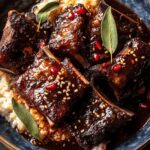
There is nothing quite like the sensory experience of a home filled with the aroma of slow-cooking beef. As the temperature drops outside, Americans traditionally turn to their kitchens for warmth and soul-nourishing meals. Braised short ribs in creamy herb sauce represent the pinnacle of this comfort food tradition. It is a dish that demands patience but rewards the cook with a level of tenderness and flavor complexity that faster cooking methods simply cannot replicate. At CookWithFeast, we believe that a true feast starts with quality ingredients and a whole lot of heart.
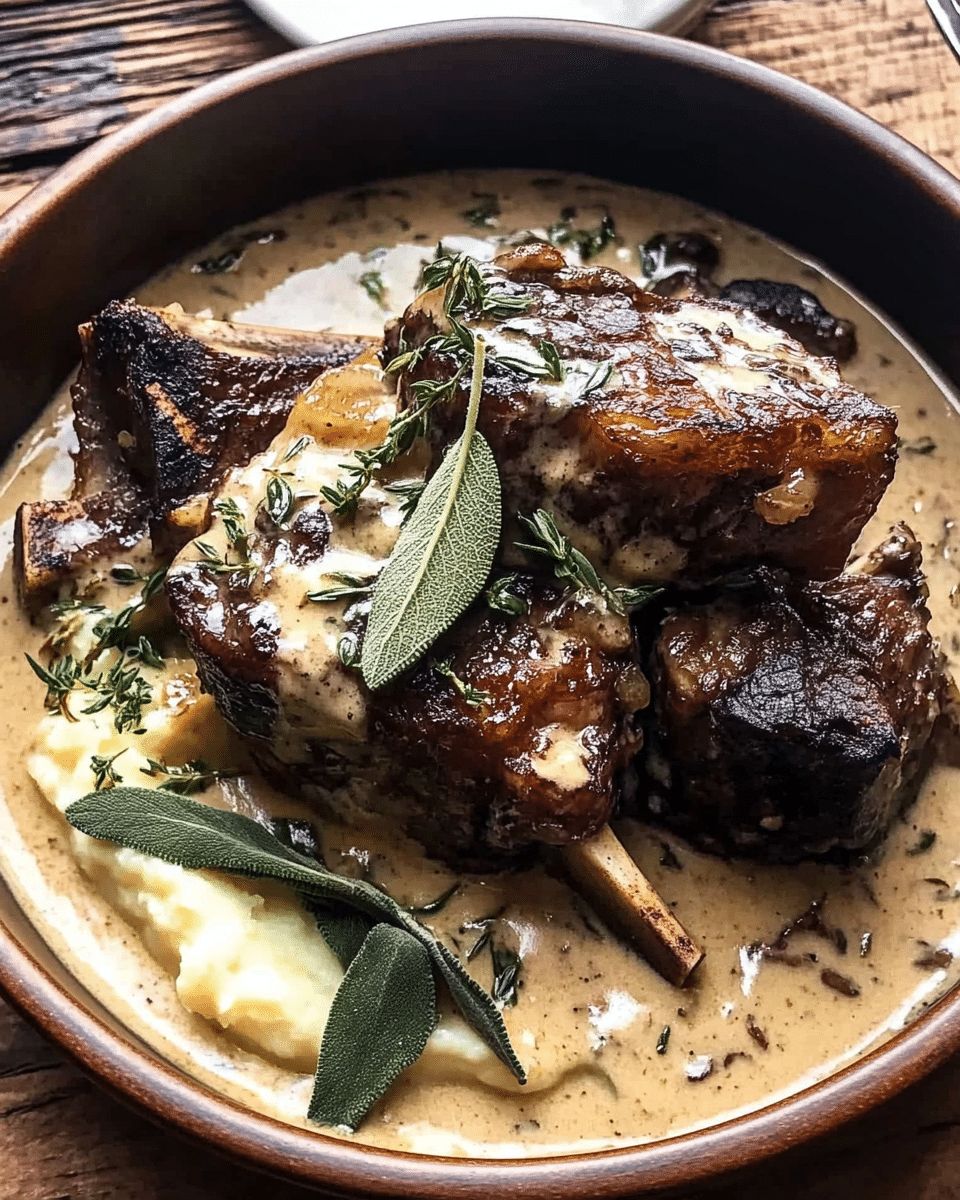
In the United States, the “low and slow” method has become a weekend staple for families looking to reconnect over a shared table. While many short rib recipes lean toward heavy red wine reductions or tomato-based sauces, the addition of a creamy herb finish elevates this rustic cut of meat into something truly sophisticated. By using bone-in ribs and a blend of aromatic cognac, Marsala, and fresh garden herbs, you create a velvety sauce that perfectly complements the rich, marbled beef. It’s a restaurant-quality meal that you can master in your own Dutch oven.
Quick Answer: To achieve perfect braised short ribs, season bone-in ribs with pepper and braise them with onions, garlic, thyme, and Marsala wine at 325°F (165°C) for 2.5 to 3 hours. Finish the dish by stirring in heavy cream and butter, then roasting uncovered at 400°F for 20 minutes to thicken the sauce into a luxurious, creamy herb glaze.
Mastering the Art of the Slow Braise: The Science of Succulence
To truly appreciate braised short ribs in creamy herb sauce, one must understand the culinary magic known as braising. Braising is a “low and slow” combination cooking method that uses both moist and dry heat. We start by searing the meat at a high temperature to achieve the Maillard reaction—that beautiful, mahogany crust that provides the foundation for our flavor. Then, we transition to a long, gentle simmer in a flavored liquid. This is where the transformation happens.
Short ribs are a tough, heavily marbled cut of beef. If you were to grill them like a steak, they would be nearly inedible. However, during a 3-hour braise, the tough connective tissues and collagen slowly break down into gelatin. This gelatin melts into the muscle fibers, resulting in that iconic, lip-smacking texture that literally melts in your mouth. At CookWithFeast, we believe that understanding this transition is what separates a good home cook from a world-class chef.
- Moisture Retention: The slow simmer ensures the meat never dries out.
- Flavor Infusion: The beef absorbs the essence of the Marsala, cognac, and herbs.
- Sauce Enrichment: The rendered fat and gelatin create a natural body for our creamy sauce.
Sourcing the Best Ribs: English Cut vs. Flanken Style
When you head to your local American butcher, you will likely see two types of short ribs. For this specific recipe, the choice is clear, but it is important to know the difference. English Cut ribs are cut into 2-to-3-inch rectangular chunks with a single bone. Flanken Style are cut thinly across several bones (often seen in Korean BBQ). For a deep, soulful braise, we always recommend the English Cut.
| Rib Style | Best For | Texture Result |
|---|---|---|
| English Cut | Slow Braising/Dutch Oven | Fall-off-the-bone tender |
| Flanken Style | Grilling/Searing | Chewy and charred |
| Boneless Short Ribs | Stews/Slow Cookers | Leaner but less “beefy” |
Always look for bone-in short ribs. The bone acts as a thermal conductor, helping the meat cook evenly from the inside out while adding a profound depth of marrow flavor to your creamy herb sauce.
Building the Flavor Profile: Cognac, Marsala, and Aromatics
What sets this recipe apart from a standard beef stew is the sophisticated liquid base. We use a “triple-threat” approach: cognac, Marsala wine, and fresh herbs. The cognac (or brandy) provides a high-alcohol punch that deglazes the pan, lifting the savory brown bits (the fond) from the bottom. Marsala wine adds a nutty, semi-sweet complexity that bridges the gap between the rich beef and the velvety cream added later.
The Role of Fresh Herbs
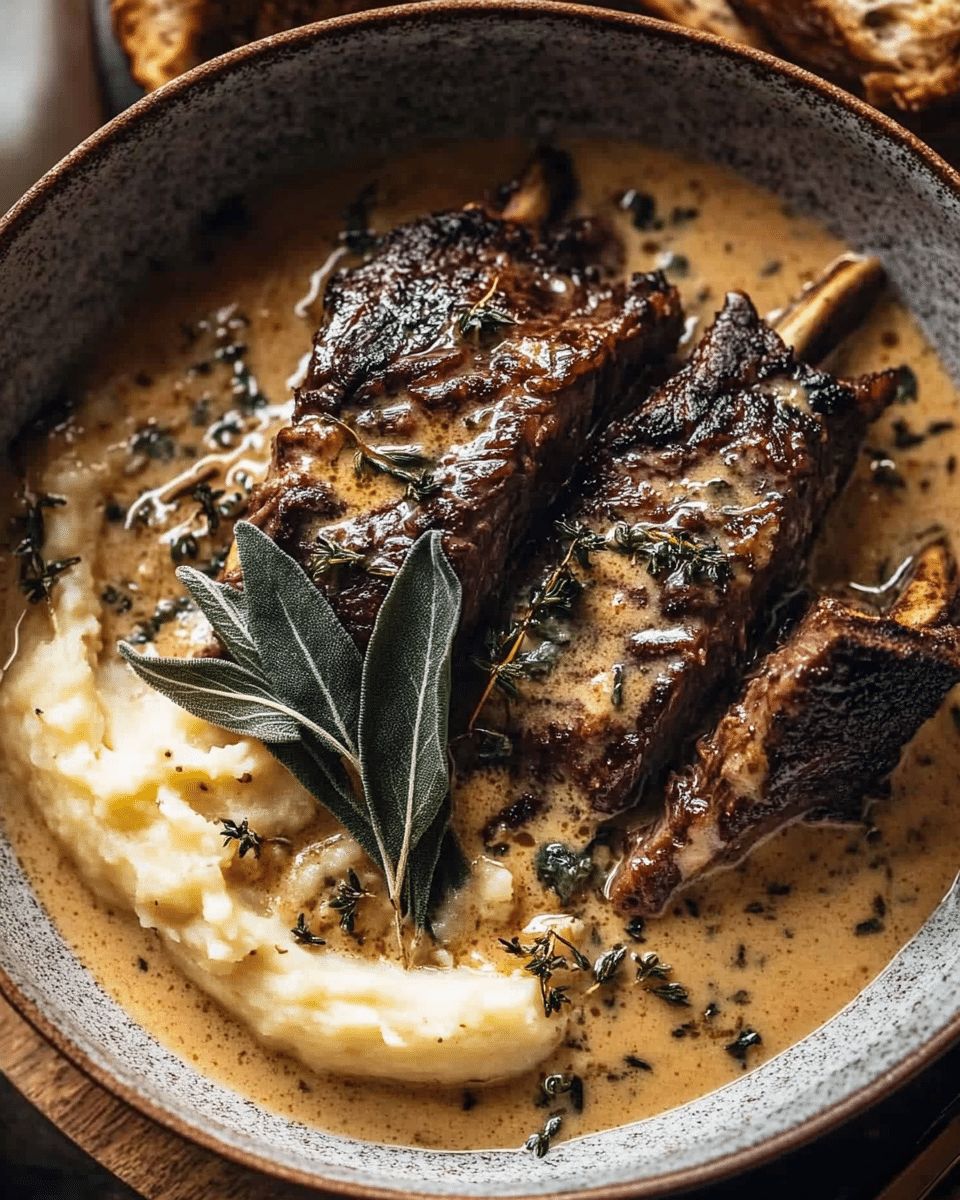
Freshness is non-negotiable here. While dried herbs have their place, the fresh thyme and sage used in this dish provide a bright, woodsy aroma that cuts through the heavy fats. Sage, in particular, has a unique affinity for cream and butter, making it the perfect partner for our finishing sauce. By frying the sage leaves at the end, you add a sophisticated, crispy garnish that offers a textural contrast to the soft, tender ribs.
The Step-by-Step Culinary Journey: From Dutch Oven to Table
Executing this dish requires patience and attention to detail. Follow these professional steps to ensure success every single time.
- The Initial Sear: Don’t crowd the pan! If you put too many ribs in at once, the temperature drops and the meat steams rather than sears. Work in batches to get a deep, dark crust on all sides.
- Sweating the Aromatics: After removing the meat, add your onions and garlic. Use a wooden spoon to scrape the bottom of the pot. Those blackened bits are concentrated flavor.
- The Deglazing Phase: Pour in the cognac and stand back—it might flare up! This is where you unlock the fond. Add the Marsala and broth next.
- The Long Nap: Nestle the ribs back into the liquid. It should come about halfway up the sides of the meat. Cover tightly. This “nap” in the oven is where the collagen-to-gelatin magic happens.
The Finishing Touch: Why Cream and Kale Change the Game
Most traditional braises end with a thin red wine sauce. We take it a step further. By adding heavy cream and butter during the final 20 minutes of roasting, we create a sauce that is rich, opaque, and incredibly luxurious. This is an American bistro-style technique that elevates the dish from a rustic farm meal to a 5-star dinner party centerpiece.
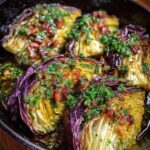
The optional addition of kale isn’t just for health—it’s for balance. The slight bitterness of the kale and its sturdy texture provide a much-needed counterpoint to the buttery sauce. It soaks up the creamy herb flavors while staying intact, unlike spinach which can become too watery. Once the ribs are caramelized at 400°F, you are left with a sauce that clings to the meat like a velvet blanket.
Expert Troubleshooting: Skimming the Fat and Skillet Control
Short ribs are naturally fatty, and after 3 hours of braising, you will see a layer of clear oil on top of your sauce. Professional Tip: Use a wide spoon or a fat separator to remove as much of this oil as possible before adding the cream. If you skip this, the cream won’t emulsify properly, and your sauce will look broken or greasy.
When it comes to the fried sage, watch your temperature. Butter has a low smoke point. You want the leaves to sizzle and turn translucent-green, but not black. These “shattering” leaves are the secret weapon of the dish, providing a hit of herbal oil in every bite.
Serving Suggestions: What to Pair with Your Feast
Because the creamy herb sauce is the star of the show, you want a side dish that can act as a “mop.” At cookwithfeast.com, we recommend three classic American pairings:
- Roasted Garlic Mashed Potatoes: The ultimate vessel for the cream sauce.
- Creamy Parmesan Polenta: A soft, corn-based bed that complements the Marsala wine notes.
- Crusty Sourdough Bread: For those who don’t want to leave a single drop of sauce on the plate.
Whether you are serving this for a cozy Sunday night or a formal holiday gathering, these braised short ribs are a testament to the power of slow cooking. It is a meal that demands your time, but gives back so much more in flavor and memories. Grab your Dutch oven and let’s get cooking!
You May Also Like
Explore more: Slow Cooking Masterclass, Hearty Beef Dinner Ideas, Best Comfort Food Recipes, Essential Dutch Oven Meals, Elegant Herb-Infused Sauces.
Source: The Science and History of Braising (Wikipedia)
Frequently Asked Questions
Can I make these braised short ribs in a slow cooker?
Yes, you can certainly adapt this recipe for a slow cooker. The most important step is to still sear the ribs first in a pan to develop flavor. Once seared, place the ribs and aromatics in the slow cooker with the liquids and cook on low for 7–8 hours. Stir in the heavy cream and butter during the last 30 minutes of cooking.
What is the best substitute for Marsala wine if I don’t have any?
If you don’t have Marsala, you can use Dry Sherry or a bold white wine like Chardonnay. For a completely non-alcoholic version, replace the wine with an equal amount of high-quality beef broth mixed with a tablespoon of balsamic vinegar to provide that necessary touch of acidity and depth.
How do I store and reheat leftovers for the best taste?
Short ribs actually taste even better the next day! Store leftovers in an airtight container in the refrigerator for up to 3 days. When reheating, do so gently on the stovetop over medium-low heat. Add a splash of broth or water if the creamy herb sauce has thickened too much in the fridge.
Final Thoughts
There is a unique kind of magic that happens when you allow a tough cut of meat like short ribs to transform slowly in a Dutch oven. This Braised Short Ribs in Creamy Herb Sauce isn’t just a meal; it is an experience that fills your home with warmth and your kitchen with the scents of a high-end American bistro. It is the ultimate testament to the idea that patience is the most important ingredient in any comfort food recipe.
At CookWithFeast, we hope this recipe becomes a staple in your household for those chilly Sunday afternoons or special family gatherings. The combination of succulent beef and that velvety, aromatic sauce is something your guests will be talking about long after the last bite is gone. Gather your loved ones, break out the crusty bread, and savor every moment of this decadent feast!