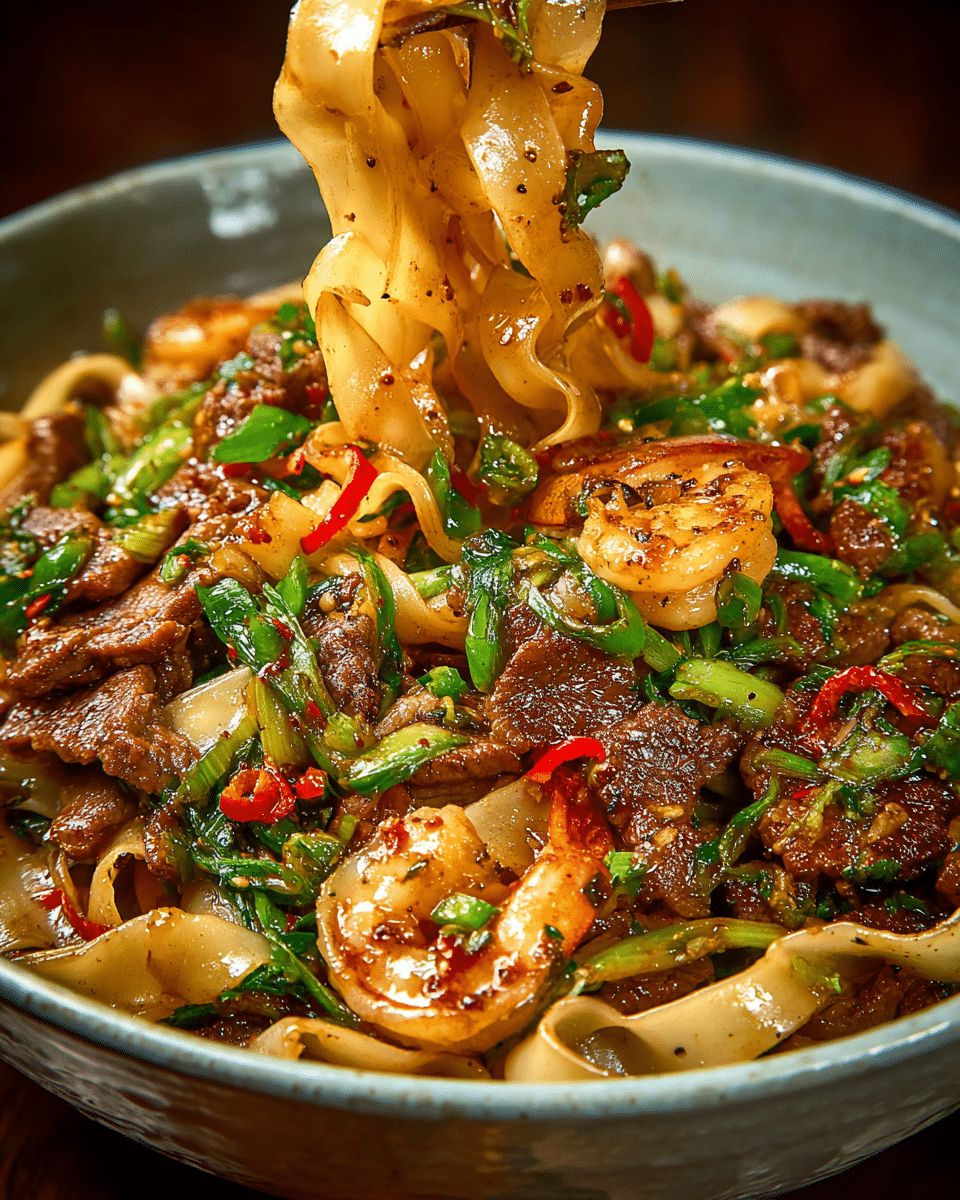
The appeal of Hand-Pulled Cumin Lamb & Shrimp Noodles lies in its confident flavor and satisfying texture. This dish combines chewy handmade noodles, aromatic spices, and two proteins that cook quickly yet deliver incredible depth. Inspired by northern Chinese noodle traditions and adapted for the home kitchen, it offers a practical way to serve a restaurant-quality dinner without relying on specialty equipment.
The process rewards patience, but each step builds toward a bowl that feels generous, balanced, and deeply savory. Whether you are a fan of the bold, earthy notes of toasted cumin or the succulent snap of fresh shrimp, this recipe bridges the gap between traditional street food and modern home cooking. It is a sensory experience that starts with the scent of blooming spices and ends with the perfect, springy bite of a noodle stretched by hand.
Quick Answer: Hand-pulled cumin lamb and shrimp noodles are a bold, savory dish featuring elastic, handmade dough stir-fried with tender lamb slices, marinated shrimp, and a signature blend of toasted cumin and chili. The key to success is allowing the dough to rest properly for maximum stretch and using high heat to sear the proteins quickly.
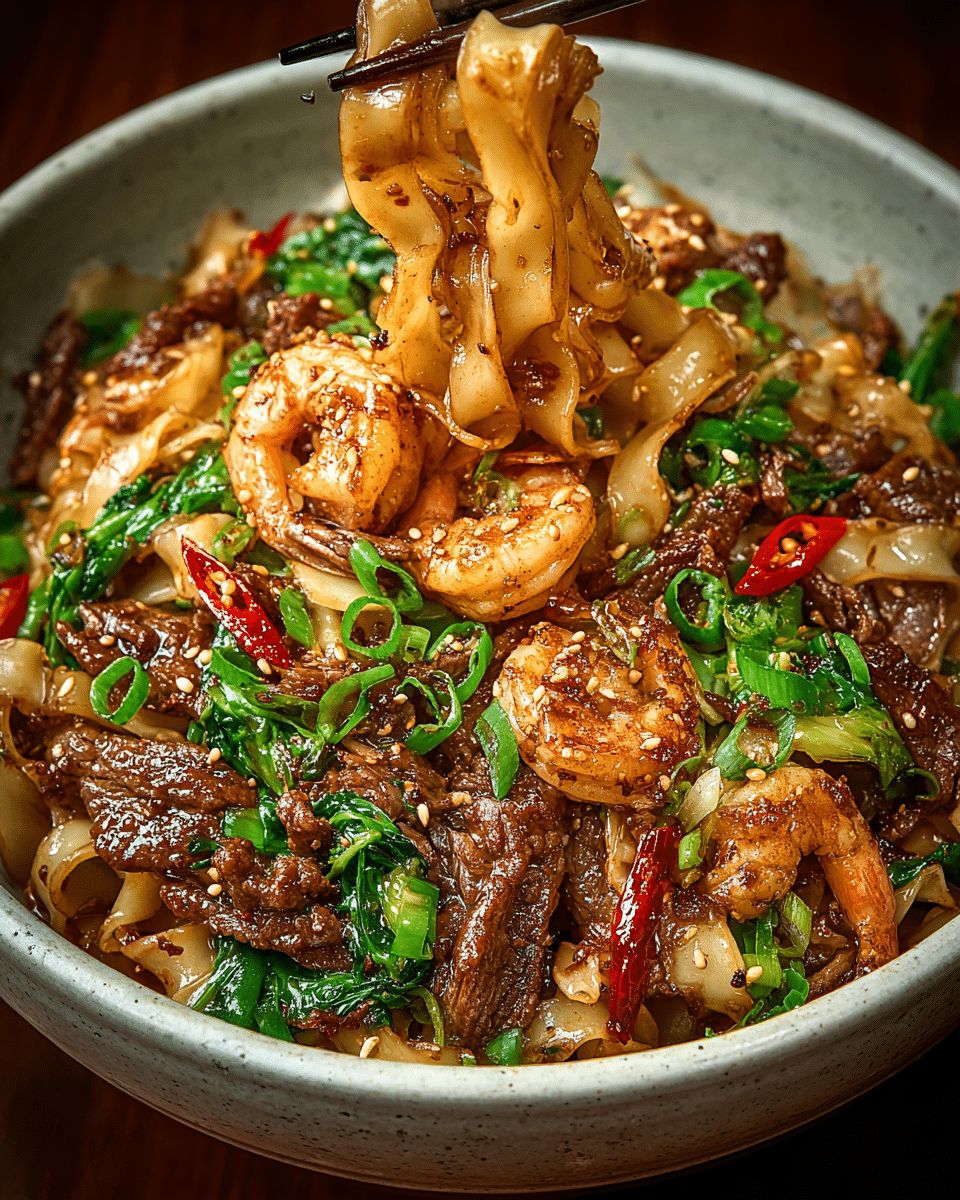
The Origins of Hand-Pulled Cumin Lamb & Shrimp Noodles
Why Cumin Defines Northern-Style Noodle Dishes
Cumin plays a central role in many inland Asian cuisines where lamb is common. Its warm, earthy aroma cuts through the richness of the meat and enhances its natural flavor profile. Toasting whole seeds releases essential oils that ground the dish, creating a distinctive profile that feels both rustic and refined.
The Balance of Lamb and Shrimp in Modern Recipes
Combining lamb with shrimp introduces a fascinating contrast of textures and flavors. Lamb delivers structure and savory depth, while shrimp adds a delicate sweetness and tenderness. Together, they cook rapidly in a hot wok, allowing each bite to feel complete and substantial without becoming overly heavy.
How This Dish Evolved for Home Kitchens
Traditional versions of this dish often rely on intense industrial heat and years of noodle-pulling expertise. However, home-friendly adaptations simplify the timing and the dough-handling process while preserving the essential texture and aroma. The result is a dish that suits weeknight cooking while still feeling intentional and skill-driven.
Essential Ingredients for Hand-Pulled Cumin Lamb & Shrimp Noodles
Creating a restaurant-quality bowl of Hand-Pulled Cumin Lamb & Shrimp Noodles starts with high-quality ingredients. Unlike store-bought pasta, hand-pulled noodles (often referred to as Biang Biang noodles or laghman) require specific pantry staples to achieve that signature “chew.” Each component, from the proteins to the aromatics, plays a vital role in the final flavor profile.
The Secret to Elastic Noodle Dough
For the noodles themselves, simplicity is key, but the type of flour you choose is non-negotiable. To get the necessary stretch without the dough snapping, you must use bread flour. The high protein content in bread flour facilitates stronger gluten development, which is what allows the dough to be pulled into long, thin strands.
- 1 1/2 cups Bread Flour: Provides the structural integrity.
- 1/4 teaspoon Salt: Tightens the gluten strands and adds flavor.
- 1/2 cup Water: The hydrating element that brings the dough together.
Protein Pairings: Lamb and Shrimp
The combination of tender lamb and succulent shrimp creates a “surf and turf” experience that is rare in traditional northern Chinese cooking but incredibly effective. The lamb offers a gamey, robust foundation, while the shrimp provides a sweet, snappy contrast.
- Lamb (8 oz): Use thinly sliced lamb steaks or medallions. The thinner the slice, the faster it sears, keeping the meat juicy.
- Shrimp (8 oz): Ensure they are peeled and deveined. Medium-sized shrimp work best so they don’t overcook before the lamb is done.
The Aromatic Foundation: Spices and Vegetables
The “soul” of this dish is the toasted cumin. Using pre-ground cumin won’t give you the same punchy, earthy aroma. Instead, we use whole seeds and grind them fresh. This is supported by a variety of vegetables that add crunch and “cut” through the richness of the oil.
- Whole Cumin and Coriander Seeds: These are toasted until fragrant to release volatile oils.
- Aromatics: Fresh ginger, scallions, and a generous 8 cloves of minced garlic.
- Vegetables: Baby bok choy for greens, diced celery for crunch, and mild peppers for a hint of sweetness.
Technique and Preparation Breakdown
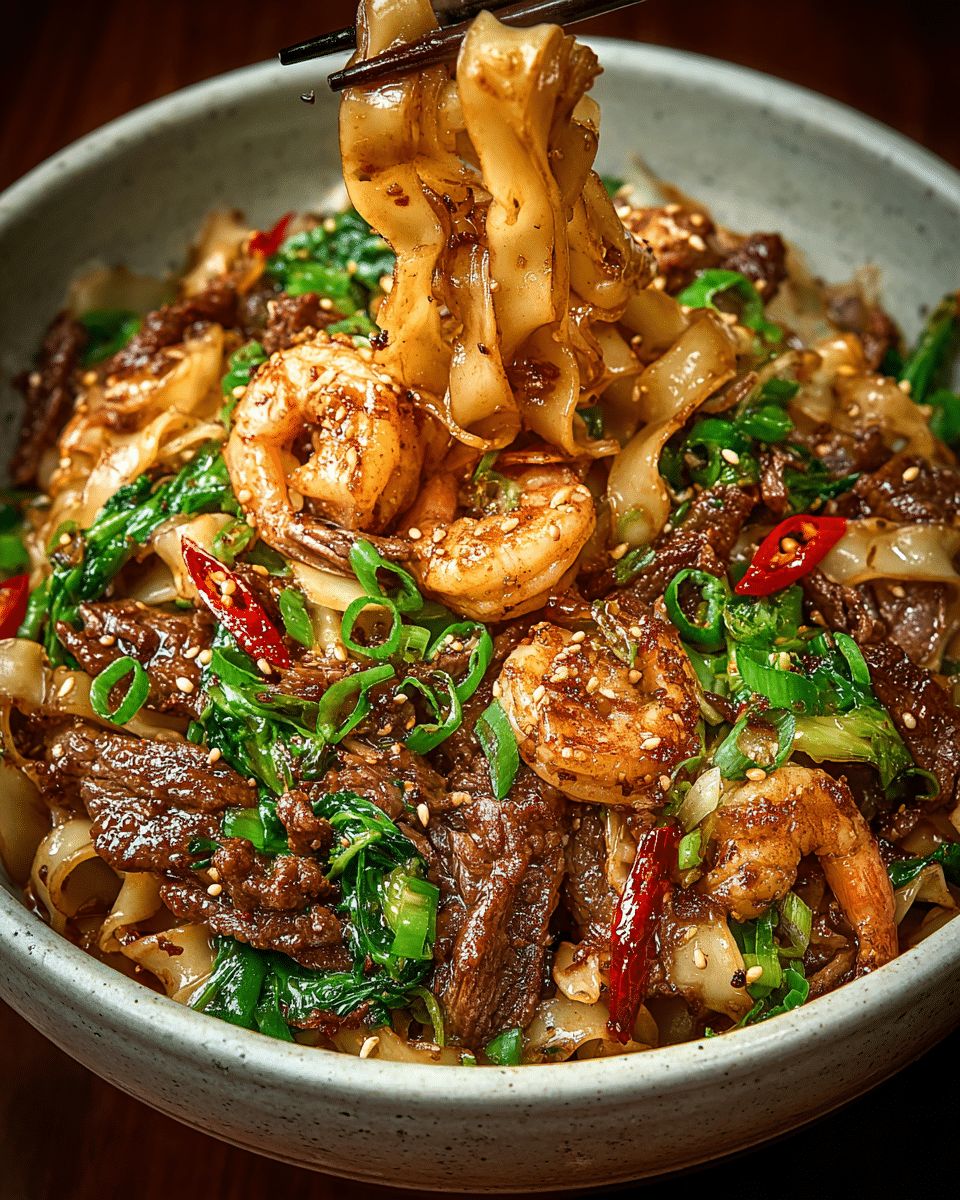
A great stir-fry is about timing and heat management. Because the noodles and the proteins cook so quickly, your “mise en place” (everything in its place) must be perfect. Below is a comparison of how we treat our two primary proteins to ensure they reach the wok ready for action.
| Feature | Lamb Preparation | Shrimp Preparation |
|---|---|---|
| Marinade Base | Oil, Broth, Cornstarch, Salt | Oil, Cornstarch, Salt |
| Key Objective | Velveting for tenderness | Retaining moisture and snap |
| Slicing Style | Paper-thin medallions | Whole, butterflied |
| Cook Time | 2-3 minutes (high heat) | 1-2 minutes (until pink) |
The Art of the Toasted Spice Mix
Before you even touch the dough, you must prepare the Toasted Spice Mix. This blend is what defines the “Cumin Lamb” flavor profile. To do this, place 1.5 tablespoons of cumin seeds, 2 teaspoons of coriander seeds, and 1/2 teaspoon of white peppercorns in a dry pan. Toast them over medium heat until they begin to jump and smell nutty. Immediately transfer them to a mortar and pestle or spice grinder. You want a coarse powder, not a fine dust—this provides little bursts of flavor in every bite.
Mastering the Hand-Pulled Noodle Technique
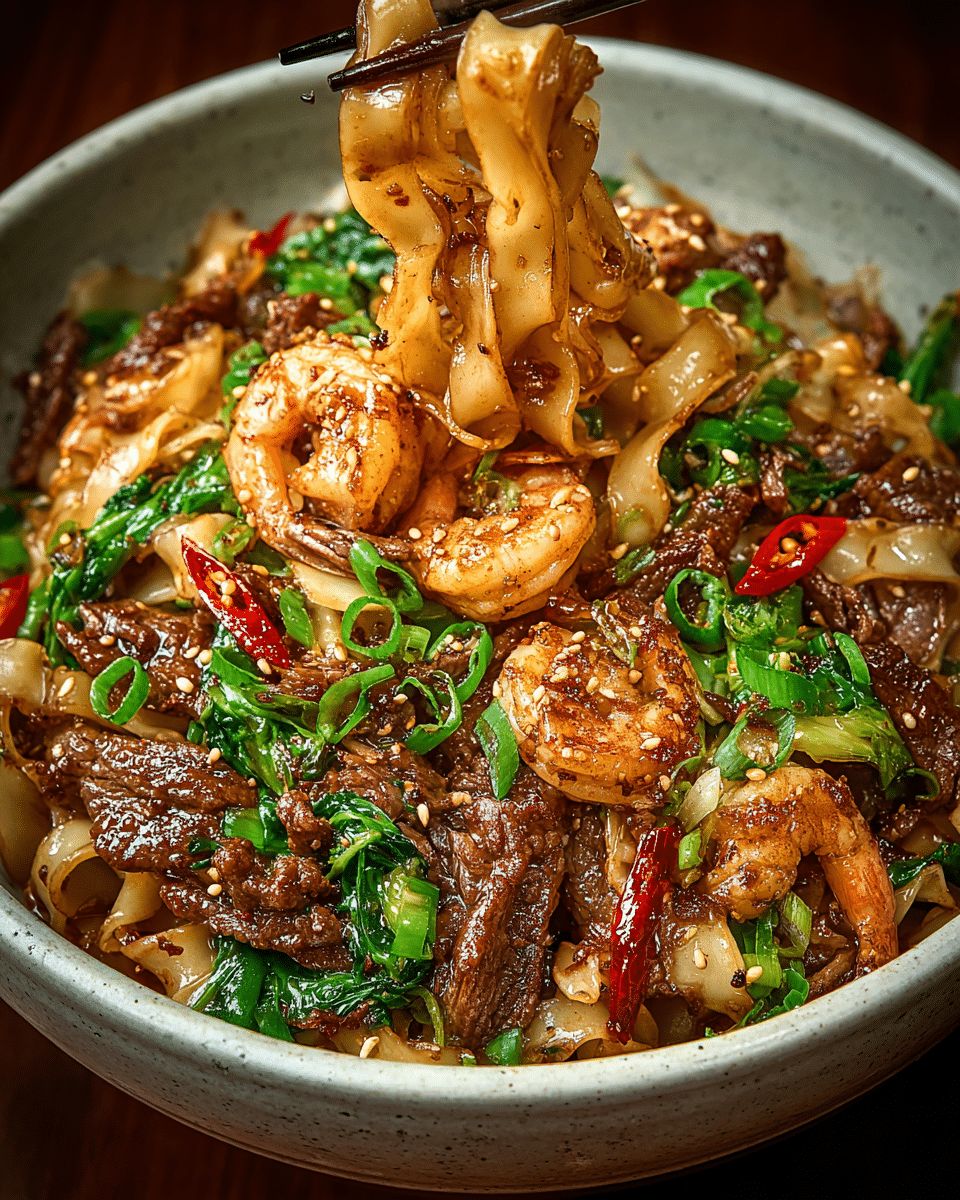
Many home cooks are intimidated by the idea of pulling noodles, but it is more about patience than physical strength. The gluten needs time to relax; if you try to pull the dough too soon after kneading, it will simply bounce back or tear.
Step 1: Kneading and Resting
Mix your flour, salt, and water until a shaggy mass forms. Knead this for at least 10 minutes. At first, it will feel rough, but eventually, it will become as smooth as a baby’s skin. Resting is CRITICAL. Wrap the dough tightly in plastic and let it sit for at least one hour at room temperature. This allows the gluten bonds to relax, making the dough extensible.
Step 2: The Stretch and Tear
Once rested, divide the dough into long batons. Use a rolling pin to flatten them slightly, then use a chopstick to press a deep groove down the center of each piece. Hold the ends of the dough baton and gently bounce it against the counter as you pull your hands apart. The dough should stretch easily. Finally, tear the noodle down the center groove you created, resulting in two long, continuous strands.
Expert Tip: If the dough feels “tight” and resists stretching, let it rest for another 15 minutes. Never force the pull, or the noodles will be uneven in thickness.
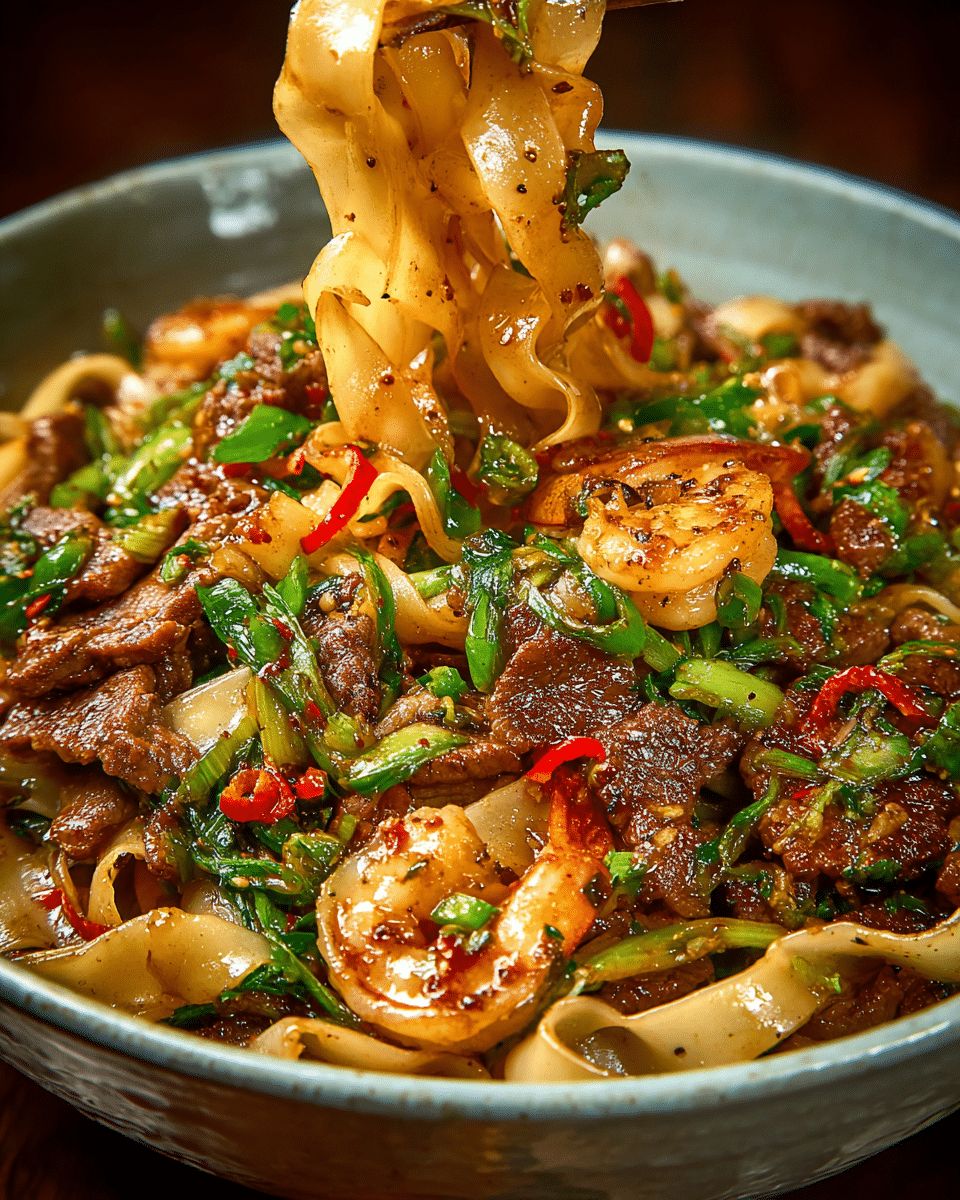
The Stir-Fry: Bringing the Heat
When it’s time to cook, everything happens in a flash. The goal is Wok Hei (the breath of the wok), which gives the dish a slightly smoky, charred flavor that complements the cumin perfectly.
Stir-Fry Order of Operations
- Sear the Proteins: Get the wok smoking hot with vegetable oil. Sear the lamb first until browned, then add the shrimp. Remove them from the pan while they are about 90% cooked to prevent toughening.
- Bloom the Aromatics: Add more oil if needed, then toss in the ginger, scallions, and that mountain of garlic. Once they smell incredible, add the red onion and celery.
- Create the Sauce: Pour in the chili oil, rice vinegar, soy sauce, and a splash of broth. The sugar and salt go in here to balance the acidity of the vinegar.
- The Big Finish: While the vegetables are softening, drop your hand-pulled noodles into a pot of boiling water. They only need about 2 minutes. In the last 30 seconds, throw the baby bok choy into the boiling water with the noodles.
The Final Toss
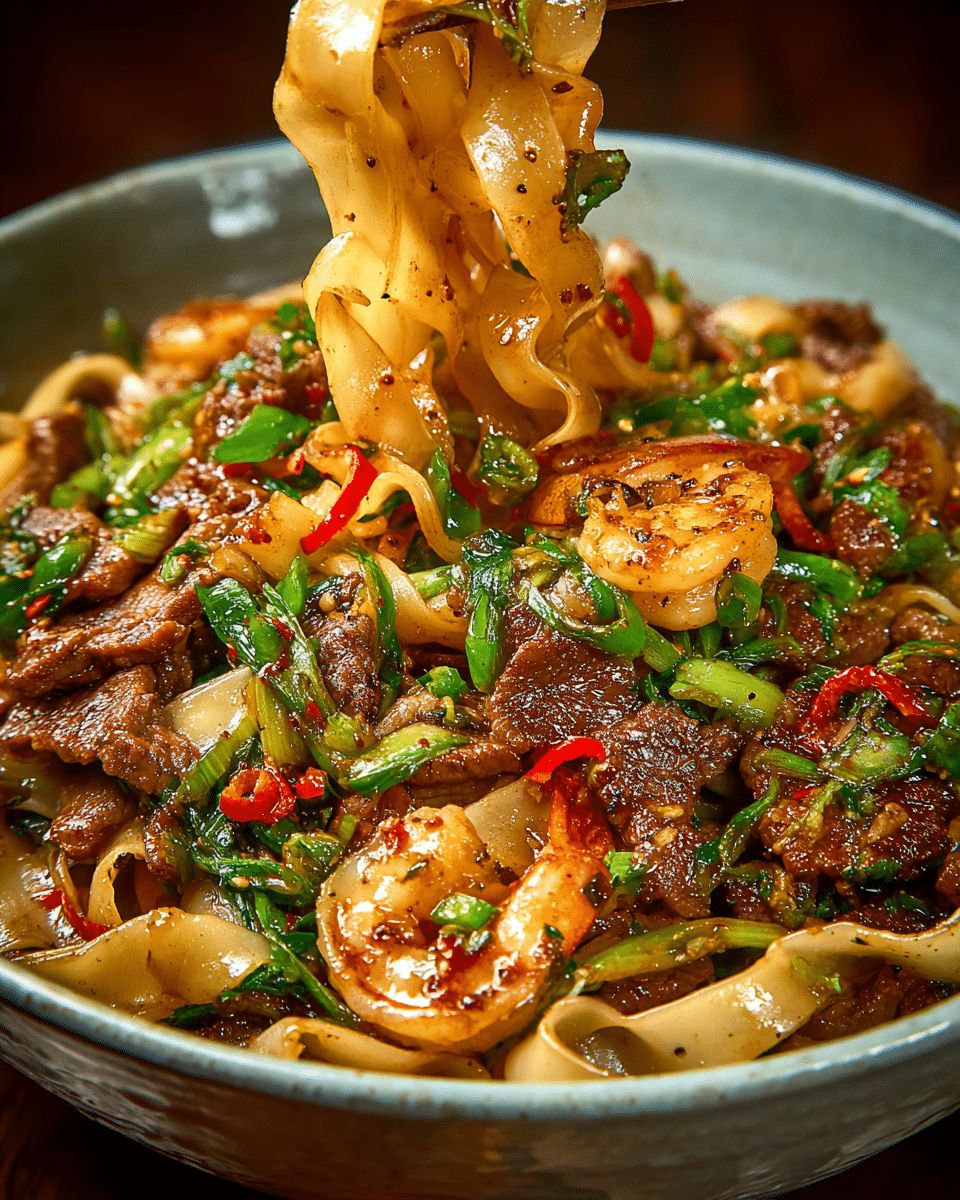
Drain the noodles and bok choy and dump them directly into the wok with the sauce and proteins. Toss vigorously. The starch from the noodles will help the cumin-spiced sauce cling to every strand, creating a glossy, vibrant coating.
Frequently Asked Questions
Can I use a different meat?
While lamb is traditional for cumin-based dishes, you can substitute it with thinly sliced beef sirloin. However, the fat content in lamb has a specific affinity for cumin that beef can’t quite replicate.
Why are my noodles tough?
If your noodles feel rubbery, you likely over-kneaded the dough or didn’t let it rest long enough. Another culprit could be overcooking; because these are fresh, they cook much faster than dried pasta.
Is this dish very spicy?
The heat level is entirely up to you. The primary heat comes from the chili oil. If you prefer a milder dish, use a chili oil with less sediment (the “crunchy” bits) or reduce the amount used in the sauce.
Key Insight: This dish is best served in wide, shallow bowls. This allows the heat to dissipate slightly so you can enjoy the complex flavors without burning your palate, and it provides plenty of room to toss the noodles one last time at the table.
In conclusion, Hand-Pulled Cumin Lamb & Shrimp Noodles represent the pinnacle of home-cooked comfort. It is a dish that engages all the senses—from the rhythmic thumping of dough on the counter to the intoxicating scent of toasted spices. By following these steps and respecting the resting time of the dough, you can bring the bold, adventurous flavors of northern China right into your own kitchen.
You May Also Like
Explore more flavorful dishes and cooking guides: Cajun Shrimp Pasta, American Comfort Food Classics, Quick Stir-Fry Dinners, and Spicy Meal Inspirations.
Source: Wikipedia: Biangbiang Noodles
Frequently Asked Questions
Can I use store-bought noodles instead of making them by hand?
Yes, while the springy texture of hand-pulled noodles is a highlight of this dish, you can substitute them with wide dried wheat noodles or even thick fettuccine in a pinch. For the best results, look for “knife-cut” or “ribbon” noodles at your local Asian grocer to mimic the rustic feel of the handmade version.
How should I store and reheat leftovers?
Store any remaining noodles in an airtight container in the refrigerator for up to 2 days. When reheating, it is best to use a pan over medium heat with a splash of broth or water to loosen the sauce. Avoid overcooking during the reheat to ensure the shrimp stays tender and the noodles remain chewy.
What is the best way to achieve the “stretch” in the dough?
The secret is patience and proper resting. If the dough feels tight and snaps back when you try to pull it, it needs more time for the gluten to relax. Wrap the dough tightly and let it sit for at least an hour at room temperature. A well-rested dough will stretch effortlessly without tearing.
Final Thoughts
Mastering Hand-Pulled Cumin Lamb & Shrimp Noodles is a rewarding way to bring restaurant-quality, bold flavors into your own kitchen. This dish successfully bridges the gap between complex aromatics and satisfying, rustic comfort food. While the technique of hand-pulling noodles takes a bit of practice, the result—a bowl filled with chewy strands coated in a spicy, cumin-scented sauce—is well worth the effort.
Whether you are exploring the depths of northern Chinese spice profiles or simply looking for a new way to enjoy shrimp and lamb, this recipe offers a versatile foundation. By focusing on fresh ingredients and proper dough preparation, you can serve a meal that is both impressive and deeply comforting. Enjoy the process and the bold flavors of your homemade feast!