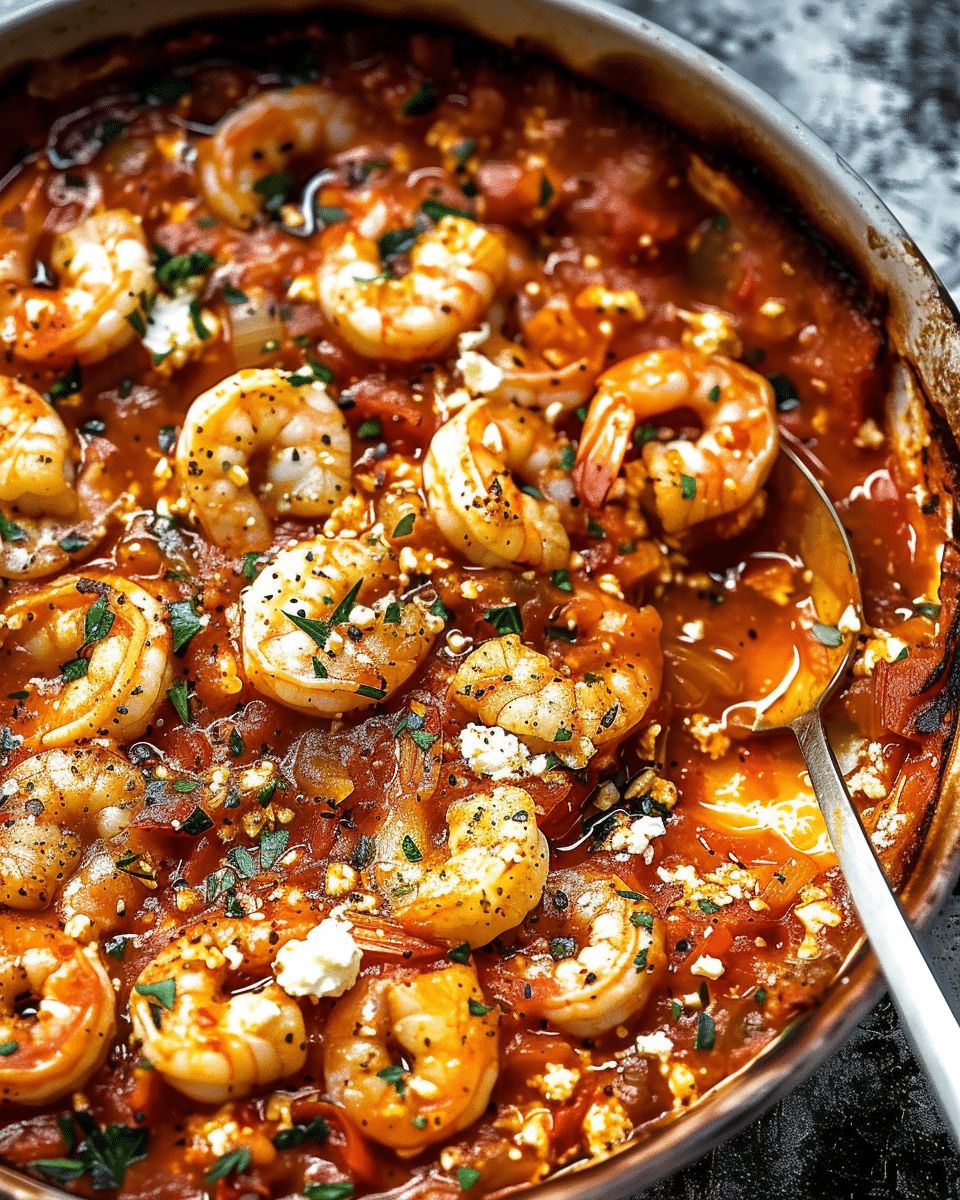
You ever crave something that feels indulgent but doesn’t weigh you down? That rare kind of meal that satisfies your soul yet keeps your body feeling light? This Mediterranean Shrimp and Feta Casserole might just be your new favorite go-to. It delivers all the comfort of a bubbling baked dish while staying true to the vibrant, fresh, and heart-healthy roots of Mediterranean cooking.
Whether you’re winding down on a weeknight or hosting friends on the weekend, this dish sets the tone for something special. It’s a sophisticated yet simple way to bring the coast to your kitchen. To keep the inspiration flowing, you can also indulge in gourmet dining at home with our Baked Spinach Mushroom Quesadillas.
Quick Answer: This Mediterranean Shrimp and Feta Casserole is a vibrant one-pan meal featuring succulent shrimp simmered in a rich, herb-infused tomato sauce and topped with creamy, broiled feta cheese. It’s a high-protein, heart-healthy dish that takes approximately 65 minutes from prep to table.
🌍 Why This Mediterranean Shrimp and Feta Casserole Will Win You Over
If you’re hunting for a dish that’s simple yet sophisticated, hearty yet balanced, this one ticks every box. The magic here is in the layering of familiar ingredients that, when combined, produce a flavor profile that feels entirely fresh and exciting. And it all comes together in one pan.
- Protein-Packed: Loaded with lean shrimp for a satisfying, healthy meal.
- Creamy & Tangy: Elevated with the distinct, salty bite of crumbled feta.
- Aromatic Depth: Infused with the warmth of dried thyme, garlic, and bay leaves.
- Low Effort, High Impact: Minimal cleanup with a professional, gourmet presentation.
- Heart-Healthy: Follows Mediterranean diet principles with olive oil and fresh vegetables.
📝 Your Ingredient List for Mediterranean Shrimp and Feta Casserole
👉 What You’ll Need
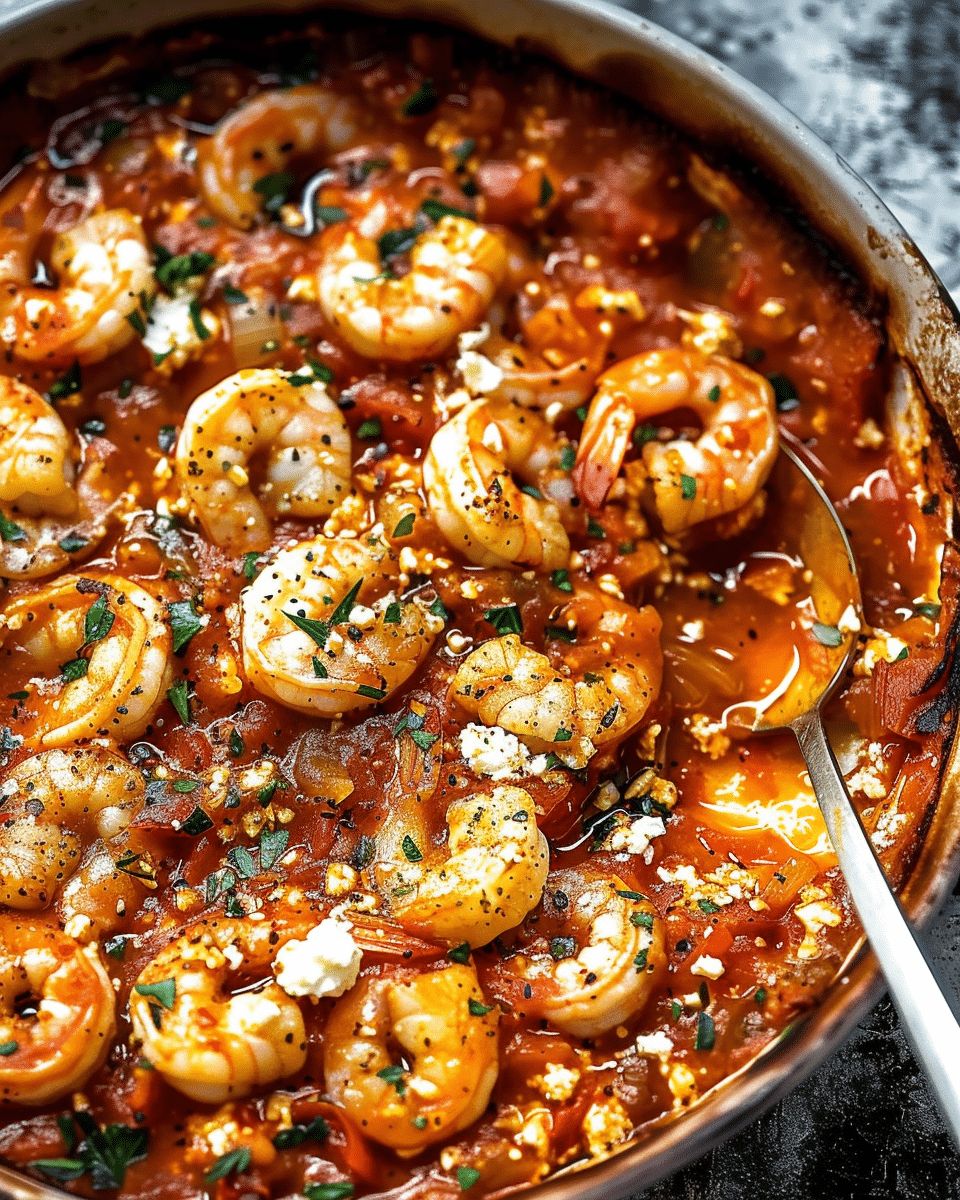
Before you begin, ensure your shrimp are peeled and deveined. While fresh shrimp offer the best texture, high-quality frozen shrimp work perfectly as long as they are fully defrosted and patted dry before cooking.
| Ingredient | Amount |
|---|---|
| Olive oil | 2 tablespoons |
| Onion (very finely diced) | 1 large |
| Garlic cloves (minced) | 3 cloves |
| Sugar | 1 teaspoon |
| Dried thyme | 1 teaspoon |
| Chili flakes | ¼ teaspoon |
| Tomato paste | 2 tablespoons |
| Passata | 240 g (1 cup) |
| Diced tomatoes in juice | 400 g (14 oz can) |
| Dry white wine (or water) | 120 ml (½ cup) |
| Shrimp (peeled & deveined) | 450 g (1 pound) |
| Feta cheese (crumbled) | 200 g (7 oz) |
💡 Pro Tip: Don’t skimp on the tomato paste! Sautéing it for a minute before adding the liquids unlocks a much deeper, umami-rich flavor in the sauce.
Mediterranean Shrimp and Feta Casserole: The Soul of Coastal Cooking
The Mediterranean diet is world-renowned not just for its health benefits, but for its incredible ability to coax deep, complex flavors out of simple, high-quality ingredients. This Mediterranean Shrimp and Feta Casserole—often inspired by the traditional Greek dish “Shrimp Saganaki”—is a testament to that philosophy. It represents a reimagined classic that brings together the sweetness of fresh seafood, the acidity of vine-ripened tomatoes, and the salty, creamy punch of sheep’s milk cheese.
When you prepare this dish, you are engaging in a culinary tradition that spans centuries. The combination of seafood and cheese might seem unconventional to some, but in the coastal regions of Greece and Italy, it is a celebrated pairing. The feta doesn’t overpower the shrimp; instead, it creates a savory “brine” that enhances the natural sweetness of the shellfish. By baking it all together, the flavors meld into a cohesive, comforting masterpiece that feels like a sunset dinner on the Athenian Riviera.
💡 Culinary Secret: The key to a world-class casserole is the reduction of the tomato base. A watery sauce will result in “boiled” shrimp, whereas a thick, jammy sauce allows the shrimp to roast and absorb the herbal notes of the thyme and bay leaves.
Choosing the Best Ingredients for Maximum Flavor
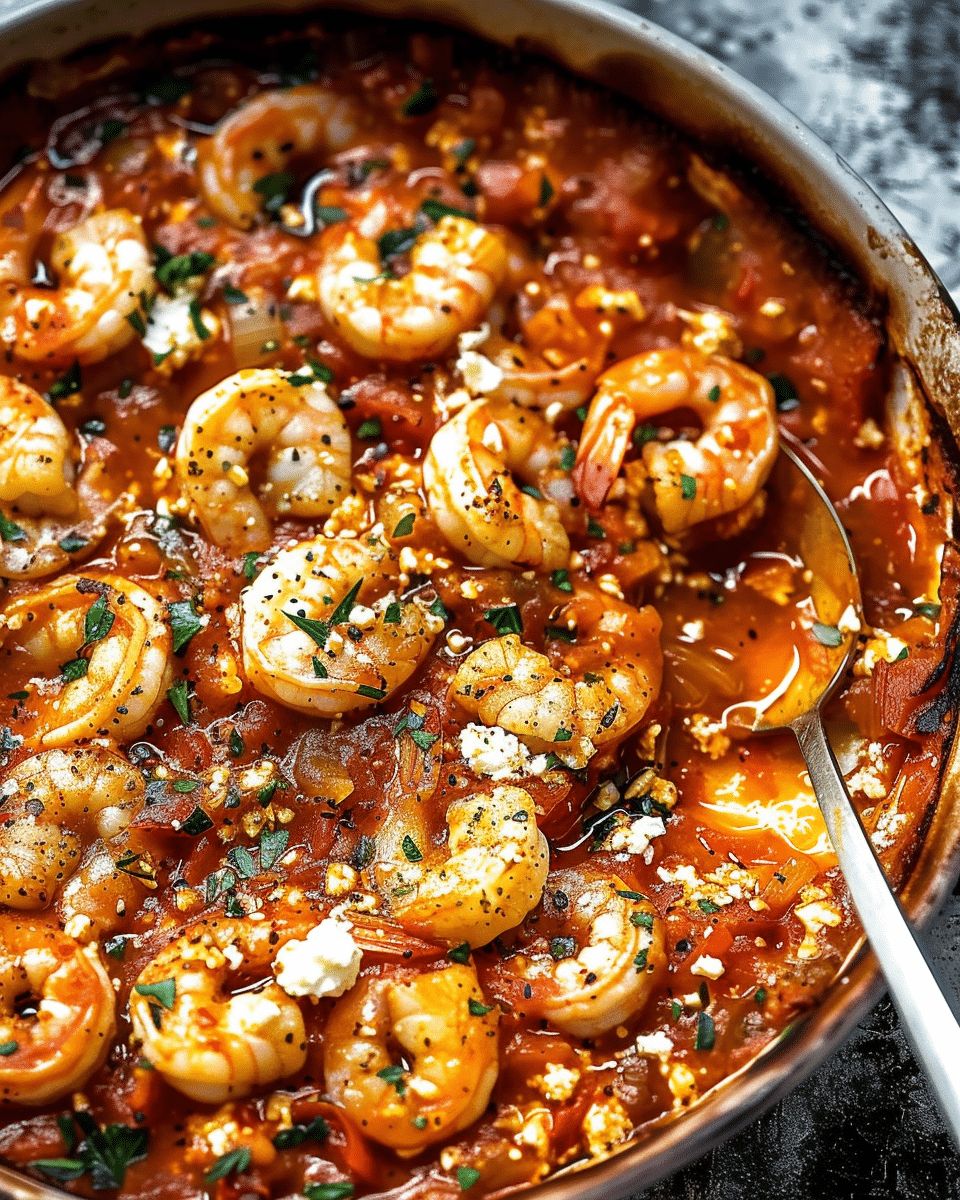
Because this recipe relies on a handful of primary components, the quality of each ingredient will directly impact the final result. Using extra virgin olive oil is non-negotiable, as it provides the foundational fat that carries the aromatics of garlic and onion. Let’s look at why these specific choices make a difference in your kitchen.
The Seafood Component: Shrimp Selection
For this casserole, size matters. We recommend using large or jumbo shrimp (16-20 count). Smaller shrimp tend to overcook and become rubbery by the time the feta has properly melted under the broiler. If you are using frozen shrimp, ensure they are completely thawed and patted dry with a paper towel. Excess moisture from frozen seafood is the primary culprit of a watery sauce.
The Tomato Base: Passata vs. Diced
We use a combination of tomato passata and diced tomatoes. The passata provides a smooth, velvety texture that coats the shrimp, while the canned diced tomatoes offer “pops” of texture and acidity. If you prefer a more rustic feel, you can use crushed tomatoes instead of passata.
| Component | Recommended Variety | Flavor Contribution |
|---|---|---|
| Cheese | Greek Feta (Sheep/Goat mix) | Salty, tangy, and high melting point for “pools.” |
| Wine | Dry Sauvignon Blanc or Assyrtiko | Acidity to cut through the richness of the cheese. |
| Herbs | Fresh Parsley & Dried Thyme | Earthy baseline with a bright, fresh finish. |
| Liquid | Tomato Passata | Rich, concentrated tomato essence without seeds. |
A Masterclass in Technique: The Step-by-Step Breakdown
Cooking is as much about timing as it is about ingredients. Following this sequence ensures that the aromatics are caramelized, the sauce is concentrated, and the shrimp remain succulent and tender.
Step 1: The Aromatic Sauté
Start by heating your olive oil until it shimmers. When you add the finely diced onions, don’t rush the process. Sautéing them for a full 5 minutes on medium-low heat allows the natural sugars to release. When you finally add the minced garlic and chili flakes, only cook them for 60-90 seconds. Garlic burns easily, and burnt garlic will impart a bitter aftertaste to the entire casserole.
Step 2: Building the “Mother” Sauce
Once your aromatics are soft, stir in the tomato paste. This is a pro-level move known as “pincé.” By frying the paste for a minute, you remove the “raw” canned taste and deepen the color to a dark brick red. Add your wine next to deglaze the pan, scraping up any browned bits (fond) from the bottom. These bits are concentrated flavor gold. Pour in your tomatoes and let the mixture simmer. Do not cover the pan. We want the steam to escape so the sauce thickens naturally.
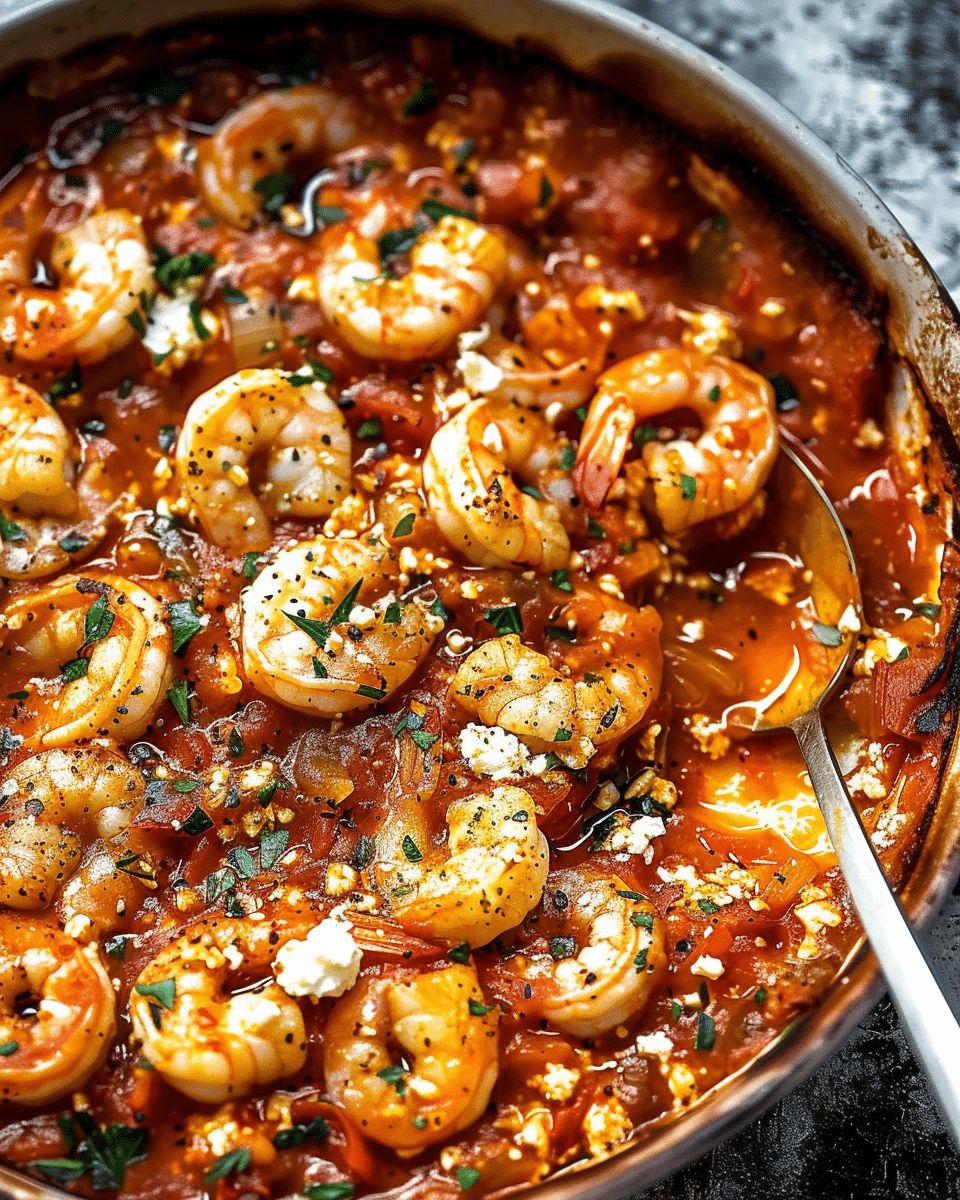
Step 3: Nestling the Shrimp and the Feta Finale
When the sauce is thick enough to leave a trail when you run a spoon through it, it’s time for the shrimp. Nesting them into the sauce ensures even heat distribution. Because shrimp cook in minutes, you must be ready with the crumbled feta immediately. The broiler (grill) step is purely for texture—you want the feta to soften and the edges to turn a light golden brown, which provides a smoky contrast to the sweet tomato sauce.
⚠️ Chef’s Warning: Keep a close eye on the broiler! Feta doesn’t melt like mozzarella; it softens and then browns quickly. Thirty seconds can be the difference between “golden perfection” and “charred disappointment.”
Pro Tips for a Truly Gourmet Experience
If you want to take this Mediterranean Shrimp and Feta Casserole from a standard weeknight meal to a dinner-party showstopper, consider these expert modifications:
- The “Umami” Boost: Stir in a tablespoon of drained capers or sliced Kalamata olives right before adding the shrimp for an extra punch of Mediterranean saltiness.
- Vegetable Integration: If you want more greens, fold in two cups of baby spinach during the last 2 minutes of simmering the sauce. The heat will wilt it perfectly.
- The Texture Contrast: Sprinkle a few tablespoons of Panko breadcrumbs over the feta before broiling for a crunchy topping that contrasts the creamy cheese and soft shrimp.
- Citrus Finish: Always finish the dish with a squeeze of fresh lemon juice. The citric acid “wakes up” the heavy flavors of the tomato and cheese.
Perfect Pairings: What to Serve Alongside
While this casserole is hearty enough to stand alone, the right side dish can transform it into a complete feast. You want sides that can soak up that incredible tomato-feta sauce.
- Crusty Bread: A warm baguette or a loaf of sourdough is the classic choice for “mopping” the plate.
- Herbed Orzo: Toss cooked orzo with lemon zest, olive oil, and fresh dill to provide a neutral, silky base for the shrimp.
- Cucumber Salad: A crisp salad of cucumbers, red onions, and a red wine vinaigrette provides a cooling contrast to the warm, slightly spicy casserole.
- Rice Pilaf: A simple basmati or jasmine rice pilaf with toasted pine nuts adds a nutty dimension to the meal.
Nutritional Breakdown and Healthy Living
This dish is a powerhouse of nutrition, fitting perfectly into low-carb or heart-healthy lifestyles. Shrimp provide astaxanthin, a potent antioxidant, while the cooked tomatoes are rich in lycopene. Below is the estimated nutritional data per serving (based on 4 servings).
| Nutrient | Amount Per Serving |
|---|---|
| Calories | 345 kcal |
| Total Protein | 28 g |
| Total Fat | 18 g |
| Carbohydrates | 14 g |
| Fiber | 3 g |
| Sodium | 850 mg |
Storage, Reheating, and Food Safety
Seafood is delicate, so proper storage is essential to maintain the integrity of the dish. We recommend consuming this casserole fresh, but if you have leftovers, follow these guidelines:
How to Store
Allow the casserole to cool to room temperature (but do not leave it out for more than two hours). Transfer to an airtight glass container to prevent the tomato acidity from reacting with plastic. It will keep in the refrigerator for up to 3 days.
Reheating Without Overcooking
The microwave is the enemy of shrimp. To reheat, place the leftovers in a small skillet over low heat. Add a splash of water or chicken broth to loosen the sauce. Cover and heat gently until the sauce is bubbling and the shrimp are just warmed through. This prevents the shrimp from becoming tough and rubbery.
🚫 Freezer Note: We do not recommend freezing this dish. The cellular structure of the shrimp changes when frozen after being cooked, and the feta will lose its creamy texture, becoming unpleasantly grainy upon thawing.
Final Thoughts: A Coastal Journey in Your Kitchen
The Mediterranean Shrimp and Feta Casserole is more than just a convenient one-pan meal; it is an invitation to slow down and enjoy the robust, sun-drenched flavors of the coast. By mastering the simmer of the sauce and the timing of the shrimp, you bring a world-class dining experience to your own table. Whether it’s a quiet Tuesday or a celebratory Saturday, this dish never fails to impress.
You May Also Like
If you enjoyed this coastal dish, explore more of our culinary guides: Mediterranean recipes, seafood dinner ideas, one-pan meals, and healthy feta dishes.
Source: Shrimp Saganaki – Wikipedia
Frequently Asked Questions
Can I use frozen shrimp for this casserole?
Yes, frozen shrimp work perfectly well in this recipe. However, it is vital to thaw them completely and pat them dry with paper towels before adding them to the sauce. This prevents excess water from diluting your rich tomato base and ensures the shrimp sear slightly rather than boiling.
What type of feta cheese is best for baking?
For the best results, look for block feta sold in brine (preferably Greek feta made from sheep or goat milk). It has a higher moisture content and a better melting point than pre-crumbled varieties, which often contain anti-caking agents that prevent them from achieving that signature creamy texture under the broiler.
How can I make this dish spicier?
This recipe is designed to be mild, but you can easily increase the heat. Simply double the amount of dried chili flakes in the aromatic foundation or add a finely diced fresh red chili when sautéing the onions. You can also finish the dish with a drizzle of hot honey or chili oil for a modern coastal twist.
Final Thoughts
The Mediterranean Shrimp and Feta Casserole is a masterclass in how simple, high-quality ingredients can create a meal that feels both luxurious and nourishing. By focusing on the reduction of the tomato sauce and the delicate timing of the seafood, you bring the vibrant spirit of the Mediterranean coast directly to your dinner table. It is a versatile dish that transitions seamlessly from a quick Tuesday night dinner to a sophisticated weekend gathering with friends.
Next time you find yourself longing for the sea, let the aroma of garlic, thyme, and roasted feta guide you. Whether served with a side of herbed orzo or a piece of crusty artisan bread, this casserole is sure to become a recurring favorite in your kitchen. Happy cooking!