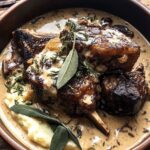
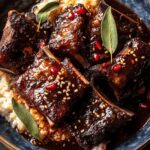
Imagine walking into your home on a crisp evening to the intoxicating scent of beef slowly transforming into a tender masterpiece. Braised short ribs have long been a cornerstone of American comfort dining, celebrated for their deep, savory richness and “fall-off-the-bone” texture. Whether it is a quiet Sunday with family or a sophisticated dinner party, this dish represents the pinnacle of “low and slow” culinary magic that transforms a humble cut of meat into a world-class meal.
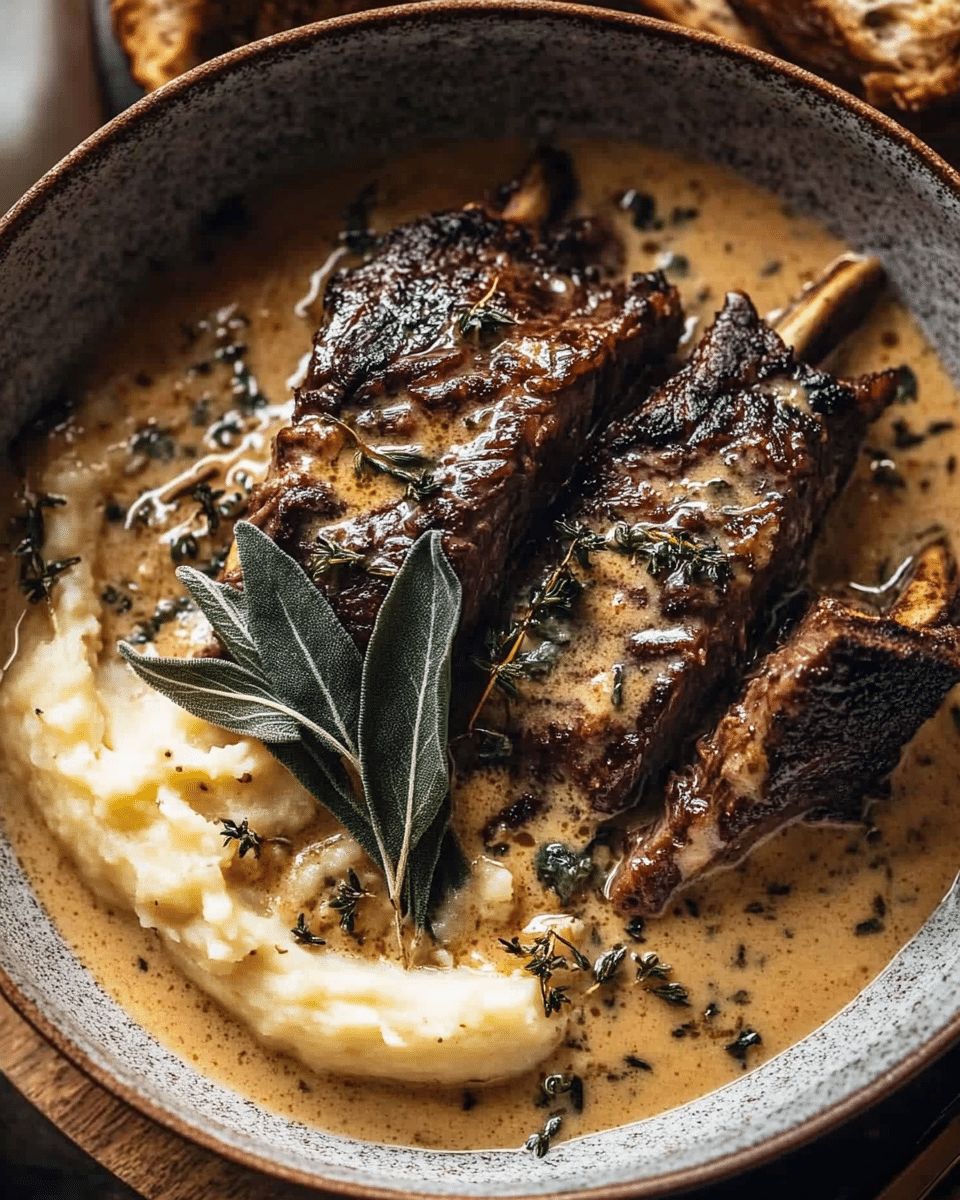
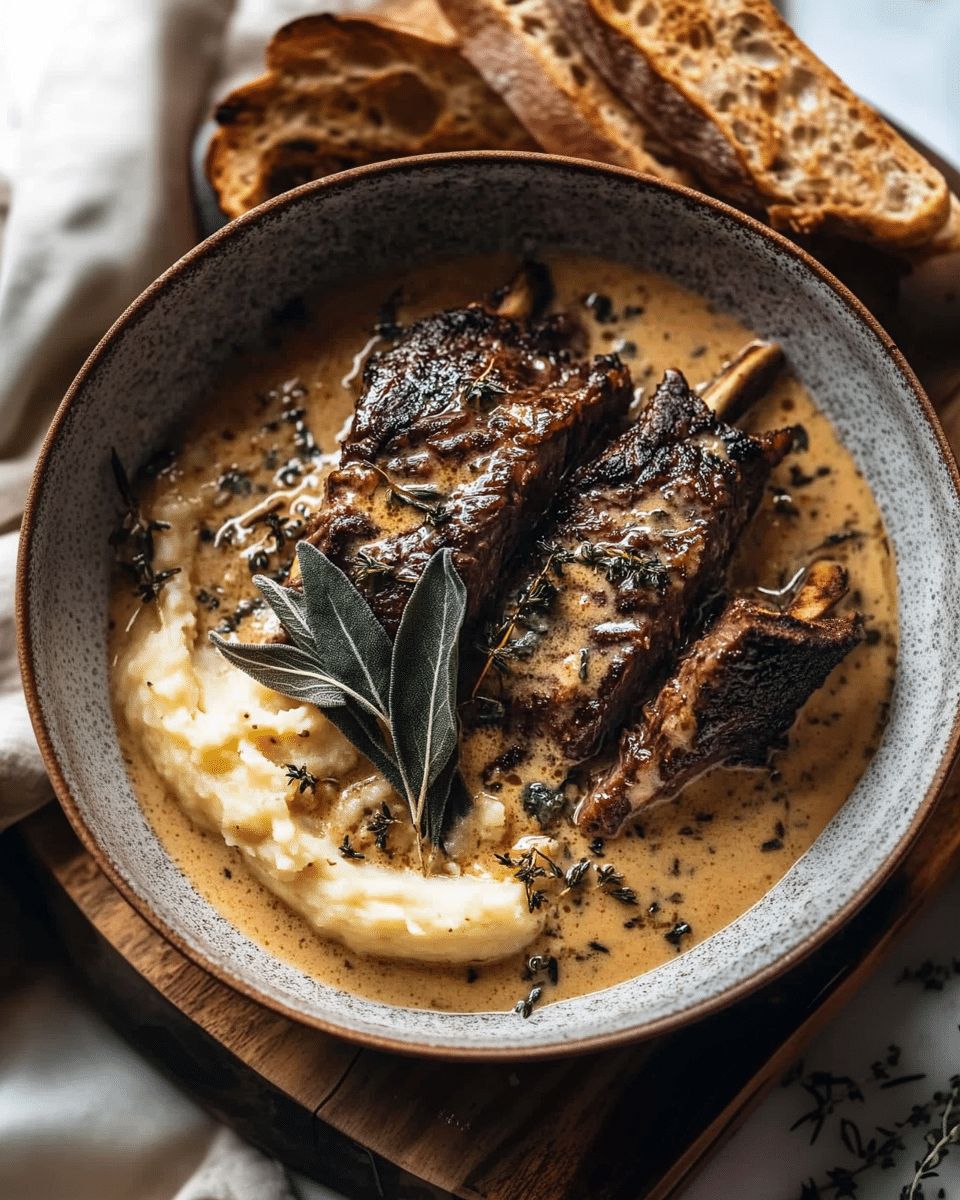
What sets this specific recipe apart is the luxurious creamy herb sauce. While many traditional braises rely on a thin wine reduction, we elevate the experience at CookWithFeast by incorporating heavy cream, aromatic cognac, and fresh garden herbs like thyme and sage. The result is a velvety, sophisticated sauce that perfectly balances the intense flavor of the marbled beef, creating a meal that feels both rustic and incredibly refined. It is the kind of dish that nourishes the soul and leaves a lasting impression on anyone lucky enough to share your table.
Quick Answer: To achieve perfect braised short ribs, season 5 lbs of bone-in ribs and slow-cook them with aromatics and liquids (cognac, Marsala, broth) in a Dutch oven at 325°F for 2.5 to 3 hours. Finish by stirring in heavy cream and butter, then roasting uncovered at 400°F for 20 minutes to thicken the sauce and caramelize the meat for a restaurant-quality glaze.
The Mastery of the Braise: Why This Technique Reigns Supreme
To understand why braised short ribs in creamy herb sauce is such a cornerstone of American gourmet comfort, we have to look at the culinary science behind the technique. Braising is a combination cooking method that uses both dry heat (roasting/searing) and moist heat (simmering). For a cut as rugged and well-marbled as the short rib, this method is non-negotiable. At CookWithFeast, we believe that understanding the “why” makes you a better cook.
Short ribs are essentially the marathon runners of the cow—they are tough, packed with connective tissue and collagen. If you were to grill a short rib like a ribeye, it would be as tough as a shoe sole. However, when subjected to a 325°F environment for three hours, that collagen undergoes a chemical transformation. It melts into gelatin, which is what gives the meat that lip-smacking, velvety texture. This process doesn’t just make the meat tender; it enriches the sauce, providing a natural body that pairs perfectly with our heavy cream finish.
Chef’s Secret: The “low and slow” philosophy is about more than just tenderness. It’s about the Maillard reaction—the chemical reaction between amino acids and reducing sugars that gives browned food its distinctive flavor. While the ribs are in the oven, they are constantly building a flavor profile that no quick-sear method can replicate.
Selecting Your Ribs: English Cut vs. Flanken Style
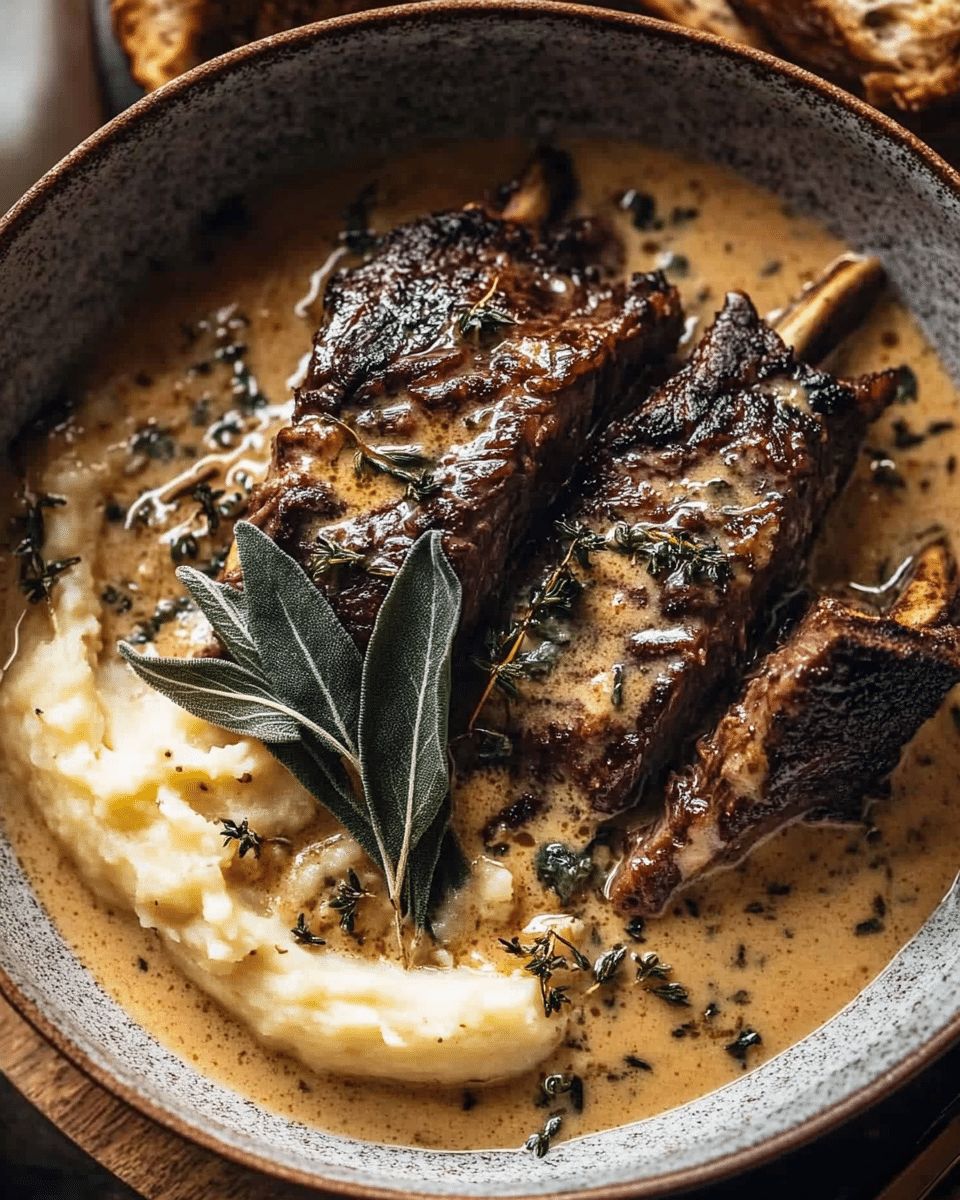
When you head to your local American butcher, you will likely see two different ways that short ribs are sliced. Choosing the right one is paramount to the success of this creamy herb sauce recipe. For a traditional braise, we are looking for the English Cut.
| Rib Style | Description | Best Use Case |
|---|---|---|
| English Cut | Sliced into 2-to-3-inch rectangular chunks with a single bone. | Slow Braising (Dutch Ovens/Braisers). |
| Flanken Style | Thinly sliced across several bones (often seen in Korean BBQ). | Quick Grilling or Searing. |
| Boneless | Meat removed from the bone; leaner and less connective tissue. | Quick Stews or Slow Cookers. |
We always recommend bone-in ribs. The bone acts as a thermal conductor, ensuring the meat cooks evenly from the inside out while adding an extra layer of marrow richness to your braising liquid. Look for ribs with “high marbling”—those little white flecks of intramuscular fat are what will keep your meat juicy during the long roasting period.
Building the Flavor Foundation: Cognac and Marsala
What separates a standard beef stew from a professional-grade braised short rib is the depth of the liquid base. In this recipe, we utilize a “spirit-forward” approach. The 1/2 cup of cognac or brandy is used to deglaze the pan. When the alcohol hits the hot surface, it lifts the “fond”—those caramelized brown bits stuck to the bottom of the pot—and incorporates them into the sauce. This is concentrated flavor gold.
The Role of Marsala Wine
Marsala wine adds a nutty, semi-sweet complexity that white wine simply cannot match. It bridges the gap between the savory beef and the aromatic thyme. If you are looking for a non-alcoholic alternative, you can use a high-quality beef bone broth with a tablespoon of balsamic vinegar. The goal is to provide enough acidity to cut through the heavy fats of the ribs while providing a dark, rich color to the final sauce.
The Aromatic Power of Fresh Herbs: Thyme and Sage
In American bistro cooking, fresh herbs are used not just for garnish, but as structural elements of the dish. Thyme is a sturdy herb that can withstand a 3-hour roast without losing its integrity. It infuses the beef with a woody, citrusy note that prevents the dish from feeling too “heavy.”
Why We Fry the Sage
The fried sage leaves are our “textural trump card.” Sage is a highly aromatic herb that contains a lot of oil. By frying the leaves in salted butter, you remove the fuzzy texture of the raw herb and replace it with a delicate, “glass-like” crunch. When you bite into a piece of tender rib alongside a crispy sage leaf, you get a hit of concentrated herbal oil that wakes up the palate. It is the perfect finishing touch for a dish that is otherwise very soft in texture.
Step-by-Step Excellence: Achieving Fall-Off-The-Bone Perfection
Now, let’s look at the critical phases of the cooking process. Patience is your most valuable ingredient here.
The Pre-Braising Seasoning
Don’t be shy with the freshly ground black pepper. Short ribs are a big, bold cut of meat and they need a lot of seasoning. We recommend seasoning at least 30 minutes before cooking to allow the salt (if using) and pepper to penetrate the surface. This creates a better crust when the ribs hit the initial heat of the pan.
Managing the Fat
Short ribs are naturally fatty. After 3 hours in the oven, you will notice a layer of clear oil on top of your sauce. Do not skip the skimming step! If you stir the heavy cream into the fat, the sauce will “break” and become greasy. Tilt your braiser slightly and use a wide spoon to remove as much of the clear fat as possible. This ensures your final creamy herb sauce is velvety and refined.
The High-Heat Finish
We increase the oven temperature to 400°F (200°C) for the final 20 minutes. This is a technique called “glazing.” By roasting uncovered at a higher temperature, the liquids reduce rapidly, and the cream and butter emulsify with the beef juices to create a thick, glossy lacquer that clings to the ribs.
Pairing and Presentation: Completing the Feast
A dish this rich deserves sides that can either “mop up” the sauce or provide a sharp contrast. At CookWithFeast, we recommend the following pairings:
- Garlic Mashed Potatoes: Use Yukon Gold potatoes for their naturally buttery texture. The creaminess of the potatoes matches the luxuriousness of the herb sauce.
- Buttered Wide Egg Noodles: A classic American pairing that provides a comforting, chewy contrast to the tender meat.
- Roasted Brussels Sprouts: The charred, slightly bitter edges of the sprouts cut through the richness of the heavy cream and butter.
Storage and Make-Ahead Tips
One of the best-kept secrets about braised dishes is that they actually taste better the next day. As the meat sits in the sauce overnight, the flavors have a chance to fully penetrate the fibers. If you are hosting a dinner party, consider making this dish 24 hours in advance. Simply reheat it gently on the stovetop, adding a splash of broth if the sauce has thickened too much in the fridge.
Pro Tip: When reheating, do so slowly over medium-low heat. High heat can cause the cream to separate, ruining the velvety texture of your creamy herb sauce.
Whether you follow this recipe to the letter or add your own twist with extra vegetables like parsnips or carrots, these braised short ribs are guaranteed to be the star of your dinner table. The combination of slow-cooked tenderness and a sophisticated herb profile is what makes this a true CookWithFeast favorite. Grab your Dutch oven and get ready for a meal that defines comfort!
You May Also Like
Explore more culinary inspiration on CookWithFeast: Slow Cooking Masterclass, Savory Beef Dinners, Classic American Comfort Food, Best Dutch Oven Meals, and Elegant Dinner Party Ideas.
Source: Learn more about the history and technique of this cooking method at Wikipedia.
Frequently Asked Questions
Can I make these braised short ribs in a slow cooker or Instant Pot?
Yes, you absolutely can! For a slow cooker, follow the searing steps on your stovetop, then transfer everything to the crock and cook on low for 7 to 8 hours. For an Instant Pot, use the “Sauté” function to sear the meat and aromatics, then cook under high pressure for 45 to 50 minutes with a natural release. Stir in the heavy cream and butter at the very end.
What is the best substitute for cognac or Marsala wine?
If you prefer to cook without alcohol, you can substitute the cognac and Marsala with an equal amount of high-quality beef bone broth. To maintain the necessary acidity and depth of flavor, stir in a tablespoon of balsamic vinegar or Worcestershire sauce. This ensures the sauce remains balanced against the rich fats of the beef.
How do I prevent the creamy sauce from becoming too greasy?
Short ribs are naturally high in fat, which renders out during the 3-hour roast. The secret is to skim the fat before adding the cream. Tilt your braiser and use a wide spoon to remove the clear oil from the surface. For even better results, make the dish a day in advance; once chilled, the fat will solidify into a “cap” that is incredibly easy to lift off and discard.
Pro Tip: Always use room temperature heavy cream when stirring it into the hot braising liquid. This prevents the sauce from breaking or curdling, ensuring a perfectly smooth, velvety finish.
Final Thoughts
There is a unique kind of magic that happens when you allow a tough cut of meat like short ribs to transform slowly in a Dutch oven. This Braised Short Ribs in Creamy Herb Sauce isn’t just a meal; it is an experience that fills your home with warmth and your kitchen with the scents of a high-end American bistro. It is the ultimate testament to the idea that patience is the most important ingredient in any comfort food recipe.
At CookWithFeast, we hope this recipe becomes a staple in your household for those chilly Sunday afternoons or special family gatherings. The combination of succulent beef and that velvety, aromatic sauce is something your guests will be talking about long after the last bite is gone. Gather your loved ones, break out the crusty bread, and savor every tender moment of this decadent feast!