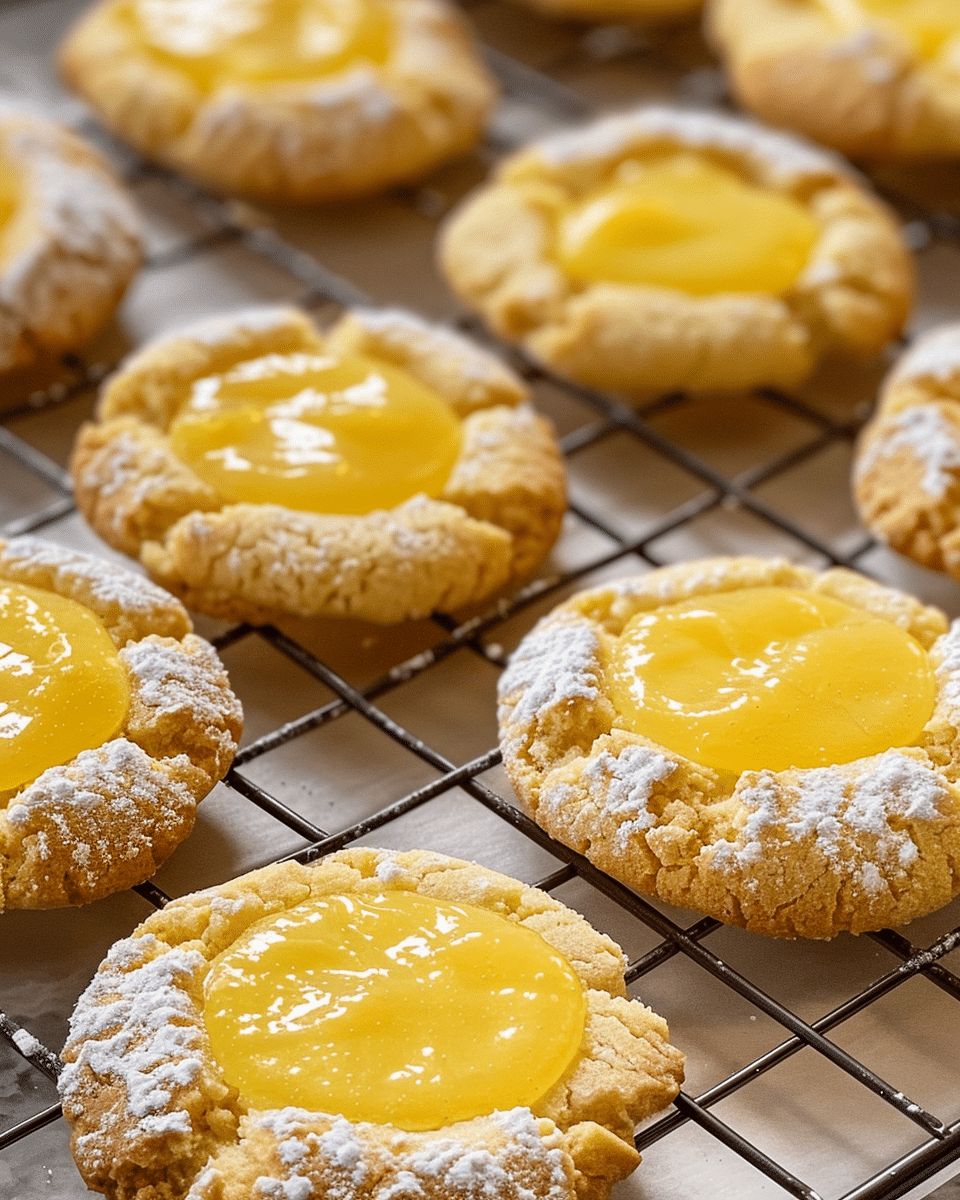
Imagine biting into a soft, chewy cookie that instantly melts in your mouth, only to surprise you with a burst of tangy, creamy lemon curd at its center. That’s the magic of gluten-free lemon curd cookies. They’re not just cookies; they’re little rays of sunshine baked into every batch, offering a sophisticated balance of sweetness and citrus zing that appeals to everyone, regardless of dietary needs.
If you’ve ever craved a dessert that feels both comforting and refreshing, you’ve just found it. Whether you follow a gluten-free lifestyle by choice or necessity, these cookies prove that you don’t have to compromise on flavor or texture. By using a high-quality flour blend and fresh citrus, you can achieve a professional-grade crumb that rivals any traditional bakery find. In this guide, we will walk you through crafting the perfect “thumbprint” style cookie that stays moist and delicious for days.
Quick Answer: Gluten-free lemon curd cookies are soft, citrus-infused thumbprint cookies filled with a vibrant, tangy lemon curd. They are made using a gluten-free 1-to-1 flour blend and fresh lemon zest, resulting in a refreshing, melt-in-your-mouth treat that is naturally wheat-free.
In the following sections, you’ll not only learn how to bake these golden delights step by step but also discover practical tips for perfect results, clever storage tricks, and creative serving ideas. Let’s dive right in—because your kitchen deserves the aroma of fresh lemon zest today.
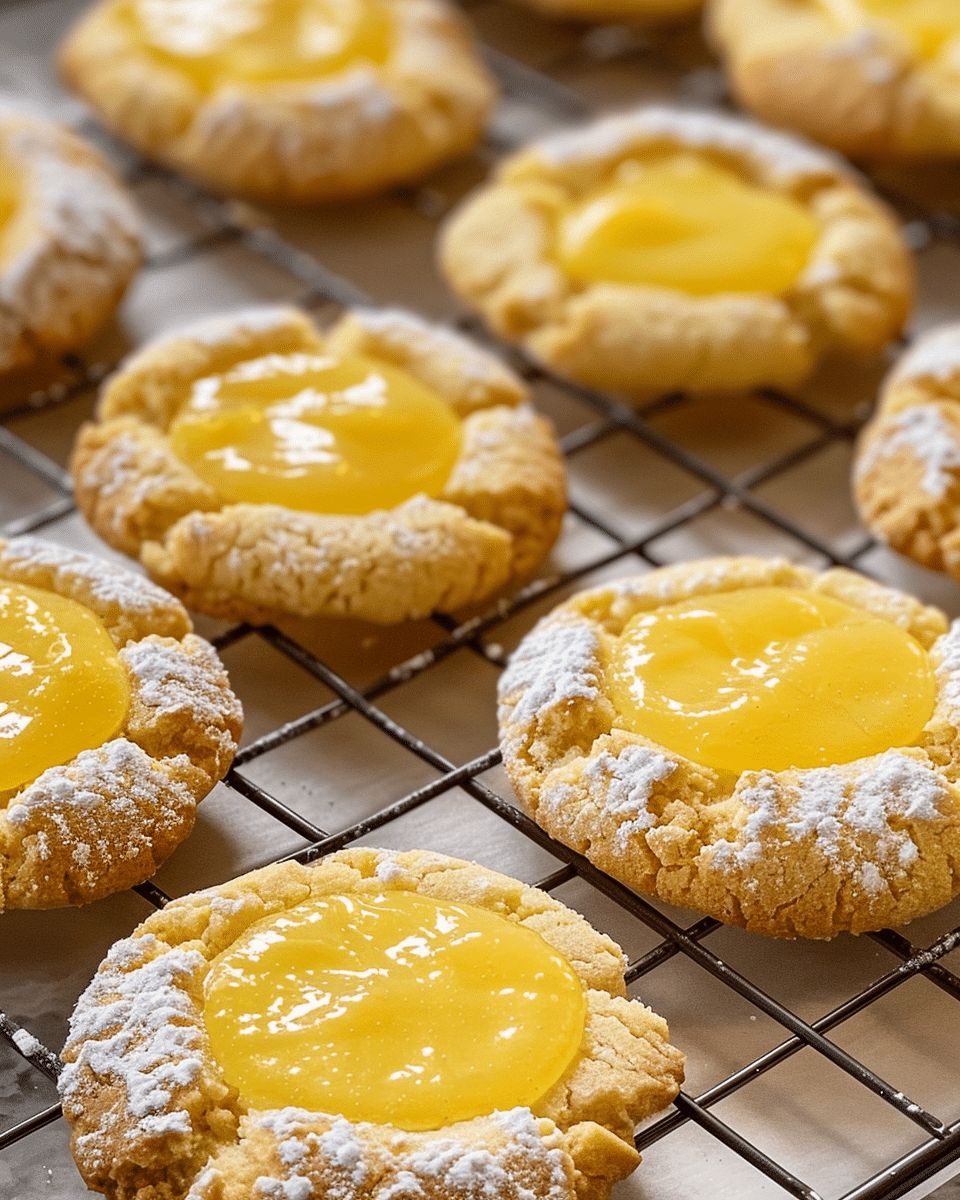
Why You’ll Love These Gluten-Free Lemon Curd Cookies
When you bake cookies, you want them to be worth every bite. Here’s why this recipe will earn a permanent spot in your collection:
- Bright and refreshing flavor: Sweet, buttery dough perfectly balanced with tangy, homemade lemon curd.
- Naturally gluten-free: Made with a reliable flour blend that ensures a soft texture without any compromise.
- Perfect Texture: Chewy with a tender crumb—soft on the inside and slightly crisp at the edges.
- Versatile dessert: A stunning addition to spring parties, holiday trays, or a simple afternoon pick-me-up.
- Make-ahead friendly: You can prepare the curd and dough ahead of time, then assemble and bake when you’re ready.
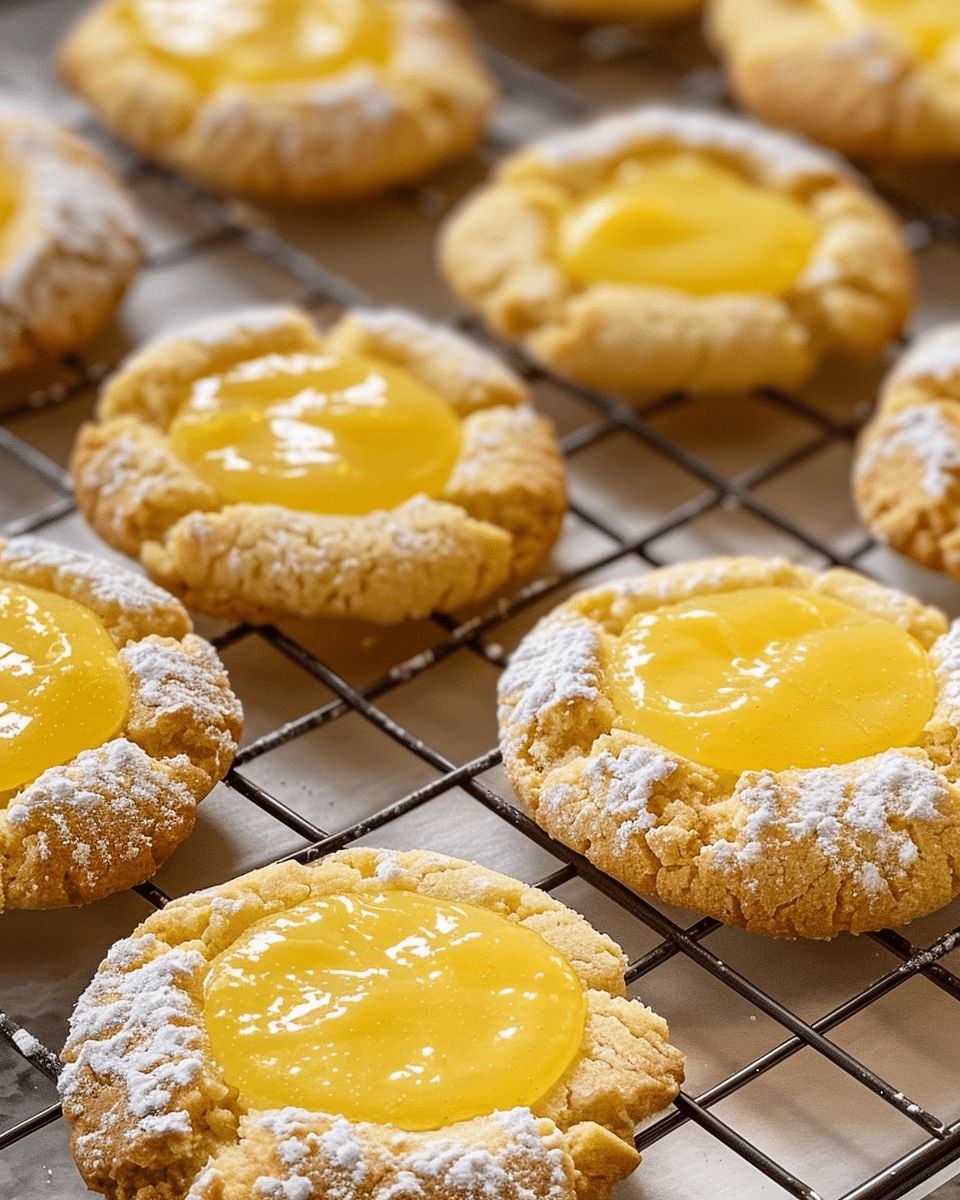
Baking is more than just following steps—it’s about creating joy. And when you pull these golden, powdered-sugar-dusted treats out of the oven, the aroma alone will be enough to brighten your entire home.
The Secret to Masterful Gluten-Free Lemon Curd Cookies
Creating a gourmet-quality dessert starts with understanding the harmony of your ingredients. These Gluten-Free Lemon Curd Cookies are designed to bridge the gap between a classic shortbread and a refreshing citrus tart. By focusing on a “thumbprint” style construction, we create a vessel for the liquid gold that is homemade lemon curd. The contrast between the sugary, slightly crisp exterior and the velvety, tart center is what makes this treat world-class.
One of the biggest challenges in gluten-free baking is achieving a “chew” that doesn’t turn crumbly or dry. We solve this by utilizing specific moisture-retaining techniques, such as chilling the dough and incorporating fresh lemon zest directly into the sugar. This not only infuses the cookies with aromatic oils but also helps stabilize the structure of the dough.
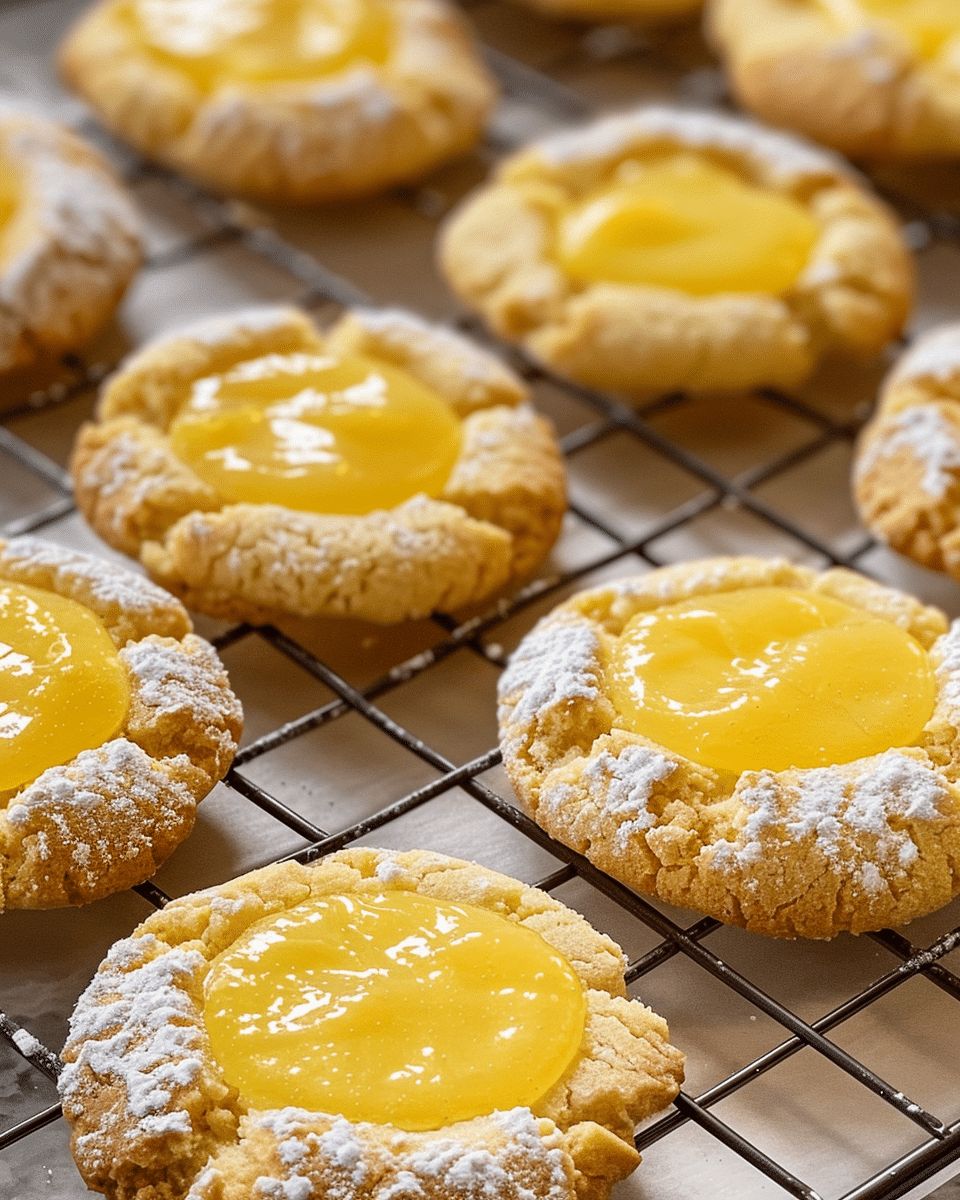
Essential Ingredients and Their Roles
To ensure your baking experience is seamless, we have broken down the components into two primary groups. Each ingredient serves a specific purpose in building the flavor profile and texture of these zesty cookies.
1. The Homemade Lemon Curd Component
While you can use store-bought curd, making it from scratch allows you to control the tartness and ensure there are no hidden thickeners or artificial flavorings.
| Ingredient | Measurement | Strategic Purpose |
|---|---|---|
| Granulated Sugar | ½ cup | Sweetens the curd and provides structure. |
| Fresh Lemon Zest | 1 Lemon | Provides the essential oils for a deep citrus aroma. |
| Large Egg Yolks | 3 Yolks | Creates a rich, custardy texture and vibrant yellow color. |
| Fresh Lemon Juice | ¼ cup | The primary source of acidity and brightness. |
| Unsalted Butter | 4 tbsp | Emulsifies the curd for a silky, “melt-in-your-mouth” finish. |
2. The Gluten-Free Cookie Base
The dough must be sturdy enough to hold the curd but soft enough to remain pleasant to eat. Here is what you will need for the dough:
- Gluten-Free Flour Blend (2 cups): Look for a 1-to-1 baking flour that includes rice flour or potato starch.
- Xanthan Gum (½ tsp): The “glue” that replaces gluten. Omit if your blend already lists it.
- Unsalted Butter (½ cup): Melted and cooled to give the cookies a chewy, brownie-like density.
- Powdered Sugar (¾ cup): Specifically for rolling the dough balls to create a “crackle” effect.
- Vanilla Extract (1 tsp): Adds a layer of warmth to balance the sharp citrus.
Step-by-Step Guide: Crafting the Perfect Batch
Phase 1: Preparing the Lemon Curd
The curd needs time to set, so we always recommend starting here. A well-made curd should be thick enough to coat the back of a spoon and shouldn’t run when placed in the cookie center.
- Infuse the Sugar: In a small bowl, rub the lemon zest into the granulated sugar with your fingertips until the sugar is fragrant and moist.
- Whisk the Base: Add the egg yolks and salt. Whisk vigorously until the mixture becomes pale and slightly fluffy.
- Temper the Eggs: Heat the lemon juice in a saucepan until simmering. Slowly drizzle the hot juice into the egg mixture while whisking constantly to prevent scrambling.
- Thicken: Return the mixture to the pan. Cook over low heat for 4–5 minutes. Do not let it boil.
- Finish with Butter: Remove from heat and stir in the cubed butter until fully incorporated. Strain through a fine sieve for a professional, silky finish.
Phase 2: Mixing the Cookie Dough
The key to successful gluten-free cookies is the chilling phase. Because gluten-free flours take longer to hydrate, skipping the fridge can result in flat, greasy cookies.
- Combine the lemon zest and sugar in a large bowl, using the same “rubbing” technique mentioned above.
- Whisk in the melted butter, eggs, lemon juice, and vanilla until the mixture is glossy and smooth.
- In a separate bowl, sift together the flour, xanthan gum, baking powder, and salt.
- Fold the dry ingredients into the wet until a soft dough forms. It will feel stickier than traditional dough—this is normal!
- Cover and refrigerate for at least 2 hours. Overnight is even better for flavor development.
Phase 3: Assembly and The “Thumbprint” Technique
Now comes the fun part where we transform the dough into beautiful, filled cookies.
- Preheat your oven to 350°F (180°C) and line your sheets with parchment paper.
- Scoop roughly 2 tablespoons of dough and roll into a smooth ball.
- Roll the ball through the powdered sugar until heavily coated. This creates the beautiful white contrast against the yellow center.
- Place on the tray and use the back of a rounded teaspoon (or your thumb) to press a deep indent into the center.
- Fill each indent with 1 teaspoon of the cooled lemon curd.
- Bake for 9–12 minutes. The edges should look set and slightly cracked, but the center should still look “puffed.”
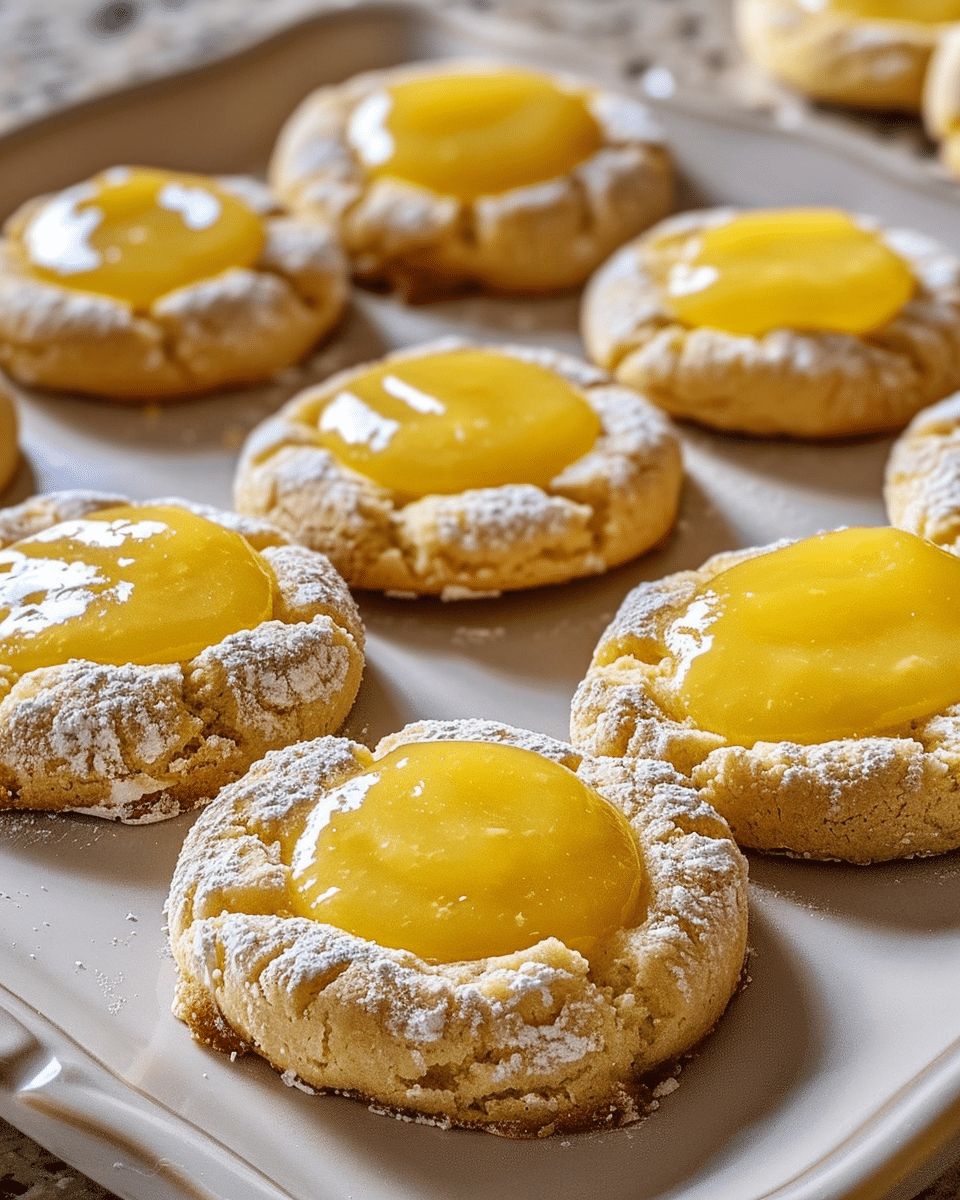
Expert Tips for Bakery-Style Results
Even with a perfect recipe, small details can elevate your baking from “home-style” to “world-class.” Follow these insights for the best possible outcome:
Pro Tip: Always use room-temperature eggs for the curd. Cold yolks can cause the butter to clump during the emulsification process, leading to a textured rather than smooth curd.
- Freshness Matters: Never use bottled lemon juice. The preservatives in bottled juice create a metallic aftertaste that ruins the delicate balance of the cookie.
- The “Double Zest” Method: By zesting lemons into both the curd and the dough, you ensure that the citrus flavor is multidimensional.
- Batch Baking: Because these cookies contain a liquid center, they produce steam. Bake one tray at a time in the center of the oven to ensure even heat circulation.
- Storage Insight: These cookies are best enjoyed within 48 hours. If you need them to last longer, keep them in the refrigerator, as the egg-based curd is perishable.
Nutritional Snapshot (Per Cookie)
| Metric | Value |
|---|---|
| Calories | 145 kcal |
| Total Fat | 7g |
| Carbohydrates | 19g |
| Protein | 2g |
Creative Serving and Pairing Ideas
These cookies are incredibly versatile. While they are a star on their own, you can integrate them into a larger dessert experience.
- The Afternoon Tea Spread: Pair with Earl Grey or chamomile tea. The bergamot in the tea complements the lemon zest beautifully.
- Summer Berry Platter: Serve alongside fresh raspberries and blueberries. The tartness of the berries cuts through the sweetness of the powdered sugar.
- The Gift Box: These cookies are visually stunning. Place them in a tin with parchment paper dividers for a thoughtful, gluten-free gift.
Whether you are hosting a garden party or simply looking for a way to use up a bag of lemons, these Gluten-Free Lemon Curd Cookies are a guaranteed crowd-pleaser. They prove that gluten-free baking isn’t about “missing out”—it’s about discovering new, vibrant textures and flavors.
You May Also Like
If you enjoyed these zesty treats, you might find your next favorite recipe here: Gluten-Free Desserts, More Lemon Recipes, American Comfort Food Classics, and Expert Baking Tips.
Learn more about the history and chemistry of citrus-based custards: Lemon Curd on Wikipedia
Frequently Asked Questions
Can I make these cookies dairy-free?
Absolutely! You can substitute the unsalted butter with a high-quality vegan butter block (the kind designed for baking) in both the cookie dough and the lemon curd. Just ensure the alternative has a similar fat content to traditional butter to maintain that signature chewy texture.
What if I don’t have xanthan gum in my flour blend?
If your gluten-free all-purpose flour does not already contain xanthan gum, you must add 1/2 teaspoon separately. This ingredient acts as a stabilizer and provides the structural “stretch” that gluten usually offers, preventing your cookies from becoming too crumbly.
How do I prevent the lemon curd from running during baking?
The secret is to ensure your homemade curd is fully cooled and set before filling the cookies. Additionally, don’t overfill the indents; one teaspoon is the perfect amount to allow the curd to puff slightly without overflowing the edges of the dough ball.
Final Thoughts
Baking these Gluten-Free Lemon Curd Cookies is a wonderful way to bring a burst of sunshine into your kitchen. By combining the bright, acidic punch of fresh lemons with a soft, buttery base, you create a dessert that feels both gourmet and homey. Whether you are hosting a festive gathering or simply treating yourself to a zesty afternoon snack, these cookies are a testament to how delicious gluten-free baking can be.
We hope this recipe becomes a staple in your collection at cookwithfeast.com. Don’t be afraid to experiment with the presentation—perhaps a dusting of extra powdered sugar or a side of fresh berries. Happy baking, and enjoy every zesty, melt-in-your-mouth bite!